




If you've walked into your grow room and noticed your cannabis leaves drooping, you're probably wondering what went wrong. It's frustrating to see a healthy plant suddenly lose its vigor after weeks of careful growth.
The good news is that drooping cannabis leaves are usually an early warning sign rather than a disaster. In my experience, they indicate that something in the growing conditions needs attention. The challenge is identifying the real cause before making changes, as issues like overwatering, underwatering, nutrient imbalances, heat stress, root problems, pests, and diseases can all produce similar symptoms.
One of the most common mistakes growers make is reacting too quickly. Adding more water to an overwatered plant or increasing nutrients when the issue is incorrect pH can make things worse. Correct diagnosis is key to recovery.
In this guide, you'll learn why your cannabis leaves are drooping, how to identify the cause, and how to fix the problem using a proven step-by-step approach. You'll also learn how to prevent it from happening again.
Key Takeaways
- Overwatering is the most common cause of cannabis leaves drooping, but underwatering can look similar.
- Lift the pot before watering to check if your plant actually needs it.
- Healthy roots need both oxygen and moisture, so proper drainage is essential.
- Maintain humidity at 60–70% during early growth and 40–50% during flowering.
- Keep soil pH between 6.0 and 7.0 for proper nutrient uptake.
- Heat stress, poor airflow, pests, diseases, and nutrient issues can all cause drooping.
- Most cases can be reversed if diagnosed and corrected early.
What is Cannabis Leaf Drooping?
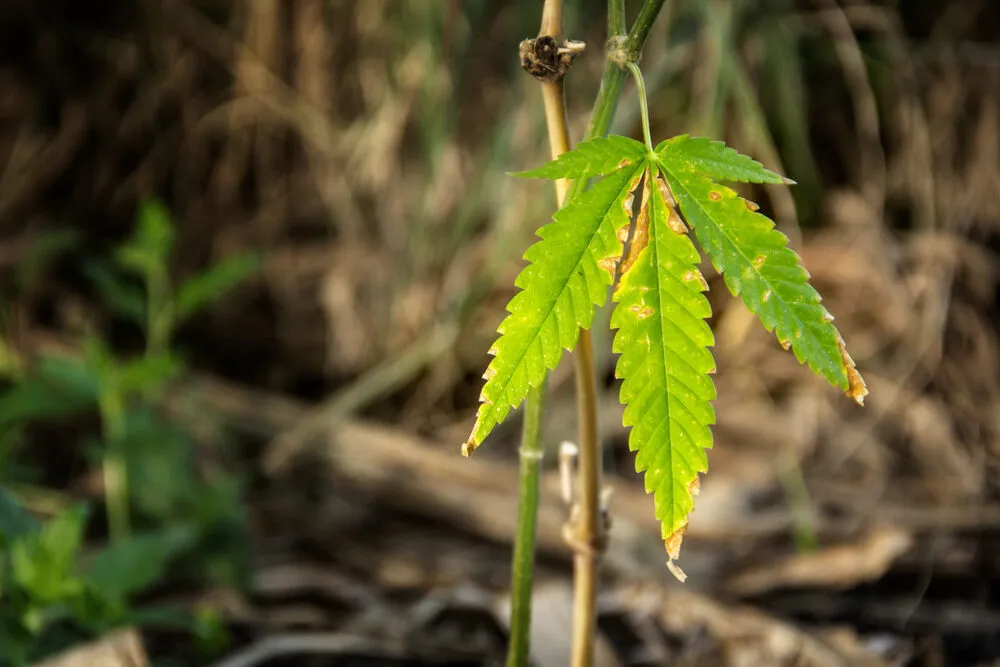
If you've ever walked into your grow room and noticed your cannabis leaves drooping, don't panic. In my experience, drooping leaves are one of the earliest signs that something isn't right with your plant's growing conditions. While it may look alarming, it's usually your cannabis plant signaling stress before the issue becomes more serious.
Cannabis leaf drooping occurs when leaves lose their firmness and begin to hang downward instead of reaching toward the light. This happens when the plant struggles to maintain turgor pressure, the internal water pressure that keeps leaves upright. When water movement is disrupted due to root issues, improper watering, environmental stress, or nutrient imbalances the leaves begin to sag.
One of the most common mistakes growers make is assuming every drooping cannabis plant needs more water. In reality, overwatering and underwatering can cause similar symptoms, so diagnosing the root cause is essential. Before taking action, check the moisture level of the growing medium, lift the pot to assess its weight, inspect leaves for pests or discoloration, and review temperature and humidity levels.
The good news is that most cases of marijuana leaves drooping are reversible when caught early. Once the underlying issue is corrected, plants often recover quickly and return to healthy growth.
How to Fix Drooping Cannabis Leaves: Step-by-Step Checklist
If you're wondering why your cannabis leaves are drooping, don't make changes too quickly. In my experience, the fastest way to fix a drooping cannabis plant is to diagnose the cause before taking action. Follow this checklist to identify the problem and restore healthy growth.
Step 1: Check the Pot Weight
Lift the container before doing anything else.
Heavy pot: The growing medium is still wet, so don't water.
Light pot: Your plant may need watering.
This simple check helps distinguish overwatering from underwatering.
Step 2: Check the Growing Medium
Insert your finger 1–2 inches into the soil or growing medium.
Wet or soggy soil points to overwatering.
Dry soil suggests underwatering.
Only water when the growing medium has started to dry and the pot feels lighter.
Step 3: Inspect the Leaves
Look closely at the leaves.
- Thick, swollen leaves usually indicate overwatering.
- Limp, dry leaves often suggest underwatering.
- Yellowing, burnt tips, or yellow cannabis leaves often indicate nutrient deficiencies, while brown spots can point to disease or environmental stress.
Step 4: Check Your Grow Environment
Measure temperature and humidity using reliable meters.
Heat, poor airflow, excessive humidity, and cannabis leaves curling up or down often occur together when plants are under environmental stress.
Step 5: Review Your Feeding Schedule
Before adding nutrients, check your pH.
Many cases of marijuana leaves drooping are caused by nutrient lockout rather than a true deficiency. For soil grows, maintain a pH between 6.0 and 7.0 to support healthy nutrient uptake.
Step 6: Inspect for Pests and Diseases
Examine both sides of the leaves and the growing medium for insects, webbing, mold, unusual spots, or cannabis leaf symptoms that could indicate an underlying problem.
Step 7: Check the Roots
If your plant continues drooping after correcting watering and environmental conditions, inspect the roots. Brown, slimy roots, poor drainage, or a root-bound container can all restrict water uptake and cause drooping leaves.
Step 8: Make One Change at a Time
One mistake I often see growers make is changing everything at once. Correct the most likely cause first, then monitor your plant for 24–72 hours before making another adjustment. This makes it much easier to identify what's working.
Most cases of drooping cannabis leaves are reversible when caught early. By following this checklist, you'll be able to identify the underlying cause and confidently fix drooping cannabis leaves before they impact plant growth or your final harvest.
Causes of Cannabis Leaves Drooping
If you've found yourself searching "Why are my cannabis leaves drooping?", you're not alone. In my experience, drooping leaves are one of the first signs that a cannabis plant is under stress. The important thing to remember is that drooping is a symptom, not the problem itself. Before reaching for the watering can or adding nutrients, it's essential to identify what is causing the stress in the first place.
Healthy cannabis plants rely on a delicate balance of water, oxygen, nutrients, light, and environmental conditions. When any of these become unbalanced, the plant struggles to maintain turgor pressure, the internal water pressure that keeps leaves firm and upright. As this pressure drops or water movement through the plant is disrupted, the leaves begin to sag, giving the appearance of a drooping or wilting cannabis plant.
Below are the most common reasons for cannabis leaves drooping, why they happen, how to recognize them, and the first steps you should take to restore your plants to full health.
Overwatering
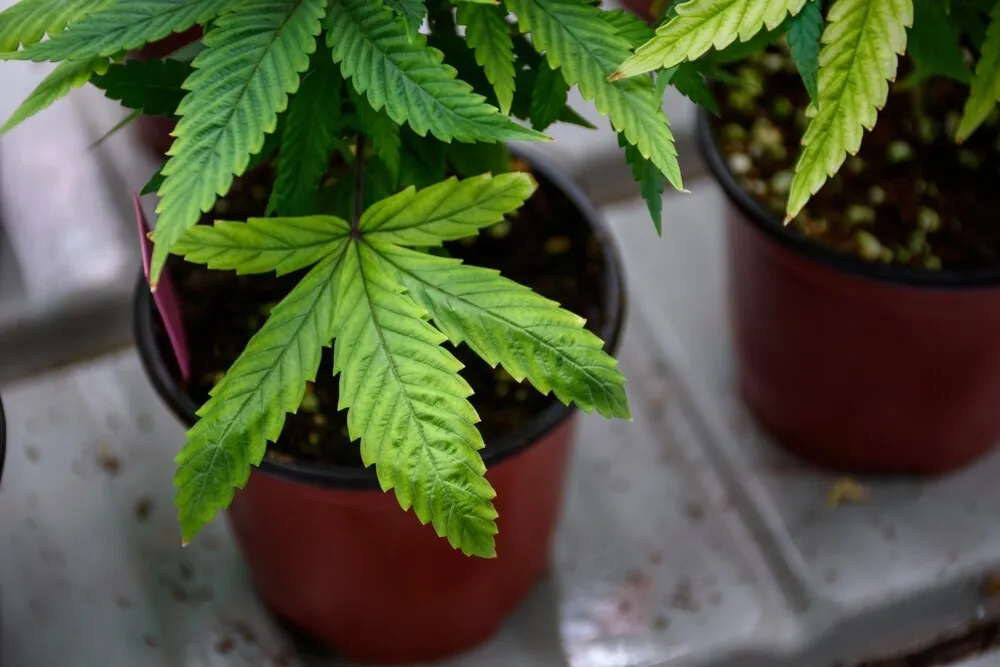
Overwatering is the single most common reason I see marijuana leaves drooping, particularly among beginner growers. While many people assume more water means healthier plants, cannabis roots actually require oxygen to function properly. When the growing medium stays saturated for long periods, the air pockets around the roots fill with water, preventing oxygen from reaching the root zone.
Without oxygen, roots cannot efficiently absorb water or nutrients, even though they are surrounded by moisture. This is why an overwatered cannabis plant often looks thirsty despite sitting in wet soil. The leaves usually appear heavy, swollen, and droop downward while the pot remains noticeably heavy.
How to fix it: Stop watering until the growing medium has partially dried and the container feels much lighter. Improve drainage by adding perlite or using fabric pots, and avoid watering on a strict schedule. In my grows, I always judge when to water by the weight of the pot rather than the calendar.
Underwatering
Underwatering causes drooping for the opposite reason. Instead of having too much water around the roots, the plant simply does not have enough moisture to maintain healthy cell pressure. As water reserves become depleted, the leaves lose their rigidity and begin to wilt.
This often happens during periods of rapid vegetative growth or flowering, when larger plants consume water much faster than expected. Containers may feel extremely light, and the growing medium will be dry several inches below the surface.
How to fix it: Water slowly and thoroughly until excess water drains from the bottom of the container, ensuring the entire root ball is rehydrated. Going forward, monitor pot weight daily and adjust your watering routine as the plant grows rather than sticking to a fixed schedule.
Nutrient Deficiencies and Nutrient Toxicity
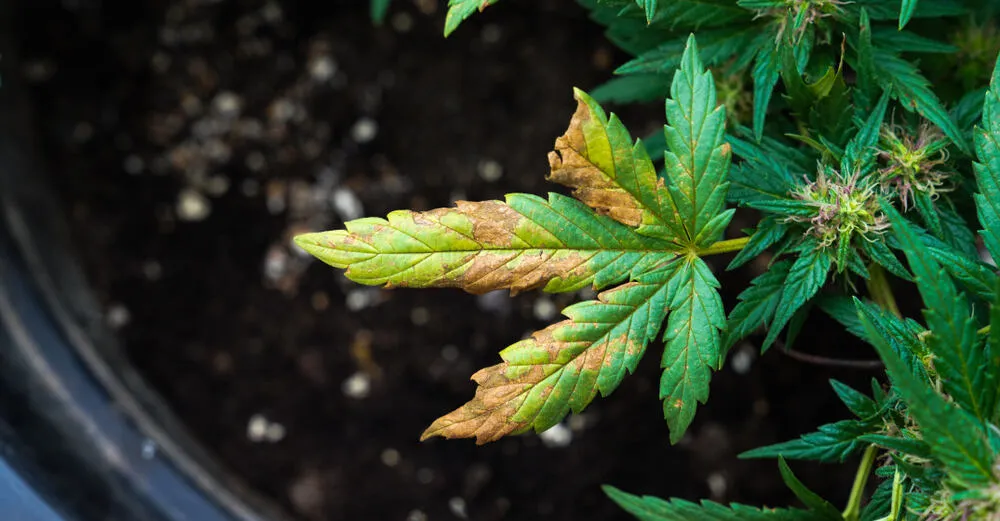
An incorrect nutrient balance can also lead to drooping cannabis leaves on a cannabis plant. Essential nutrients such as nitrogen, potassium, calcium, and magnesium all play important roles in plant growth, water movement, and photosynthesis. When these nutrients become deficient or are supplied in excessive amounts, the plant's metabolism slows, causing leaves to droop alongside other symptoms such as yellowing, burnt leaf tips, brown spots, or leaf curling.
In many cases, the nutrients are actually present in the growing medium, but incorrect pH prevents the roots from absorbing them, a condition known as nutrient lockout.
How to fix it: Check the pH of your growing medium before adding more nutrients. For soil grows, aim for a pH between 6.0 and 7.0. Feed according to the manufacturer's recommendations, increasing nutrient strength gradually rather than making large adjustments all at once.
Common Cannabis Nutrient Deficiencies and Toxicity Symptoms
| Nutrient Issue | Common Symptoms | Why It Causes Drooping | How to Fix It |
| Nitrogen (N) Deficiency | Older leaves turn pale green then yellow, slow growth, smaller plants | Nitrogen is essential for chlorophyll production and vigorous vegetative growth. Without enough nitrogen, the plant cannot photosynthesize efficiently, causing weak growth and drooping leaves. | Increase nitrogen during the vegetative stage using a balanced cannabis fertilizer. Check soil pH (6.0-7.0) before feeding to avoid nutrient lockout. |
| Phosphorus (P) Deficiency | Dark green leaves, purple stems, brown spots, slow root and flower development | Phosphorus supports energy transfer (ATP), root development, and flower production. Deficiencies reduce energy available for growth, causing stressed, drooping plants. | Correct the root-zone pH and apply a phosphorus-rich bloom nutrient if required. Ensure root temperatures are not too cold, as this can reduce phosphorus uptake. |
| Potassium (K) Deficiency | Yellow or burnt leaf edges, curling leaves, weak stems | Potassium regulates water movement, transpiration, and enzyme activity. Deficient plants struggle to maintain water balance, causing cannabis leaves to droop and curl. | Supplement with a potassium-rich nutrient and verify pH is within the optimal range for nutrient uptake. |
| Calcium (Ca) Deficiency | Rust-colored spots, distorted new growth, weak stems | Calcium strengthens cell walls and supports healthy root development. Without it, new growth becomes weak and leaf structure begins to fail. | Add a Cal-Mag supplement if required and maintain proper pH to improve calcium availability. |
| Magnesium (Mg) Deficiency | Yellowing between leaf veins (interveinal chlorosis), older leaves affected first | Magnesium is the central element in chlorophyll molecules. Low magnesium reduces photosynthesis, weakening the plant and contributing to drooping leaves. | Apply magnesium sulfate (Epsom salts) or a Cal-Mag supplement after confirming pH is correct. |
| Iron (Fe) Deficiency | Bright yellow new growth while veins remain green | Iron is required for chlorophyll production in developing leaves. New growth weakens quickly when iron becomes unavailable. | Lower pH slightly if necessary and use a chelated iron supplement if a deficiency is confirmed. |
| Sulfur (S) Deficiency | Uniform yellowing of younger leaves, thin stems | Sulfur supports amino acid and protein production, which are essential for healthy growth and metabolism. | Use a balanced nutrient containing sulfur and ensure root-zone pH allows proper uptake. |
| Manganese (Mn) Deficiency | Yellowing between veins with small brown specks on young leaves | Manganese assists photosynthesis and enzyme function. Deficiencies reduce plant energy production and overall vigor. | Correct pH first, then apply a micronutrient supplement if necessary. |
| Nutrient Toxicity (Overfeeding) | Dark green leaves, burnt leaf tips, leaf clawing, salt buildup in the growing medium | Excess nutrients increase osmotic pressure around the roots, making it difficult for the plant to absorb water. This often results in drooping cannabis leaves despite adequate moisture. | Flush the growing medium with pH-balanced water, reduce nutrient strength by 25-50%, and resume feeding gradually once the plant begins to recover. |
| Nutrient Lockout | Multiple deficiency symptoms despite regular feeding | Nutrients are present but cannot be absorbed because the root-zone pH is outside the optimal range or salts have accumulated around the roots. | Test and correct pH, flush excess fertilizer salts if necessary, and reintroduce nutrients at the recommended strength once uptake has normalized. |
Heat Stress
High temperatures can also contribute to foxtailing cannabis buds if heat stress continues into late flowering. As leaves lose water faster than the roots can replace it, the plant begins conserving moisture by reducing water movement and partially closing its stomata. The result is leaves that droop, curl upward ("taco"), or appear dry around the edges.
Heat stress is often caused by grow lights being positioned too close to the canopy, inadequate ventilation, or consistently high grow room, so the best temperatures to grow cannabis. When growing indoors, selecting indoor cannabis seeds bred for controlled environments can help produce stronger, more resilient plants.
How to fix it: Maintain daytime temperatures between 70-80°F (21-27°C), improve airflow with oscillating fans, and ensure your grow lights are positioned at the correct distance above the canopy. Monitoring both temperature and Vapor Pressure Deficit (VPD) will help maintain healthy transpiration throughout the grow.
High Humidity
Although cannabis requires humidity to thrive, excessive humidity can also cause drooping leaves. When humidity remains too high, transpiration slows because the air cannot absorb additional moisture from the leaves. This reduces the movement of water and nutrients throughout the plant, leaving leaves feeling heavy and limp.
High humidity also creates ideal conditions for powdery mildew, botrytis (bud rot), and other fungal diseases. If you regularly grow in damp environments, mold resistant strains are often better suited to these conditions.
How to fix it: Monitor humidity using a digital hygrometer. Aim for approximately 65-70% during the seedling stage, 55-65% during vegetative growth, and 40-50% during flowering. Improving airflow and using a dehumidifier will help maintain optimal environmental conditions.
Root Problems
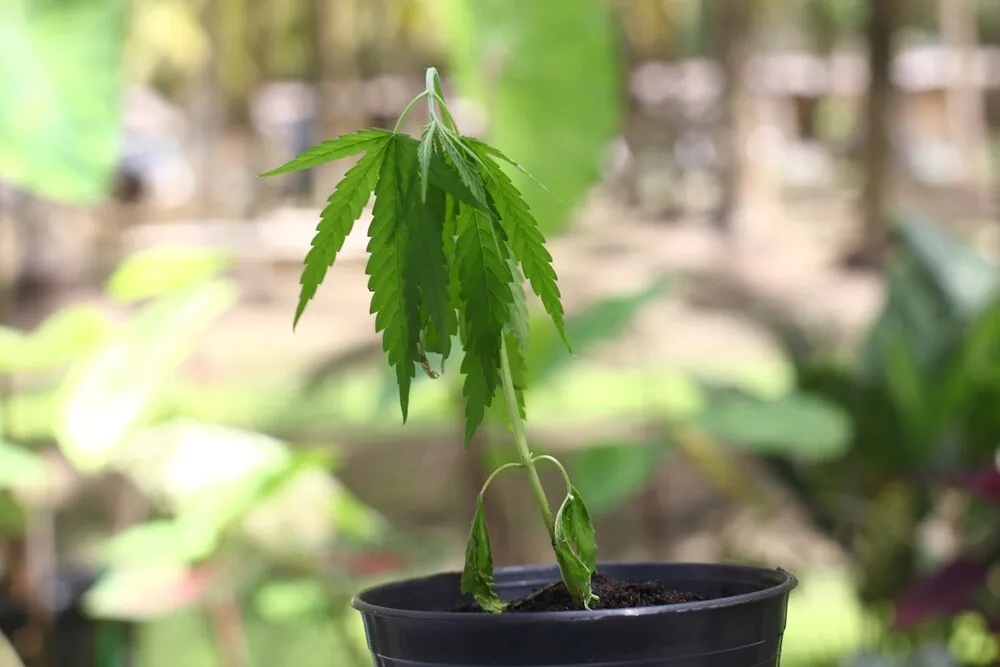
Healthy roots are the foundation of every healthy cannabis plant, but starting with beginner-friendly cannabis strains can also make it easier to avoid common growing mistakes that lead to drooping leaves. If the root system becomes damaged through root rot, compacted soil, poor drainage, transplant shock, or becoming root-bound, water and nutrient uptake quickly decline. Because the leaves are the furthest point from the roots, they are usually the first part of the plant to show signs of stress.
Root problems often develop gradually, making early diagnosis extremely important.
How to fix it: Ensure your growing medium drains freely, avoid overwatering, transplant root-bound plants into larger containers, and inspect roots whenever possible if the plant continues declining without an obvious explanation.
Pests
Sap-sucking insects such as aphids, spider mites, thrips, and fungus gnats weaken cannabis plants by feeding on leaves, stems, or roots. As these pests remove plant sap or damage root tissue, the plant struggles to transport water efficiently, causing leaves to droop, curl, discolor, or develop spotting.
I have found that early detection makes all the difference. Waiting until damage becomes obvious usually means the infestation is already well established.
How to fix it: Inspect both sides of the leaves regularly for insects, eggs, or webbing. Introduce beneficial insects where appropriate, use organic pest controls such as neem oil during vegetative growth if needed, and keep your grow space clean to prevent future infestations.
Common Cannabis Pests That Cause Drooping Leaves
| Pest | Signs of Infestation | Why It Causes Drooping | How to Fix It |
| Spider Mites | Fine webbing under leaves, tiny yellow or white speckles, bronzing foliage | Spider mites feed on plant cells, reducing chlorophyll production and increasing water loss. As damage spreads, cannabis leaves droop and overall plant vigor declines. | Remove heavily infested leaves, increase humidity during vegetative growth, introduce predatory mites, or apply an approved miticide or insecticidal soap. |
| Aphids | Clusters of green, black, or white insects on stems and new growth, sticky honeydew, black sooty mold | Aphids suck sap from the plant, reducing water pressure and nutrient transport. Large infestations weaken the plant, causing marijuana leaves to droop and curl. | Wash plants with water, apply insecticidal soap or neem oil during vegetative growth, and introduce beneficial insects such as ladybugs or lacewings. |
| Thrips | Silvery streaks on leaves, black fecal spots, distorted new growth | Thrips puncture leaf tissue and feed on plant sap, reducing photosynthesis and weakening the plant until leaves begin to droop. | Remove affected leaves, use blue or yellow sticky traps, introduce beneficial insects, and treat with an appropriate biological or organic insecticide. |
| Fungus Gnats | Small black flies around pots, larvae in the growing medium, slow plant growth | Adult gnats are mostly harmless, but larvae feed on fine roots, reducing water and nutrient uptake and causing drooping cannabis leaves. | Allow the growing medium to dry between waterings, use yellow sticky traps, apply beneficial nematodes or Bacillus thuringiensis israelensis (BTI), and improve drainage. |
| Broad Mites | Twisted new growth, glossy or blistered leaves, stunted plants | Broad mites feed on young tissue and inject toxins that distort new growth and weaken the plant, often causing severe drooping. | Remove heavily damaged growth and treat with sulfur sprays, horticultural oils, or approved miticides. |
| Russet Mites | Bronze-colored leaves, brittle foliage, stunted growth, microscopic mites | Russet mites feed on stems and leaves, disrupting normal plant development and causing leaves to droop and dry out. | Confirm the infestation with magnification and treat with sulfur-based products or specialist miticides before populations spread. |
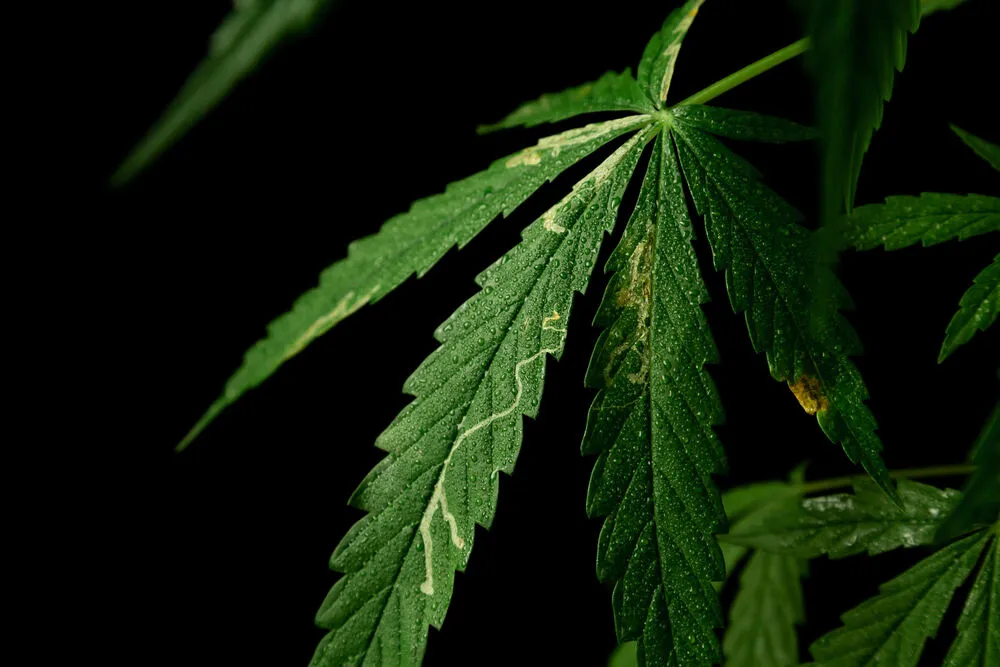
| Leaf Miners | White or translucent winding tunnels inside leaves | Leaf miner larvae feed within leaf tissue, reducing photosynthesis and stressing the plant, which may lead to drooping foliage. | Remove affected leaves immediately and control adult insects using sticky traps or appropriate insecticides if populations increase. |
| Root Aphids | Poor growth, yellowing, drooping despite proper watering, insects around root zone | Root aphids attack the root system, preventing efficient water and nutrient uptake and causing the entire plant to wilt. | Apply beneficial nematodes or approved root drenches, improve sanitation, and isolate infected plants to prevent spreading. |
Cannabis Diseases
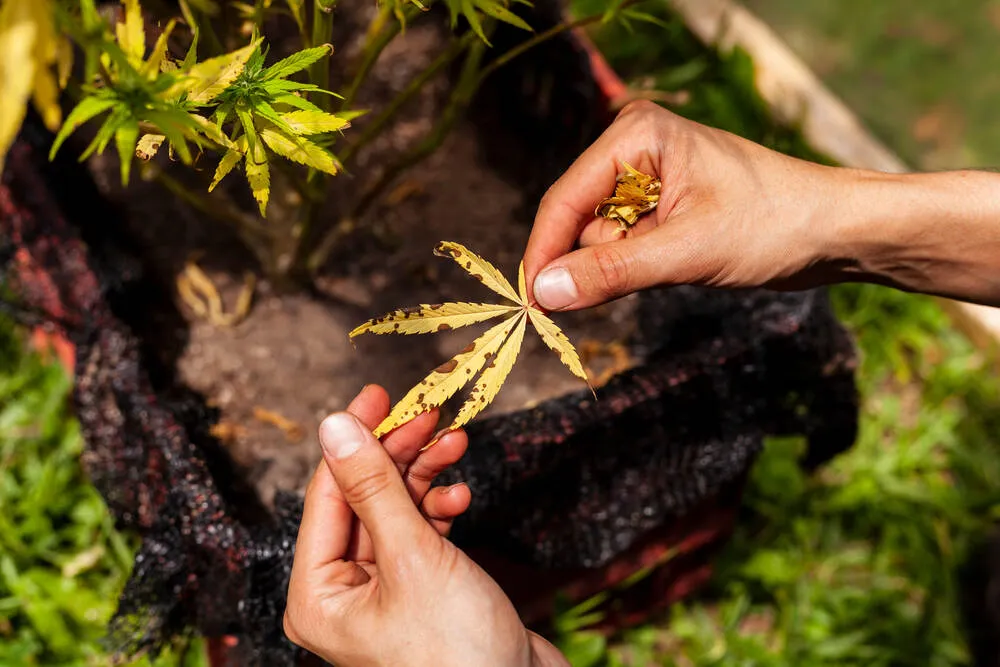
Several fungal and bacterial diseases can also cause cannabis leaves drooping by disrupting the plant's vascular system or damaging its roots. Root rot prevents healthy water uptake, Fusarium blocks water movement through the stem, and powdery mildew reduces photosynthesis by covering leaf surfaces.
Unfortunately, diseased plants often continue declining unless the underlying infection is treated quickly.
How to fix it: Remove infected plant material immediately, improve airflow, avoid excessive humidity and overwatering, and use appropriate biological controls or fungicides depending on the disease. Regular inspection and maintaining a clean growing environment remain the best long-term defense against cannabis plant diseases.
Although drooping cannabis leaves can look alarming, most problems are completely reversible when diagnosed early. The following sections will explore each cause in greater detail, helping you accurately identify the issue and confidently choose the right solution instead of relying on guesswork.
Common Cannabis Diseases That Cause Drooping Leaves
| Disease | Signs of Infection | Why It Causes Drooping | How to Fix It |
| Root Rot (Pythium) | Brown, slimy roots, foul odor, slow growth, persistent wilting despite wet soil | Root rot destroys healthy roots, preventing the plant from absorbing water and nutrients. This is one of the most common reasons cannabis leaves droop in overwatered plants. | Remove affected roots if possible, improve drainage and aeration, reduce watering frequency, and apply beneficial microbes or root treatments designed to suppress Pythium. |
| Powdery Mildew | White powder-like coating on leaves, reduced vigor, yellowing foliage | Powdery mildew blocks sunlight and reduces photosynthesis, weakening the plant and contributing to drooping leaves over time. | Remove infected foliage, improve airflow, reduce humidity, and apply approved fungicides or biological treatments. |
| Fusarium Wilt | Yellowing lower leaves, one-sided wilting, brown discoloration inside stems | Fusarium infects the plant's vascular tissue, blocking water movement from the roots to the leaves and causing severe wilting. | Remove infected plants immediately, disinfect equipment, and avoid reusing contaminated growing media, as there is no reliable cure once infection is established. |
| Botrytis (Bud Rot) | Brown or gray mold inside flowers, dying sugar leaves, soft buds | Botrytis attacks flowers and stems, disrupting water movement while rapidly spreading through humid grow rooms. Advanced infections can cause nearby leaves to droop. | Remove all infected buds, lower humidity to 40-50% during flowering, improve airflow, and inspect dense flowers regularly. |
| Septoria Leaf Spot | Circular yellow or brown spots beginning on lower leaves | Severe infections reduce photosynthesis and gradually weaken the plant, eventually leading to drooping foliage if left untreated. | Remove infected leaves, improve air circulation, avoid wetting foliage during watering, and apply an appropriate fungicide if necessary. |
| Damping-Off (Seedlings) | Seedlings collapse at the soil line, thin stems, sudden wilting | Soil-borne fungi attack young stems and roots, preventing seedlings from transporting water, causing rapid collapse and death. | Use sterile growing media, avoid overwatering, maintain good airflow, and keep seedlings in a warm, well-ventilated environment. |
| Leaf Septoria | Numerous small brown lesions with yellow halos, premature leaf drop | As infected leaves lose photosynthetic capacity, the plant becomes stressed and may develop drooping foliage as overall vigor declines. | Remove infected leaves promptly, improve airflow, avoid overhead watering, and apply preventative fungicides if required. |
| Hop Latent Viroid (HLVd) | Slow growth, brittle branches, reduced vigor, poor flower development, unexplained drooping | HLVd disrupts normal plant growth and metabolism, causing chronic stress and reduced water and nutrient movement throughout the plant. | There is currently no cure. Remove infected plants, sterilize all tools between plants, and only source clean, tested genetics from reputable breeders. |
How to Prevent Cannabis Leaves From Drooping
The best way to fix cannabis leaves drooping is to stop it from happening in the first place. After growing cannabis for many years, I've found that healthy plants rarely develop drooping leaves without first showing small warning signs. The key is building good growing habits and staying consistent throughout the entire grow cycle.
Follow these steps to help prevent marijuana leaves drooping and keep your plants growing vigorously from seedling to harvest.
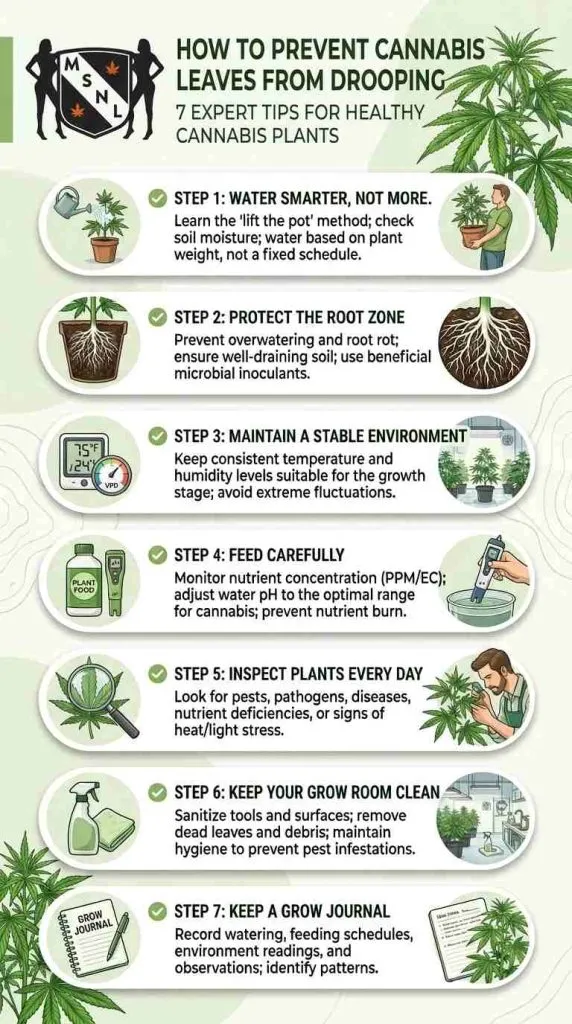
Step 1: Learn When Your Plants Actually Need Water
One of the biggest mistakes new growers make is watering because the calendar says it's time. Cannabis does not drink on a schedule. Water consumption changes depending on the plant's size, genetics, pot size, temperature, humidity, and stage of growth.
One habit I have developed over the years is lifting every pot before watering. A freshly watered container feels dramatically different from one that is ready for irrigation. Once you learn the difference, you will prevent most watering mistakes before they happen.
Step 2: Build a Healthy Root Zone
Healthy roots are the foundation of a healthy cannabis plant. While roots need water, they also require oxygen to grow and absorb nutrients efficiently. A compacted or constantly saturated growing medium deprives roots of oxygen, creating the perfect conditions for root rot and drooping cannabis leaves.
Choose a well-aerated growing medium, use containers with excellent drainage, and never leave pots sitting in runoff after watering.
Step 3: Keep Your Grow Environment Stable
Many growers focus on nutrients while overlooking the environment. In reality, unstable temperatures and humidity often cause more problems than feeding mistakes.
I check temperature and humidity every day because even a few hours of excessive heat or high humidity can disrupt transpiration, slowing the movement of water from the roots to the leaves.
Aim to maintain stable environmental conditions throughout the grow and avoid sudden changes whenever possible.
Step 4: Feed Your Plants Gradually
Overfeeding is one of the easiest mistakes to make and one of the hardest for new growers to diagnose. More nutrients do not automatically produce faster growth. In fact, excess fertilizer can damage the roots, reduce water uptake, and eventually cause cannabis leaves drooping.
Start with moderate nutrient strength, monitor how your plants respond, and only increase feeding when vigorous new growth indicates they are ready.
Step 5: Inspect Every Plant Every Day
Experienced growers do not wait for problems. They look for them.
During every grow, I spend a few minutes inspecting each plant before doing anything else. I check the leaf posture, color, new growth, stems, and the underside of the leaves for insects or eggs. Catching a problem early is almost always easier than fixing it after the entire plant begins to decline.
Step 6: Keep Your Grow Room Clean
A clean grow room dramatically reduces the risk of pests, diseases, and environmental problems.
Remove dead leaves, clean up spilled growing medium, disinfect tools between plants, and avoid bringing outdoor plants into your grow space. If you are introducing clones, quarantine them for several days before placing them with the rest of your crop.
Step 7: Keep a Grow Journal
One habit that improved my grows more than almost anything else was keeping detailed records.
Record your watering dates, nutrient strength, pH, temperature, humidity, and any changes you make. Over time, you will begin to recognize patterns and understand exactly how each cultivar responds to different conditions.
This makes it much easier to prevent cannabis leaves drooping in future grows because you will spot small changes before they become serious problems.
The healthiest cannabis plants are rarely the result of one perfect technique. They are the result of consistent habits. By mastering your watering routine, protecting the root zone, maintaining a stable environment, feeding carefully, inspecting plants daily, and keeping detailed records, you will dramatically reduce the chances of drooping cannabis leaves and produce stronger, healthier plants throughout every stage of growth.
Frequently Asked Questions About Cannabis Leaves Drooping
Why are my cannabis leaves drooping even though the soil is wet?
If your growing medium is still wet and your cannabis leaves are drooping, overwatering is the most likely cause. Saturated soil reduces the amount of oxygen available to the roots, preventing them from absorbing water and nutrients efficiently. As a result, the plant can appear dehydrated even though there is plenty of water in the pot. Allow the growing medium to dry before watering again and improve drainage to help the roots recover.
Can drooping cannabis leaves recover?
Yes. In most cases, drooping cannabis leaves will recover once the underlying cause has been corrected. Recovery time depends on the severity of the stress. Underwatered plants may perk up within a few hours after watering, while plants suffering from overwatering, root damage, or nutrient problems can take several days to produce healthy new growth. Focus on the condition of new leaves rather than expecting damaged leaves to fully recover.
Why are my cannabis leaves drooping after watering?
Leaves that droop after watering are usually a sign that the plant was watered too soon or received more water than the root zone could absorb. Excess moisture reduces oxygen around the roots, slowing water and nutrient uptake. If this happens regularly, allow the growing medium to dry between waterings and use the weight of the pot to determine when your plant actually needs more water.
Can LED grow lights cause cannabis leaves to droop?
Yes. LED grow lights that are too close to the canopy or set at excessive intensity can increase leaf temperature and transpiration, causing cannabis leaves to droop. Check the manufacturer's recommended hanging height, monitor canopy temperatures, and adjust light intensity gradually to avoid unnecessary stress.
How can I prevent cannabis leaves from drooping?
The best way to prevent cannabis leaves from drooping is to maintain consistent growing conditions. Water only when the plant needs it, keep the root zone well-aerated, maintain stable temperature and humidity levels, feed according to the plant's stage of growth, and inspect your plants regularly for pests, diseases, or nutrient problems. Developing these habits will significantly reduce plant stress and help keep your cannabis growing healthy throughout its life cycle.


