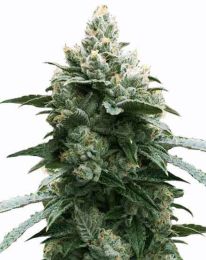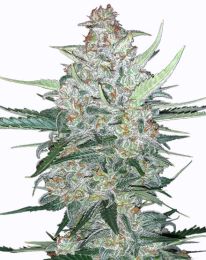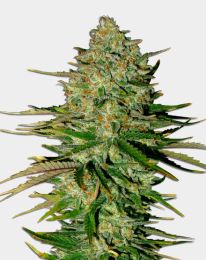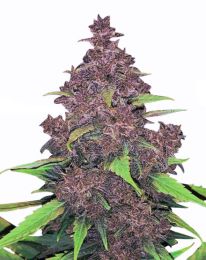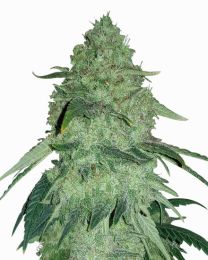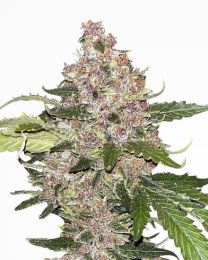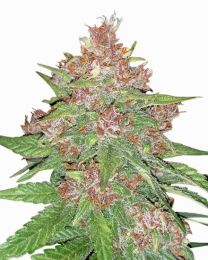



High THC Autoflower Seeds
Our high THC autoflower seeds combine the speed and simplicity of autoflowering genetics with the potency you'd normally get with powerful photoperiods. We've put together a collection of our strongest autoflowers, including varieties reaching 25% THC and above, so choosing an auto no longer means making a big compromise on strength. If you want potent cannabis without changing light schedules or waiting months for your plants to finish, this is the collection to start with.
Read MoreWhat Are High THC Autoflower Seeds?
High THC autoflower seeds produce cannabis plants that combine two characteristics: automatic flowering and high potency. Like other autoflowers, they begin flowering according to age rather than changes in the light cycle, but these strains have also been selected from genetics known for producing particularly strong, THC-rich flowers.
This combination is important because autoflowers haven't always had a reputation for potency. Early autos were generally much weaker than the photoperiod strains available at the time, largely because of the Ruderalis genetics used to introduce the autoflowering trait. Modern breeding has changed that considerably, and today's best high THC autos can produce potency that would have been difficult to imagine from the first generations of autoflowers.
For you, that means you no longer necessarily have to choose between the convenience of an autoflower and seriously potent cannabis.
Why Choose High THC Autoflower Seeds?
The biggest reason to choose high THC autoflowers is that you want both speed and strength. You get the automatic flowering and short lifecycle that make autos so convenient, while still being able to choose genetics bred for powerful effects.
They're particularly useful if you don't want to manage separate vegetative and flowering light schedules indoors. Most autoflowers can remain under an 18/6 or 20/4 schedule throughout the grow, automatically beginning to flower after only a few weeks.
Their shorter lifecycle is another advantage. Rather than waiting through a long vegetative period followed by several weeks of flowering, many autos can go from seed to harvest in around 8–12 weeks. If you want potent flowers but don't want a long grow, that's where these genetics really make sense.
Are High THC Autoflowers Right for You?
High THC autoflowers are a good fit if potency matters to you but you also want to keep your grow relatively quick and straightforward.
They're particularly useful indoors where their compact size makes them easier to fit into smaller tents and grow rooms. Outdoors, their automatic flowering means you aren't waiting for shortening daylight hours to trigger flowering, which can make it possible to fit multiple grows into a suitable season.
High THC autoflower seeds are particularly well suited to:
- Growers who want potent cannabis with a shorter seed-to-harvest time.
- Indoor growers who don't want to change light schedules to trigger flowering.
- Growers working with limited height or smaller spaces.
- Experienced cannabis users looking for stronger autoflowering varieties.
- Outdoor growers who want plants that flower independently of seasonal daylight changes.
The main trade-off is control. Because an autoflower begins flowering according to age, you can't simply keep it in vegetative growth for longer if you want a bigger plant or need extra recovery time after a problem. If maximum control over plant size and training is more important than speed, a high THC photoperiod strain may suit you better.
How Potent Are High THC Autoflowers?
Modern autoflowers can be seriously potent. The strongest varieties are now capable of reaching THC levels that put them much closer to high-potency photoperiod genetics than the early autoflowers that first appeared on the market.
It's worth remembering that the THC percentage associated with a strain is a guide rather than a guarantee for every plant. Genetics determine the range a plant is capable of, while phenotype, lighting, plant health, environment and harvest timing can all influence the cannabinoid content of your finished flowers.
We also wouldn't choose an autoflower purely because it has the highest THC figure. If two strains are both comfortably within the potency range you're looking for, compare their effects, terpene profiles, size and seed-to-harvest time. A slightly lower THC strain that better matches your preferences may be the one you enjoy considerably more.
High THC Autoflowers vs High THC Photoperiod Strains
The main difference isn't necessarily potency anymore; it's how you want to grow.
High THC photoperiod plants give you control over when flowering begins. Indoors, you can keep them under a vegetative light schedule until they've reached the size you want, then switch to 12/12 to trigger flowering. That extra control can be useful if you're training heavily or trying to maximize yield from each plant.
High THC autoflowers take that decision out of your hands. They'll begin flowering automatically, usually after only a few weeks of vegetative growth. This makes the grow quicker and simpler, but it also means mistakes early in the plant's life can be more difficult to recover from.
If speed, compact growth and simple light schedules matter most, we'd choose the autoflower. If you want maximum control over vegetative growth, plant size and training, explore our high THC photoperiod genetics instead.
Growing High THC Autoflower Seeds
One thing we've found with autoflowers is that keeping them growing steadily during their first few weeks matters more than trying to push them as hard as possible. With a photoperiod plant, you can extend the vegetative stage if growth is slowed by stress. An autoflower doesn't give you that luxury because its internal clock keeps moving towards flowering.
Start with an appropriately sized final container where possible so you don't need to repeatedly transplant your plants. Keep watering sensible during the seedling stage, maintain a stable environment and avoid overfeeding young autos.
Lighting is particularly important when you're growing for potency. Autoflowers can typically remain under 18/6 or 20/4 throughout their lifecycle, giving them plenty of opportunity to receive useful light without needing a 12/12 flowering schedule.
Don't assume that more nutrients or more intense light automatically means more THC. If you're causing nutrient burn or light stress, you're working against the plant rather than helping it. Healthy, uninterrupted development gives high-potency genetics a much better opportunity to express themselves.
Can You Train High THC Autoflowers?
Yes, but we'd be more selective with training than we would with a photoperiod plant. Because autoflowers have such a short vegetative period, any technique that significantly slows growth can cost you valuable development time before flowering begins.
Low stress training is often a good fit because you can spread the canopy and improve light distribution without causing the same level of stress as more aggressive techniques. Start while the plant is young and flexible rather than trying to reshape it once flowering is already underway.
More stressful techniques such as topping can work with healthy, vigorous autoflowers, but timing and experience matter. If you're new to growing autos, we'd keep things simple for your first few plants and concentrate on maintaining steady growth.
Choosing the Right High THC Autoflower
Once you've decided you want both autoflowering and high THC genetics, start with the type of effects you want. High potency doesn't automatically mean a heavy indica experience; you'll find indica-dominant, sativa-dominant and hybrid autoflowers capable of producing strong effects.
Next, consider size and speed. Some autos stay particularly compact, while others can become surprisingly large when given enough root space, light and favorable conditions. Seed-to-harvest times vary too, so compare the individual strains if getting to harvest quickly is one of your main reasons for choosing an autoflower.
Finally, look at flavor, terpene profile and yield alongside THC. The strongest strain in the collection isn't automatically the best one for your grow. We'd rather choose an auto that delivers the potency we want while also matching our available space, preferred effects and the flavors we actually enjoy.
Tips From the MSNL Grow Team
- Prioritize steady early growth because autoflowers have limited time to recover before flowering begins.
- Don't overfeed in an attempt to increase THC; healthy plants should always come first.
- Use an 18/6 or 20/4 light schedule if it suits your setup rather than switching to 12/12 for flowering.
- Keep training sensible and avoid unnecessary stress during the short vegetative stage.
- Compare effects, size and harvest time as well as THC percentage when choosing between strains.
- Don't harvest purely according to the advertised number of weeks; check the actual maturity of your flowers.
One thing we've learned with modern autoflowers is that you don't need to overcomplicate them to produce seriously potent cannabis. Start with strong genetics, protect those important first few weeks of growth and keep the environment consistent through flowering. High THC autoflowers have come a long way, and when they're grown well, choosing speed and simplicity doesn't have to mean settling for weak flowers.
Want More Choice?
If potency matters more to you than flowering type, explore our high THC cannabis seeds to compare high-potency genetics across both autoflowering and photoperiod varieties. Or, if you want to see the full range of automatic-flowering genetics, browse our autoflower cannabis seeds.