




Forbidden Runtz Autoflower Seeds
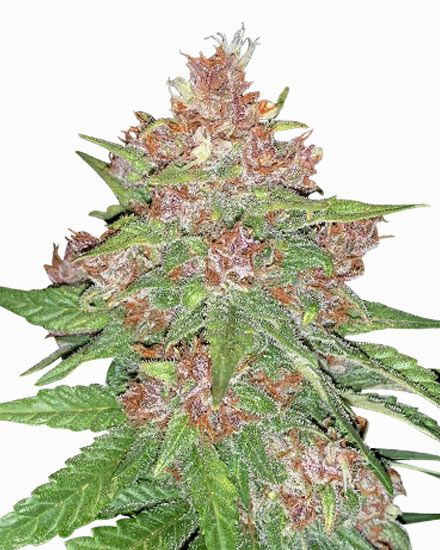
Forbidden Runtz Autoflower Seeds are indica-dominant autoflowering cannabis seeds developed from Forbidden Fruit crossed with Runtz Auto, selected by MSNL for fast finishing, straightforward cultivation, and consistent performance in warm conditions. These autoflower feminized seeds suit growers looking for high-THC potential with an easy grow process, and are not ideal for those who want long veg control or taller, photoperiod-style plants.
- Type: Indica-dominant autoflower feminized cannabis seeds
- Life Cycle: 6-8 weeks from seed to harvest (autoflowering)
- Height: Medium plants (100-180 cm)
- Flavor: Citrus-forward with berry sweetness and earthy notes
- Climate: Performs best in warm and Mediterranean conditions
- Stability: Selected for uniform autoflowering behavior and consistent development
- Not ideal for: Growers seeking extended veg control or photoperiod plant structure
Browse all Autoflower Seeds
-

-

-

| THC % | Up to 28% |
|---|---|
| Flowering Time | 6-8 Weeks |
| Outdoor harvest | May, August |
| Yield | 400-500gr/m² |
| Indica/Sativa | Indica Dominant Ruderalis |
| Height | Medium: 100cm-180cm |
| Difficulty | Easy |
| CBD Content | <1% |
| Climate | Mediterranean, Warm |
| Seed Type | Autoflower Feminized |
| Genetics | Forbidden Fruit x Runtz Auto |
| Effects | Euphoric, Relaxing |
STRAIN TRAITS
Strain Overview
Forbidden Runtz Autoflower is an indica-dominant hybrid adapted into an autoflowering format, combining Forbidden Fruit with Runtz Auto genetics for a fast cycle and modern flavor profile. It is commonly chosen by growers who want a quick turnaround strain that still delivers strong bag appeal and a sweet, fruit-leaning aroma.
This strain exists in the catalog to provide a higher-potency autoflower option that balances speed, flavor, and ease of cultivation without the longer timelines associated with photoperiod strains.
Growing Information
Forbidden Runtz Autoflower can be grown indoors or outdoors and is well suited to growers seeking a low-effort plant with predictable development. In warmer regions, it can be harvested multiple times per season, aligning with its typical May and August outdoor harvest windows.
Early stability is important due to the strain's rapid growth. Light low-stress training can be applied early to improve light distribution, but aggressive training methods are generally avoided so the plant can complete its life cycle without interruption.
Flowering Time & Yield
Forbidden Runtz Autoflower is an autoflowering feminized strain, meaning it transitions into flowering automatically without changes to the light cycle.
- Typical life cycle: 6-8 weeks from seed to harvest
- Yield potential: Under stable conditions, growers commonly report harvests in the range of 400-500 g/m2
Beginner Suitability
This strain is considered beginner-friendly due to its autoflowering nature, compact structure, and short timeline. New growers can achieve consistent results by maintaining steady light levels, moderate feeding, and stable temperatures.
Aroma, Flavor & Terpenes
Forbidden Runtz Autoflower is often described as citrus-led with berry sweetness supported by an earthy base. While terpene expression can vary by phenotype and environment, the overall profile leans toward sweet fruit tones with a grounded finish that becomes more pronounced after curing.
Why Choose This Strain
Forbidden Runtz Autoflower is a practical choice for growers who want a fast-finishing, high-THC autoflower that remains easy to manage from seed to harvest. It prioritizes speed and consistency while still delivering a modern, sweet-leaning flavor profile.
- Best for:
- Growers seeking fast autoflower harvests
- Those looking for high-THC potential in an easy grow format
- Indoor growers wanting predictable cycles
- Outdoor growers in warm climates aiming for multiple seasonal runs
Genetics & Sourcing
MSNL sources Forbidden Runtz Autoflower genetics through trusted breeding partners, focusing on stable autoflowering behavior, consistent growth traits, and reliable real-world performance.
