




Choosing the right cannabis grow lights is one of the most important decisions you'll make when growing cannabis indoors. Your lighting system directly affects plant health, growth rate, bud development, and overall yield. Even with quality genetics and proper care, plants won't reach their full potential without the right lighting.
Modern cannabis lighting has made indoor growing more accessible than ever. Whether you're using a small grow tent or a dedicated grow room, there are several lighting options available, each with different levels of efficiency, performance, and cost.
In this beginner's guide, we'll cover everything you need to know about cannabis grow lights, including lighting types, schedules, placement, and how to choose the best setup for your space. We'll also compare LED, HID, LEC, and CFL grow lights to help you understand their advantages and limitations.
By the end, you'll know how to create the ideal lighting environment for healthy cannabis plants from seedling to harvest.
Key Takeaways
- Cannabis grow lights are essential for indoor cultivation, replacing natural sunlight and supporting healthy plant growth and yields.
- Full-spectrum LED grow lights are the best option for most growers, offering energy efficiency, lower heat output, and full-cycle performance.
- Different light types (LED, HID, LEC, CFL) suit different setups, depending on your budget, grow space, and experience level.
- Light schedules are critical, with photoperiod plants needing 18/6 for vegetative growth and 12/12 for flowering, while autoflowers can stay on longer light cycles.
- Proper light placement and coverage ensure even growth, helping prevent stretching, light stress, and uneven canopy development.
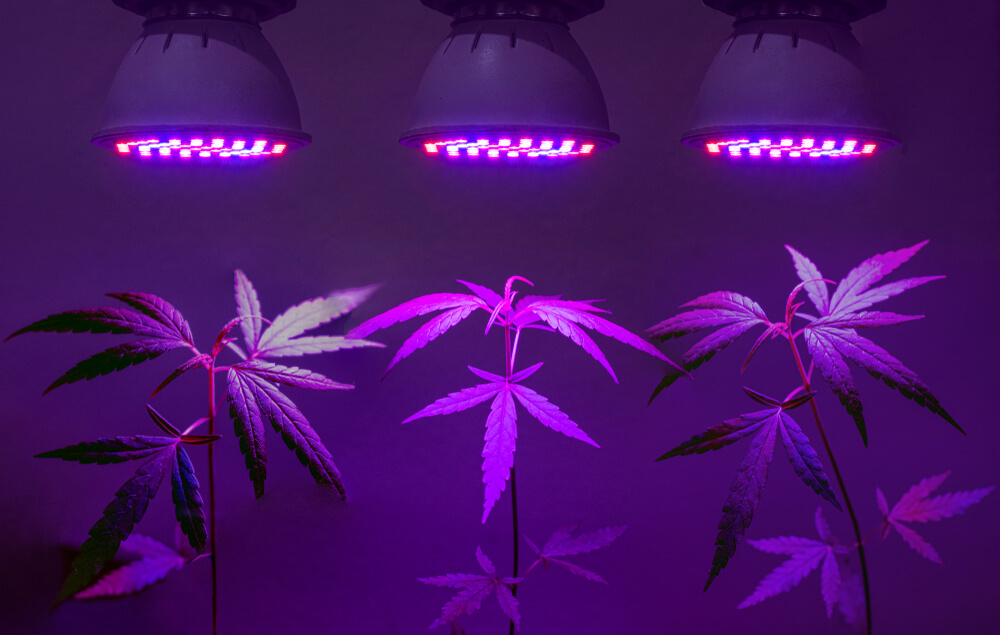
Why Cannabis Grow Lights Matter
Replacing Natural Sunlight Indoors
Growing cannabis indoors gives you complete control over your plants' environment, but it also means replacing the one thing they depend on most: sunlight. Without natural light, cannabis plants rely entirely on artificial lighting to grow, develop healthy foliage, and produce dense, resin-rich flowers. For this reason, choosing the right cannabis grow lights is one of the most important decisions you'll make when setting up an indoor garden.
The Role of Light in Plant Growth
Light powers photosynthesis, the natural process that allows cannabis plants to convert light energy into the fuel they need for growth. This energy supports every stage of the plant's life cycle, from developing roots and leaves during the vegetative stage through to the flowering stage, where cannabis plants develop dense, resin-rich buds. Even with premium genetics, quality nutrients, and proper watering, plants cannot reach their full potential without adequate lighting.
Why Lighting Is Your Most Important Investment
One of the most common mistakes beginner growers make is underestimating the importance of their lighting system. Many focus on nutrients, supplements, or expensive equipment, but none of these can compensate for poor lighting. A quality grow light provides the energy your plants need to make the most of everything else in your grow room, making it the foundation of successful indoor cannabis cultivation.
The Three Key Factors of Cannabis Lighting
When choosing cannabis lighting, there are three key factors to consider: light spectrum, intensity, and duration.
Light Spectrum
Light spectrum refers to the different wavelengths of light used by cannabis throughout its life cycle. Blue wavelengths encourage healthy seedlings, compact vegetative growth, and strong stems, while red wavelengths help promote flowering and bud development. Modern cannabis grow lights are designed to provide a balanced spectrum that supports healthy growth from seed to harvest, although each lighting technology delivers that spectrum differently.
Light Intensity
Light intensity determines how much usable light reaches your plants. If light levels are too low, plants may stretch toward the light source, producing weaker stems and smaller yields. If lights are too powerful or positioned too close to the canopy, they can cause unnecessary stress or light burn. Matching the light output to the size of your grow space and maintaining the correct hanging height allows plants to grow efficiently throughout every stage of development.
Light Duration
Light duration, often called the light cycle, is equally important. Cannabis relies on consistent periods of light and darkness to regulate its growth. Photoperiod cannabis plants require changes in their daily light schedule to trigger flowering, while autoflowering cannabis flowers according to age rather than daylight hours. Understanding these cannabis light schedules helps ensure healthy growth and successful harvests throughout every stage of cultivation.
Choosing the Right Lighting System
The type of cannabis grow lights you choose also affects heat output, electricity consumption, and the amount of ventilation your grow space requires. A small grow tent may only need an energy-efficient LED fixture, while a larger grow room may benefit from multiple lights to provide even canopy coverage. Your available space, budget, and growing experience all play an important role in selecting the right lighting system.
What Comes Next
In the following sections, we'll compare the different types of cannabis grow lights, including LED, HID, LEC, and CFL systems. We'll explain how each works, their advantages and disadvantages, the environments they're best suited for, and how to choose the right lighting solution for your indoor cannabis garden.
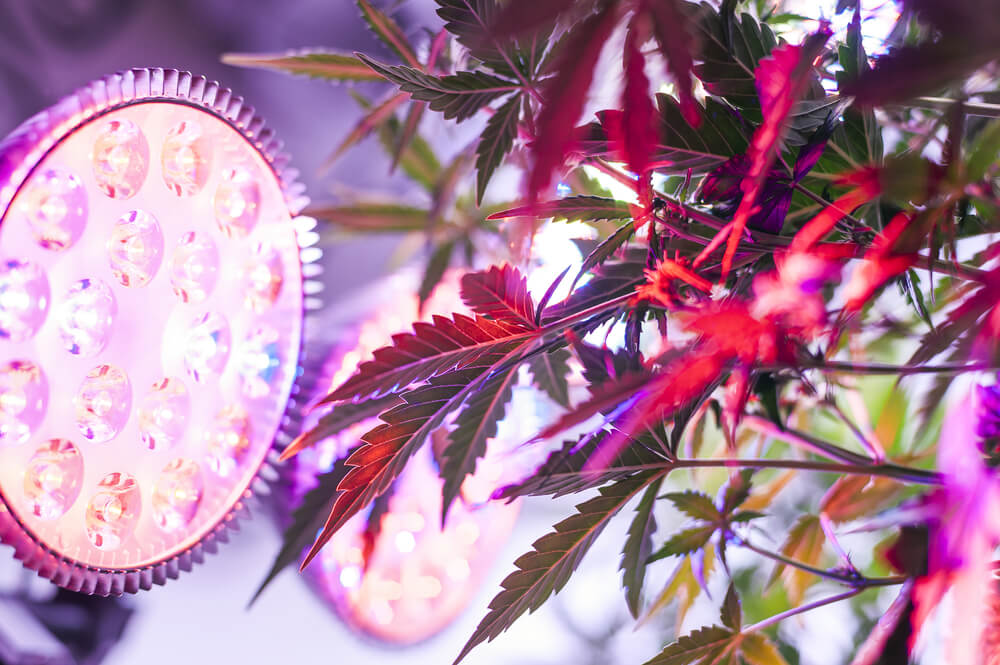
Types of Cannabis Grow Lights
There are several types of cannabis grow lights available, and each offers different advantages depending on your grow space, budget, and experience level. Some lighting systems prioritize energy efficiency, while others produce higher heat or require additional equipment to operate effectively.
Understanding the strengths and limitations of each type of cannabis lighting will help you choose the best option for your indoor garden. Below, we'll compare the four most common lighting technologies used for indoor cannabis cultivation.
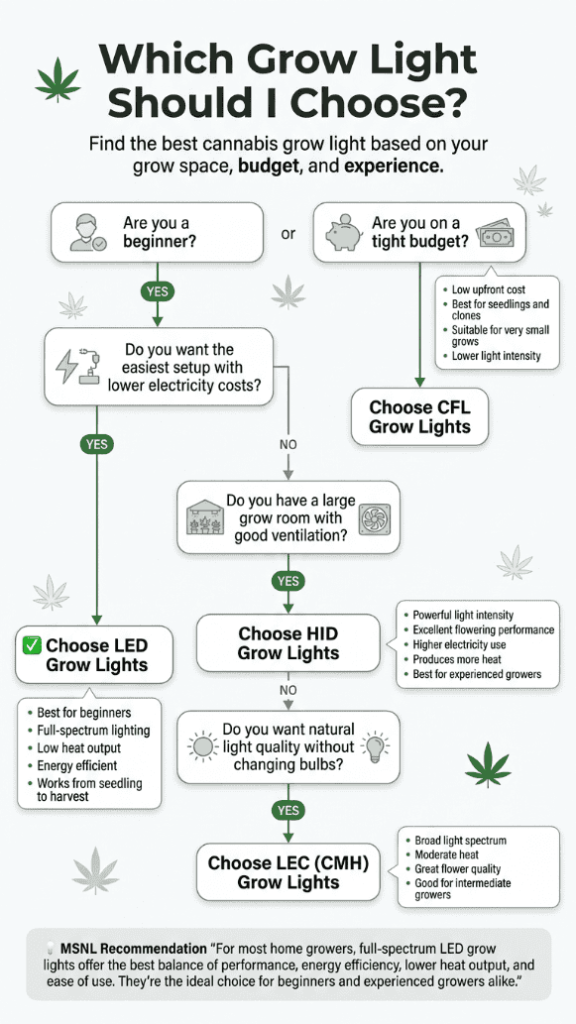
| Light | Upfront Cost | Running Cost | Heat | Lifespan | Best For |
| LED | High | Low | Low | Very long | Most growers |
| HID | Medium | High | High | Medium | Large grow rooms |
| LEC | High | Medium | Medium | Long | Experienced growers |
| CFL | Low | Medium | Low | Short | Seedlings & small grows |
If you're unsure which grow light to choose, start with a quality full-spectrum LED fixture. It offers the best combination of efficiency, lower heat output, and ease of use for most beginner and hobby growers.
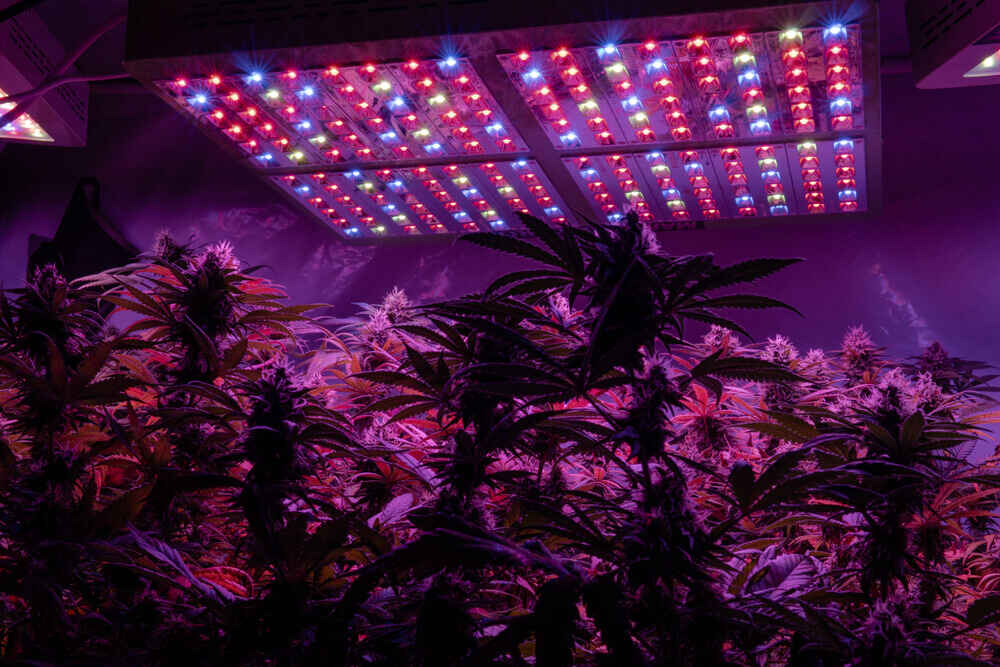
LED Grow Lights
What Are LED Grow Lights?
LED (Light Emitting Diode) grow lights have become the most popular choice for indoor cannabis cultivation. Modern full-spectrum LED fixtures are designed to replicate the wavelengths of natural sunlight, providing the light cannabis plants need throughout their entire life cycle. Unlike older lighting technologies, LEDs can be used from seedling through harvest without changing bulbs, making them one of the simplest and most versatile lighting options available.
Although LED grow lights typically cost more to purchase initially, they have become significantly more affordable in recent years. Their long lifespan, lower electricity consumption, and reduced heat output often make them the most cost-effective option over time.
LED grow lights are an excellent choice for growers starting with beginner cannabis seeds, thanks to their energy efficiency, lower heat output, and simple setup.
Advantages and Disadvantages
| Advantages | Disadvantages |
| Energy efficient, reducing electricity costs | Higher upfront purchase cost than CFL or HID systems |
| Produce less heat than HID and LEC lighting | Premium fixtures can be expensive for new growers |
| Full-spectrum lighting supports both vegetative growth and flowering | Light quality varies between manufacturers |
| Long lifespan with minimal maintenance | |
| Can be used in grow tents and grow rooms | |
| Usually require less ventilation due to lower heat output |
Best For
LED grow lights are an excellent choice for:
- Beginner growers
- Grow tents and small indoor grow rooms
- Hobby growers growing a few plants
- Growers looking to reduce electricity costs
- Long-term indoor cultivation where efficiency is important
Recommended Light Schedule
| Plant Type | Stage | Schedule |
| Photoperiod | Vegetative | 18 hours on / 6 hours off (18/6) |
| Photoperiod | Flowering | 12 hours on / 12 hours off (12/12) |
| Autoflowering | Full cycle | 18/6 or 20/4 |
Recommended Hanging Height
| Growth Stage | Distance |
| Seedlings | 24–36 inches (60–90 cm) |
| Vegetative | 18–24 inches (45–60 cm) |
| Flowering | 12–18 inches (30–45 cm) |
Always follow the manufacturer's recommendations, as high-output LED fixtures often require greater distances than entry-level models.
Electricity Consumption
One of the biggest advantages of LED grow lights is their efficiency. They typically use 30–50% less electricity than comparable HID systems while producing similar light output. Lower power consumption also means reduced heat generation, helping lower cooling and ventilation costs throughout the grow.
Grower's Tip: Choose LED grow lights for indoor cannabis. They offer strong performance, low heat, and energy efficiency. Although upfront costs are higher, their long lifespan and savings make them ideal for beginners.
HID Grow Lights
What Are HID Grow Lights?
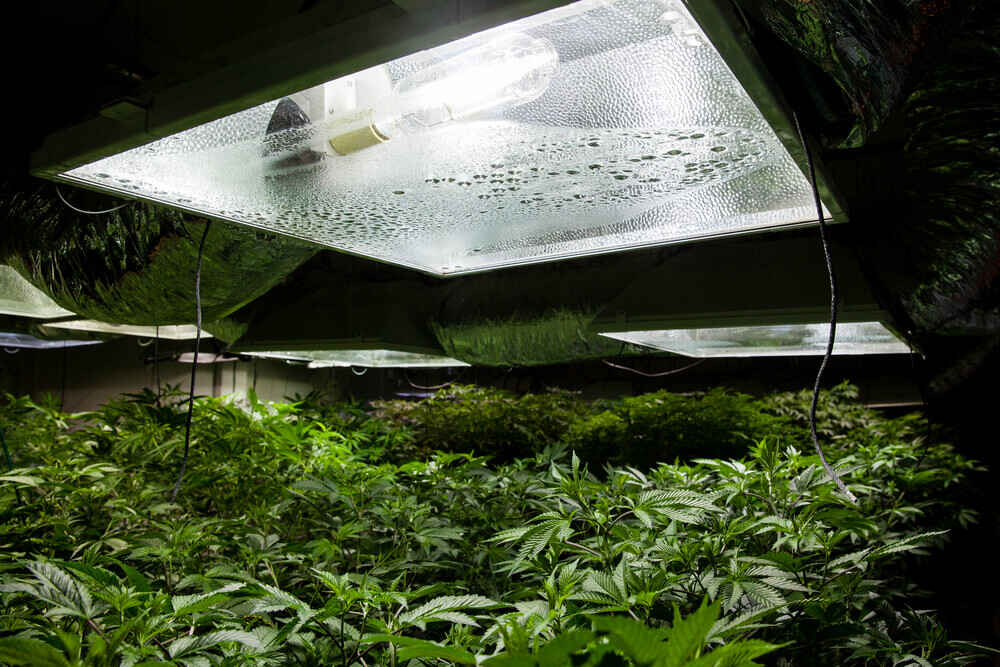
HID (High-Intensity Discharge) grow lights have been used in indoor cannabis cultivation for decades and remain a reliable option, particularly for experienced growers. Unlike LED fixtures, HID systems require a ballast to regulate electrical current and typically produce more heat during operation.
There are two main types of HID grow lights:
- Metal Halide (MH): Produces a blue-rich spectrum ideal for vegetative growth, supporting strong stems and healthy foliage.
- High-Pressure Sodium (HPS): Produces a red-orange spectrum that promotes flowering and helps develop dense buds.
Many growers switch from MH during the vegetative stage to HPS for flowering. While effective, this requires changing bulbs as plants progress through their life cycle. Despite the rise of LED lighting, HID systems still perform well, especially in larger grow rooms where heat can be managed.
Advantages and Disadvantages
| Advantages | Disadvantages |
| Proven and reliable technology | Produces more heat than LED grow lights |
| High light intensity for strong growth and flowering | Higher electricity consumption |
| HPS lights are highly effective for bud production | Requires ballast and reflector |
| Lower upfront cost than many premium LED systems | Bulbs need periodic replacement |
| Suitable for larger grow spaces | Requires additional ventilation or cooling |
Best For
HID grow lights are best suited for:
- Experienced growers
- Medium to large grow rooms
- Growers with proper ventilation and heat control
- Those prioritizing strong flowering performance
Recommended Light Schedule
| Plant Type | Stage | Schedule |
| Photoperiod | Vegetative (MH) | 18/6 |
| Photoperiod | Flowering (HPS) | 12/12 |
| Autoflowering | Full cycle | 18/6 or 20/4 |
Recommended Hanging Height
| Growth Stage | Distance |
| Seedlings | 24–36 inches (60–90 cm) |
| Vegetative (MH) | 18–24 inches (45–60 cm) |
| Flowering (HPS) | 18–24 inches (45–60 cm) |
Because HID lights generate significant heat, monitor canopy temperatures closely. A simple hand test—holding your hand at canopy level for 30 seconds—can help determine if the light is too close.
Electricity Consumption
HID grow lights use more electricity than LEDs and produce more heat. This often requires additional cooling equipment such as fans or air conditioning, increasing overall operating costs.
Grower's Tip: HID grow lights can still produce excellent results, especially in larger grow rooms. However, for most home growers, the higher heat and energy use make them less practical than LED systems. If you can manage the heat effectively, HID lighting remains a powerful option.
LEC (Ceramic Metal Halide) Grow Lights
What Are LEC Grow Lights?
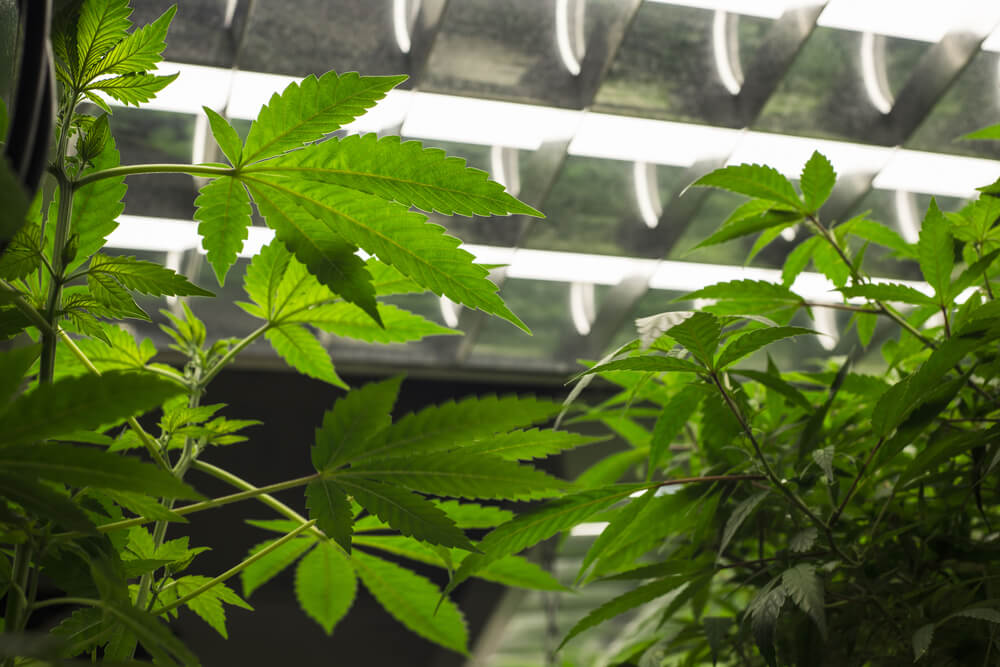
LEC (Light Emitting Ceramic), also known as Ceramic Metal Halide (CMH) grow lights, are a type of High-Intensity Discharge (HID) lighting that uses a ceramic arc tube instead of the quartz tube found in traditional Metal Halide lamps. This design produces a broader, more balanced light spectrum while generating less heat than standard HID systems.
Many growers value LEC lights because their output closely resembles natural sunlight, making them suitable for both vegetative growth and flowering without needing to switch bulbs. They also produce high levels of Photosynthetically Active Radiation (PAR), helping cannabis plants grow efficiently and develop healthy flowers.
Although LED technology has become more popular, LEC lighting remains a solid option for growers who want high-quality light with proven HID performance.
Advantages and Disadvantages
| Advantages | Disadvantages |
| Broad, natural-looking light spectrum | More expensive than traditional HID systems |
| Less heat than MH or HPS lights | Higher electricity use than LED grow lights |
| Suitable for both vegetative and flowering stages | Requires a ballast and reflector |
| High PAR output supports strong plant growth | Replacement bulbs can be costly |
| Better color rendering for plant inspection | Less widely available than LED fixtures |
Best For
LEC grow lights are ideal for:
- Intermediate and experienced growers
- Growers wanting a full-cycle light without bulb changes
- Medium-sized grow rooms
- Indoor setups with proper ventilation
- Those seeking an alternative to traditional HID lighting
Recommended Light Schedule
| Plant Type | Stage | Schedule |
| Photoperiod | Vegetative | 18 hours on / 6 hours off (18/6) |
| Photoperiod | Flowering | 12 hours on / 12 hours off (12/12) |
| Autoflowering | Full cycle | 18/6 or 20/4 |
Recommended Hanging Height
| Growth Stage | Distance |
| Seedlings | 30–36 inches (75–90 cm) |
| Vegetative | 24 inches (60 cm) |
| Flowering | 18–24 inches (45–60 cm) |
Monitor plants for heat stress and adjust height as needed. Following manufacturer guidelines helps ensure even light coverage and prevents light burn.
Electricity Consumption
LEC grow lights are more efficient than traditional MH and HPS systems but still use more electricity than modern LED fixtures. They also produce moderate heat, so proper ventilation and airflow are necessary to maintain stable temperatures.
Grower's Tip: LEC grow lights offer a strong balance between traditional HID performance and improved light quality. They can produce excellent results, especially in well-ventilated grow rooms. However, for most beginners, LED grow lights remain the more practical long-term choice due to lower energy costs, reduced heat, and easier setup.
CFL Grow Lights
What Are CFL Grow Lights?
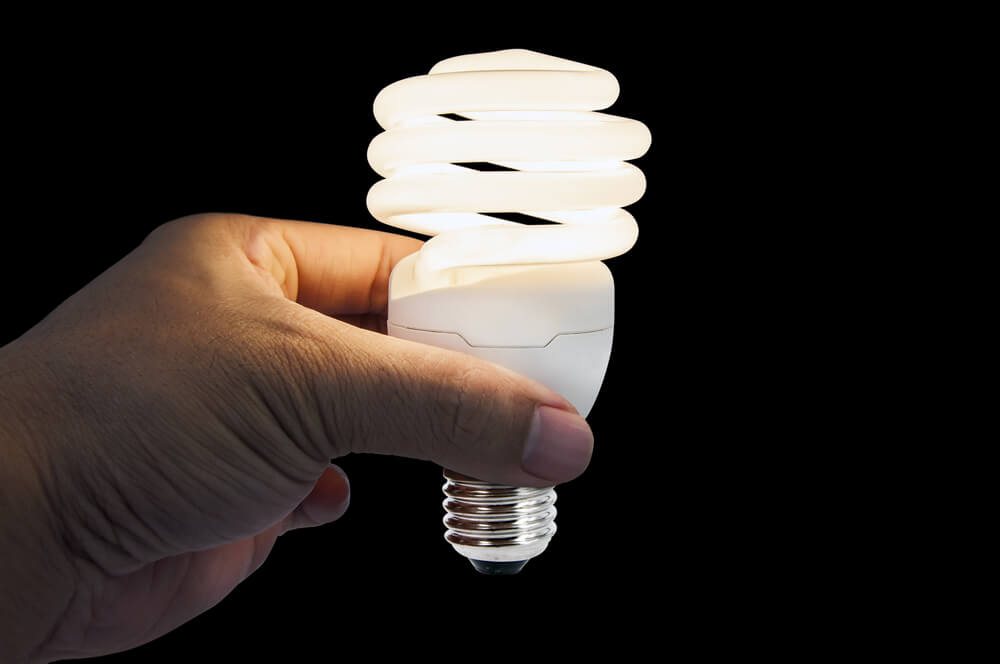
Compact Fluorescent Lamps (CFLs) were once a popular choice for beginner growers because they are inexpensive, easy to install, and widely available. Unlike HID and LEC systems, CFL bulbs have built-in ballasts and fit standard household light sockets, making them one of the simplest lighting options for small indoor grows.
Although CFL grow lights have largely been replaced by modern LED technology, they still have a place in cannabis cultivation. Their low heat output makes them ideal for seedlings, clones, and young plants that require gentle lighting. However, they produce much lower light intensity than LED, HID, or LEC systems, making them less effective during the flowering stage when cannabis plants demand more energy.
For growers working with limited space or a tight budget, CFLs can provide an affordable introduction to indoor cannabis cultivation. However, most growers eventually upgrade to more powerful lighting systems as their experience and grow size increase.
Advantages and Disadvantages
| Advantages | Disadvantages |
| Affordable and widely available | Lower light intensity than LED, HID, or LEC grow lights |
| Easy to install using standard light sockets | Not suitable for producing large, dense flowers |
| Produce very little heat | Less energy efficient than modern LED fixtures |
| Ideal for seedlings, clones, and propagation | Multiple bulbs may be needed for adequate coverage |
| No external ballast required | Bulbs have a shorter lifespan than LED grow lights |
Best For
CFL grow lights are best suited for:
- Beginner growers on a limited budget.
- Seedlings and newly rooted clones.
- Small propagation areas.
- Micro grows with limited vertical space.
- Growers looking for a simple, low-cost lighting solution.
Recommended Light Schedule
| Plant Type | Stage | Schedule |
| Photoperiod | Vegetative | 18 hours on / 6 hours off (18/6) |
| Photoperiod | Flowering* | 12 hours on / 12 hours off (12/12) |
| Autoflowering | Full cycle | 18/6 or 20/4 |
*While CFL lights can be used during flowering, they generally do not provide enough intensity to produce the same yields and bud density as LED, HID, or LEC grow lights.
Recommended Hanging Height
| Growth Stage | Distance |
| Seedlings | 2–4 inches (5–10 cm) |
| Vegetative | 2–6 inches (5–15 cm) |
| Flowering | 4–8 inches (10–20 cm) |
Because CFL bulbs produce relatively little heat, they can be positioned much closer to the plant canopy than most other lighting technologies. However, plants continue to grow rapidly, so check the distance regularly to ensure leaves don't touch the bulbs.
Electricity Consumption
CFL grow lights use less electricity than HID and LEC systems but are generally less efficient than modern LED fixtures. Although the bulbs themselves consume relatively little power, multiple CFL bulbs are often needed to provide enough light for larger grow spaces, reducing their overall efficiency compared to a single full-spectrum LED fixture.
Grower's Tip: CFL grow lights suit seedlings, clones, and small grows, but aren’t ideal for full cycles. Upgrading to full-spectrum LEDs improves plant health, yields, and efficiency, making CFLs better as starter or supplemental lighting.
Indoor Cannabis Light Schedules
One of the biggest advantages of growing cannabis indoors is being able to control exactly how much light your plants receive each day. Using a timer, you can recreate the changing seasons, encouraging healthy vegetative growth before triggering flowering when the plant is ready.
The light schedule you use depends on the type of cannabis you're growing. Photoperiod cannabis flowers when it receives longer periods of uninterrupted darkness, while autoflowering cannabis flowers according to age, allowing it to remain on the same light schedule throughout its entire life cycle.
Recommended Cannabis Light Schedules
| Growth Stage | Photoperiod Cannabis | Autoflowering Cannabis |
| Seedlings | 18–24 hours of light | 18–24 hours of light |
| Vegetative Growth | 18 hours on / 6 hours off (18/6) | 18/6 or 20/4 |
| Flowering | 12 hours on / 12 hours off (12/12) | Continue with 18/6 or 20/4 |
Most indoor growers use an 18/6 schedule during vegetative growth because it provides plenty of light while giving plants a regular dark period. Autoflowering plants can continue on an 18/6 or 20/4 schedule from seed to harvest since they don't rely on changes in daylight to begin flowering.
Photoperiod cannabis requires a 12 hours on / 12 hours off (12/12) schedule to trigger flowering. This longer dark period signals the plant that autumn has arrived, encouraging it to stop producing leaves and begin developing flowers. Once flowering begins, it's important to keep the dark period completely uninterrupted, as light leaks can stress plants, delay flowering, or increase the risk of hermaphroditism. Autoflowering cannabis plants can remain on an 18/6 or 20/4 autoflower light schedule throughout their entire life cycle.
Some experienced growers shorten the light cycle to 10 hours of light and 14 hours of darkness (10/14) during the final week or two before harvest to mimic the shorter days of late autumn. While this technique may help encourage plants to finish naturally, the benefits are generally modest. For most growers, maintaining a consistent 12/12 schedule throughout flowering is the simplest and most reliable approach.
Grower's Tip: A programmable timer helps maintain consistent light cycles for indoor cannabis grows. It prevents mistakes, reduces manual effort, and ensures plants receive reliable daily lighting for healthy growth and flowering.
Grow Light Placement and Coverage
Choosing the right cannabis grow lights is only part of building a successful indoor garden. Proper placement and coverage are just as important. Poor positioning can lead to uneven growth, stretched plants, reduced yields, and wasted energy—even with high-quality lighting.
Before buying a light, measure your grow space and compare it with the manufacturer’s recommended flowering coverage area. Modern LED fixtures vary widely in efficiency, so coverage is a more reliable guide than wattage.
Choosing the Right Coverage
Use this general guide to match your grow space with the correct lighting:
| Grow Space | Recommended Coverage |
| 2 × 2 ft (60 × 60 cm) | One light for a 2 × 2 ft flowering area |
| 3 × 3 ft (90 × 90 cm) | One light for a 3 × 3 ft flowering area |
| 4 × 4 ft (120 × 120 cm) | One light for a 4 × 4 ft flowering area |
| Larger grow rooms | Multiple fixtures with overlapping coverage |
Always choose lights based on coverage, not wattage. Two lights with the same wattage can produce very different results.
Grow Tent Light Placement
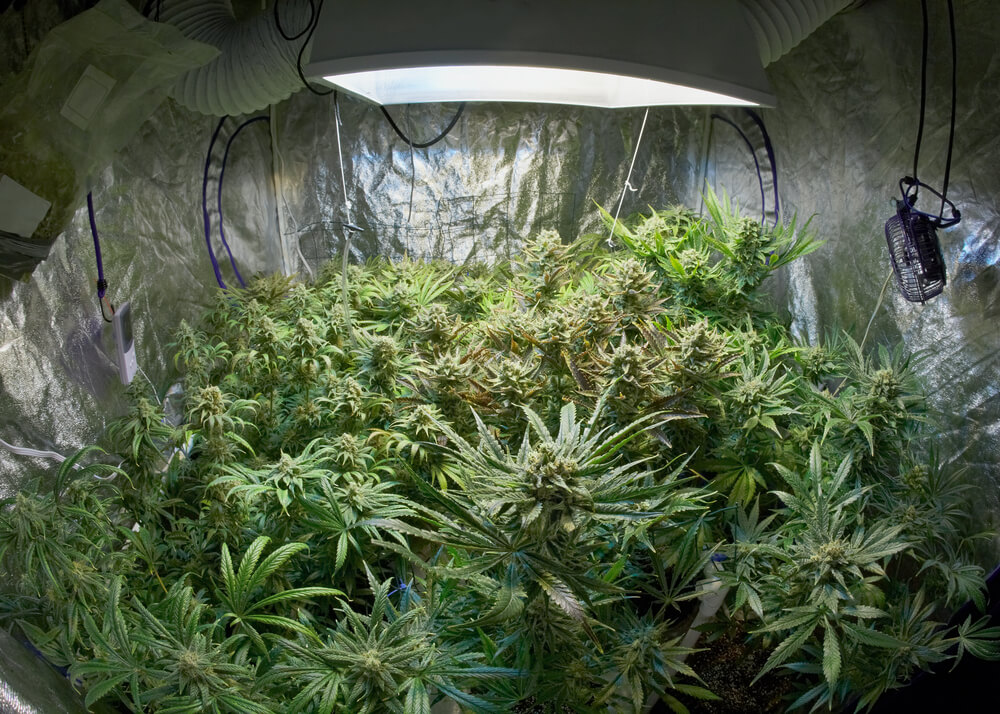
Grow tents are designed for efficiency. Their reflective Mylar walls bounce light back onto the canopy, improving distribution and reducing waste.
For best results:
| Recommendation | Why It Matters |
| Center the light in the tent | Ensures even coverage across the canopy |
| Match light to tent size | Prevents dark spots or excessive intensity |
| Adjust height as plants grow | Maintains proper distance and avoids stress |
| Leave space above for ventilation | Helps remove heat efficiently |
| Use adjustable hangers | Makes height adjustments quick and easy |
Keep your canopy level as plants grow. An even canopy ensures all plants receive similar light intensity. If some plants grow taller, use training techniques like low-stress training (LST) techniques or raise shorter plants to maintain balance.
Grow Room Light Placement
Grow rooms typically require multiple fixtures to cover a larger area. Proper spacing is key to achieving consistent light distribution.
| Recommendation | Why It Matters |
| Space lights evenly | Creates uniform coverage |
| Overlap coverage slightly | Eliminates dark spots between fixtures |
| Use reflective surfaces | Improves efficiency and light distribution |
| Allow space for airflow | Helps manage heat and protect plants |
| Plan layout before setup | Simplifies maintenance and plant access |
Avoid relying on a single large fixture, as it can create hot spots in the center and weak lighting at the edges.
Grower’s Tip: Observe plants closely. If they lean or grow unevenly, adjust lighting or canopy instead of increasing intensity. Rotate plants and maintain an even canopy to improve light distribution and achieve healthier, consistent yields.
Indoor Grow Light Safety Tips
Setting up cannabis grow lights involves electricity, heat, and water, so safety should always be part of your indoor growing routine. A well-planned grow room or grow tent not only protects your equipment but also helps create a stable environment where cannabis plants can thrive.
The following tips will help you operate your lighting system safely while reducing the risk of equipment failure or electrical hazards.
| Safety Tip | Why It Matters |
| Avoid overloading electrical outlets or extension leads. | Grow lights, fans, and other equipment draw significant power and can overheat overloaded circuits. |
| Keep electrical equipment off the floor. | Position power strips, timers, and ballasts away from standing water or nutrient spills. |
| Use a programmable timer. | Maintains consistent light schedules and eliminates the risk of forgetting to switch lights on or off. |
| Secure grow lights properly. | Use quality rope ratchets or hanging hardware to prevent lights from falling onto plants or equipment. |
| Check cables and plugs regularly. | Replace damaged cords immediately to reduce the risk of electrical faults or fire. |
| Maintain good airflow around lighting. | Proper ventilation removes excess heat and helps extend the lifespan of your lighting equipment. |
If you're using HID or LEC grow lights, remember that these systems require a compatible ballast to operate correctly. Always use the ballast recommended by the manufacturer and ensure it has adequate ventilation, as ballasts generate heat during operation.
During the flowering stage, avoid entering your grow room or grow tent during the dark period unless absolutely necessary. Interrupting the dark cycle with light can stress photoperiod cannabis plants and may delay flowering or affect bud development.
Grower's Tip: Keep your grow room clean and organized. Secure cables, label timers and plugs, and place equipment for easy inspection. A tidy space improves safety and simplifies watering, training, and harvesting tasks.
Frequently Asked Questions
What are the best grow lights for cannabis?
For most indoor growers, full-spectrum LED grow lights are considered the best option. They are energy efficient, produce less heat than HID lighting, and provide the light spectrum needed for every stage of cannabis growth. While HID, LEC, and CFL lights can all grow cannabis successfully, LED fixtures offer the best balance of performance, running costs, and ease of use for most home growers.
Will aquarium grow lights grow cannabis?
Aquarium lights may keep cannabis plants alive during the seedling stage, but they generally don't provide the light intensity or spectrum needed for healthy vegetative growth and flowering. If you're growing cannabis indoors, use a dedicated full-spectrum grow light designed for plants to achieve the best results.
How many hours of light does cannabis need?
The answer depends on the type of cannabis you're growing. Photoperiod plants typically receive 18 hours of light and 6 hours of darkness (18/6) during the vegetative stage before switching to 12 hours of light and 12 hours of darkness (12/12) to trigger flowering. Autoflowering cannabis can remain on an 18/6 or 20/4 schedule throughout its entire life cycle.
How far should grow lights be from cannabis plants?
The ideal hanging height depends on the type of grow light and its intensity. LED, HID, LEC, and CFL lights all have different recommended distances from the plant canopy. Always follow the manufacturer's guidelines and monitor your plants for signs of stretching, bleaching, or heat stress. Raising or lowering the fixture as your plants grow helps maintain healthy development.
Can I use the same grow light from seedling to harvest?
Yes, provided the grow light is suitable for the entire growing cycle. Most modern full-spectrum LED grow lights are designed to support cannabis from seedling through harvest without changing bulbs. Some HID growers use Metal Halide (MH) lighting during vegetative growth before switching to High-Pressure Sodium (HPS) for flowering, while LEC grow lights can generally be used throughout the full life cycle.


