




Growing healthy cannabis seedlings is one of the most important steps in producing vigorous, high-yielding plants. The cannabis seedling stage lasts only a short time, but the care your plants receive during these first two weeks lays the foundation for healthy root development, strong stems, and successful vegetative growth. In this guide, you'll learn how to grow cannabis seedlings, including the ideal temperature, humidity, lighting, watering, and feeding requirements. We'll also explain how to identify and fix common seedling problems, when to transplant, and the best practices to help your young cannabis plants thrive.
Key Takeaways
- The cannabis seedling stage begins immediately after germination and typically lasts 10–14 days, during which the plant establishes its root system and produces its first true leaves.
- Healthy cannabis seedlings thrive in temperatures of 20–25°C (68–77°F) with a relative humidity of 60–70%.
- Water seedlings only when the growing medium begins to dry, as overwatering is one of the most common causes of seedling problems.
- Most seedlings grown in lightly amended soil do not require nutrients until they develop 3–4 nodes, while seedlings grown in coco coir may require earlier feeding.
- Use a light, well-draining growing medium and containers with good drainage to encourage healthy root development.
- Cannabis seedlings should be transplanted once their roots fill the starter pot or begin emerging from the drainage holes.
- Stretching is usually caused by insufficient light and can be corrected by improving light intensity, airflow, and transplanting deeper when appropriate.
- Damping off is largely preventable through proper watering, good airflow, clean growing media, and careful environmental control.
- When Does the Cannabis Seedling Stage Start?
- Choosing the Correct Soil and Pots
- Creating the Perfect Climate for Your Seedlings
- Watering Your Cannabis Seedlings
- How to Tell if Your Cannabis Seedlings Are Overwatered or Underwatered
- How to Fix Overwatered and Underwatered Cannabis Seedlings
- Should I Give My Seedlings Nutrients?
- How to Fix Stretching Cannabis Seedlings
- How to Prevent Damping Off in Cannabis Seedlings
- Frequently Asked Questions
When Does the Cannabis Seedling Stage Start?
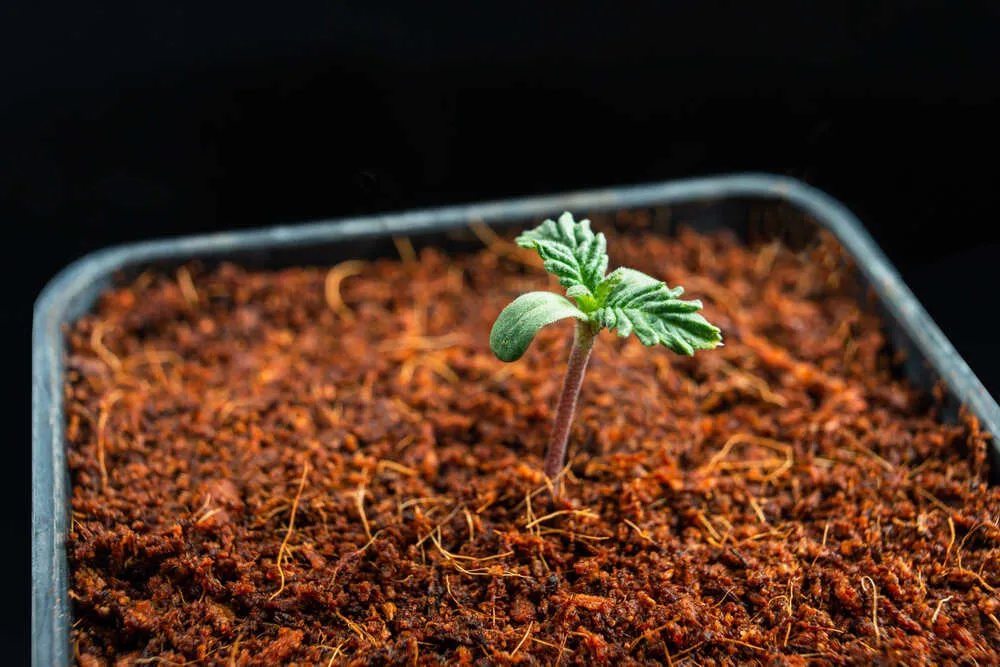
The cannabis seedling stage begins immediately after germination, once the seed has produced a healthy taproot and the young plant breaks through the growing medium. This stage typically lasts 10–14 days, during which the seedling develops its cotyledons (seed leaves), first true leaves, and an expanding root system before entering the vegetative stage.
If you haven't started your grow yet, learn how to germinate marijuana seeds before choosing the paper towel, water, or direct planting method. Each method can produce healthy seedlings when moisture, temperature, and cleanliness are carefully maintained.
Paper Towel Method
The paper towel method is one of the most popular germination techniques because it allows you to monitor seed development before planting. Place the seeds between two damp paper towels, ensuring they are moist but not saturated, and cover them with a second plate to retain humidity and exclude light.
Under warm conditions (around 21–25°C (70–77°F)), most viable seeds produce a taproot within 24–72 hours, although some cultivars may naturally take longer.
Germinating Cannabis Seeds in Water
Soaking cannabis seeds in water is another simple and effective germination method. Place the seeds in a glass or bottle of clean, room-temperature water with a low mineral content and keep them in a dark, warm location.
Most seeds sink within 24–36 hours as they absorb water, while the shell usually cracks and reveals a taproot within 3–5 days. Once the taproot appears, transfer the seed carefully into its growing medium.
Direct Planting
Many growers prefer planting seeds directly into soil or coco coir, particularly when growing outdoors or when they want to minimise handling of the delicate taproot. Plant the seed approximately 1 cm (½ inch) deep in a lightly moistened growing medium and keep the environment consistently warm and humid.
Although direct planting may take slightly longer than other germination methods, seedlings generally emerge from the soil within 5–7 days under favorable conditions.
Once the seedling emerges above the surface and opens its cotyledons, the seedling stage has officially begun. During the next two weeks, the plant focuses on establishing a healthy root system before entering the vegetative stage, where growth accelerates.
Actionable Tip: Keep the germination medium moist, not waterlogged, and transplant the seed taproot-down once it reaches 0.5–1 cm (¼–½ inch) long to encourage healthy root development.
Choosing the Correct Soil and Pots
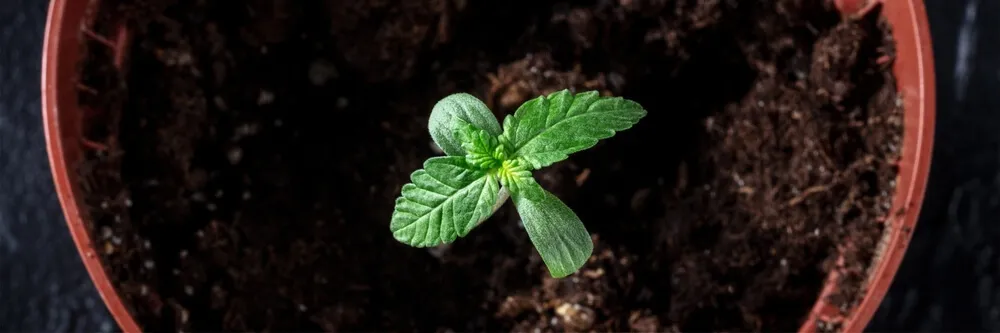
Selecting the right growing medium and container gives cannabis seedlings the best chance of developing a healthy root system. During the seedling stage, roots require plenty of oxygen as well as consistent moisture, so choose a light, well-draining medium that won’t become compacted or retain excess water.
What Is the Best Soil for Cannabis Seedlings?
Cannabis seedlings grow best in a light, airy growing medium with excellent drainage and only a small amount of nutrients. Rich potting soils designed for mature plants can overwhelm young seedlings, increasing the risk of nutrient burn and slowing early growth.
Using the best soil for growing weed gives cannabis seedlings the ideal balance of drainage, aeration, and moisture retention needed for healthy root development.
A quality seed-starting mix or a blend of coco coir and perlite provides an ideal balance of moisture retention and aeration. If you prefer making your own mix, adding a small amount of worm castings or compost can provide gentle nutrition, but avoid heavily amended soils during the first two weeks of growth.
Whichever medium you choose, ensure it drains freely while holding enough moisture to support healthy root development. As seedlings enter the vegetative stage, nutrients can be introduced gradually.
Choosing the Right Pot for Seedlings
Small containers help seedlings establish a compact, healthy root system before being transplanted. Pots between 0.25–0.5 liters (8–16 oz) are ideal during the first 7–10 days, as they are easier to water correctly and reduce the risk of overwatering.
Both plastic nursery pots and fabric pots can produce healthy seedlings. Plastic pots retain moisture for longer, making them a practical choice for beginners, while fabric pots improve airflow around the root zone and help reduce the risk of overwatering. Regardless of the container, always ensure it has adequate drainage holes.
Once roots begin filling the container or emerge from the drainage holes, it's time to transplant your cannabis plants into a larger pot. Photoperiod plants generally benefit from one or two transplants before reaching their final container.
Autoflowering cannabis varieties respond differently. Because they have a shorter life cycle and recover more slowly from stress, it’s usually best to plant autoflower seeds directly into their final container, typically 11–15 liters (3–4 gallons).
Actionable Tip: Choose a light, well-draining growing medium and start seedlings in small pots with good drainage. Transplant photoperiod plants once roots fill the container, while growing autoflowers in their final pot from the beginning helps minimize transplant stress.
Creating the Perfect Climate for Your Seedlings
Providing the right environment during the cannabis seedling stage encourages healthy root development, sturdy stems, and steady growth. If you're growing for the first time, choosing beginner cannabis seeds can make the seedling stage much easier to manage thanks to their resilience and ease of cultivation.
Temperature
Cannabis seedlings grow best at daytime temperatures of 20–25°C (68–77°F), but it's also worth understanding the best temperature to grow cannabis throughout every stage of development. At night, temperatures can be reduced slightly to 16–20°C (60–68°F) to mimic natural conditions without slowing growth.
Avoid temperatures above 27°C (80°F), as excessive heat can cause seedlings to stretch, dry out, or become stressed. Likewise, temperatures below 13°C (55°F) can slow root development and stunt growth.
Humidity
Maintaining a relative humidity of 60–70% helps seedlings absorb moisture while their root systems are still developing. If humidity is too low, seedlings can dry out quickly, while excessive humidity with poor airflow may encourage fungal diseases such as damping off.
Maintaining the correct humidity is essential for healthy seedlings, so understanding grow room humidity control for marijuana plants can help you create the ideal growing environment.
A humidifier or humidity dome can help maintain the ideal environment during the first few days after germination. If using a humidity dome, provide adequate ventilation each day to prevent excess moisture from building up.
Light
Cannabis seedlings require gentle but consistent light to produce short, sturdy stems and healthy foliage. An 18-hour light and 6-hour dark cycle is widely used by indoor growers and provides plenty of energy for early growth.
An 18/6 light cycle is ideal for seedlings, although understanding the different light schedules for growing cannabis plants will help you optimise growth throughout the entire lifecycle.
Fluorescent lights or dimmable LED grow lights are both suitable for seedlings. Position lights approximately 15–30 cm (6–12 inches) above the canopy, adjusting the height according to the manufacturer's recommendations and the plant's response to prevent stretching or light stress.
Actionable Tips: Use a digital thermometer and hygrometer to monitor your grow space daily, making small adjustments to temperature, humidity, or light height rather than large changes that can stress young seedlings.
Watering Your Cannabis Seedlings
Proper watering is one of the most important aspects of caring for cannabis seedlings. During the first two weeks of growth, the roots are small and require consistent moisture, but overly wet soil can quickly lead to oxygen deprivation, root rot, or fungal diseases. The goal is to keep the growing medium evenly moist without becoming waterlogged.
How Often Should You Water Cannabis Seedlings?
There is no fixed watering schedule, and learning how to water your cannabis plants correctly throughout every stage of growth will help prevent common seedling problems. Instead of watering on set days, check the soil regularly. If the top layer feels dry and the pot is noticeably lighter, it's usually time to water again.
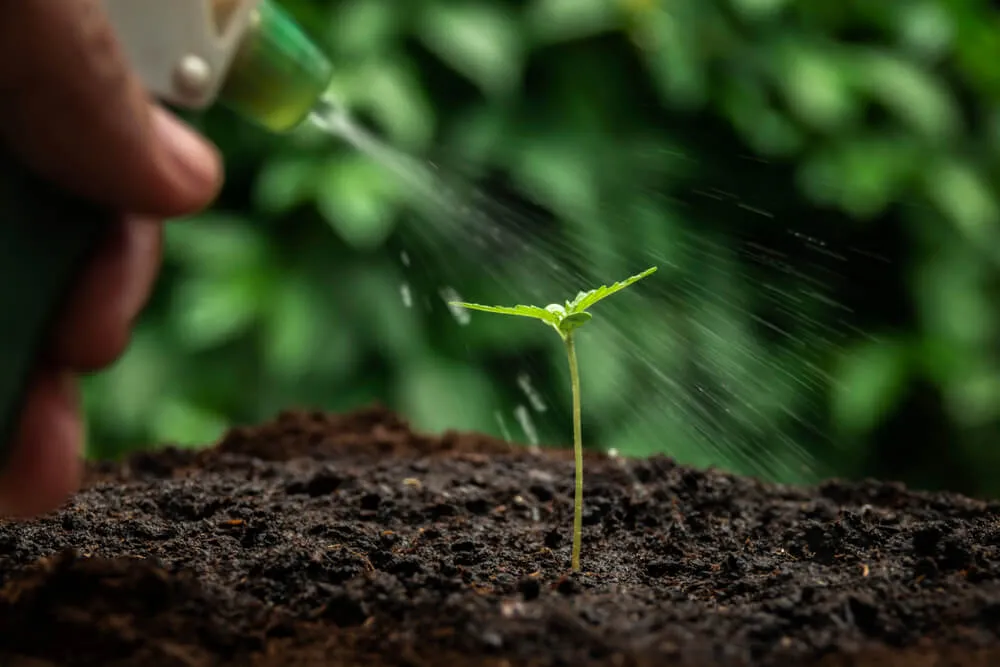
Apply water slowly around the base of the seedling to encourage roots to grow outward. Avoid soaking the entire pot during the first few days, as excess moisture can slow root development.
Signs of Overwatering and Underwatering
| Condition | Symptoms |
| Overwatering | Drooping or wilting leaves despite wet soil |
| Yellowing foliage | |
| Soil that remains damp for several days | |
| Mold or fungal growth on the soil surface | |
| Underwatering | Dry, brittle leaves |
| Wilting with dry soil | |
| Slow or stunted growth | |
| Thin, papery foliage |
Correct watering is about finding a balance. Allowing the growing medium to dry slightly between waterings encourages roots to search for moisture, resulting in a stronger, healthier root system.
Actionable Tip: Use a spray bottle or watering can with a fine nozzle for gentle watering, especially in the early stages. A spray bottle mist will increase humidity levels helping maintain a consistent humidity level.
How to Tell if Your Cannabis Seedlings Are Overwatered or Underwatered
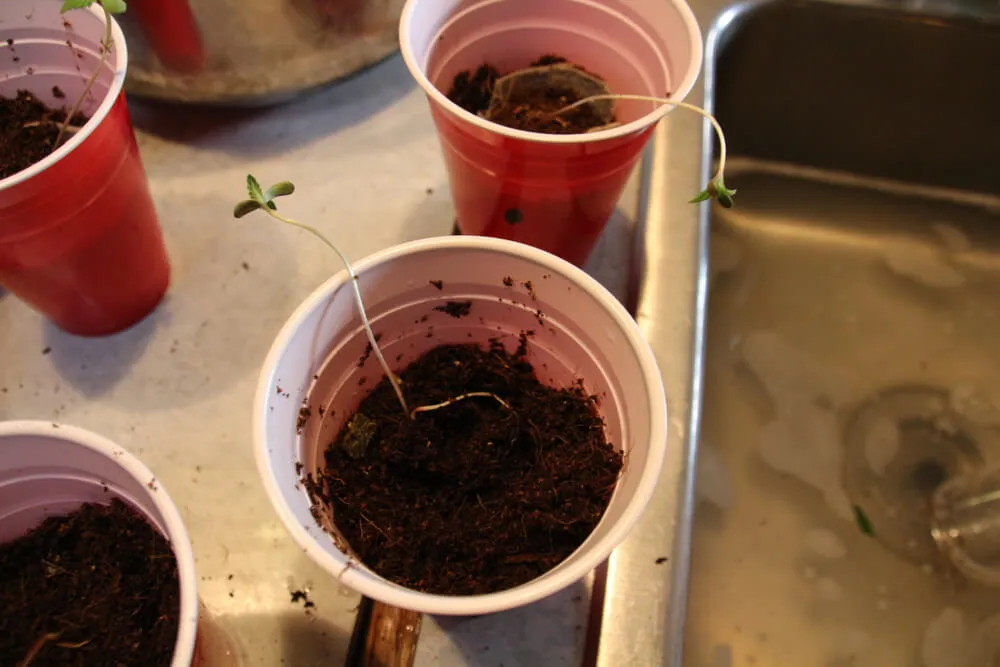
Drooping leaves don't always mean your cannabis seedling needs water. In fact, both overwatering and underwatering can cause seedlings to wilt, making it difficult to identify the problem at first glance. The most reliable way to tell the difference is to check the moisture level of the growing medium before looking at the plant's symptoms.
Start by feeling the soil and lifting the pot. If the growing medium is still wet and the container feels heavy several days after watering, overwatering is the most likely cause. If the soil feels dry, crumbly, and the pot is noticeably lighter, your seedlings probably need water.
Quick Comparison
| Indicator | Overwatered Seedlings | Underwatered Seedlings |
| Growing medium | Wet, heavy, slow to dry | Dry, light, crumbly |
| Leaf appearance | Droopy, swollen, yellowing | Limp, thin, dry or crispy |
| Growth | Slow or stalled | Slow due to lack of moisture |
| Pot weight | Heavy | Light |
Signs of Overwatered Seedlings
Overwatering deprives the roots of oxygen, making it difficult for seedlings to absorb water and nutrients. As a result, plants often appear unhealthy even though the growing medium is saturated.
| Symptom | Description |
| Drooping leaves | Leaves appear heavy and wilted despite wet soil. |
| Yellowing foliage | Leaves gradually lose their healthy green colour. |
| Persistently wet soil | The growing medium remains damp for several days after watering. |
| Mold or algae | Fungal growth may appear on the soil surface due to excess moisture. |
| Slow growth | Seedlings stop developing or become noticeably stunted. |
Signs of Underwatered Seedlings
Underwatered seedlings wilt because they cannot absorb enough moisture to support healthy growth. Unlike overwatered plants, the growing medium will feel dry and the container will be much lighter.
| Symptom | Description |
| Limp or wilted leaves | Leaves droop due to a lack of moisture. |
| Dry, brittle leaf edges | Leaf tips and edges become crispy or fragile. |
| Dry growing medium | Soil feels dry and crumbly to the touch. |
| Lightweight pots | Containers feel noticeably lighter than after watering. |
| Slow growth | New growth becomes smaller and development slows. |
Actionable Tip: If your seedlings begin to droop, always check the growing medium before watering. Wet soil usually indicates overwatering, while dry soil and a lightweight pot are strong signs your seedlings need water.
How to Fix Overwatered and Underwatered Cannabis Seedlings
Most cannabis seedlings can recover from watering issues if the problem is caught early. The key is to correct the moisture level gradually, avoid adding extra stress, and monitor the plant closely over the next few days.
How to Fix Overwatered Seedlings
- Stop watering immediately. Allow the growing medium to begin drying before adding more water.
- Check drainage. Make sure the pot has drainage holes and remove any standing water from trays or saucers.
- Improve airflow. Use a small oscillating fan on a gentle setting to help the growing medium dry more evenly.
- Wait before watering again. Only water once the top layer of the growing medium feels dry and the pot feels noticeably lighter.
- Transplant if necessary. If the soil remains saturated or the seedling continues to decline, move it carefully into fresh, well-draining growing medium.
How to Fix Underwatered Seedlings
- Water slowly at the base. Apply water gently around the root zone rather than flooding the entire pot.
- Allow the medium to absorb moisture. If the soil is very dry, water in small amounts over several minutes so it can rehydrate evenly.
- Check for drainage. Make sure excess water can escape from the pot after watering.
- Monitor the seedling closely. Leaves should begin to perk up once moisture returns to the root zone.
- Adjust your watering routine. Check the pot weight and soil moisture daily to prevent the growing medium from drying out completely again.
Actionable Tips: Water shortly after your grow lights switch on rather than just before lights out, giving excess moisture time to evaporate and helping reduce the risk of fungal problems.
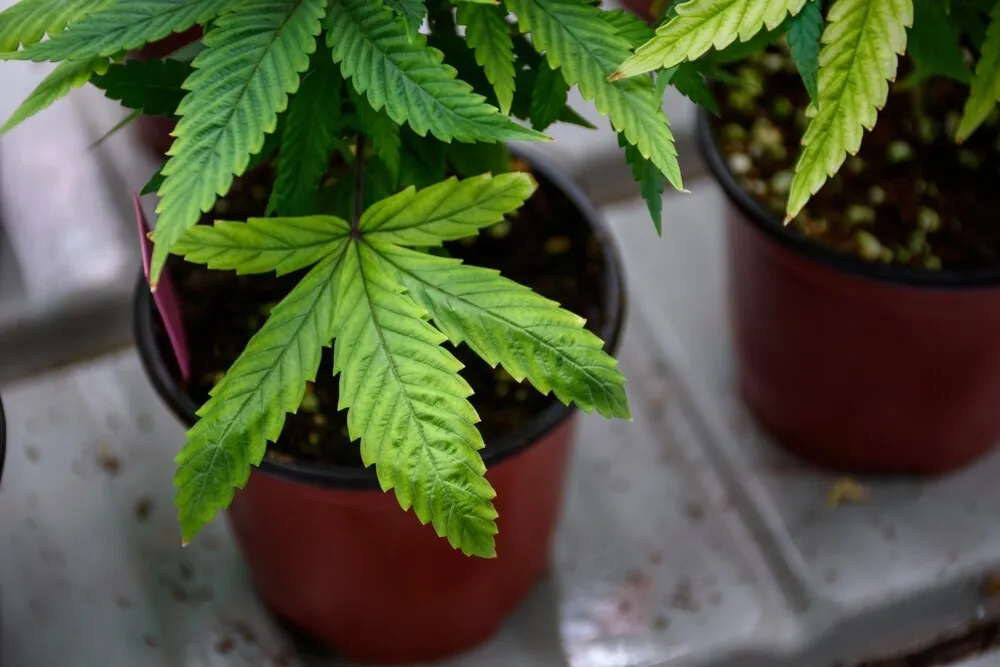
Should I Give My Seedlings Nutrients?
Cannabis seedlings require very little nutrition during their early stage of growth. If you're growing in a lightly amended soil, the seed and growing medium usually provide enough nutrients for the first 1–2 weeks. However, when growing in inert media such as coco coir, a mild nutrient solution may be introduced earlier according to the manufacturer's recommendations.
Why Not Feed Seedlings Right Away?
Young seedlings have delicate root systems that can be easily damaged by strong fertilizers. Feeding too early can lead to nutrient burn, slow root development, and stunted growth. This is especially common when growers use heavily amended soil or apply full-strength liquid nutrients before the roots are established.
Signs of nutrient burn include:
- Yellow or brown leaf tips
- Crispy or curled leaf edges
- Slow or stalled growth
When Should I Start Feeding Nutrients?
Most cannabis seedlings are ready for light feeding once they have developed 3–4 nodes and are showing healthy, vigorous growth. At this stage, the root system is better established, and the plant's nutrient requirements begin to increase as it enters vegetative growth.
Start with ¼–½ strength of the manufacturer's recommended dose and gradually increase the concentration as the plant matures. Avoid using full-strength nutrients during the seedling stage.
Choosing the Right Nutrients
Whether you choose organic or mineral nutrients, begin with a diluted solution formulated for young plants and increase the strength gradually. This allows seedlings to adapt without overwhelming their developing roots.
If your seedlings show signs of nutrient burn or stress after feeding, stop applying nutrients and continue watering with pH-appropriate water until healthy growth resumes.
Actionable Tip: If you're unsure whether your seedlings need nutrients, wait a few more days. Healthy green seedlings rarely benefit from early feeding, but they can quickly suffer from overfeeding.
How to Fix Stretching Cannabis Seedlings
Stretching is one of the most common problems during the cannabis seedling stage. It occurs when seedlings don't receive enough light, causing them to grow tall, thin stems with large gaps between the leaves as they search for a stronger light source. Although a stretched stem cannot become shorter, correcting the growing conditions early will prevent further stretching and allow the seedling to develop into a healthy plant.
Step 1: Adjust Your Grow Light
Insufficient light is the primary cause of stretching. Move fluorescent lights to approximately 15–30 cm (6–12 inches) above the canopy. If you're using LED grow lights, follow the manufacturer's recommended seedling distance and gradually lower the fixture if necessary. Avoid making large adjustments all at once, as excessive light intensity or heat can stress young plants.
Step 2: Support Weak Seedlings
If a seedling has become tall enough to lean or fall over, support it with a bamboo skewer, wooden stake, or plant support. Secure the stem loosely using a soft plant tie or garden wire, allowing it to move slightly while preventing it from bending or snapping. Remove the support once the stem becomes thicker and more stable.
Step 3: Improve Airflow
A gentle breeze from a small oscillating fan encourages seedlings to develop stronger stems by mimicking natural outdoor conditions. Position the fan so the leaves move slightly rather than being blown continuously, as excessive airflow can cause unnecessary stress.
Step 4: Transplant Deeper
When it's time to transplant, bury part of the stretched stem beneath the growing medium, leaving only the cotyledons and upper growth above the surface. Cannabis stems can develop additional roots along the buried section, improving stability and encouraging a stronger root system. Avoid burying the cotyledons or true leaves.
Step 5: Prevent Further Stretching
Continue monitoring your seedlings daily and adjust the height of your grow light as they grow. Maintaining the correct light distance, stable temperatures, and good airflow will encourage compact growth and reduce the risk of future stretching.
How Long Does Recovery Take?
Most seedlings begin responding to improved conditions within 24–48 hours, although the original stretched stem will remain elongated. Over the following 3–7 days, new growth should become shorter, sturdier, and more compact as the plant continues to develop.
Common Mistakes to Avoid
- Moving grow lights too close, causing heat or light stress.
- Tying stems too tightly, which can restrict growth.
- Overwatering stretched seedlings in an attempt to encourage recovery.
- Feeding extra nutrients before the seedling has fully recovered.
- Ignoring the problem until the stem becomes too weak to support itself.
Actionable Tip: If you notice your seedlings leaning towards the light or producing long, thin stems, adjust the lighting immediately. Catching stretching early is the easiest way to grow compact, healthy cannabis seedlings.
How to Prevent Damping Off in Cannabis Seedlings
Damping off is one of the most destructive diseases affecting cannabis seedlings. It is caused by soil-borne fungi such as Pythium, Fusarium, and Rhizoctonia, which thrive in cool, damp conditions with poor airflow. Once the fungus attacks the stem at the soil line, the seedling quickly collapses and rarely recovers. Fortunately, damping off is largely preventable by creating the right growing environment from the start.
How to Identify Damping Off
Early detection is essential to prevent the disease from spreading to healthy seedlings.
Common signs include:
| Symptom | Description |
| Stem discoloration | The stem at the soil line turns brown, yellow, or appears water-soaked. |
| Soft or pinched stem | The base of the stem becomes thin, weak, and mushy. |
| Collapsed seedlings | Seedlings suddenly fall over despite the growing medium being moist. |
| Fungal growth | White or grey mould may appear on the soil surface or around the stem. |
Step 1: Start With a Clean Growing Medium
Always germinate seeds in fresh, high-quality seed-starting soil or coco coir. Avoid reusing old growing media or unwashed containers, as they may harbour fungal pathogens that cause damping off.
Step 2: Avoid Overwatering
Excess moisture is one of the biggest contributors to damping off. Water only when the growing medium begins to dry, ensuring the roots receive enough moisture without remaining constantly saturated.
Step 3: Improve Airflow
Good air circulation helps reduce excess moisture around the stem and discourages fungal growth. Place a small oscillating fan nearby to create a gentle breeze, allowing the seedlings to move slightly without being exposed to strong winds.
Step 4: Maintain the Right Environment
Keep daytime temperatures between 20–25°C (68–77°F) and maintain a relative humidity of 60–70%. If you're using a humidity dome, remove it once seedlings have emerged or ventilate it regularly to prevent stale, humid conditions.
Step 5: Give Seedlings Enough Space
Avoid overcrowding seedlings. Leaving enough space between plants improves airflow, reduces humidity around the stems, and lowers the risk of fungal diseases spreading through your grow area.
Step 6: Inspect Your Seedlings Daily
Check your seedlings every day, paying close attention to the base of the stem. If you notice discoloration, soft tissue, or a collapsing stem, remove the affected seedling immediately to reduce the risk of the fungus spreading to nearby plants.
Can Seedlings Recover?
Unfortunately, cannabis seedlings affected by damping off rarely recover because the fungus destroys the stem tissue responsible for transporting water and nutrients. Prevention is far more effective than treatment, making good hygiene and proper environmental control essential throughout the seedling stage.
Common Mistakes to Avoid
- Leaving infected seedlings in the grow space.
- Overwatering seedlings or leaving pots sitting in water.
- Reusing contaminated soil or containers.
- Keeping humidity domes closed for too long without ventilation.
- Growing seedlings in stagnant air with poor airflow.
Actionable Tip: Preventing damping off starts with a clean growing environment. Water only when needed, maintain good airflow, and inspect your seedlings daily so you can spot problems before they spread.
Frequently Asked Questions
How long does the cannabis seedling stage last?
The cannabis seedling stage typically lasts 10–14 days after germination. During this time, seedlings develop their cotyledons, first true leaves, and a healthy root system The seedling stage is only the beginning of the growing cycle. Understanding how to grow cannabis from seed to harvest will help you prepare for every stage of development. Environmental conditions, genetics, and growing method can all influence how quickly seedlings develop.
How often should I water cannabis seedlings?
There is no fixed watering schedule for cannabis seedlings. Instead, water only when the growing medium begins to dry and the pot feels noticeably lighter. Avoid keeping the soil constantly wet, as overwatering is one of the most common causes of seedling problems.
When should I transplant cannabis seedlings?
Most cannabis seedlings are ready to transplant once they have developed 3–4 nodes or when roots begin emerging from the drainage holes. Transplanting at the right time encourages healthy root development and reduces the risk of plants becoming root-bound.
Can overwatered cannabis seedlings recover?
Yes, overwatered seedlings often recover if the problem is identified early. Allow the growing medium to dry slightly before watering again, improve airflow around the plants, and ensure the container has adequate drainage. Severely affected seedlings may require transplanting into fresh, well-draining growing medium.
Why are my cannabis seedlings stretching?
Stretching is usually caused by insufficient light. Seedlings grow tall and thin as they search for a stronger light source. Moving the grow light closer, improving airflow, and maintaining the correct light cycle will help prevent further stretching and encourage stronger stem development.
Can cannabis seedlings recover from damping off?
Unfortunately, seedlings affected by damping off rarely recover because the fungal infection destroys the stem tissue responsible for transporting water and nutrients. The best approach is prevention through proper watering, good airflow, clean growing media, and careful environmental control.
Do cannabis seedlings need nutrients?
Cannabis seedlings require very little nutrition during their first stage of growth. In lightly amended soil, they usually have enough nutrients until they develop 3–4 nodes. Growers using inert media, such as coco coir, may begin feeding a mild nutrient solution earlier according to the manufacturer's recommendations.
What is the ideal temperature and humidity for cannabis seedlings?
Cannabis seedlings grow best at daytime temperatures of 20–25°C (68–77°F) with a relative humidity of 60–70%. Maintaining stable environmental conditions encourages healthy root development, sturdy stems, and vigorous early growth.


