




The best soil for cannabis is light, loose, and well aerated, with enough moisture retention to keep roots hydrated without leaving them waterlogged. For most beginners, the easiest option is a mildly fertilized potting mix containing perlite or pumice. This provides a reliable starting point and gives you greater control over watering and feeding.
Choosing the best soil for weed involves more than reading the ingredients on the bag. The mix needs to suit your feeding method, container size, growing environment, and the age of your plants. A soil that works well in a warm indoor grow may stay wet for too long in cooler conditions, while an outdoor mix may need extra organic matter to cope with heat and wind. This guide explains how to assess soil texture, drainage, pH, and nutrient strength, choose between indoor and outdoor options, and correct common soil problems before they affect your cannabis plants.
Key Takeaways
- The best soil for cannabis plants should feel loose and crumbly, drain freely, and retain moderate moisture.
- Beginners usually get the most predictable results from a lightly fertilized potting mix with perlite or pumice.
- Indoor soil should match the grow-room temperature, humidity, airflow, and feeding method.
- The best soil for cannabis outdoors depends on rainfall, heat, wind, and the condition of the native ground.
- Add amendments only when they correct a clear issue with drainage, moisture retention, structure, or fertility.
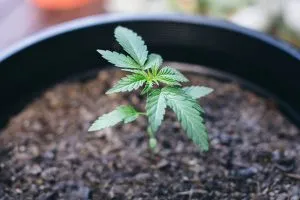
How to Choose the Best Soil for Cannabis Plants
Choosing the best soil for cannabis plants starts with understanding how you plan to grow them. If you are still comparing soil with other substrates, our guide to cannabis soil and solid growing mediums explains how each option changes watering, feeding and root-zone management. A soil that performs well with bottled nutrients may be unsuitable for an organic grow, while a rich living soil can overwhelm young plants if it has not been prepared correctly. Before buying a bag or mixing amendments, consider how much control you want over feeding, how often you can water, and the stage of growth your plants are in.
Match the Soil to Your Growing and Feeding Method
Growers using bottled nutrients usually get better control from a light, mildly fertilized potting mix. The right feeding approach still depends on the medium, so compare the best nutrients for cannabis plants in soil, coco and hydro before building your schedule. This provides a stable root environment without adding enough nutrition to interfere with the feeding schedule. When the soil already contains a strong nutrient charge, adding full-strength liquid fertilizer can quickly lead to dark leaves, burnt tips, or downward clawing.
Organic and living-soil growers need a different setup. Our beginner’s guide to growing organic cannabis explains how compost, worm castings, mineral amendments and active soil biology work together to release nutrients gradually. The soil must contain enough organic matter to support microbial activity, but it should still remain loose enough for air and water to move through the root zone.
Container size also affects the choice. Small pots hold fewer nutrients and dry out faster, so growers must water and feed more carefully. Choosing the best type of pot for growing cannabis can make moisture management much easier. Larger containers provide a more stable root environment and are generally better suited to living soil, where the plant relies on a larger volume of biologically active material.
In practice, many soil problems begin when growers combine two feeding strategies. A heavily amended mix paired with a strong bottled nutrient program can provide more nutrition than the plant can use. Decide whether the soil or the feeding schedule will provide most of the nutrition, then choose the mix accordingly.
Comparison of Common Soil Types
| Soil Type | Best For | Structure & Texture | Nutrient Level | Watering Needs | Key Advantages | Main Drawbacks |
| Light Potting Mix | Seedlings, bottled nutrient feeding | Loose, airy, low organic charge | Low to mild | Frequent watering required | Easy nutrient control, low risk of burn | Requires regular feeding, dries quickly |
| Standard Potting Soil | General growth, beginners | Balanced mix of peat, compost, perlite | Moderate | Moderate watering | Versatile and widely available | Can be inconsistent between brands |
| Heavily Amended Soil (“Hot Soil”) | Established plants, organic grows | Dense with compost, castings, amendments | High | Less frequent watering | Long-lasting nutrition, strong growth potential | Can burn seedlings or sensitive plants |
| Living Soil | Organic, long-term cultivation | Rich, biologically active, well-aerated | Variable, microbe-driven | Moderate to low frequency | Self-sustaining ecosystem | Requires setup time and larger containers |
Check Soil Texture, Drainage and Moisture Retention
The best soil for weed should feel light, loose, and crumbly when handled. Squeeze a damp handful gently. It should hold together briefly, then break apart when touched. Soil that stays in a hard, sticky clump is often too dense, while a mix that immediately falls apart may dry too quickly.
Good drainage does not mean water should run straight through the pot without wetting the soil. The aim is even moisture distribution followed by steady drainage from the base. Water pooling on the surface, moving down the sides of the container, or taking several minutes to soak in can indicate compaction or poor structure.
A well-balanced mix leaves small air spaces around the roots after excess water drains away. These spaces are essential because cannabis roots need oxygen as well as moisture. Soil that remains saturated for long periods can slow root development and increase the risk of nutrient uptake problems and root disease.
Experienced growers often judge moisture by lifting the container rather than relying only on the surface. The top inch may appear dry while the lower root zone is still wet. Learning the difference between the weight of a freshly watered pot and one that is ready for irrigation is one of the most reliable ways to avoid overwatering.
The right balance also depends on the environment. Soil may need extra aeration in a cool, humid grow room where pots dry slowly. In a hot or windy space, slightly greater moisture retention can prevent the root zone from drying out too quickly. The best soil for marijuana is therefore not simply the fastest-draining mix, but one that matches the conditions around the plant.
Consider Soil pH, Nutrient Strength and Plant Stage
Cannabis grown in soil generally performs best when the root-zone pH remains around 6.0 to 6.5. Within this range, the plant can access the major and minor nutrients it needs. Cannabis grown in soil generally performs best when the root-zone pH remains around 6.0 to 6.5. When pH moves too far outside this range, nutrients may be present but unavailable to the roots, a problem known as nutrient lockout in cannabis.
Do not assume that soil has the correct pH because it is labeled organic or designed for vegetables. Check the manufacturer’s specifications for commercial mixes, and test native or reused soil before planting. It is also important to distinguish between the pH of the water going into the pot and conditions inside the root zone. Testing only irrigation water may not reveal a problem developing in the soil.
Beginners can use a basic soil test kit or a suitable pH meter, following the manufacturer’s testing method. Do not rely only on the pH of the water entering the pot, as conditions within the root zone may be different.
Nutrient strength should match the plant’s age. Seedlings have small root systems and require only mild nutrition, while young autoflowering cannabis plants can be particularly sensitive to heavily fertilized soil during early growth. Starting them in a heavily fertilized or “hot” mix can cause burnt leaf tips, twisted early growth, or stalled development. Mature plants can tolerate and use more nutrition, particularly once they have established a broad root system.
When opening a new bag of soil, check whether it contains added fertilizer and how long the manufacturer expects that charge to last. This helps prevent unnecessary feeding during the first few weeks. Choosing the right soil is less about finding the richest option and more about selecting a mix that supports each stage. Nutrient needs also change through the cycle, so use an appropriate cannabis NPK ratio for each growth stage rather than applying the same feed from seedling to flower.
Best Soil for Cannabis Indoors and Outdoors
The best soil for cannabis depends on where the plants will be grown. Indoor growers usually need a clean, predictable potting mix, while outdoor growers must account for heat, wind, rainfall, and the condition of the native ground.
For most beginners, a lightly fertilized potting mix containing perlite or pumice is the easiest place to start. It gives the roots enough air, drains excess water, and leaves you in control of feeding. Avoid dense garden soil, standard topsoil, and products containing extended-release fertilizer if you intend to follow a separate nutrient schedule.
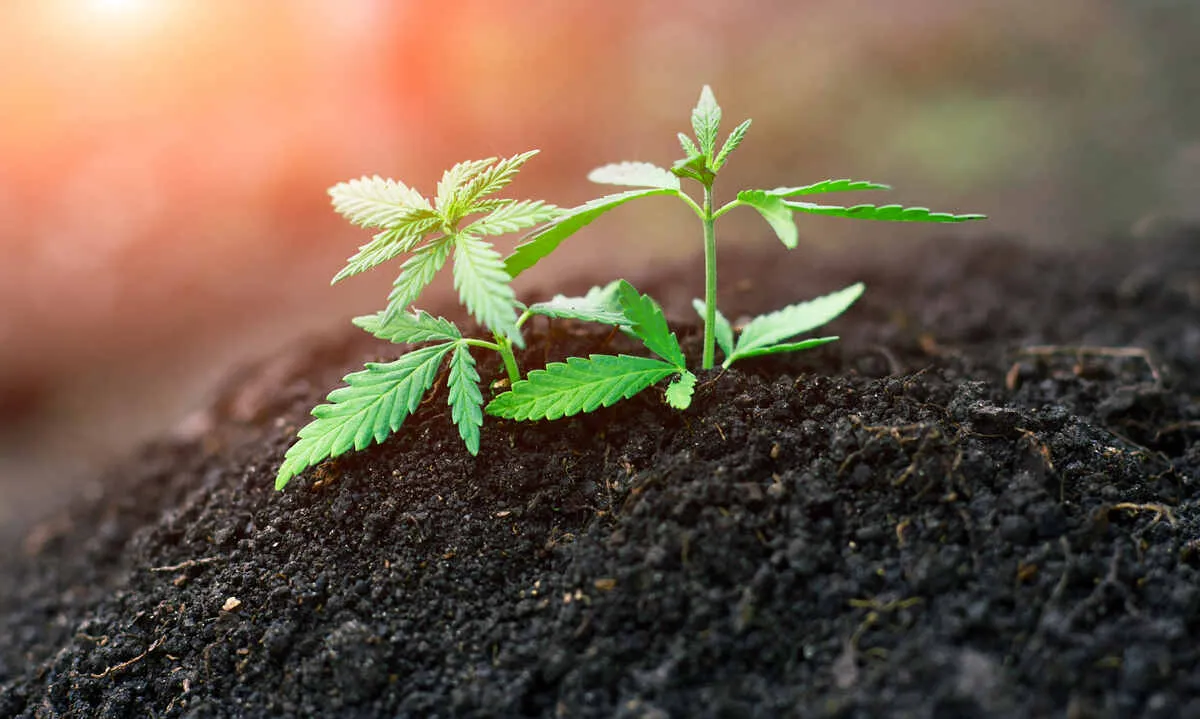
Best Soil for Cannabis Indoors
The best soil for cannabis indoors is usually a light potting mix made specifically for containers. Indoor plants cannot extend their roots beyond the pot, so the mix needs to remain loose after repeated watering and provide a steady balance of moisture and air.
Growers using bottled nutrients should choose a mildly fertilized soil. Starting with a rich mix and adding full-strength nutrients can quickly cause nutrient burn in cannabis, often showing as burnt tips, dark leaves or downward clawing. It is much easier to add nutrition gradually than to correct soil that is already too strong.
Compost-based or living soil can also work indoors, but it is better suited to larger containers. A greater volume of soil holds moisture more evenly and gives microorganisms more room to break down organic matter.
The grow-room environment matters as well. Strong lights and steady airflow make pots dry faster, while cool or humid conditions can leave the lower root zone wet long after the surface appears dry.
When I try a new soil, I fill and water one test pot before preparing the rest. If water pools on top, runs straight down the sides, or the container stays unusually heavy for several days, I adjust the mix before planting. This simple check can prevent the same problem from affecting every plant.
| Indoor setup | Soil to choose | Beginner advice |
| Bottled nutrients | Mild potting mix with perlite or pumice | Introduce feeding gradually |
| Organic growing | Compost-based or living soil | Use a larger container |
| Warm, fast-drying room | Mix with moderate moisture retention | Check pots regularly until you learn their drying pattern |
| Cool or humid room | Lighter mix with additional aeration | Do not water based on the surface alone |
| Seedlings | Mild seed-starting or lightly fertilized soil | Avoid rich or heavily amended mixes |
Best Soil for Cannabis Outdoors
The best soil for growing cannabis outdoors depends on the climate and whether the plants are growing in pots, raised beds, or directly in the ground.
Outdoor containers generally need to hold moisture slightly longer than indoor pots. Sunlight, warm temperatures, and wind can dry them quickly, particularly when fabric pots are used. A quality potting mix containing mature compost, peat, or coco coir can slow moisture loss, while perlite or pumice keeps the root zone from becoming waterlogged.
In hot, dry conditions, larger containers are easier to manage because they hold more soil and protect the roots from rapid changes in temperature and moisture. A layer of mulch can also help reduce evaporation.
In wet climates, drainage becomes the priority. When I assess an outdoor site, I pay more attention to how it behaves after heavy rain than how it looks during a dry spell. If water collects on the surface or the ground remains sticky two days later, I would use a raised bed or container rather than plant directly into it.
Native soil should be tested before lime, fertilizer, or other amendments are added. Grass growing on the site does not necessarily mean the soil has the right drainage, pH, or nutrient balance for cannabis plants.
| Outdoor condition | Soil to choose | Beginner advice |
| Hot and dry | Loam or potting mix with added organic matter | Use large containers and mulch the surface |
| Wet or humid | Loose, free-draining soil | Use raised beds if water collects |
| Windy and exposed | Mix with moderate moisture retention | Shelter containers where possible |
| Outdoor pots | Potting mix with compost and aeration | Avoid small containers that dry too quickly |
| Direct planting | Tested native soil with good drainage | Check the site after rainfall before planting |
Choosing Between Containers, Raised Beds and Native Soil
Containers give beginners the most control because you decide exactly what goes into them. They are a good choice when the native ground is poor or when plants may need to be moved. Their main drawback is that they dry faster and restrict root space.
Raised beds offer more room for roots while still allowing you to build a suitable soil mix. They are often the best option where the ground is compacted, shallow, or slow to drain.
Native soil can support large outdoor plants, but it should only be used when it is deep, fertile, and free draining. Loam is often considered the best soil for marijuana outdoors because it balances drainage, moisture retention, and nutrient-holding capacity. Sandy soil usually needs more organic matter, while heavy clay is often easier to manage with raised beds.
| Option | Best used when | Main consideration |
| Containers | You want maximum control or have poor native ground | Requires closer watering |
| Raised beds | The ground is clay-heavy, compacted, or wet | Needs more preparation and soil |
| Native loam | The site is deep, tested, and well drained | Amend only where testing shows a need |
| Sandy soil | Drainage is fast and moisture retention is poor | Add mature compost |
| Clay soil | Water drains slowly and the ground compacts | Use raised beds or improve it gradually |
For most beginners, the decision is straightforward: use a mild potting mix indoors, a moisture-balanced potting mix in outdoor containers, and only plant directly into native soil after checking its drainage and condition.
How to Build or Improve the Best Potting Soil for Cannabis
You do not need to build cannabis soil from scratch. A quality commercial potting mix can provide a reliable base, and amendments should only be added when they solve a specific problem with drainage, moisture retention, structure, or fertility.
For new growers, simpler is usually better. Start with a balanced mix, see how it behaves after watering, and adjust it only if needed.

What to Look for in Commercial Potting Soil
The best potting soil for cannabis should feel light, loose, and evenly blended. Choose a product labelled as a potting or container mix rather than topsoil or garden soil, which can become compacted inside pots.
Look for a base containing peat or coco coir, along with mature compost and an aeration material such as perlite or pumice. These ingredients help the soil hold moisture while still leaving enough air around the roots.
Check the label for added fertilizer. A mild starter charge can support early growth, but strong or extended-release fertilizers make feeding harder to control. This is particularly important if you plan to use bottled nutrients.
When I test a new mix, I water one small pot before filling the rest. The water should soak in evenly and drain from the bottom without sitting on the surface. Once drained, the soil should feel moist and springy rather than heavy or muddy.
The smell is another useful clue. Healthy soil should smell fresh and earthy. A sour or stagnant smell can indicate that the bag has remained waterlogged or contains poorly decomposed organic material.
| What to check | Good sign | Warning sign |
| Texture | Loose and easy to break apart | Sticky, muddy, or compressed |
| Aeration | Visible perlite, pumice, or coarse fibres | Dense soil with little structure |
| Added nutrients | Mild, clearly labelled starter charge | Strong or extended-release fertilizer |
| Organic matter | Mature compost or worm castings | Large amounts of undecomposed material |
| Intended use | Potting or container mix | Topsoil or heavy garden soil |
Grower tip: Do not judge soil by the ingredient list alone. Two mixes can contain the same materials but drain very differently because of their proportions and particle size.
Useful Cannabis Soil Amendments and What They Do
Each amendment changes how the soil behaves, so add it for a clear reason rather than following a fixed recipe.
Perlite and pumice improve aeration and drainage. Perlite is lightweight and inexpensive, while pumice is heavier and stays distributed through the mix more evenly. Both are useful when soil remains wet or becomes compacted.
Mature compost and worm castings add organic matter and gradual nutrition. They can improve a weak mix, but too much may increase moisture retention and make the soil dense.
Coco coir and peat help the soil hold and distribute water. Coco contains little usable nutrition by itself, so it should be treated as a structural ingredient rather than a fertilizer. Vermiculite holds even more moisture and is best used sparingly in hot, dry conditions.
Biochar may improve structure and support microbial life, but it should be properly prepared or “charged” before being mixed into the soil.
If a commercial mix needs more aeration, start with a modest addition rather than rebuilding the entire mix. Blend it thoroughly, water a test pot, and add more only if the soil still drains too slowly.
When adjusting a commercial mix, start with a modest amount of amendment rather than changing the entire recipe. Blend it thoroughly, water one test pot, and add more only if the soil still drains too slowly or dries too quickly.
| Amendment | Main purpose | Best used when | Common mistake |
| Perlite or pumice | Adds air space and improves drainage | Soil stays wet or compacts | Adding so much that pots dry too fast |
| Compost | Adds organic matter and gradual nutrition | Building or refreshing organic soil | Using immature compost |
| Worm castings | Provides mild nutrients and organic matter | Enriching a light mix | Adding enough to make soil heavy |
| Coco coir or peat | Improves moisture retention | Soil dries too quickly | Using too much in cool, humid conditions |
| Vermiculite | Holds additional moisture | Very hot or dry grows | Adding it to already wet soil |
| Biochar | Supports structure and soil biology | Improving organic soil over time | Using it without preparation |
Expert advice: Adjust the mix according to how it performs. A fast-drying soil may need more moisture retention, while a heavy mix may need more aeration. Do not add both automatically.
How to Correct Common Cannabis Soil Problems
Most soil problems become noticeable through watering behaviour before they appear in the leaves. Watch how quickly water enters the mix, how long the pot stays heavy, and whether the surface becomes hard.
If soil stays wet for too long, first check that the drainage holes are clear and the container is not sitting in runoff. Prolonged saturation reduces oxygen around the roots and can eventually contribute to cannabis root rot. If drainage is open but the mix remains saturated, blend in more perlite or pumice before the next grow.
Do not add gravel, stones, or clay pebbles to the bottom of the pot. These do not correct dense soil. Aeration materials work best when mixed evenly throughout the container.
If the soil dries too quickly, the pot may be too small or the mix may contain too much aeration material. A moderate amount of coco, peat, or mature compost can help it hold moisture longer.
Yellowing leaves do not always mean the plant needs more fertilizer. Waterlogged roots or unsuitable pH can prevent nutrient uptake even when nutrients are already present. Burnt tips, dark leaves, and downward clawing often indicate that the soil or feeding schedule is too strong.
| Problem | Likely cause | First action |
| Soil stays wet | Dense mix or blocked drainage | Check drainage and reduce watering |
| Soil dries too fast | Small pot or overly light mix | Increase moisture retention or pot size |
| Water pools on top | Compacted surface | Water slowly and improve structure |
| Water runs down the sides | Soil has become too dry | Rewet gradually in several passes |
| Burnt tips and dark leaves | Excess nutrients | Pause or reduce feeding |
| Pale growth despite feeding | pH or root problem | Check the root zone before adding nutrients |
| Sour smell | Prolonged saturation | Improve drainage and allow the soil to dry |
Grower tip: Change one thing at a time. If you alter the soil, nutrients, pH, and watering schedule together, you will not know which adjustment helped.
The best soil for cannabis does not need every available amendment. Start with a balanced potting mix, observe how it behaves, and only make changes that improve the root environment. Use a soil test kit or follow the testing method supplied with your pH meter rather than relying only on the pH of the water entering the pot.
Conclusion
For most growers, the best soil for cannabis is a light, well-aerated potting mix that drains freely, holds enough moisture, and matches the way you plan to feed your plants. Beginners will usually find a mild commercial mix with perlite or pumice the easiest to manage. Outdoor growers can use the same approach in containers, while native soil should be tested before planting. The key is to choose soil based on how it behaves around the roots rather than how rich it appears on the bag.
Frequently Asked Questions
What is the best soil for cannabis?
The best soil for cannabis is light, loose, and well aerated, with enough organic matter to retain moisture without becoming waterlogged. Most beginners will find a mildly fertilized potting mix containing perlite or pumice the easiest option to manage.
Can you use regular potting soil for weed?
Regular potting soil can be used for weed if it drains well, has a loose texture, and does not contain strong extended-release fertilizer. Check the label before buying and avoid dense topsoil or garden soil in containers.
What is the best soil for cannabis indoors?
The best soil for cannabis indoors is usually a consistent container mix with moderate moisture retention and plenty of aeration. Growers using bottled nutrients should choose a mild mix, while organic growers may prefer compost-based soil in larger pots.
What is the best soil for cannabis outdoors?
Outdoor cannabis grows well in fertile, free-draining loam or a quality potting mix with extra organic matter. Native soil should be tested before planting, particularly if it contains heavy clay, drains slowly, or remains saturated after rain.
Is living soil better than regular potting soil?
Living soil can work very well for organic growers because it relies on microorganisms and organic matter to release nutrients gradually. However, it needs more soil volume and careful moisture management. A mild commercial potting mix is often simpler for a first grow.


