




The highest THC strains are known for their reported potency, with some modern cannabis genetics advertised at 30–35% THC. But what makes a cannabis strain high in THC, and does a higher percentage always mean stronger cannabis?
THC (tetrahydrocannabinol) is the main intoxicating compound in cannabis, although genetics, growing conditions and laboratory testing all influence reported potency. An advertised maximum does not guarantee the same result from every plant.
This article compares 10 high-THC cannabis strains, covering their THC percentages, genetics, flowering times and growing characteristics. You'll also learn how THC is measured, why results vary and what experienced growers consider when comparing high-potency varieties.
Key Takeaways
- Highest THC strain: Permanent Marker leads this selection with an advertised maximum of 35% THC.
- High-potency genetics: Six of the 10 strains have reported THC maximums of 32% or higher.
- THC percentages vary: Genetics, growing conditions and testing methods influence measured potency.
- Potency isn't everything: Higher THC does not guarantee better cannabis or a particular experience.
- Choosing the right strain: Compare flowering times, plant height, genetics and growing difficulty alongside THC levels.

What is Considered a High-THC Cannabis Strain?
THC stands for tetrahydrocannabinol, the main compound responsible for cannabis intoxication. It interacts with receptors in the body's endocannabinoid system, affecting perception, mood and coordination.
There is no universal scientific cut-off for high THC. For a practical comparison, flower reported above 20% is often described as high potency, while claims of 30% or more sit at the exceptional end of the market.
| Reported THC | General description |
| Below 10% | Lower THC |
| 10–19% | Moderate THC |
| 20–24% | High THC |
| 25–29% | Very high THC |
| 30% or above | Exceptionally high reported THC |
These bands are editorial descriptions, not official classifications. Cannabis flowers contain much of their potential THC as THCA, a precursor that converts to THC when heated. Laboratory reports may therefore include total potential THC, calculated from both compounds.
In a study of 23 retail cannabis flower samples, Schwabe and colleagues (2023) found that labels frequently overstated measured THC. This does not establish the potency of any strain below, but it explains why breeder maximums need careful wording. For a fuller breakdown, see what is considered high THC.
Top 10 Highest THC Strains From MSNL
These 10 varieties come from MSNL's own range. Figures are taken from current product specifications, not independently verified results from every seed line. Varieties with the same advertised THC maximum are tied, regardless of their position in the list.
| Strain | Advertised THC | Flowering time | Growth type |
| Permanent Marker Feminized | Up to 35% | 8–10 weeks | Indica-dominant |
| Kushberry Moonrocks Feminized | Up to 32% | 8–10 weeks | Indica-dominant |
| Bruce Banner Fast Flowering | Up to 32% | 6–8 weeks | Indica-dominant |
| RS11 Feminized | Up to 32% | 10–12 weeks | Balanced hybrid |
| Cap Junky Feminized | Up to 32% | 8–10 weeks | Balanced hybrid |
| GG4 Regular | Up to 32% | 8–10 weeks | Balanced hybrid |
| Godfather OG Feminized | Up to 30% | 8–10 weeks | Indica-dominant |
| Ghost Train Haze Feminized | Up to 30% | 10–12 weeks | Sativa-dominant |
| Bruce Banner #3 Feminized | Up to 30% | 8–10 weeks | Sativa-dominant |
| Super Boof Feminized | Up to 30% | 8–10 weeks | Balanced hybrid |
1. Permanent Marker Feminized — Up to 35% THC
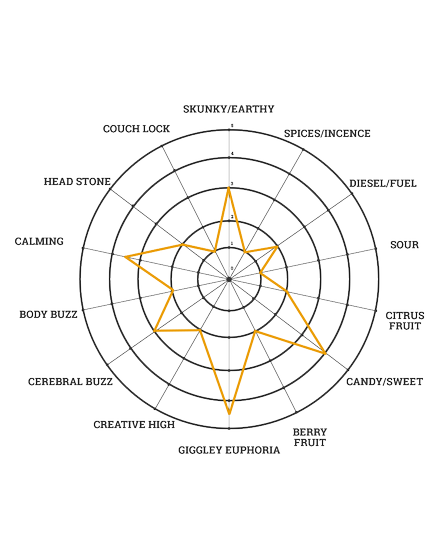
Permanent Marker Feminized combines Biscotti, Sherb Bx and Jealousy genetics. Its sweet, floral and candy-like aroma is associated with terpenes including myrcene, caryophyllene and limonene.
This indica-dominant strain reaches approximately 100–180 cm and has a flowering period of 8–10 weeks. It is better suited to experienced growers, making its high THC potential less important than understanding its growing requirements. The Permanent Marker strain profile covers its genetic background in more detail.

| THC % | Up to 35% |
|---|---|
| Flowering Time | 8–10 Weeks |
| Outdoor harvest | Mid October |
| Yield | 500–600 g/m² |
| Indica/Sativa | Indica Dominant |
| Height | Medium: 100–180 cm |
| Difficulty | Advanced |
| CBD Content | Less than 1% |
| Climate | Arid, Mediterranean |
| Seed Type | Feminized |
| Genetics | (Biscotti x Sherb Bx) x Jealousy |
| Effects | Calming, Relaxing, Uplifting |
| Taste | Floral, Sweet, Candy |
| Terpene | Myrcene, Caryophyllene, Limonene |
2. Kushberry Moonrocks Feminized — Up to 32% THC
Kushberry Moonrocks Feminized crosses Blue Moonrock with Blackberry Kush, producing an indica-dominant variety known for its berry, blueberry and floral aromas.
Plants typically reach 100–180 cm, with an expected flowering period of 8–10 weeks. Its relatively straightforward growth characteristics make it approachable for beginners, although the advertised 32% THC represents a potential maximum rather than a guaranteed result.


| THC % | Up to 32% |
|---|---|
| Flowering Time | 8–10 Weeks |
| Outdoor harvest | End Of September |
| Yield | 500–600 g/m² |
| Indica/Sativa | Indica Dominant |
| Height | Medium: 100–180 cm |
| Difficulty | Easy |
| CBD Content | Less than 1% |
| Climate | Arid, Mediterranean, Temperate, Warm |
| Seed Type | Feminized |
| Genetics | Blue Moonrock x Blackberry Kush |
| Effects | Calming, Relaxing, Uplifting |
| Taste | Berry, Blueberry, Floral |
| Terpene | Myrcene, Caryophyllene, Pinene |
3. Bruce Banner Fast Flowering — Up to 32% THC
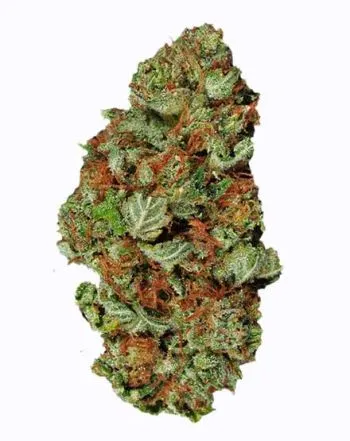
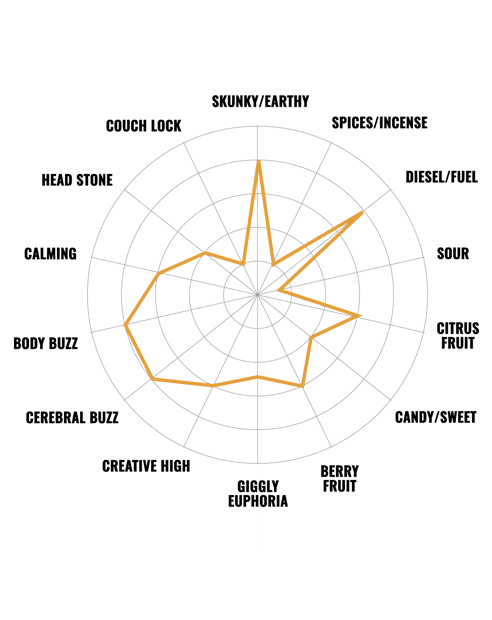
Bruce Banner Fast Flowering combines Bruce Banner genetics with an undisclosed hybrid parent. Its aroma brings together diesel, earthy and fruity notes, while plants generally reach 100–180 cm.
With a flowering period of 6–8 weeks, it finishes sooner than the standard Bruce Banner #3. However, fast flowering should not be confused with autoflowering. These are different genetic characteristics, as explained in fast-flowering cannabis strains.
| THC % | Up to 32% |
|---|---|
| Flowering Time | 6–8 Weeks |
| Outdoor harvest | September |
| Yield | 500–600 g/m² |
| Indica/Sativa | Indica Dominant |
| Height | Medium: 100–180 cm |
| Difficulty | Medium |
| CBD Content | Less than 1% |
| Climate | Cool, Temperate, Warm |
| Seed Type | Feminized |
| Genetics | Bruce Banner x Secret Hybrid |
| Effects | Creative, Uplifting |
| Taste | Diesel, Earthy, Fruity |
| Terpene | Linalool, Caryophyllene, Humulene |
4. RS11 Feminized — Up to 32% THC
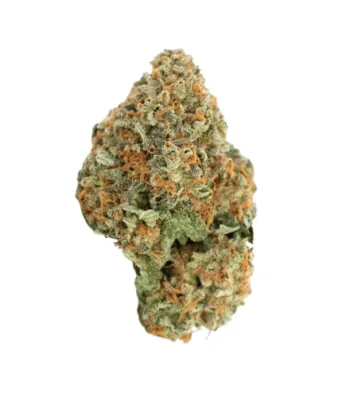
RS11 Feminized, also known as Rainbow Sherbet #11, combines (Pink Guava × OZK) with Sunset Sherbet, using the Black Sherbet cut. Its aroma blends sweet berries with sour, peppery and spicy notes.
This balanced hybrid grows approximately 100–180 cm tall and takes 10–12 weeks to flower. Its longer flowering period is worth considering when comparing high-THC strains. The influence of its Sunset Sherbet ancestry is particularly noticeable in its fruit-led profile.
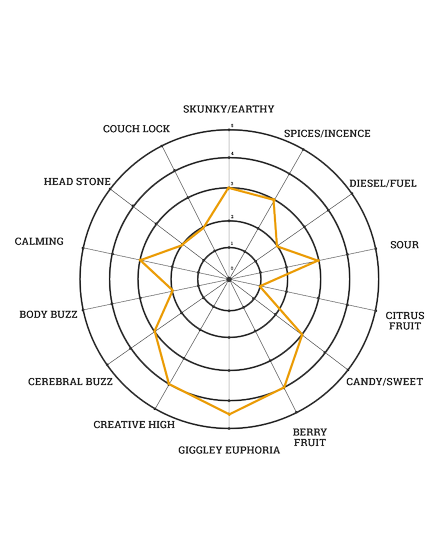
| THC % | Up to 32% |
|---|---|
| Flowering Time | 10–12 Weeks |
| Outdoor harvest | Mid October |
| Yield | 400–500 g/m² |
| Indica/Sativa | 50/50 |
| Height | Medium: 100–180 cm |
| Difficulty | Medium |
| CBD Content | Less than 1% |
| Climate | Mediterranean, Temperate, Warm |
| Seed Type | Feminized |
| Genetics | (Pink Guava x OZK) x Sunset Sherbet (Black Sherbet Cut) |
| Effects | Creative, Relaxing, Uplifting |
| Taste | Sour, Sweet, Berry, Peppery, Spicy |
| Terpene | Limonene, Caryophyllene, Linalool |
5. Cap Junky Feminized — Up to 32% THC
Cap Junky Feminized combines Alien Cookies with Kush Mints #11, producing a balanced hybrid with fruity, minty, spicy and woody notes. Caryophyllene and limonene are among its reported terpenes.
With a height of 100–180 cm and flowering time of 8–10 weeks, it is considered relatively easy to grow. Its Kush Mints genetics help explain its distinctive mint-related aromas, although smell alone cannot determine THC concentration.
Grower Tip: Compare plant height, flowering time and growing difficulty before choosing a high-THC strain. A variety suited to your space and experience is a better starting point than simply chasing the highest advertised percentage.
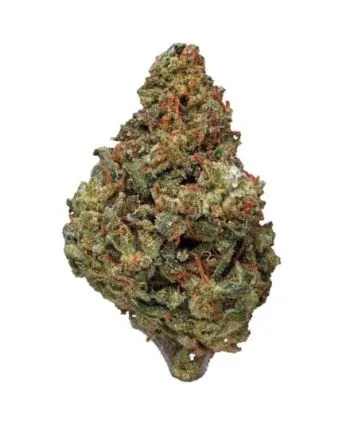
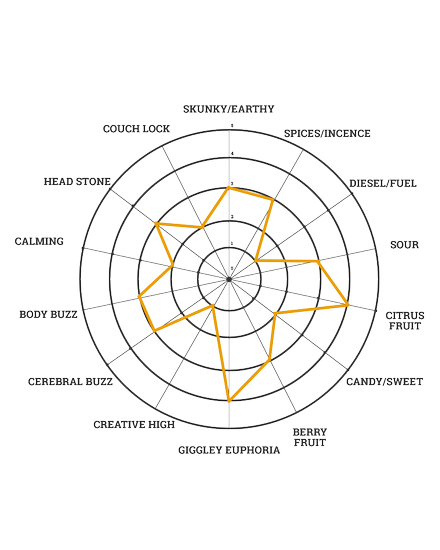
| THC % | Up to 32% |
|---|---|
| Flowering Time | 8–10 Weeks |
| Outdoor harvest | Mid October |
| Yield | 500–600 g/m² |
| Indica/Sativa | 50/50 |
| Height | Medium: 100–180 cm |
| Difficulty | Easy |
| CBD Content | Less than 1% |
| Climate | Mediterranean, Warm |
| Seed Type | Feminized |
| Genetics | Alien Cookies x Kush Mints #11 |
| Effects | Euphoric, Relaxing, Uplifting |
| Taste | Fruity, Mint, Spicy, Woody |
| Terpene | Caryophyllene, Limonene, Myrcene |
6. GG4 Regular — Up to 32% THC
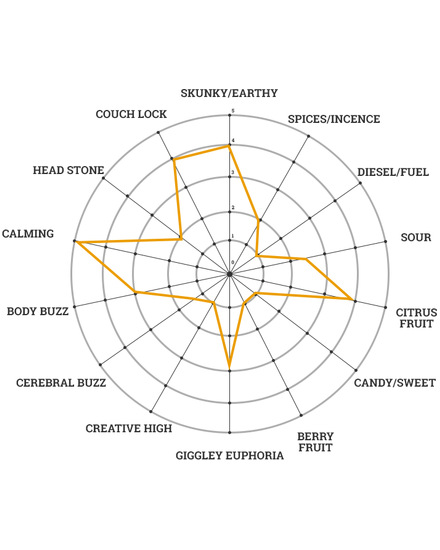
GG4 Regular, also known as Gorilla Glue #4, comes from Chem Sis, Sour Dubb and Chocolate Diesel genetics. It is recognised for its pungent, pine-like and earthy aroma.
Reaching approximately 180–220 cm, GG4 is one of the taller varieties in this selection, with an 8–10-week flowering period. Unlike feminized seeds, regular seeds can produce male or female plants. Understanding the differences between feminized and regular cannabis seeds is important when selecting the right seed type.
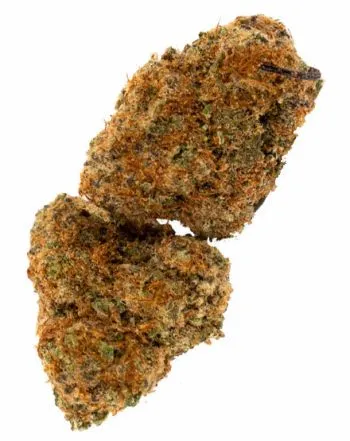
| THC % | Up to 32% |
|---|---|
| Flowering Time | 8–10 Weeks |
| Outdoor harvest | End Of September |
| Yield | Over 600 g/m² |
| Indica/Sativa | 50/50 |
| Height | Tall: 180–220 cm |
| Difficulty | Easy |
| CBD Content | Less than 1% |
| Climate | Warm |
| Seed Type | Regular |
| Genetics | Chem Sis x Sour Dubb x Chocolate Diesel |
| Effects | Calming, Creative, Relaxing |
| Taste | Pungent, Pine, Earthy |
| Terpene | Caryophyllene, Myrcene, Limonene |
7. Godfather OG Feminized — Up to 30% THC
Godfather OG Feminized combines XXX OG with Alpha OG, producing an indica-dominant variety with fruity, sweet and woody notes.
Plants reach approximately 100–180 cm and have a flowering period of 8–10 weeks. Its manageable growth characteristics make it suitable for less experienced growers.
Godfather OG has earned a reputation for exceptional potency, although historical reports of higher THC levels should not be confused with its current advertised maximum of 30%. Its reputation is explored in more detail in could Godfather OG be the world's strongest strain.


| THC % | Up to 33% |
|---|---|
| Flowering Time | 8–10 Weeks |
| Outdoor harvest | End Of September |
| Yield | 500–600 g/m² |
| Indica/Sativa | Indica Dominant |
| Height | Medium: 100–180 cm |
| Difficulty | Easy |
| CBD Content | Less than 1% |
| Climate | Mediterranean, Temperate |
| Seed Type | Feminized |
| Genetics | XXX OG x Alpha OG |
| Effects | Calming, Relaxing, Uplifting |
| Taste | Fruity, Sweet, Woody |
| Terpene | Myrcene, Limonene, Beta-Caryophyllene |
8. Ghost Train Haze Feminized — Up to 30% THC
Ghost Train Haze Feminized combines Ghost OG with Neville's Wreck. Its reported terpene profile includes terpinolene, limonene and myrcene, contributing to its earthy, citrus and sweet aroma.
This sativa-dominant variety reaches approximately 100–180 cm and requires 10–12 weeks of flowering. It is considered moderately difficult to grow, with a longer flowering period than many other high-THC strains. However, its sativa classification does not guarantee a particular effect.


| THC % | Up to 30% |
|---|---|
| Flowering Time | 10–12 Weeks |
| Outdoor harvest | End Of October |
| Yield | 500–600 g/m² |
| Indica/Sativa | Sativa Dominant |
| Height | Medium: 100–180 cm |
| Difficulty | Medium |
| CBD Content | Less than 1% |
| Climate | Mediterranean, Warm |
| Seed Type | Feminized |
| Genetics | Ghost OG x Neville’s Wreck |
| Effects | Energising, Relaxing, Uplifting |
| Taste | Earthy, Citrus, Sweet |
| Terpene | Terpinolene, Limonene, Myrcene |
9. Bruce Banner #3 Feminized — Up to 30% THC
Bruce Banner #3 Feminized combines OG Kush with Strawberry Diesel, producing a sativa-dominant variety with diesel, earthy and fruity aromas.
Plants can reach 180–220 cm and typically flower in 8–10 weeks. Compared with Bruce Banner Fast Flowering, this version grows taller and has a longer expected flowering period. The Bruce Banner strain family includes several variations, each with its own growing characteristics.


| THC % | Up to 30% |
|---|---|
| Flowering Time | 8–10 Weeks |
| Outdoor harvest | End Of September |
| Yield | 500–600 g/m² |
| Indica/Sativa | Sativa Dominant |
| Height | Tall: 180–220 cm |
| Difficulty | Medium |
| CBD Content | Less than 1% |
| Climate | Arid, Temperate |
| Seed Type | Feminized |
| Genetics | OG Kush x Strawberry Diesel |
| Effects | Uplifting |
| Taste | Diesel, Earthy, Fruity |
| Terpene | Linalool, Caryophyllene, Humulene |
10. Super Boof Feminized — Up to 30% THC
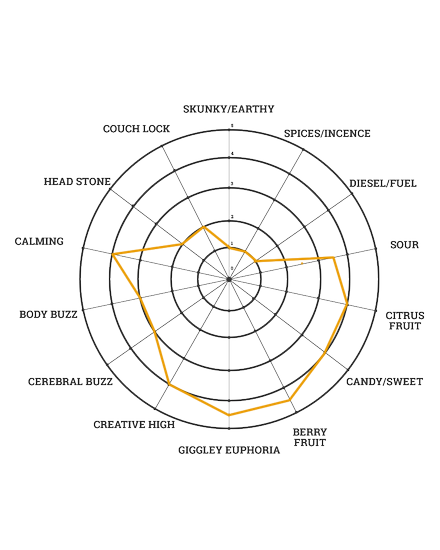
Super Boof Feminized, also known as Blockberry, combines Black Cherry Punch with Tropicana Cookies. Its aroma features berry, citrus, sweet and sour notes, offering a fruity alternative to traditional OG and diesel varieties.
This balanced hybrid reaches approximately 100–180 cm, with an 8–10-week flowering period and moderate growing difficulty. Its modern genetics and distinctive aroma make it an interesting option beyond THC percentage alone. The Super Boof strain review explores its origins and characteristics in more detail.

| THC % | Up to 30% |
|---|---|
| Flowering Time | 8–10 Weeks |
| Outdoor harvest | Mid October |
| Yield | 400–500 g/m² |
| Indica/Sativa | 50/50 |
| Height | Medium: 100–180 cm |
| Difficulty | Medium |
| CBD Content | Less than 1% |
| Climate | Mediterranean, Warm |
| Seed Type | Feminized |
| Genetics | Black Cherry Punch x Tropicana Cookies |
| Effects | Calming, Creative, Relaxing, Uplifting |
| Taste | Berry, Citrus, Sweet, Sour |
| Terpene | Myrcene, Linalool, Limonene |

Why Do THC Percentages Vary?
Plants sold under the same strain name will not always contain identical amounts of THC. Genetics influence cannabinoid potential, but individual variation, growing conditions, flower maturity and testing methods also affect the result.
| Factor | What it changes |
| Genetics | The plant's inherited cannabinoid potential |
| Light | Growth and flower production, not guaranteed THC concentration |
| Plant health | Overall development and flower quality |
| Harvest maturity | The cannabinoid composition of sampled flowers |
| Laboratory method | How samples are prepared and how total THC is calculated |
A laboratory result describes the particular cannabis flower sample tested, not every flower from the same harvest. Separate samples may differ, especially where plants develop unevenly or flowers have been handled and stored differently.
THC-related compounds are produced in the resin glands of cannabis trichomes. However, visible resin cannot tell you an accurate THC percentage.
Llewellyn and colleagues (2022) found that increasing light intensity raised flower yield in the cultivar they tested without increasing cannabinoid concentration. More flower and a greater THC percentage are not the same thing.
Grower Tip: Focus on stable conditions and healthy growth, rather than sudden changes intended to force a higher THC percentage. Advertised maximums are not a useful target for judging every individual plant.
Does Higher THC Mean Stronger Cannabis?
THC concentration helps describe potential intoxicating strength, but it cannot predict exactly how a person will respond. The amount consumed, individual sensitivity and product composition all matter. High-THC products may also increase the likelihood of unwanted effects, including anxiety and impaired coordination.
Aroma comes largely from cannabis terpenes, which contribute notes such as pine, citrus and berry. Their possible influence on effects is still being studied, so smell alone is not proof of strength.
Likewise, indica and sativa labels are not reliable measures of THC or specific effects. Smith and colleagues (2022), examining nearly 90,000 commercial cannabis samples, found that common labels did not consistently match chemical composition. The differences between indica, sativa and hybrid cannabis are useful background, but measured chemistry is more informative.
Grower Tip: Keep notes on the precise seed line and its visible characteristics. When legitimate laboratory testing is available, use the result rather than guessing potency from the size, smell or resin coverage of flowers.
Conclusion
The highest THC strains combine modern genetics with impressive advertised potency, but THC percentage is only one part of choosing the right cannabis variety.
Permanent Marker leads this selection at up to 35%, while Kushberry Moonrocks, Cap Junky and several others have reported maximums above 30%. These figures represent potential rather than guaranteed results.
For new growers, understanding genetics, flowering time, plant size and growing difficulty is just as important as comparing THC levels. A suitable strain with healthy growth is a better choice than simply chasing the highest number.
Frequently Asked Questions
Can you tell how much THC a cannabis seed will produce?
No. A seed's genetics influence its potential cannabinoid profile, but its eventual THC concentration cannot be determined from its appearance. Accurate measurements require laboratory testing of developed plant material.
How can you check whether a strain's THC percentage is accurate?
Look for an independent certificate of analysis (COA) showing the tested sample, laboratory, testing date and cannabinoid results. A report should distinguish between delta-9 THC, THCA and calculated total THC. A breeder's advertised maximum is not the same as a verified result from every plant.
Does THC content change after harvesting cannabis?
Yes. Cannabinoid composition can change during drying, storage and ageing. Exposure to heat, light and oxygen can contribute to THC degradation over time. Correct storage helps limit unwanted changes, as explained in how to keep cannabis fresh for longer.
Are THC percentages measured from fresh or dried cannabis flowers?
Commercial cannabis flower potency is commonly reported using dried material, although laboratory procedures and reporting standards vary. Moisture affects the sample's weight, so percentages measured on different moisture bases are not directly comparable.
Can two breeders produce different versions of the same cannabis strain?
Yes. A strain name does not guarantee identical genetics across breeders. Different parent selections, breeding generations and genetic lines can produce variations in growth, aroma and cannabinoid composition. Compare the exact product rather than relying on the strain name alone.
References
- Schwabe, A. L., et al. (2023). Uncomfortably high: Testing reveals inflated THC potency on retail Cannabis labels. PLOS ONE, 18(4), e0282396.
- Llewellyn, D., et al. (2022). Indoor grown cannabis yield increased proportionally with light intensity, but ultraviolet radiation did not affect yield or cannabinoid content. Frontiers in Plant Science, 13, 974018.
- Smith, C. J., et al. (2022). The phytochemical diversity of commercial Cannabis in the United States. PLOS ONE, 17(5), e0267498.

