




What is considered high THC? Cannabis flower containing 20% THC or more is generally classified as high potency, while percentages above 25% are considered very high. However, there is no universally accepted scientific threshold, and a higher THC percentage does not necessarily mean better-quality cannabis.
Understanding THC levels helps growers compare cannabis strains, assess breeder claims and interpret laboratory results. Genetics play a major role in cannabinoid production, but growing conditions, flower maturity and testing methods can influence the final figures.
This guide explains high THC percentages, how potency is measured and what growers should consider when choosing cannabis genetics.
Key Takeaways
- What is considered high THC? Dried cannabis flower containing 20–24% THC is generally considered high potency, while 25–29% is very high.
- THC percentage chart: Levels below 10% are classified as low, while verified results of 30% or above are exceptionally high.
- Higher THC does not guarantee stronger effects: THC concentration is only one factor, alongside the amount used and individual response.
- Genetics influence THC production: Growing conditions, plant maturity and environmental factors also affect cannabinoid development.
- Advertised THC percentages are not guaranteed: Laboratory testing provides a more reliable measurement than breeder estimates, resin appearance or strain descriptions.
What Percentage Is Considered High THC?
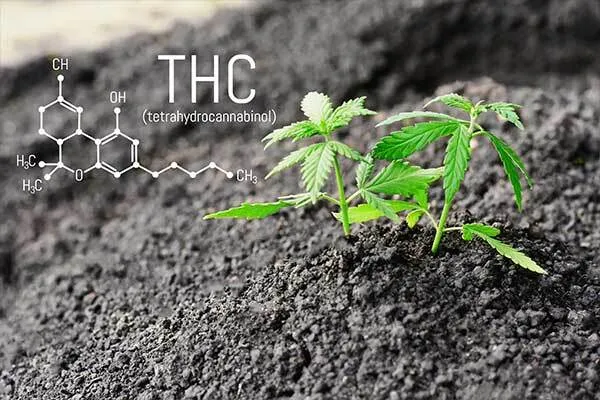
THC, or tetrahydrocannabinol, is the principal intoxicating cannabinoid in cannabis. A flower labelled 20% total THC contains approximately 200 milligrams of potential THC per gram of dry material. That figure does not account for losses during heating or use.
The following THC percentage chart offers an accessible way to compare dried cannabis flower. Its ranges are editorial guidelines, not official scientific categories. Concentrates and edible products require different comparisons.
| Total THC in dried flower | Suggested category |
| Below 10% | Low |
| 10–14% | Low to moderate |
| 15–19% | Moderate |
| 20–24% | High |
| 25–29% | Very high |
| 30% or above | Exceptionally high |
A sample testing at 19% is not fundamentally different from one testing at 20%. Laboratory variation also makes tiny differences less meaningful than marketing descriptions suggest.
These labels describe flower concentration rather than suitability for a particular person. They cannot establish aroma, cleanliness, growing difficulty or the amount of THC in an entire harvest. Each attribute requires separate evidence.
How Is THC Percentage Measured?
Fresh cannabis commonly contains more THCA, or tetrahydrocannabinolic acid, than THC. Heating can convert THCA into THC through decarboxylation. Laboratory certificates may list both compounds and an estimate called total THC:
Total THC (%) = THC (%) + [THCA (%) × 0.877]
The factor accounts for molecular mass lost during conversion; it does not guarantee how much THC someone will receive. For example, flower containing 1% THC and 22% THCA has approximately 20.3% potential total THC.
Check whether the number on a certificate refers to THC alone or calculated total THC. Sampling, flower moisture and laboratory procedures can affect comparisons.
Can You Trust Advertised THC Percentages?
A breeder's headline number describes an expected genetic range or an exceptional result, not a guarantee for every plant. Giordano and colleagues (2025) independently tested 178 cannabis flower products from Colorado dispensaries. Only 56.7% had measured THC within 15% of their labelled value. That finding applies to the sampled retail products, not every breeder or seed.
When comparing high THC cannabis seeds, consider the reliability of the genetics and supporting information rather than choosing solely by one large percentage.

Does Higher THC Always Mean Stronger Cannabis?
THC percentage indicates concentration, while the amount of cannabis used determines potential exposure. Product type and individual response also matter, so a laboratory number cannot predict a uniform experience. Aromatic terpenes and other cannabinoids may differ between flowers with similar THC levels, without establishing that those compounds reliably determine the effects.
Spindle and colleagues (2020) examined 121 regular cannabis users assigned flower containing 16% or 24% THC, or concentrates containing 70% or 90%. Concentrate users had higher THC exposure, but several measured short-term outcomes did not consistently increase with product potency. This does not mean THC concentration is irrelevant.
Steeger and colleagues (2021) separately examined survey data from 300 adults about use frequency and self-reported potency. Because participants estimated their own cannabis strength, this observational research cannot replace laboratory measurements or predict individual responses.

What is the Highest THC Percentage?
Dried cannabis flower has produced reported results above 30% THC, but the percentage belongs to an individual sample, not permanently to a strain name.
A 2017 High Times report recorded approximately 34% calculated THC for Godfather OG in competition testing. Our Godfather OG strain review explains the history of that claim, while the high THC strains comparison introduces other well-known genetics. Neither a historic competition result nor an advertised maximum establishes an undisputed world record.
Has Cannabis Become Stronger Over Time?
Average THC concentration has increased in some monitored markets. Chandra and colleagues (2019) examined 18,108 samples in a United States monitoring study and reported a rise in average THC from 8.9% in 2008 to 17.1% in 2017.
Health Canada also describes historical increases in dried cannabis potency, from approximately 3% in the 1980s to around 15% in later data. These figures describe particular periods and samples rather than today's entire market. Selective breeding has expanded high THC options without eliminating lower THC varieties.

What Determines THC Levels During Growing?
Genetics strongly influence a plant's cannabinoid potential. Light, environmental conditions, nutrition and flower development also contribute to the final chemical profile, but no technique can promise a particular percentage. Outdoor weather introduces variation, while indoor equipment provides more control; neither setting automatically produces higher THC. The response depends on the cultivar and the conditions it encounters.
| Factor | What growers should understand |
| Genetics | Influences the plant's cannabinoid potential |
| Light | Supports photosynthesis and flower development |
| Temperature and humidity | Affect plant development and flower quality |
| Water and nutrition | Imbalances can restrict normal growth |
| Maturity | Cannabinoid composition changes as flowers develop |
| Laboratory testing | Sample selection affects the reported result |
Grower tip: Select genetics suited to your space and conditions. Consistent development
How Do THC, CBD and CBG Differ?
THC, cannabidiol (CBD) and cannabigerol (CBG) are cannabinoids with different chemical characteristics. THC is intoxicating; CBD and CBG are generally non-intoxicating. Their proportions depend partly on genetics and plant development.
Cannabigerolic acid (CBGA) serves as a precursor in pathways producing THCA and CBDA. This helps explain why high CBD cannabis seeds are bred for a different cannabinoid profile from high THC varieties. The difference concerns plant chemistry, not a medical outcome.

Conclusion
So, what is considered high THC? Cannabis flower containing 20% THC or more is generally classified as high potency, while percentages above 25% are considered very high. However, there is no universally accepted threshold, and laboratory results can vary between samples.
For growers, genetics provide the foundation for THC production, but plant development, environmental conditions and testing methods also influence the final figures. Rather than focusing entirely on the highest advertised percentage, choose genetics suited to your growing conditions and look for reliable information about their cannabinoid potential.
Frequently Asked Questions
Does Higher THC Mean a Bigger Harvest?
No. THC percentage describes cannabinoid concentration, while yield describes the amount of flower produced. A plant producing 300 grams at 20% THC has a different total potential THC content from one producing 500 grams at 15%. High potency does not automatically mean higher yields.
Can Different Buds From the Same Plant Have Different THC Levels?
Yes. Cannabinoid concentration can vary between flowers on the same plant due to differences in development, position and environmental exposure. A laboratory result from one flower may not accurately represent every bud in the harvest.
Does Drying and Curing Increase THC Percentage?
Drying removes moisture, which can change THC concentration when expressed as a percentage of weight. However, this does not mean the plant has produced additional cannabinoids. During drying and storage, chemical changes can occur, and prolonged exposure to heat, light or oxygen can contribute to cannabinoid degradation.
Are THC Percentages for Concentrates the Same as Cannabis Flower?
No. Concentrates contain extracted cannabinoids and can have substantially higher THC concentrations than dried flower. A concentrate testing at 70% THC cannot be compared directly with the flower potency chart, as the products have different compositions and testing considerations.
How Can Growers Find Out the Actual THC Percentage of Their Cannabis?
Laboratory cannabinoid testing is the most reliable method. A representative flower sample can be analysed to measure THC, THCA and other cannabinoids. Visual characteristics, aroma, resin coverage and strain descriptions cannot provide an accurate THC percentage.
References
- Giordano, G., et al. (2025). Accuracy of labeled THC potency across flower and concentrate cannabis products. Scientific Reports, 15, 20822.
- Bidwell, L. C., et al. (2020). Association of naturalistic administration of cannabis flower and concentrates with intoxication and impairment. JAMA Psychiatry, 77(8), 787–796.
- Steeger, C. M., Hitchcock, L. N., et al. (2021). Associations between self-reported cannabis use frequency, potency, and cannabis/health metrics. International Journal of Drug Policy, 97, 103278.
- Chandra, S., et al. (2019). New trends in cannabis potency in USA and Europe during the last decade (2008–2017). European Archives of Psychiatry and Clinical Neuroscience, 269, 5–15.
- Health Canada. (2023). About cannabis. Government of Canada.
- High Times. (2017). The Strongest Strains on Earth 2017. Historical Cannabis Cup laboratory results.

