




Growing dense cannabis buds comes down to more than simply adding extra nutrients or increasing light intensity. Genetics set the natural structure of the flowers, while lighting, temperature, humidity, nutrition, root health, and plant stress all influence how tightly the buds develop.
If you want to know how to grow dense cannabis, the key is understanding which factors actually affect flower development and which ones are often overstated. Some strains naturally produce compact, heavy buds, while others form a looser structure even when grown well.
In this guide, we explain how to increase bud density, what causes airy flowers, which dense bud strains are more likely to produce compact flowers, and how to make buds dense without overfeeding or stressing your plants. We also answer a common question: are dense buds better, or is density only one part of overall cannabis quality?
Key Takeaways
- Genetics set the natural limit for bud density, so some strains will always produce tighter flowers than others.
- Strong, even light during flowering helps more bud sites develop into dense cannabis rather than loose, airy flowers.
- Stable temperature, humidity, airflow, and root-zone conditions reduce stress and support better flower development.
- More fertilizer does not automatically create dense buds; overfeeding, poor pH, and watering problems can all reduce bud quality.
- When learning how to increase bud density, focus on the whole growing environment rather than relying on bloom boosters or a single quick fix.
What Makes Cannabis Buds Dense?
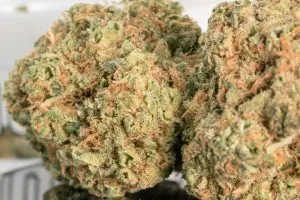
Cannabis buds become dense when the flower develops tightly packed bracts with little open space between them. Genetics set the plant’s natural flower structure, while light, temperature, humidity, nutrition, root health, and stress all influence how well those buds develop.
A strain that naturally produces compact flowers still needs good growing conditions to reach its potential. At the same time, some healthy strains naturally form looser buds, so density should always be judged against the genetics being grown.
What Does Dense Cannabis Look Like?
Dense cannabis usually has firm, compact flowers with closely packed bracts and little visible stem. The buds tend to feel heavier for their size than airy flowers.
Typical signs include tightly packed flower tissue, a firm structure, and well-developed colas. Understanding cannabis bud anatomy also makes it easier to see how the bracts, pistils and other parts of the flower fit together as buds develop. However, dense weed does not have to feel rock-hard to be high quality. Some strains naturally produce longer or more open flowers.
Grower tip: Compare your buds with the normal structure of the strain rather than assuming every healthy plant should produce extremely compact flowers.
Dense Buds vs Airy Buds: What Is the Difference?
The main difference is how tightly the flower develops.
| Feature | Dense Buds | Airy Buds |
| Structure | Tight, compact bracts | More space between bracts |
| Feel | Firm and solid | Soft or loose |
| Weight for size | Usually heavier | Usually lighter |
| Visible stem | Less visible | More visible |
| Cause | Often genetics plus good flower development | Can be genetic or linked to grow conditions |
Airy buds are not automatically a problem. Some genetics naturally produce a more open structure. However, if a strain known for dense buds finishes loose and underdeveloped, low light, heat stress, poor nutrient uptake, root issues, or unstable growing conditions may be responsible. Our guide to airy cannabis buds covers these causes in more detail and explains how to diagnose loose flowers.
Very dense buds also need good airflow and humidity control because moisture can become trapped inside compact flowers.
Are Dense Buds Better Than Fluffy Buds?
Not always. Dense buds are often preferred because they look compact and carry more weight for their size, but density alone does not determine cannabis quality.
Dense flowers are not automatically more potent, resinous, or flavorful. Cannabinoid and terpene production, genetics, plant health, harvest timing, drying, and curing all affect final quality.
A naturally fluffy bud can still have strong trichome coverage and high cannabinoid levels. The better measure is whether the plant has developed healthy flowers that match its genetic potential.
Grower tip: Use bud density as one sign of flower development, not the only measure of quality.
Why Are My Cannabis Buds Airy Instead of Dense?
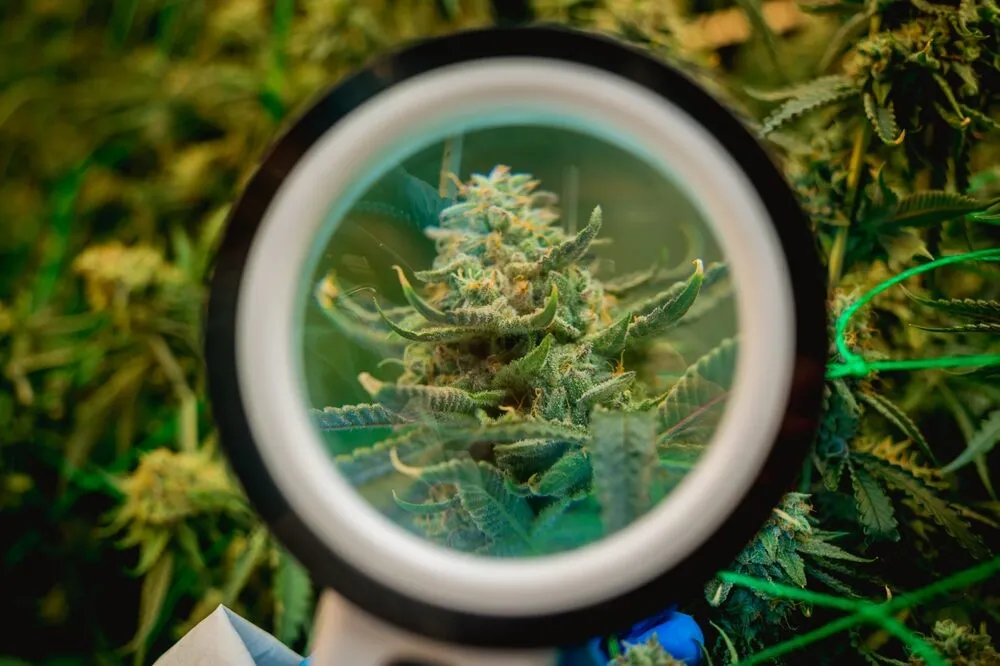
Airy cannabis buds are not always a sign of poor growing conditions. Some strains naturally produce looser flowers, but if a plant that normally develops compact buds finishes thin or underfilled, something may have limited flower development during flowering.
Common causes include genetics, weak light at the bud sites, excessive heat, unstable humidity, nutrient uptake problems, and root stress.
How Genetics Affect Cannabis Bud Density
Genetics set the natural shape and density a flower can achieve. Some cultivars produce short, tightly packed buds, while others form longer flowers with more space between the bracts.
This is why two healthy plants grown under the same conditions can still finish with very different bud structures.
Grower tip: Check the breeder's description and photographs before assuming naturally loose flowers are a growing problem.
Which Strains Naturally Produce Dense Buds?
Many indica cannabis seeds, particularly Afghani and Kush-influenced genetics, are associated with compact flowers, although bud structure can still vary between phenotypes.
| Strain | Typical Flower Structure |
| Afghani | Compact, tightly packed buds |
| Big Bud | Large, heavy flowers |
| Northern Lights | Firm, compact colas |
| Super Skunk | Thick, closely packed flowers |
| Critical | Large, dense flowers |
| Gorilla Glue | Chunky, compact buds |
Choosing strains with dense buds gives you a stronger genetic starting point, but the growing environment still affects the final result. If harvest weight is also a priority, you fcan compare high-yield cannabis seeds, but remember that yield and bud density are separate traits.
Low Light and Poor Canopy Penetration
Buds receiving less usable light are more likely to remain small and airy. If you're unsure how much light the canopy actually needs, our guide to cannabis grow lights explains intensity, coverage and positioning for indoor plants. This is most noticeable on lower or heavily shaded branches, where loose "popcorn" buds can develop while flowers near the top of the canopy fill out properly.
If the upper buds are dense but lower flowers are loose, uneven light exposure is a likely cause.
Heat, Humidity and Poor Airflow
Heat stress can produce loose, stretched, or foxtailed cannabis buds instead of compact flowers. Foxtailing can also be genetic, so check for other signs of environmental stress before making changes. Poor airflow and unstable humidity can add further stress, especially inside a crowded canopy.
Look for airy flowers alongside other signs such as excessive stretching, curled leaves, bleaching, or consistently high canopy temperatures.
Nutrient, pH, Watering and Root Problems
Bud development can also suffer when the roots cannot supply the plant with enough water and nutrients. Incorrect pH can cause nutrient lockout, leaving essential nutrients unavailable even when they are already present in the growing medium. Overfeeding, nutrient deficiencies, incorrect pH, overwatering, underwatering, and poor drainage can all interfere with uptake.
If loose buds appear alongside yellowing, burnt leaf tips, slow growth or drooping, check for cannabis nutrient deficiencies and root-zone problems before assuming the plant simply needs more fertilizer.
Grower tip: Identify the cause first. Adding bloom boosters will not correct low light, heat stress, poor watering, or unhealthy roots.
How to Increase Bud Density During Flowering
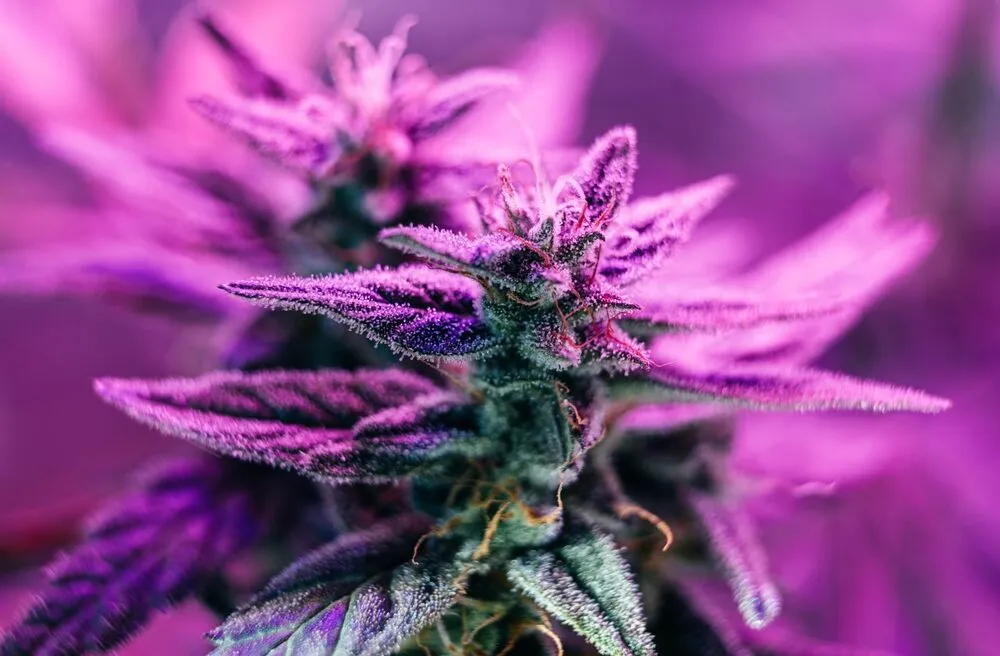
To increase bud density during flowering, focus on four things you can control: light intensity, environment, feeding, and the root zone. Genetics determine how compact the flowers can become, but keeping these conditions stable gives the plant the best chance of reaching that potential.
| What to Check | Useful Flowering Target | What to Do |
| PPFD | 600–900 µmol/m²/s | Measure across the canopy and correct weak spots |
| Temperature | 72–75°F (22–24°C) | Prevent heat buildup around the flowers |
| Relative humidity | 40–50% | Use extraction and airflow to control moisture |
| Hydro pH | 5.5–6.5 | Adjust the nutrient solution before feeding |
| Soil pH | 6.0–7.0 | Keep the root zone within a suitable range |
Use the Right Light Intensity and PPFD
Start by measuring PPFD at several points across the canopy with a PAR meter. Our cannabis light schedule guide explains how light intensity and daily light exposure change between vegetative growth and flowering. Aim for around 600–900 µmol/m²/s during flowering, then look for areas receiving noticeably less light.
If the center of the canopy is receiving enough light but the edges or lower bud sites are not, adjust the fixture, plant height, or canopy rather than simply increasing overall power. The goal is even coverage without causing light stress.
Grower tip: Take readings from the center, edges, and between plants. One PPFD reading directly under the light does not tell you how evenly the whole canopy is being lit.
Control Temperature, Humidity, VPD and Airflow
Keep flowering temperatures around 72–75°F (22–24°C) and relative humidity around 40–50% as a practical starting point.
Place your temperature and humidity sensor at canopy height and check conditions with the lights both on and off. Use oscillating fans to move air around the plants and extraction to remove warm, humid air.
VPD for cannabis can also help you judge how temperature and humidity are working together and whether the plant is transpiring within a suitable range. Use it as an additional guide rather than constantly changing the grow room to chase one exact number.
Grower tip: If conditions are correct near the intake but hot or humid around the flowers, improve airflow through the canopy.
Feed Cannabis Correctly Without Overfeeding
Follow a balanced flowering feed rather than increasing nutrients simply because the buds look small. Understanding the correct cannabis NPK ratio for each stage can help you avoid feeding too much of one nutrient while leaving another short. Increase strength gradually and monitor EC where appropriate.
Watch the plant after each adjustment. Burnt leaf tips, dark foliage, or slowing growth can indicate that feeding is already too strong. If the plant shows these signs, adding more nutrients is unlikely to improve bud density.
Grower tip: Make one feeding adjustment at a time so you can see how the plant responds.
Keep pH and the Root Zone in the Correct Range
Check the pH of your water or nutrient solution before feeding. As a general guide, aim for 5.5–6.5 in hydroponic systems and 6.0–7.0 in soil.
Next, check watering and drainage. If you're unsure when the root zone actually needs more water, our guide to watering cannabis plants explains how to judge moisture levels rather than relying on a fixed schedule. The root zone should not remain constantly saturated, but it should not repeatedly dry out to the point that the plant wilts either.
If buds stop filling out, check pH, drainage, watering frequency, and root health before changing the nutrient strength.
Grower tip: Correct root-zone problems first. A plant with stressed roots cannot make full use of extra fertilizer.
How to Make Buds Dense With Plant Training and Good Plant Care
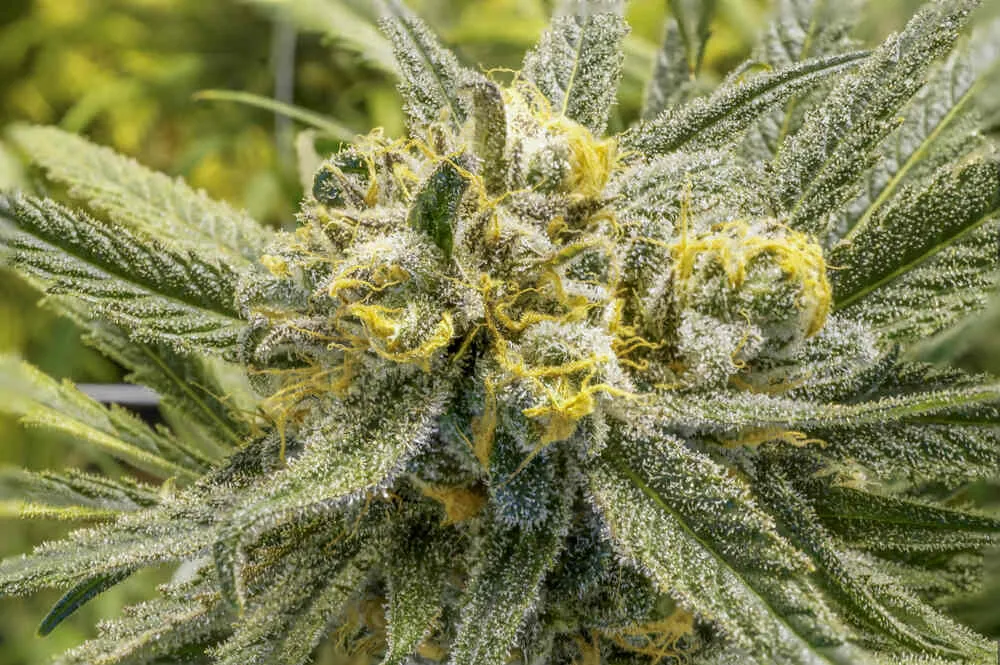
Plant training cannot change a strain's natural flower structure, but it can help more bud sites receive strong, even light. Good timing matters: most structural training should be completed during vegetative growth or early flowering so the plant can focus on developing flowers later.
Use LST, Topping and Pruning to Improve Light Penetration
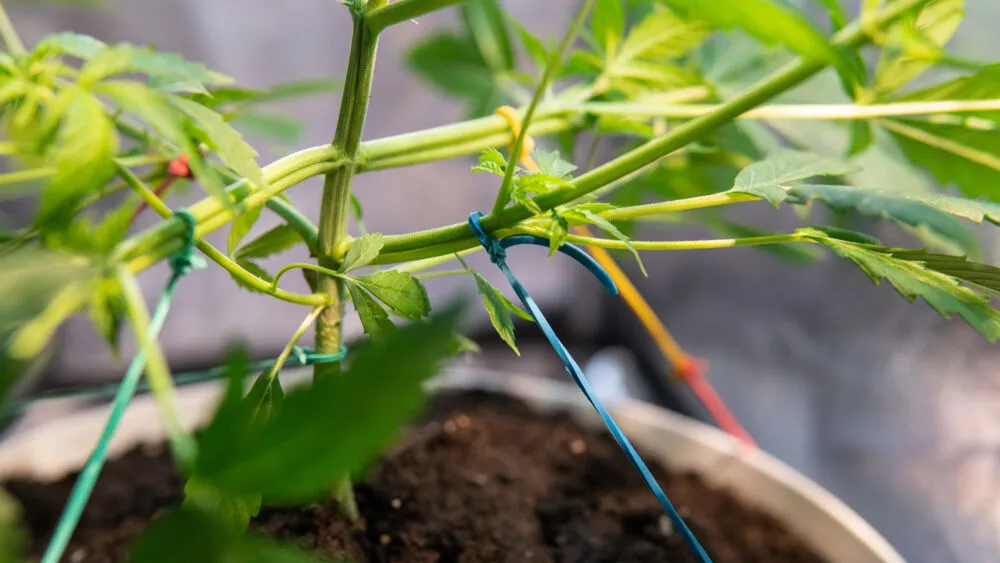
Low-stress training (LST) spreads branches outward to create a wider, flatter canopy. You can also top cannabis plants to encourage several main branches instead of allowing one dominant cola to take most of the available light.
These techniques can reduce the number of small, shaded "popcorn" buds and direct more light toward productive flower sites. The source article similarly recommends LST, topping, and pruning to improve canopy exposure and light penetration.
Grower tip: Complete topping and heavier pruning before flowering is well underway. Aggressive training late in flower can cause unnecessary stress.
Manage the Canopy So Bud Sites Receive Even Light
An uneven canopy leaves tall colas close to the light while shorter branches remain shaded. Keeping the canopy level allows PPFD to be distributed more evenly across developing buds.
Continue adjusting ties during early flowering if needed, and remove only enough growth to prevent heavy shading. The aim is better light penetration without stripping the plant excessively.
Grower tip: Check light levels at several points across the canopy rather than measuring only directly beneath the center of the fixture.
Water Correctly and Keep Roots Healthy
Healthy roots support steady water and nutrient uptake during flowering. Avoid keeping the growing medium constantly saturated or allowing plants to become severely dry between waterings.
Rather than following a fixed watering schedule, use the weight and moisture level of the growing medium to judge when irrigation is needed.
Avoid Stress That Causes Fluffy or Foxtailed Buds
Excessive heat, light stress, damaged branches, and major environmental swings can interfere with flower development. High temperatures can also cause elongated or foxtailed growth instead of compact buds.
Foxtailing is not always a problem, however. Some genetics naturally produce this flower shape, so check whether environmental stress is present before trying to correct it.
Grower tip: During mid-to-late flowering, prioritize stable conditions over aggressive training or major changes to the grow setup.
Give Buds Enough Time to Develop Before Harvest
Cannabis flowers continue swelling as they mature, so harvesting too early can leave buds smaller and less developed than their genetic potential allows.
Use the breeder's flowering time as a guide rather than a fixed harvest date. Learning when to harvest cannabis means checking trichome development and overall flower maturity rather than relying on the calendar alone.. Check overall flower maturity and trichome development before cutting the plant instead of relying on bud density alone.
Grower tip: If the plant is healthy and still developing, do not harvest early simply because the buds already look large.
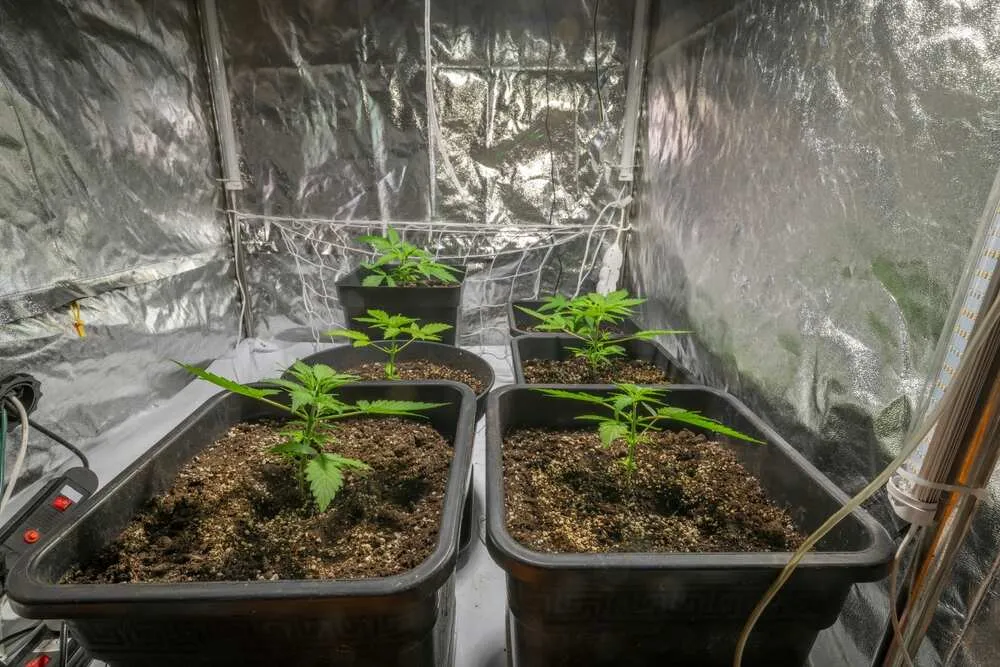
Create the Ideal Grow Room Environment for Dense Buds
A stable grow room environment helps cannabis plants develop dense, healthy flowers. Once lighting and nutrition are dialed in, temperature, humidity, airflow, and ventilation become the main factors to control. Large swings in any of these can stress plants and contribute to loose or airy buds.
Temperature and Humidity Targets for Each Stage
Cannabis needs different conditions as it moves from seedling to vegetative growth and flowering. During flower, slightly cooler temperatures and lower humidity help support bud development while reducing excess moisture around dense flowers.
| Growth Stage | Temperature | Relative Humidity |
| Seedling | Around 75°F (24°C) | 60–70% |
| Vegetative | Around 75°F (24°C) | 60–70% |
| Flowering | 72–75°F (22–24°C) | 40–50% |
Use a digital thermometer and hygrometer at canopy height rather than relying on readings taken elsewhere in the room. Environmental stress can reduce flower development and contribute to loose, airy buds.
Grower tip: Check both daytime and nighttime conditions. A grow room that looks stable when the lights are on can change considerably after they switch off.
Airflow, Ventilation and CO₂
Good ventilation helps control heat and humidity while supplying fresh air to the canopy. Oscillating fans should keep air moving around and between plants, while extraction removes warm, humid air from the grow space.
Cannabis also uses carbon dioxide during photosynthesis. Most home growers receive enough through normal air exchange, while more advanced setups can use supplemental CO₂ in a cannabis grow room when lighting and environmental control are already dialed in. Most home growers receive enough CO₂ through normal air exchange, but controlled grow rooms can use supplemental CO₂ alongside suitable light levels and environmental control.
This guide uses 1,000–1,500 ppm during vegetative growth and 1,200–1,500 ppm during flowering for supplemented rooms. CO₂ is used during the light period, so supplementation should be managed alongside lighting and ventilation rather than treated as a standalone way to increase bud density.
Grower tip: Get temperature, humidity, lighting, and airflow stable before considering supplemental CO₂.
Reduce Stress During Flowering
Temperature stress can interfere with normal flower development, particularly when conditions remain outside the plant's preferred range for long periods.
| Heat Stress | Cold Stress |
| Loose or elongated flowers | Slower flower development |
| Bleaching or crispy tissue | Drooping or discolored leaves |
| Reduced bud density | Smaller, less-developed bracts |
| Slower growth and lower yields | Reduced nutrient uptake |
| Greater moisture and mold concerns in dense flowers | Greater stress on the root zone |
Heat stress can cause flowers to stretch or become fluffy, while cold conditions can slow growth and nutrient uptake. The goal is not to chase an exact number every hour, but to keep the flowering environment as stable as possible.
Grower tip: If buds suddenly begin developing loosely, check canopy temperature, humidity, and airflow before changing the feeding program.
Conclusion
Growing dense cannabis buds starts with the right genetics, but the growing environment determines how closely a plant reaches that potential. Strong, even light, stable temperature and humidity, balanced nutrition, healthy roots, and good canopy management all support better flower development.
If your buds are unusually airy, avoid trying to fix the problem with extra fertilizer or bloom boosters straight away. Check light levels, heat, humidity, watering, pH, and root health first. Some strains will also naturally produce a looser flower structure, even when grown under ideal conditions.
The goal when learning how to grow dense cannabis is not to make every bud rock-hard. It is to give the plant stable conditions so it can develop healthy flowers that match its genetics.
Frequently Asked Questions
Can Airy Buds Become Dense Later in Flowering?
Yes, buds can continue to swell and become denser as flowering progresses. However, severely underdeveloped flowers caused by poor light, heat stress, or root problems may not completely recover. Correct the underlying issue as early as possible and give the plant enough time to finish.
Are Dense Buds More Potent Than Fluffy Buds?
Not necessarily. Bud density and potency are different characteristics. A fluffy bud can still contain high levels of cannabinoids and trichomes, while a very dense flower is not automatically more potent. Genetics, plant health, maturity, and post-harvest handling all influence final quality.
Can Autoflowers Produce Dense Buds?
Yes. Autoflowering cannabis can produce dense buds when the genetics naturally support compact flower development and the plant receives suitable light, nutrition, and environmental conditions. Because autoflowers have a fixed life cycle, avoiding major stress is especially important.
Does Drying and Curing Make Cannabis Buds Denser?
Drying removes moisture from harvested flowers, which can make them feel firmer and more compact, but it cannot turn naturally airy buds into genuinely dense flowers. Bud structure is largely determined before harvest.
What Is the Fastest Way to Increase Bud Density?
There is no single quick fix. The best way to increase bud density is to correct whichever factor is limiting flower development. Check light intensity and coverage first, then temperature, humidity, watering, root-zone pH, and nutrition. Genetics still determine the maximum density a plant can achieve.


