




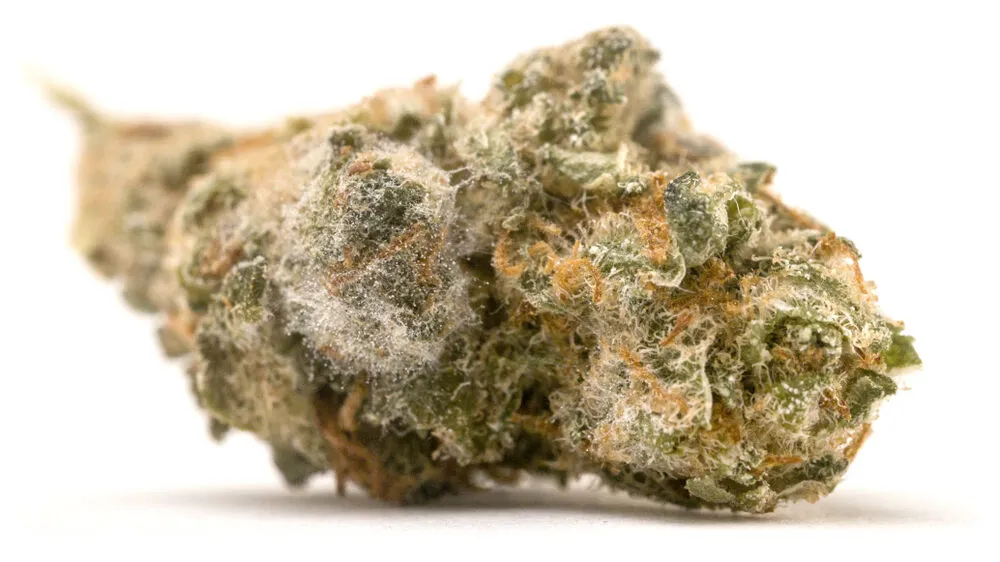
Wondering what does moldy weed look like? Moldy weed often appears as white, gray, black, or brown fuzzy patches and usually develops a musty, mildew-like smell that's very different from the fresh aroma of healthy cannabis. Whether you've grown your own plants or purchased marijuana from a dispensary, learning to identify mold early is essential for protecting both your health and the quality of your cannabis.
Mold can develop at almost any stage, from late flowering and drying to curing and long-term storage. In my experience, I've seen perfectly healthy-looking buds become moldy simply because they were stored before they had fully dried. Fortunately, once you know the warning signs, moldy cannabis is usually easy to identify before it becomes a bigger problem.
In this guide, you'll learn how to identify mold on cannabis, the most common types of mold found on weed, what causes mold to develop, whether it's safe to smoke moldy weed, and the best ways to prevent mold from ruining your harvest or stored buds.
Key Takeaways
- Moldy weed commonly appears as white, gray, brown, or black fuzzy patches and often has a musty, mildew-like odor.
- Powdery mildew, bud rot (Botrytis), and Aspergillus are the most common types of mold found on cannabis.
- High humidity, poor airflow, improper drying, and incorrect storage are the leading causes of moldy cannabis.
- Never smoke or vape moldy weed, as it may expose you to mold spores that can irritate the lungs and trigger respiratory problems.
- Inspect dense buds regularly, dry and cure cannabis thoroughly, and store it in clean glass jars in a cool, dark place to help prevent mold from developing.
- What Does Moldy Weed Look Like?
- Why Does Weed Become Moldy?
- What Happens If Weed Gets Moldy?
- Common Types of Mold Found on Cannabis
- Moldy Weed vs. Trichomes: How to Tell the Difference
- Can You Smoke Moldy Weed?
- What Should You Do If You Find Mold on Cannabis?
- How to Prevent Mold on Cannabis
- What to Do If You Spot Mold on Your Weed
- Frequently Asked Questions
What Does Moldy Weed Look Like?
If you've ever opened a jar of cannabis and wondered whether something looked "off," it's worth taking a closer look before you light up. If you're growing your own cannabis plants, learning to spot mold early can save an entire harvest. Moldy weed often shows obvious warning signs once you know what to look for, and catching them early can save you from smoking contaminated cannabis or introducing mold into the rest of your stash.
From my own experience growing and inspecting thousands of plants over the years, beginners most often mistake mold for trichomes. Healthy trichomes are crystal-like, sticky, and sparkle under light, while mold appears dull, fuzzy, powdery, or web-like. When in doubt, trust your eyes, your nose, and your instincts. If a bud looks or smells unusual, it's always safer to throw it away than take the risk.
5 things to look for when buying weed from a dispensary
| Warning Sign | What to Look For |
| Unusual discoloration | White, gray, black, or brown patches instead of healthy green, orange, or purple colors. |
| Fuzzy or web-like growth | Fine hairs or cotton-like patches on the buds, especially deep inside dense flowers. |
| Musty odor | A damp basement, mildew, or wet cardboard smell instead of the fresh, pungent aroma cannabis is known for. |
| Powdery residue | A chalky white or gray coating that brushes off easily, unlike sticky resin glands (trichomes). |
| Abnormal texture | Buds that feel unusually damp, soft, slimy, or crumble apart far too easily may have developed mold during curing or storage. |
One of the easiest ways to identify moldy weed is by gently breaking a bud apart. Bud rot often begins deep inside the flower where moisture becomes trapped, so the outside can appear perfectly healthy while the center has already turned gray or brown. I make a habit of checking the densest buds first because that's almost always where mold starts.
If you're purchasing cannabis from a dispensary, don't rely on appearance alone. Look at the flower under good lighting, smell it before buying if possible, and avoid anything that looks excessively moist or has an unusual odor. High-quality cannabis should feel slightly sticky from resin production, not damp or fuzzy. Learning to recognize these early warning signs will help you avoid moldy cannabis and protect both your health and your growing investment.
Why Does Weed Become Moldy?
Mold doesn't appear out of nowhere. Mold spores are naturally present in the air, both indoors and outdoors, and they're constantly looking for the right environment to grow. Cannabis becomes vulnerable when those spores land on a plant or dried flower and find warmth, moisture, and limited airflow. Once conditions are favorable, mold can spread surprisingly quickly, sometimes in just a few days.
In my experience, the biggest mistake new growers make is assuming mold is only a problem during flowering. While late flowering is certainly the highest-risk stage because dense buds trap moisture, Mold can also develop during drying cannabis, curing, and long-term storage if moisture levels aren't properly controlled.. I've seen perfectly healthy-looking harvests ruined simply because the buds were jarred before the center had fully dried.
High humidity is the biggest contributing factor, especially if grow room humidity isn't kept under control. As a general rule, relative humidity above 60–65% creates conditions where fungal growth becomes much more likely. Poor air circulation makes matters even worse because moisture lingers around the buds instead of being carried away by fresh air. Indoors, overcrowded plants, inadequate exhaust fans, and excessive leaf cover all increase the risk of mold developing.
Good hygiene is another factor that's often overlooked. Dirty trimming scissors, contaminated pots, standing water, and old plant debris can all introduce fungal pathogens into the grow room. I always recommend treating cleanliness as part of your grow routine rather than something you only think about when a problem appears.
Even if you're buying cannabis rather than growing it, storage still matters. Weed sealed in an airtight container before it's fully cured can trap residual moisture, which is why curing cannabis correctly is just as important as drying it. Keeping cannabis in a cool, dark place with stable humidity is one of the easiest ways to preserve its quality and prevent fungal contamination.
What Happens If Weed Gets Moldy?
Once mold takes hold, there's no way to restore cannabis to its original quality. The fungus continues feeding on plant material, breaking down cannabinoids, terpenes, and the delicate flower structure that gives high-quality cannabis its aroma, flavor, and potency. The longer mold is left untreated, the more extensive the damage becomes.
From a grower's perspective, early detection is everything. If I find bud rot on a flowering plant, I remove the affected material immediately and inspect every surrounding bud because mold rarely stays isolated for long. During drying or storage, however, mold often spreads unnoticed until multiple buds have already been contaminated.
Smoking or vaping moldy cannabis is never recommended. While healthy adults may only experience mild irritation after accidental exposure, mold spores and, in some cases, mycotoxins can trigger coughing, allergic reactions, or respiratory infections. People with asthma, allergies, chronic lung conditions, or weakened immune systems are at a much greater risk of developing more serious complications. If you suspect cannabis is moldy, the safest option is to dispose of it rather than trying to salvage it.
Many beginners ask whether they can simply cut away the mold and use the rest of the bud. Unfortunately, that's rarely a safe solution. By the time mold becomes visible, microscopic fungal threads have often spread far beyond what you can actually see. Removing the obvious patch doesn't eliminate the contamination hidden deeper inside the flower.
Beyond the potential health concerns, mold dramatically reduces the overall quality of cannabis. The fresh aroma is replaced with a musty, damp smell, the flavor becomes harsh, and the flower loses much of the resin that contributes to potency. Whether you're a home grower or buying from a dispensary, moldy cannabis simply isn't worth the risk. Discarding contaminated buds is disappointing, but it's far better than compromising your health or ruining the rest of your stored cannabis.
Common Types of Mold Found on Cannabis
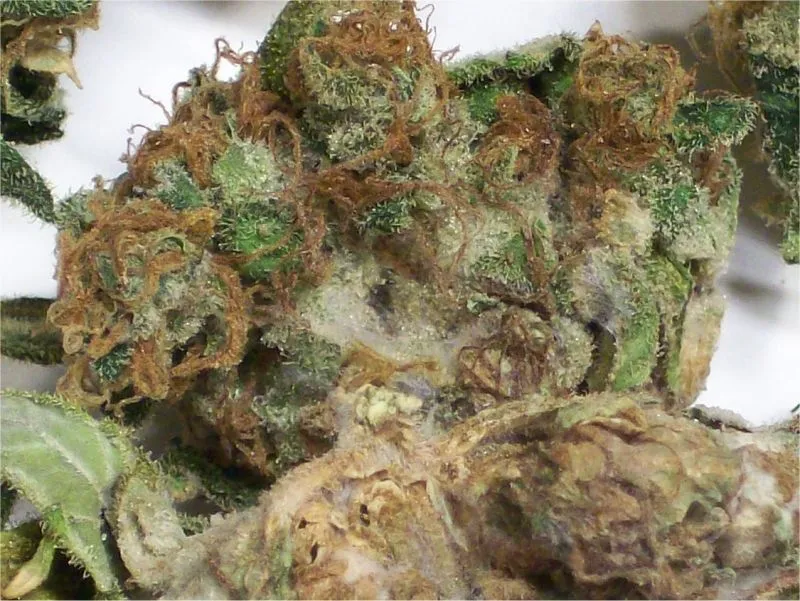
Not all mold looks the same, and recognizing it can help you decide whether a plant can be treated or discarded. While many fungal pathogens affect cannabis, these are the three most common types of cannabis mold growers encounter.
| Mold Type | Appearance | Where It's Commonly Found |
| Powdery Mildew | White or gray powdery coating | Leaves, stems, and buds |
| Botrytis (Bud Rot) | Gray, brown, or white fuzzy patches | Inside dense flowers |
| Aspergillus | Green, black, or yellow mold | Stored or improperly cured buds |
Powdery mildew is easy to spot because it forms on the plant’s surface. It begins as small white spots resembling flour and can spread across leaves and flowers. If caught early, it may be managed, but buds affected by mildew should be discarded.
Botrytis, or bud rot, is more destructive. It develops inside dense buds where moisture gets trapped. The outer flower may appear healthy while the interior turns gray or brown and begins to decay. Checking large colas by gently opening them can help detect early signs.
Aspergillus typically appears after harvest due to poor drying or storage. It shows up as green, black, or yellow mold on cured buds with excess moisture. Unlike trichomes, which are shiny and sticky, Aspergillus looks dull and fuzzy and often smells musty.
Learning to identify these molds and distinguish them from healthy resin is essential for safe consumption and proper plant care.
Moldy Weed vs. Trichomes: How to Tell the Difference
Beginner growers often confuse trichomes with mold since both can appear white. However, knowing the key differences makes identification much easier.
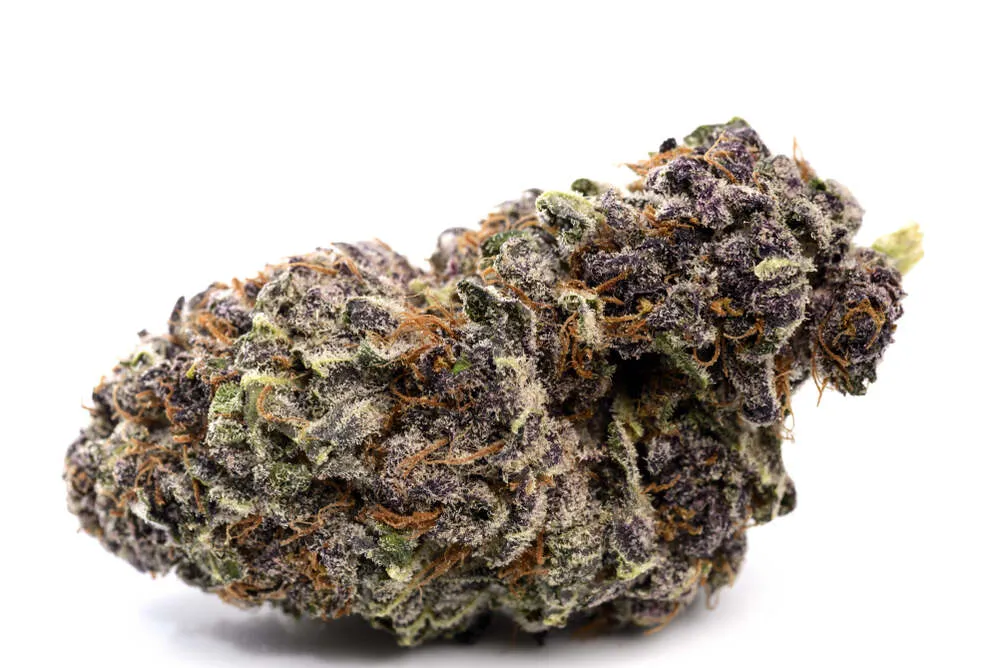
When inspecting buds, observe how they reflect light. Trichomes look crystal-like and give cannabis a frosty, sparkling appearance. Mold appears dull, fuzzy, or powdery and spreads unevenly rather than forming a consistent coating.
| Trichomes | Mold |
| Clear, cloudy, or amber resin glands | White, gray, green, or black fungal growth |
| Sticky and hard to remove | Powdery or fuzzy and may wipe away |
| Evenly coats the bud | Appears in patches or web-like clusters |
| Fresh, pungent aroma | Musty, damp, or mildew-like smell |
| Indicates healthy cannabis | Indicates contamination |
If unsure, break open a dense bud. Mold often starts inside, while trichomes remain evenly distributed. With practice, spotting mold becomes easier, helping protect your harvest and stash.
Can You Smoke Moldy Weed?
The short answer is no. If you suspect your weed is moldy, it's best not to smoke, vape, or consume it in any form. While accidentally inhaling a small amount of mold may not cause serious problems for every healthy adult, there's no reliable way to know what type of mold is present or how your body will react.
From years of growing cannabis, I've learned that visible mold is usually just the tip of the iceberg. By the time you can see fuzzy patches or smell a musty odor, microscopic fungal threads have often spread throughout the flower. Simply cutting away the moldy section doesn't make the remaining bud safe to use.
Smoking moldy cannabis can expose you to mold spores and, in some cases, harmful compounds produced by certain fungi. These can irritate the lungs and may trigger coughing, wheezing, allergic reactions, or respiratory infections. People with asthma, allergies, chronic lung conditions, or weakened immune systems should be especially cautious and avoid moldy cannabis altogether.
It's also worth remembering that mold doesn't just affect safety. It ruins quality. Moldy weed loses much of its aroma, flavor, and overall appeal, while the cannabinoids and terpenes begin to degrade as the fungus spreads.
If you're ever unsure whether a bud is contaminated, don't take the chance. Cannabis is replaceable, but your health isn't. When in doubt, throw it out and make sure the rest of your stash hasn't been exposed to the same conditions.
What Should You Do If You Find Mold on Cannabis?
Finding mold on cannabis can be frustrating, but acting quickly can stop the problem from spreading. Whether you're still growing your plants or you've already harvested them, the best approach depends on when you discover the contamination.
During the Grow
If you find mold on a living plant, isolate the affected plant if possible and carefully remove any infected leaves or buds using clean, sanitized pruning shears. Always inspect the surrounding flowers because mold spores spread easily through the air. At the same time, reduce humidity, improve airflow, and increase ventilation to slow further fungal growth. Catching the problem early can sometimes prevent the rest of the crop from being affected.
After Harvest
If mold appears while drying, immediately remove any contaminated buds from the drying area. Never leave moldy flowers alongside healthy ones, as spores can quickly spread between them. Carefully inspect the remaining harvest, paying close attention to the largest, densest buds where mold is most likely to develop.
While Storing Buds
If you discover mold in a storage jar, discard the affected buds immediately and inspect the entire container. Check your other jars as well, especially if they were cured or stored under the same conditions. Before reusing any containers, wash and sanitize them thoroughly to remove any remaining spores.
Can Moldy Weed Be Saved?
In my experience, the answer is almost always no. Once mold becomes visible, it's usually spread further than you can see. Trimming away the affected area doesn't remove the microscopic fungal growth inside the flower. It's disappointing to throw away cannabis you've worked hard to grow, but it's far safer than risking your health or contaminating the rest of your harvest.
How to Prevent Mold on Cannabis
Preventing mold is far easier than dealing with it after it appears. In my experience, most mold problems can be traced back to excess moisture, poor airflow, or rushing the drying and curing process. Developing good habits from the start will dramatically reduce the chances of losing part or all of your harvest.
Store Cannabis Correctly
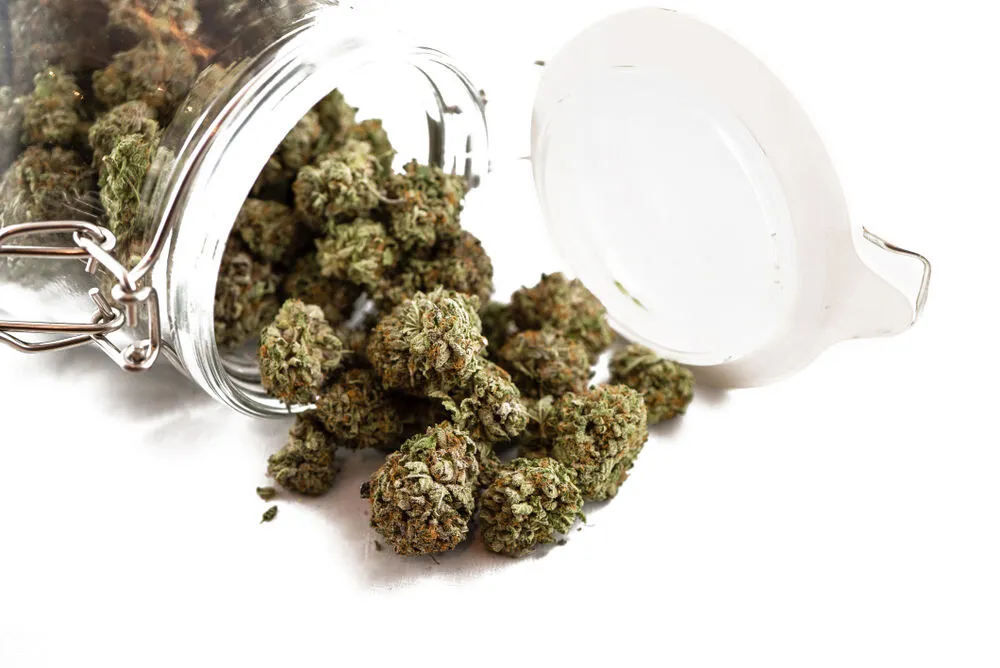
Even perfectly grown cannabis can develop mold if it's stored incorrectly. Before placing buds into glass jars, make sure they're fully dried and properly cured. Sealing cannabis with too much internal moisture is one of the most common causes of mold during storage.
I always use clean, completely dry glass jars and store them in a cool, dark location away from direct sunlight and heat. During the first week of curing, open each jar once or twice a day for a few minutes to release excess moisture, a process growers call "burping". At the same time, inspect your buds for any unusual smells or signs of mold. Catching a problem early can prevent an entire jar from being lost.
Reduce the Risk During the Grow
The best way to deal with mold is to stop it from developing in the first place. Keep humidity under control, maintain strong air circulation, and keep the temperature and humidity within the correct range throughout the grow. Inspect dense buds regularly throughout the cannabis flowering stage, as this is when bud rot most commonly develops.
Good hygiene is equally important. Remove dead plant material promptly, sanitize trimming tools between plants, and keep your grow room clean throughout the entire grow cycle. These simple routines have helped me avoid far more mold problems than any treatment I've ever used.
By combining proper growing conditions with careful drying, curing, and storage, you'll greatly reduce the chances of finding moldy cannabis and preserve the aroma, potency, and quality of every harvest. If you're growing in a humid environment where fungal problems are common, choosing mold resistant strains can also help reduce the risk.
What to Do If You Spot Mold on Your Weed
Discovering moldy weed is disappointing, whether you've just harvested your own plants or bought cannabis from a dispensary. The most important thing is not to ignore it. Mold spreads quickly, and using contaminated cannabis simply isn't worth the risk.
How to Check for Mold Before Smoking
If you suspect a bud may be moldy, inspect it carefully under good lighting before using it. I always break open the largest, densest buds because mold, particularly bud rot, often develops in the center long before it becomes visible on the outside. Look for white, gray, or brown fuzzy patches, powdery growth, unusual discoloration, or a damp, musty smell. If anything seems unusual, it's safest to assume the flower is contaminated.
How to Dispose of Moldy Weed
If you confirm mold is present, discard the affected cannabis immediately. Keep it well away from your grow room or any stored buds, as mold spores can easily spread through the air and contaminate healthy plants or harvested flowers. If the mold was found in a storage jar, inspect every bud inside the container and thoroughly clean and sanitize the jar before using it again.
Can Moldy Weed Be Saved?
In most cases, no. While powdery mildew on fan leaves may sometimes be managed during the growing stage, mold that has reached the buds should not be cleaned or trimmed away. Once fungal growth is visible, microscopic spores have often spread throughout the flower, even if only a small area appears affected. From my experience, it's always better to sacrifice one contaminated bud than risk your health or lose the rest of your harvest.
Frequently Asked Questions
Can moldy weed make you sick?
Yes. Smoking or vaping moldy weed can expose you to mold spores that may irritate the lungs and trigger coughing, wheezing, allergic reactions, or respiratory infections. While healthy adults may only experience mild symptoms, people with asthma, allergies, chronic lung conditions, or weakened immune systems are at a much higher risk of developing more serious complications. If you suspect your cannabis is moldy, it's best to throw it away.
Can you remove mold from weed and still smoke it?
No. Once mold becomes visible, microscopic fungal threads have usually spread throughout the bud, even if only a small area appears affected. Cutting away the moldy section or brushing it off doesn't remove the contamination, so the safest option is to discard the entire bud.
What does moldy weed smell like?
Moldy cannabis has a musty, damp smell that's often compared to a wet basement, old books, or mildew. Healthy cannabis should smell fresh, pungent, fruity, earthy, or skunky, depending on the strain. If the aroma seems unusual or unpleasant, inspect the buds carefully before using them.
How long does it take for weed to become moldy?
It depends on the conditions. Cannabis stored with too much moisture or kept in a warm, humid environment can develop mold within a matter of days. Proper drying, curing, and storage in a cool, dark place with stable humidity greatly reduce the risk of mold developing.
Can mold spread from one bud to another?
Yes. Mold reproduces by releasing microscopic spores that can spread through the air or inside storage containers. If one bud becomes moldy, nearby buds may already be contaminated, even if they don't show visible signs of mold. That's why it's important to inspect your entire stash and store cannabis under the correct conditions.


