




Miracle-Gro soil can grow cannabis, but it is not usually the best choice for beginner growers. Many people ask, “Is Miracle-Gro good for pot plants?” or “Can you use Miracle-Gro on weed?” The answer is yes, but it comes with risks. Many Miracle-Gro potting mixes contain extended-release fertilizer designed to feed common garden and container plants for several months. While this may be convenient for general gardening, cannabis needs different nutrient levels as it moves through the seedling, vegetative, and flowering stages.
From experience, plants grown in heavily pre-fertilized soil like Miracle-Gro can look healthy at first, with fast growth and dark green leaves. However, problems often appear later when the soil continues releasing nutrients and the grower adds more fertilizer. This can lead to nutrient burn, leaf clawing, salt buildup, and poor flower development, making Miracle-Gro less ideal for growing weed compared to more controlled cannabis soil options.
In this guide, you will learn whether Miracle-Gro soil is good for growing weed, why this type of marijuana fertilizer can be difficult to manage, and what to do if your plant is already growing in it. We will also cover better soil options for cannabis that give beginners more control over watering, feeding, and root health.
Key Takeaways
- Cannabis can grow in Miracle-Gro soil, but many mixes contain extended-release fertilizer that makes feeding harder to control.
- Problems often appear after healthy early growth, including dark leaves, clawing, nutrient burn, and slow flower development.
- Avoid adding extra nutrients until you know how much fertilizer is already present in the soil.
- If the plant is already growing in Miracle-Gro, monitor new growth, water carefully, and only transplant if symptoms become severe.
- A lightly fertilized, well-draining organic or cannabis-specific soil is usually a safer option for beginner growers.
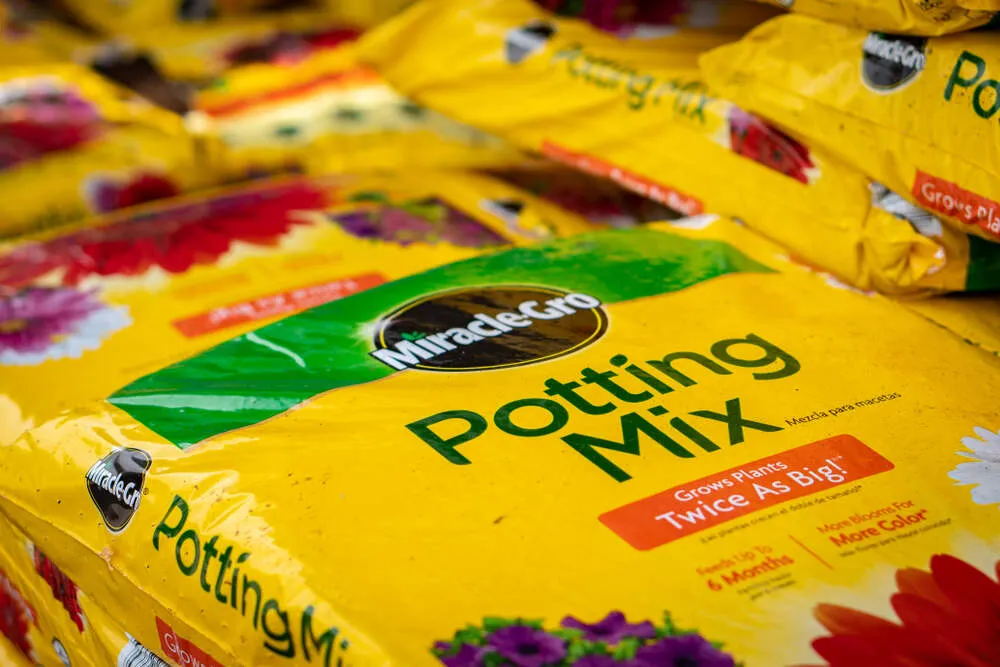
What Is Miracle-Gro Soil?
Miracle-Gro is a widely available gardening brand that sells several potting mixes for houseplants, vegetables, flowers, and outdoor containers. Many of these soils contain added fertilizer designed to feed plants gradually over several months.
The exact ingredients vary by product, but standard Miracle-Gro potting mixes commonly contain peat-based materials, composted bark, perlite, wetting agents, and extended-release fertilizer. This type of soil is convenient for general gardening because the grower does not need to add nutrients straight away.
However, that same convenience can become a problem when growing cannabis. The best soil for growing weed should provide good drainage, root aeration, and enough control to adjust feeding as the plant moves from the cannabis seedlings stage through cannabis vegetative growth stage and into cannabis flowering stage. When fertilizer is already mixed into the soil, you have less control over how much the plant receives at each stage.
Can You Use Miracle-Gro Soil for Growing Weed?
You can grow cannabis in Miracle-Gro soil, but it is not usually the best choice, especially for beginners. Some plants may grow well during the early vegetative stage, but problems often appear later when the plant’s feeding requirements begin to change.
In my experience, cannabis grown in heavily pre-fertilized soil can look healthy at first. The leaves may grow quickly and develop a deep green color, which can make the plant appear well-fed. The difficulty comes when the soil continues releasing nutrients and the grower adds a separate cannabis fertilizer on top. This can quickly push the root zone beyond what the plant can handle.
The main concern is not that Miracle-Gro contains nutrients. The problem is that the grower has limited control over when those nutrients are released and how much reaches the roots.
Why Miracle-Gro Soil Can Cause Problems for Cannabis
Cannabis requires a balanced feeding plan throughout its life cycle. The ideal cannabis NPK ratio changes as the plant moves from seedlings through vegetative growth and into flowering. Plants generally use a higher proportion of nitrogen during vegetative growth before their nutrient requirements shift once flowering begins.
A potting mix that continues releasing a fixed fertilizer blend may not match this transition. This can make it difficult to adjust the nutrient ratio or respond when the plant begins showing signs of overfeeding.
| Potential problem | What beginners may notice |
|---|---|
| Excess nitrogen | Very dark green leaves, downward-clawing tips, soft leafy growth |
| Nutrient burn | Brown or crispy leaf tips and edges |
| Salt buildup | Increasing damage after watering or feeding |
| Poor nutrient balance | Slow flowering, weak bud development, or deficiency-like symptoms |
| Reduced feeding control | Difficulty knowing whether to add more nutrients |
One of the most common mistakes is treating Miracle-Gro soil as though it were an unfertilized growing medium. Adding a full-strength feeding schedule on top of the fertilizer already present can cause nutrient burn in cannabis, often beginning with unusually dark foliage and damaged leaf tips.
How Miracle-Gro Affects Cannabis Nutrient Balance
Extended-release fertilizer is designed to release nutrients gradually when the soil is watered and exposed to normal growing temperatures. This works well for many garden plants, but cannabis is more responsive to changes in nutrient strength and root-zone conditions.
Too much nitrogen during flowering may contribute to dark foliage, leaf clawing, slower flower development, and weaker overall bud quality. Excess fertilizer salts can also affect the root zone and make it harder for the plant to absorb water and certain nutrients efficiently.
This is sometimes described as nutrient lockout, but beginners should understand that lockout is not caused by one factor alone. Incorrect pH, salt buildup, overfeeding, poor drainage, and root damage can all interfere with nutrient uptake.
The best approach is to use a soil that gives you control. A lightly fertilized, well-draining potting mix allows you to introduce nutrients gradually and adjust the feeding strength according to the plant’s stage and appearance.
Is Miracle-Gro Soil Good for Cannabis?
Standard Miracle-Gro soil can keep a cannabis plant alive, but it is not the most forgiving option for a beginner grower. The extended-release fertilizer makes it harder to manage nitrogen levels, change nutrient ratios, and correct overfeeding once symptoms appear.
For better control, choose a lightly amended organic soil, a cannabis-specific potting mix, or a well-aerated soil that does not contain long-term fertilizer. This allows you to feed only when the plant needs it and makes nutrient problems much easier to diagnose.
What to Do If You Already Planted Cannabis in Miracle-Gro Soil
If your cannabis plant is already growing in Miracle-Gro soil, do not panic or immediately remove it from the pot. Some plants can continue growing successfully, especially if they are still healthy and the soil is draining well. The first step is to avoid adding more nutrients until you know how the plant is responding to the fertilizer already in the mix.
Check the Miracle-Gro bag to see how long the soil is designed to feed plants. Different products contain different fertilizer levels, so knowing the exact mix will help you decide how cautious to be with additional feeding.
Stop Adding Extra Nutrients
Do not follow a full cannabis feeding schedule while the soil is still releasing fertilizer. Adding bottled nutrients on top of a pre-fertilized mix is one of the quickest ways to cause nutrient burn.
Watch the newest leaves and growing tips closely. If they remain healthy, continue watering normally and allow the plant to use the nutrients already available in the soil.
Monitor the Plant for Signs of Overfeeding
The plant’s appearance will tell you more than a fixed feeding calendar. Check it every few days for changes in leaf color, shape, and growth rate.
| What you notice | What it may indicate | What to do |
| Healthy green leaves and steady growth | The plant is tolerating the soil | Continue watering without extra nutrients |
| Very dark green leaves | Excess nitrogen | Stop feeding and monitor new growth |
| Downward-clawing leaf tips | Nitrogen toxicity or overwatering | Let the soil dry properly and avoid nutrients |
| Brown or crispy leaf tips | Nutrient burn | Use plain water and reduce overall stress |
| Yellowing between leaf veins | Possible uptake or pH issue | Check root-zone pH before adding nutrients |
| Slow growth in wet soil | Poor drainage or root stress | Improve airflow and allow longer drying periods |
Focus on new growth when judging whether the plant is recovering. Damaged leaves will not return to normal, but healthy new leaves show that conditions are improving. Yellowing, spots, and slow growth do not always mean the plant needs more food, so compare the symptoms with common marijuana nutrient deficiencies before adding fertilizer.
Water Carefully
Water only when the upper layer of soil has dried and the pot feels noticeably lighter. Keeping Miracle-Gro soil constantly wet can reduce oxygen around the roots and may also encourage more fertilizer to become available.
When watering, apply it slowly and evenly across the surface rather than pouring it into one area. Make sure the container has enough drainage holes and never allow the pot to sit in runoff.
Avoid repeatedly flushing the soil with large amounts of water as a routine fix. Heavy flushing may wash out some soluble salts, but it cannot reliably remove fertilizer held inside extended-release granules. It can also leave the root zone waterlogged.
Check the Root-Zone pH
If the plant shows deficiency-like symptoms despite growing in nutrient-rich soil, test the pH before assuming it needs more fertilizer. Cannabis grown in soil generally absorbs nutrients most effectively when the root zone remains around pH 6.0 to 7.0.
A pH problem can make nutrients less available even when plenty are present. Adding more fertilizer in this situation often makes the problem worse.
Consider Transplanting
Transplanting into a lighter soil may be the best option if the plant is young and showing severe or worsening nutrient burn. Choose a well-draining, lightly fertilized potting mix and remove only the loose Miracle-Gro soil around the outside of the root ball.
Do not aggressively wash or pull soil away from the roots, as this can cause additional stress. Place the root ball into the new mix, fill around it gently, and water lightly to settle the soil.
Transplanting is usually safer during the seedling or vegetative stage. Once a cannabis plant is well into flowering, disturbing the roots can slow growth and reduce bud development, so it may be better to manage the existing soil carefully instead.
When to Start Feeding Again
Do not add nutrients simply because the plant has reached a certain age. Wait until growth begins to pale slightly or the lower leaves show a gradual, even loss of color without burned tips or clawing.
When feeding becomes necessary, start at around one-quarter of the manufacturer’s recommended strength. Increase slowly only if the plant responds well. It is easier to correct mild underfeeding than nutrient burn caused by adding too much too quickly.
The main goal is to reduce stress and regain control of the root zone. Use plain water, monitor new growth, and make one adjustment at a time so you can see how the plant responds.
Alternative Soils for Growing Cannabis
When comparing cannabis soil and solid growing mediums, choose an option that drains well, holds enough moisture for the roots, and gives you greater control over feeding. For beginners, the safest choice is usually a lightly fertilized mix rather than soil loaded with long-lasting nutrients.
Organic Soil
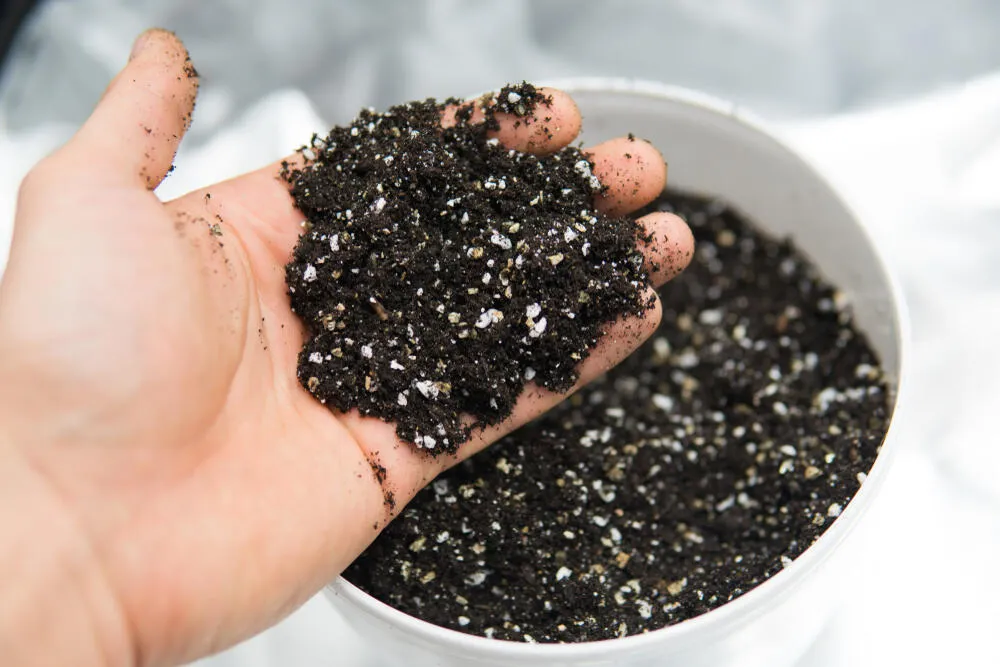
Organic soil is a good choice if you want a more natural growing medium. These mixes often contain compost, worm castings, peat, coco coir, and other organic amendments that support root health and gradual nutrient availability.
In my experience, a lightly amended organic soil is much easier to manage than a heavily pre-fertilized potting mix. It gives the plant enough nutrition to get established without making it difficult to correct feeding problems later.
Look for an organic soil that feels loose, drains freely, and does not stay wet for long periods. Avoid mixes that are extremely dense or contain strong slow-release fertilizer.
Cannabis-Specific Soil
Cannabis-specific soils are formulated with the plant’s growth cycle in mind. They usually provide better aeration, more suitable drainage, and a nutrient profile designed for healthy vegetative growth and flowering.
These soils are often the easiest option for beginner growers because they reduce the guesswork around pH, drainage, and nutrient balance. However, always check whether the mix is lightly fertilized or heavily amended, as some products may still be too strong for young seedlings.
The main drawback is cost, but the extra control can save time and prevent nutrient problems later in the grow.
Lightly Fertilized Potting Soil
A general-purpose potting soil can also work well if it does not contain extended-release fertilizer. Choose a mix with a light nutrient charge and good drainage, then add cannabis nutrients gradually as the plant develops.
This approach gives you more control than using Miracle-Gro soil because you can adjust feeding strength based on the plant’s age, growth stage, and appearance.
DIY Cannabis Soil Mix
Making your own soil mix allows you to control the structure and nutrient strength from the start. A simple beginner-friendly base can include:
| Ingredient | Purpose |
| Peat moss or coco coir | Holds moisture while supporting root growth |
| Perlite | Improves drainage and aeration |
| Compost or worm castings | Provides gentle organic nutrition |
| Vermiculite | Helps retain moisture and nutrients |
A useful starting mix is around 40% peat moss or coco coir, 30% perlite, 20% compost, and 10% worm castings. This creates a loose, well-aerated medium that can be adjusted depending on how quickly it dries.
Avoid adding too many strong amendments at once. For a beginner, it is better to start with a mild soil and feed gradually than to begin with a mix that is too rich.
Which Soil Is Best for Beginners?
For first-time growers starting with beginner cannabis seeds, a lightly fertilized cannabis-specific soil or organic potting mix is usually the easiest option to manage. Both provide better drainage and more feeding control than Miracle-Gro soil.
The most important features to look for are:
- No extended-release fertilizer
- Good drainage
- A loose, airy texture
- Mild nutrient levels
- A soil pH suitable for cannabis
Choosing the right soil at the start makes watering, feeding, and diagnosing plant problems much easier.
Conclusion
Cannabis can grow in Miracle-Gro soil, but it is not the most reliable choice for beginners. The main problem is the extended-release fertilizer found in many Miracle-Gro potting mixes. Because nutrients continue entering the root zone over time, it becomes harder to control feeding, reduce nitrogen during flowering, or correct overfeeding when symptoms appear.
A lightly fertilized, well-draining soil is usually easier to manage. It allows you to introduce nutrients gradually, adjust the strength as the plant develops, and respond more accurately to changes in leaf color and growth.
If your plant is already growing in Miracle-Gro and looks healthy, avoid making unnecessary changes. Hold back additional nutrients, water carefully, and monitor the newest growth. If problems develop, make one adjustment at a time rather than immediately flushing, feeding, or transplanting.
For most growers, starting with a mild organic mix, cannabis-specific soil, or unfertilized potting soil provides better control and fewer complications throughout the grow.
Frequently Asked Questions
Can You Start Cannabis Seedlings in Miracle-Gro Soil?
Miracle-Gro soil is often too nutrient-rich for young cannabis seedlings. Seedlings have small, sensitive root systems and need very little fertilizer during their first stages of growth. A heavily fertilized mix may cause burned leaf tips, slow development, or dark, clawed leaves.
For better results, start seedlings in a mild seed-starting mix or lightly fertilized soil. They can be moved into a richer growing medium once they have developed several sets of true leaves and a stronger root system.
Is Miracle-Gro Soil Suitable for Autoflowers?
Miracle-Gro soil is generally not recommended for plants grown from autoflower cannabis seeds. Their short life cycle gives them limited time to recover from nutrient burn, overwatering, or root stress.
A mild, airy soil is usually a safer option. This gives the plant enough nutrition to establish itself without overwhelming the roots during its brief vegetative stage.
Can You Use Miracle-Gro Soil for Outdoor Cannabis?
It can be used outdoors, but the same nutrient-control issues still apply. Rainfall, warm soil temperatures, and regular watering may influence how quickly fertilizer is released, making the root-zone strength difficult to predict.
Outdoor cannabis seeds usually perform better in well-draining soil amended with compost, perlite, worm castings, and other mild organic ingredients. This creates a more stable root environment while giving the grower greater control over additional feeding.
Can You Reuse Miracle-Gro Soil for Another Cannabis Grow?
Reusing Miracle-Gro soil is risky because it is difficult to know how much fertilizer remains in the mix. The soil may also contain compacted material, old roots, accumulated salts, pests, or pathogens from the previous grow.
If you plan to reuse any potting soil, remove the old roots, check for pests, restore aeration, and test the soil before planting. For beginners, starting with fresh soil is usually the safer and more predictable option.
Can You Use Miracle-Gro Plant Food With Cannabis?
Miracle-Gro plant food is separate from Miracle-Gro potting soil, but it is still not specifically formulated for cannabis. Some products may contain nutrient ratios that work during part of the plant’s life cycle but are less suitable at other stages.
If you use it, check the NPK ratio carefully and begin at a low strength. Never combine full-strength Miracle-Gro plant food with a potting mix that already contains extended-release fertilizer, as this significantly increases the risk of overfeeding.


