




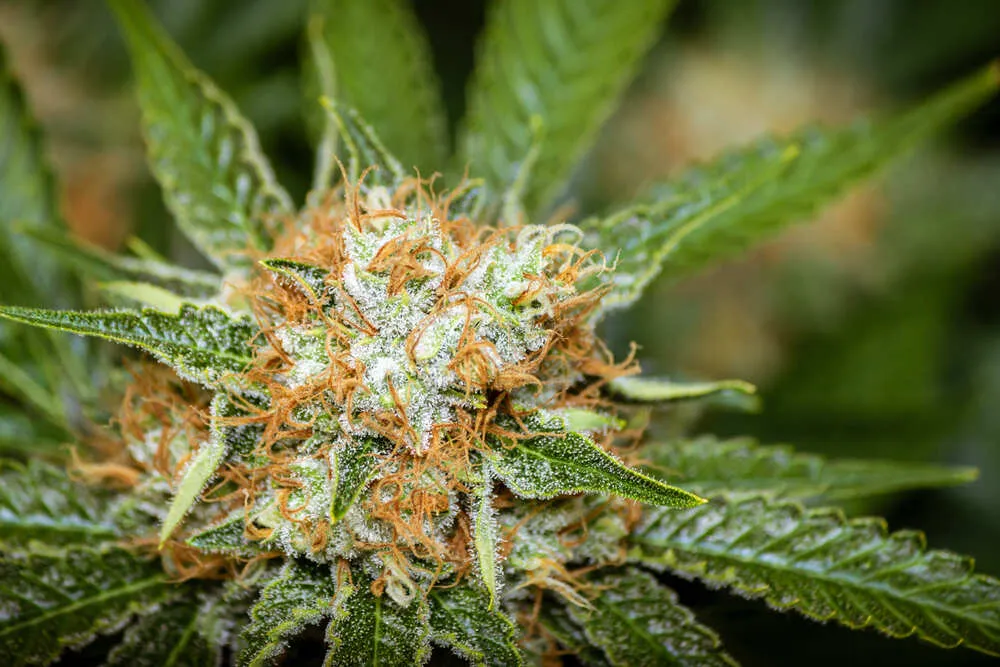
If you are wondering what the orange hairs on weed are, they are part of the female cannabis flower and are commonly called pistils, although the visible hairs are technically stigmas. These orange hairs on cannabis usually begin white before changing to orange, red, or brown as the flower matures.
For growers, understanding what the orange hairs on weed mean can help track flower development, but pistil color should not be confused with potency or overall quality. Orange pistils on cannabis do not automatically mean higher THC, and weed with orange hairs is not necessarily stronger than flower with fewer visible pistils.
This guide explains what the hairs on weed are called, why they change color during flowering, what red hairs on weed can indicate, and how growers can use pistil development alongside trichome maturity when deciding when a plant is approaching harvest.
Key Takeaways
- The hairs on weed are technically stigmas, although cannabis growers commonly refer to them as pistils.
- Orange hairs usually indicate progressing flower maturity. Pistils generally begin white and darken to orange, red, or brown as they age.
- Orange pistils do not directly indicate potency. THC and other cannabinoids are primarily associated with the resin-producing trichomes on cannabis flowers.
- Genetics affect pistil appearance. Different cultivars can naturally produce different amounts, lengths, and shades of orange, red, pink, or brown hairs.
- Do not use pistil color alone to decide when to harvest. Growers should also inspect trichome maturity, flower development, and the expected flowering characteristics of the cultivar.
What Are the Hairs on Weed Called?
The thin hairs growing from female cannabis flowers are commonly called pistils, although the visible hair-like structures are technically known as stigmas. They usually emerge white or pale green during early flowering before gradually changing to orange, red, or brown as the flower matures.
For growers, these hairs are useful visual indicators of flower development. Their appearance can also help growers identify a female cannabis plant as it reaches sexual maturity and begins developing flowers.
What Is the Difference Between Pistils and Stigmas?
The terms pistil and stigma are often used interchangeably by cannabis growers, but they do not technically describe the same thing. Understanding the difference between stigmas and pistils makes it easier to identify the structures developing on female flowers.
The pistil refers to the female reproductive structure of the flower, while the stigma is the visible hair-like part that extends outward and catches airborne pollen. In everyday cannabis terminology, growers commonly call the stigmas "pistils," so both terms are widely used when discussing the hairs on weed.
| Term | What It Refers To | What Growers See |
| Pistil | Female reproductive structure of the flower | Usually discussed as the complete reproductive part |
| Stigma | Pollen-catching portion of the female flower | Thin white, orange, red, or brown hairs |
Grower tip: When inspecting your plants, focus less on the technical name and more on how the stigmas are developing. Healthy white stigmas appearing around flower sites are normally one of the first visible signs that a female cannabis plant is entering flowering.
What Do Pistils Do on Female Cannabis Plants?
The main reproductive role of cannabis stigmas is to capture pollen from male plants. Cannabis is primarily wind-pollinated, meaning the exposed stigmas are adapted to intercept pollen carried through the air rather than attract insect pollinators.
If pollination occurs, the plant begins directing energy toward seed production. Knowing how to tell if cannabis buds have been pollinated can help growers distinguish normal pistil development from signs of unwanted fertilization. Growers aiming for seedless flowers commonly start with feminized cannabis seeds, although flowering plants should still be monitored for unwanted pollen.
Pistils are also useful during cultivation because their appearance changes as flowering progresses. Fresh stigmas usually appear white, while older stigmas commonly darken to orange, red, or brown.
This color change can help growers judge how far flowering has progressed. Trichomes, flower development, and the overall condition of the plant provide more useful information when assessing harvest readiness.
What Do the Orange Hairs on Weed Mean?
Orange hairs on weed usually mean the female flowers are maturing through the flowering stage. These hairs, technically called stigmas, normally begin white before gradually changing to orange, red, or brown as they age.
For growers, pistil color is a useful visual clue, but it should not be used alone to judge potency or harvest readiness. Genetics, environmental conditions, pollination, and plant stress can all influence how quickly the hairs change color.
| Pistil Color | What It Usually Means |
| White | Fresh pistils and active flower development |
| Orange | Pistils are aging and flowers are maturing |
| Red | Often a normal genetic color variation |
| Brown | Older pistils or advanced flower maturity |
Why Cannabis Pistils Change From White to Orange
New pistils usually emerge white or pale cream while the stigmas are fresh and receptive to pollen. As flowering progresses, they naturally age, lose moisture, and darken.
This is why orange pistils on cannabis become more common during mid to late flowering. It is also normal to see fresh white pistils alongside older orange ones on the same flower. Recent research confirms that cannabis stigmas naturally transition from white through yellow, orange, amber, red, or brown, with the exact progression varying between genotypes.
The timing varies between cultivars, so avoid assuming a plant is ready to harvest simply because most pistils have turned orange.
Grower tip: Use pistil color as one maturity signal, then check trichomes and overall flower development before harvesting.
What Do Red Hairs on Weed Mean?
Red hairs on weed are usually a normal pistil color variation. Genetics can influence whether mature stigmas appear orange, rusty red, pink, or darker red.
Red hairs do not mean the flower contains more THC or is higher quality. If the buds are developing normally and the plant shows no other signs of stress, red pistils are generally nothing to worry about.
What Do Brown Pistils Mean?
Brown pistils are common during late flowering as older stigmas dry out and darken. When this happens alongside developed flowers and maturing trichomes, the plant may be approaching harvest.
Brown pistils appearing unusually early deserve closer inspection. Premature browning can sometimes occur after pollination or environmental stress.
Grower tip: A few brown pistils among fresh white hairs are usually normal. Widespread browning much earlier than expected is a better reason to check light intensity, temperature, airflow, and signs of pollination.
When Do Orange Pistils Appear on Cannabis Plants?
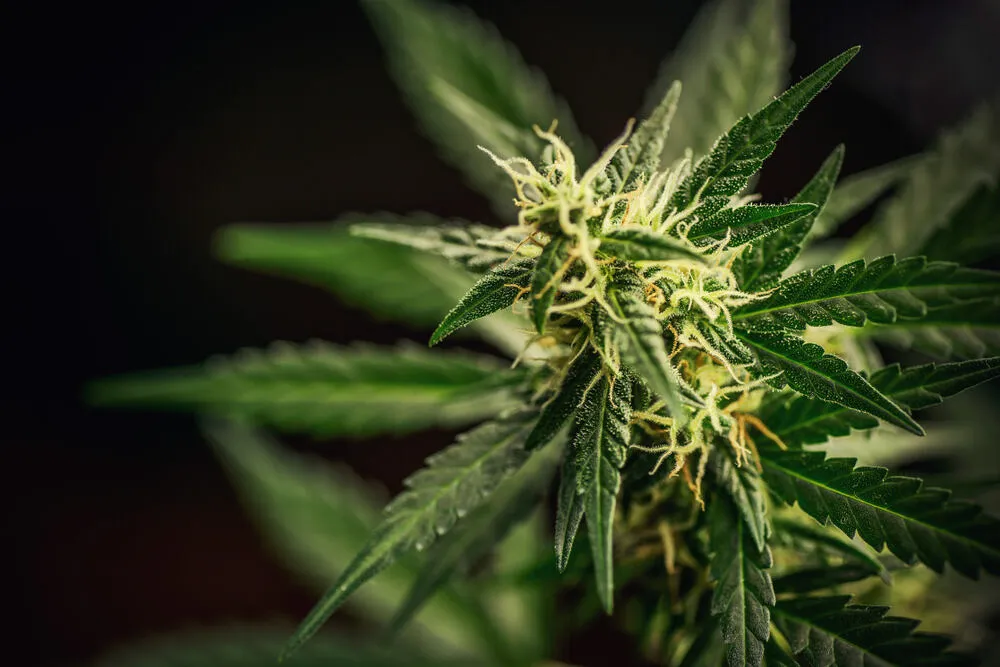
Orange pistils usually appear as cannabis moves from early flowering into the middle and later stages of flower development. The exact timing varies by genetics and growing conditions, so growers should focus on the plant's stage of development rather than expecting pistils to change color during a specific week.
| Growth Stage | Typical Pistil Appearance |
| Vegetative stage | Pistils are usually absent, although mature plants may show pre-flowers |
| Pre-flowering | First white pistils can appear at the nodes |
| Early flowering | Mostly fresh white pistils |
| Mid flowering | A mixture of white and orange pistils |
| Late flowering | Increasing numbers of orange, red, or brown pistils |
White Pistils During Early Flowering
The first white pistils commonly appear during pre-flowering or at the beginning of the flowering stage. They emerge from female flower sites and indicate that reproductive growth has started.
During early flowering, growers should expect most pistils to remain white while bud sites develop and flowers begin to build.
For photoperiod plants grown indoors, the cannabis flowering stage begins after the light schedule is changed to provide longer uninterrupted periods of darkness. Plants grown from autoflower seeds enter flowering according to age and genetics rather than requiring a change in light cycle.
Orange Pistils During Mid to Late Flowering
As flowers mature, older white pistils begin drying and turning orange while fresh white pistils may continue to emerge.
During mid flowering, seeing both colors on the same bud is normal. By late flowering, a greater proportion of pistils may become orange, red, or brown as flower development advances.
Grower tip: Follow the overall progression of the plant rather than counting orange pistils. Bud development and trichome maturity provide additional information when assessing how close a plant is to harvest.
Why Cannabis Pistils Can Turn Orange Early
A small number of orange pistils appearing early does not necessarily indicate a problem. Genetics can cause some cultivars to darken sooner than others.
However, widespread premature discoloration can also occur following pollination, excessive heat or light, physical damage, or other environmental stress. If pollination is suspected, check for the other signs of pollinated cannabis buds before changing the grow environment.
If pistils suddenly turn orange much earlier than expected, inspect the flowers and growing conditions before making adjustments. Pistil color alone is not enough to diagnose plant stress.
Does Weed With Orange Hairs Mean Higher Potency or Better Quality?
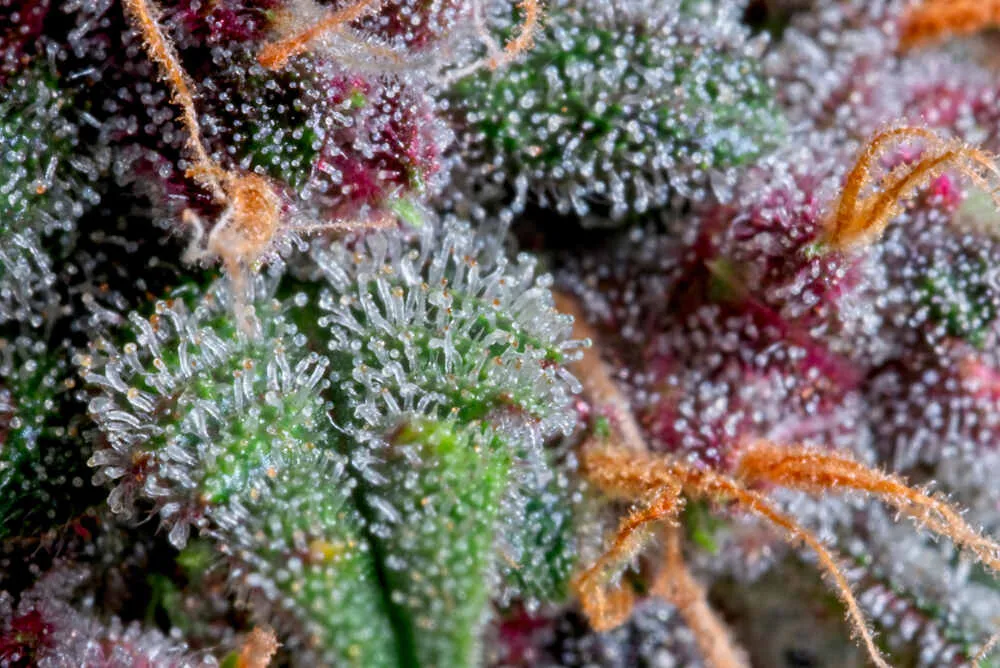
Weed with orange hairs is not automatically more potent or higher quality. Orange pistils mainly reflect flower development and genetics, while THC and other cannabinoids are produced and stored primarily within the resinous trichomes covering the flowers.
For growers, pistil color can provide useful information about maturity, but it should not be used to estimate THC content or overall flower quality.
Orange Hairs vs Trichomes: What Is the Difference?
Orange hairs and cannabis trichomes are separate structures with different functions. Pistils form part of the female flower's reproductive system, while trichomes are resin glands found across the flowers and surrounding sugar leaves.
| Feature | Pistils | Trichomes |
| Appearance | Thin white, orange, red, or brown hairs | Tiny resin glands with a frosty appearance |
| Main role | Capture pollen | Produce and store cannabinoids and terpenes |
| Change during flowering | Darken as they age | Develop from clear toward cloudy and amber |
| Indicate THC levels? | No | More closely associated with cannabinoid production |
Why More Orange Hairs Do Not Mean More THC
The number of orange pistils on a bud does not show how much THC it contains. Understanding what THC is and how it develops in cannabis helps explain why pistil color cannot be used as a direct measure of potency. Two plants can have similar-looking orange hairs but very different cannabinoid profiles.
THC production is influenced largely by genetics and growing conditions rather than pistil color. This means growers should avoid judging potency based on how orange or colorful a flower appears.
Grower tip: When assessing flower maturity, examine the trichomes with a jeweler's loupe or microscope rather than relying on pistil color alone.
Can Genetics Affect the Number and Color of Cannabis Pistils?
Genetics strongly influence how pistils develop. Some cultivars produce dense clusters of long hairs, while others have fewer visible pistils. Mature stigmas may also appear orange, red, rusty, pink, or brown depending on the cultivar.
These differences are normal and do not automatically indicate better potency, yield, or flower quality. Growers comparing plants should consider each strain's natural characteristics rather than expecting every cannabis plant to develop the same number or color of pistils.
Can Orange Hairs on Cannabis Tell You When to Harvest?
Orange hairs on cannabis can help growers judge flower maturity, but they should not be used as the only harvest signal. Pistils naturally darken as flowering progresses, yet the timing varies by cultivar and growing conditions.
A plant with mostly orange or brown pistils may be approaching harvest, but knowing when to harvest cannabis requires checking trichomes, flower development, and other maturity indicators before cutting the plant.
How Growers Use Pistil Color to Judge Flower Maturity
Growers often monitor the ratio of white to orange or brown pistils as a general indication of how far flowering has progressed.
Early in flowering, most pistils are white. As the flowers mature, more of these hairs darken and curl inward. By late flowering, a larger proportion may appear orange, red, or brown.
Pistil color is useful for tracking progression, but it is not precise enough to identify the ideal harvest day on its own.
Why You Should Check Trichomes Before Harvesting
Trichomes provide a more useful indication of flower maturity because they are the resin glands associated with cannabinoid and terpene production.
Growers can inspect them using a jeweler's loupe or microscope.
| Trichome Appearance | What It Usually Suggests |
| Clear | Flowers are still developing |
| Mostly cloudy | Advanced maturity |
| Increasing amber | Later-stage maturity |
Grower tip: Check trichomes on the flowers themselves rather than only on sugar leaves, as leaf trichomes can mature at a different rate.
Other Signs That Cannabis Is Approaching Harvest
Harvest readiness should be judged from several signals together rather than pistil color alone. Mature flowers typically appear fuller and denser, fresh white pistil production slows, and older pistils darken and retract toward the buds.
The plant may also show signs that it is reaching the end of its flowering cycle, such as reduced vertical growth and less new flower development.
Use pistil color, trichome maturity, flower structure, and the expected flowering time for the cultivar together. This gives a much more reliable indication of harvest readiness than simply waiting for the orange hairs on cannabis to reach a certain percentage.
Conclusion
The orange hairs on cannabis are stigmas, commonly referred to as pistils by growers, and their changing color provides a useful indication of how flowers are developing. They usually begin white before changing to orange, red, or brown as the plant progresses through flowering.
However, pistil color does not directly indicate THC content, flower quality, or an exact harvest date. Genetics, pollination, environmental conditions, and natural flower development can all affect how and when these hairs change.
For growers approaching harvest, use orange pistils as one visual clue rather than the deciding factor. Check trichome maturity, flower development, and the expected flowering characteristics of the cultivar before deciding when the crop is ready.
Frequently Asked Questions
What are the orange hairs on weed?
The orange hairs on weed are technically called stigmas, although growers commonly refer to them as pistils. They are part of the female flower's reproductive system and help capture airborne pollen. They generally start white and become orange, red, or brown as they age.
Do orange hairs mean cannabis is ready to harvest?
Not necessarily. A large number of orange pistils can indicate that flowers are reaching a more advanced stage of maturity, but pistil color should not be used alone. Check trichomes and overall flower development before harvesting.
Why are some of my cannabis pistils still white?
Fresh white pistils can continue appearing while flowers develop, even when older hairs have already turned orange. This is usually normal. Genetics and the stage of flowering influence how long a plant continues producing new stigmas.
Can orange pistils turn brown?
Yes. Orange pistils commonly become darker and eventually brown as they dry and age during late flowering. Brown pistils are usually normal near maturity, although widespread browning unusually early can warrant checking for pollination or environmental stress.
Do more orange hairs mean stronger weed?
No. The number or color of pistils does not directly indicate THC potency. Cannabinoids are primarily produced and stored in glandular trichomes, so a flower with many orange hairs is not automatically stronger than one with fewer visible pistils.


