




Growing cannabis indoors offers greater control over your plants, but one concern many growers share is odor. Does weed smell when growing? The short answer is yes. As cannabis matures, it naturally produces aromatic compounds that become increasingly noticeable, particularly during the flowering stage. Without proper planning, these odors can spread throughout your home or neighboring spaces.
Fortunately, there are proven ways to reduce cannabis smell without affecting plant health. From choosing low-odor strains to using grow tents, carbon filters, and effective ventilation, a well-designed setup can significantly minimize unwanted odors while creating an ideal growing environment.
In this guide, you'll learn why marijuana plants smell, when odors become strongest, and the best methods for controlling cannabis smell indoors. Whether you're growing weed in an apartment or simply want a more discreet grow, these practical tips will help you manage odors effectively where home cultivation is permitted.
Key Takeaways
- Cannabis plants produce natural aromas called terpenes, with odor becoming strongest during the flowering stage.
- An activated carbon filter paired with proper ventilation is the most effective way to control cannabis smell indoors.
- Grow tents help contain odors while providing an ideal environment for healthy plant growth.
- Choosing low-odor cannabis strains can reduce noticeable smells, but no strain is completely odor-free.
- Combining good ventilation, clean growing practices, and odor-control equipment provides the best long-term solution for discreet indoor growing.
Does Weed Smell When Growing?
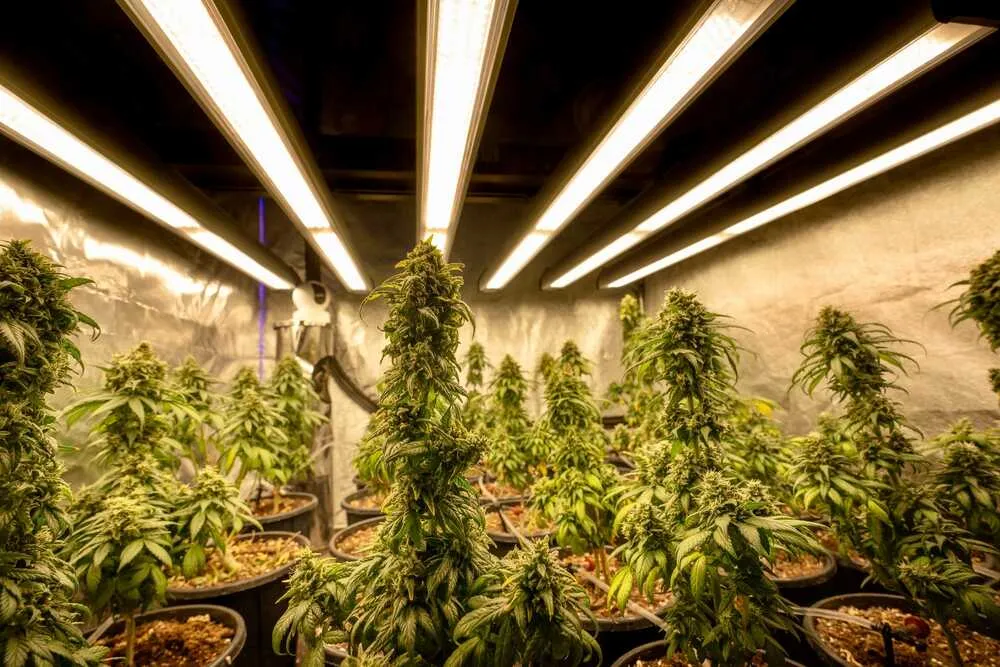
Yes, weed does smell when growing, but the strength of the odor depends on the plant's genetics, growing environment, and stage of development. While young seedlings produce little to no noticeable scent, marijuana plants begin releasing aromatic compounds called terpenes as they mature. These compounds become increasingly concentrated during the flowering stage, when buds develop and resin production reaches its peak.
Not every cannabis plant smells the same. Some strains naturally produce stronger, more pungent aromas, while others have milder terpene profiles that are better suited for discreet indoor cultivation. Environmental factors such as temperature, humidity, airflow, and the number of plants being grown can also influence how noticeable the smell becomes.
If you're growing cannabis indoors, odor management should be part of your setup from the start rather than something you address once plants begin flowering. Choosing suitable genetics, using a properly ventilated grow tent, and installing an activated carbon filter are among the most effective ways to reduce escaping odors while maintaining healthy growing conditions.
Why Do Cannabis Plants Smell? Understanding Terpenes
What causes the smell in cannabis plants?
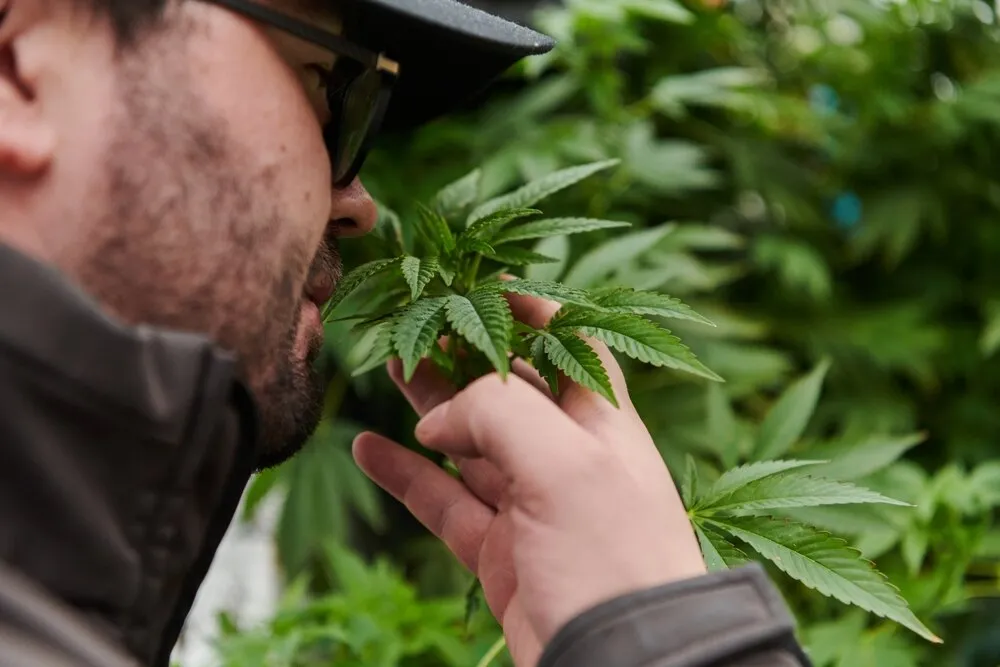
The distinctive smell of cannabis comes from terpenes, naturally occurring aromatic compounds produced in the plant's glandular trichomes. These tiny resin glands are concentrated on the flowers and nearby leaves, creating the essential oils that give each strain its unique aroma. Terpenes are also found in many other plants, including pine trees, citrus fruits, lavender, and black pepper.
Every cannabis strain has its own terpene profile, which is why some plants smell sweet and fruity while others have earthy, skunky, spicy, or diesel-like aromas. Common cannabis terpenes include myrcene (earthy), limonene (citrus), pinene (pine), and caryophyllene (peppery). The combination and concentration of these compounds determine how strong and distinctive a plant smells.
Why do cannabis plants produce terpenes?
Terpenes serve an important purpose beyond creating aroma. In nature, they help protect cannabis plants from pests, attract beneficial insects, and respond to environmental stress. As plants mature, terpene production increases alongside resin development, making healthy plants naturally more aromatic.
Understanding how terpenes work can help growers choose suitable strains and plan effective odor control before plants begin producing their strongest aromas.
When Does Weed Start Smelling?
One of the most common questions new growers ask is when does weed start smelling? The answer depends on the plant's stage of growth. While cannabis produces very little odor as a seedling, the smell gradually becomes stronger as the plant matures, reaching its peak during flowering.
Cannabis Smell Timeline
| Growth Stage | Odor Level | What to Expect |
| Seedling | Very Low | Little to no noticeable smell |
| Vegetative | Low | Light, fresh, earthy scent begins |
| Early Flowering | Medium | Noticeable aroma starts to develop |
| Late Flowering | High | Strong, pungent smell fills the space |
| Harvest & Drying | Very High | Intense odor as plants are cut and dried |
Seedling stage
Cannabis seedlings produce little to no noticeable smell. During the first two to three weeks, plants focus on developing roots and their first sets of leaves rather than producing large amounts of resin or aromatic compounds. Unless you place your nose close to the plant, you're unlikely to detect any odor.
Vegetative stage
As cannabis enters the vegetative stage, some strains begin producing a light, fresh scent. The smell is usually mild and may be described as earthy, herbal, or slightly sweet. Fast-growing or terpene-rich genetics can become noticeable earlier than others, but the odor is generally easy to manage at this stage.
Flowering stage
The flowering stage is when marijuana plants smell the most. As buds develop, resin production increases significantly, releasing much higher concentrations of aromatic compounds into the air. Maintaining proper airflow during this stage also helps prevent fluffy or airy cannabis buds from developing. During the final weeks before harvest, even a single healthy plant can produce a strong odor that may spread throughout a home if proper ventilation and odor control are not in place.
Harvesting and drying
Many growers are surprised to learn that cannabis can smell just as strong or even stronger during harvesting and drying. Freshly cut plants continue releasing aromatic compounds while moisture leaves the flowers, making proper drying cannabis just as important as odor control during cultivation.
How to Stop Cannabis Smell Indoors (Step-by-Step Guide)
If you want to stop cannabis smell indoors, the key is to control how odor moves through your grow space. Follow these steps to effectively contain and reduce cannabis odors while maintaining a healthy growing environment.
Step 1: Install an Activated Carbon Filter
Start by setting up an activated carbon filter, which is the most effective tool for removing cannabis odor. As air passes through the filter, the carbon traps odor-causing molecules before they can escape. Make sure the filter matches the airflow rating (CFM) of your inline exhaust fan, and replace it as recommended to keep it working properly.
Step 2: Use a Sealed Grow Tent
Place your plants inside a high-quality grow tent to contain odors, especially when growing indoor cannabis seeds in a controlled environment. If you're building a new indoor setup, learn how to set up a cannabis grow tent for proper airflow and odor control. Keep the tent fully closed during operation. This allows you to control airflow and ensures that all air leaving the tent passes through your carbon filter instead of leaking into your home.
Step 3: Set Up Proper Ventilation
Install an inline exhaust fan to continuously remove warm, stale air and bring in fresh air. Maintaining the correct grow room humidity is equally important for controlling odors and keeping plants healthy. This creates steady airflow, which helps regulate temperature and humidity. Keeping the ideal growing temperature for cannabis also improves plant health and environmental control. Proper ventilation also supports healthy plant growth while reducing excess humidity that can encourage different types of mold on cannabis plants.
Step 4: Maintain Negative Air Pressure
Ensure your grow tent has negative pressure, meaning more air is being pulled out than pushed in. This forces all outgoing air through your carbon filter, preventing unfiltered air from escaping through small gaps or openings.
Step 5: Choose Low-Odor Cannabis Strains
Select strains known for producing milder aromas. While no cannabis plant is completely odor-free, low-odor strains can significantly reduce how noticeable the smell becomes, especially in smaller indoor spaces.
Step 6: Keep Your Grow Space Clean
Regularly clean your grow area to prevent odors from building up. Good sanitation, airflow, and humidity control also help prevent bud rot on cannabis plants during flowering. Remove dead leaves, wipe down surfaces, and clean up any spilled water to reduce the risk of powdery mildew on cannabis and other fungal diseases. Also, check for air leaks in your setup to ensure your odor control system is working efficiently.
Step 7: Use Air Purifiers as a Secondary Tool
Consider adding an air purifier to improve overall air quality. While HEPA filters can capture dust and particles, they are not designed to remove cannabis odors on their own. Use them alongside your carbon filter for best results.
How to Hide a Weed Plant Without Harming Growth
If you're looking for how to hide a weed plant or how to hide cannabis, the goal should be to keep your grow discreet without compromising plant health. Proper concealment means controlling both the visibility of your plants and the odors they produce while ensuring they still receive adequate light, fresh air, and ventilation.
Use a Grow Tent
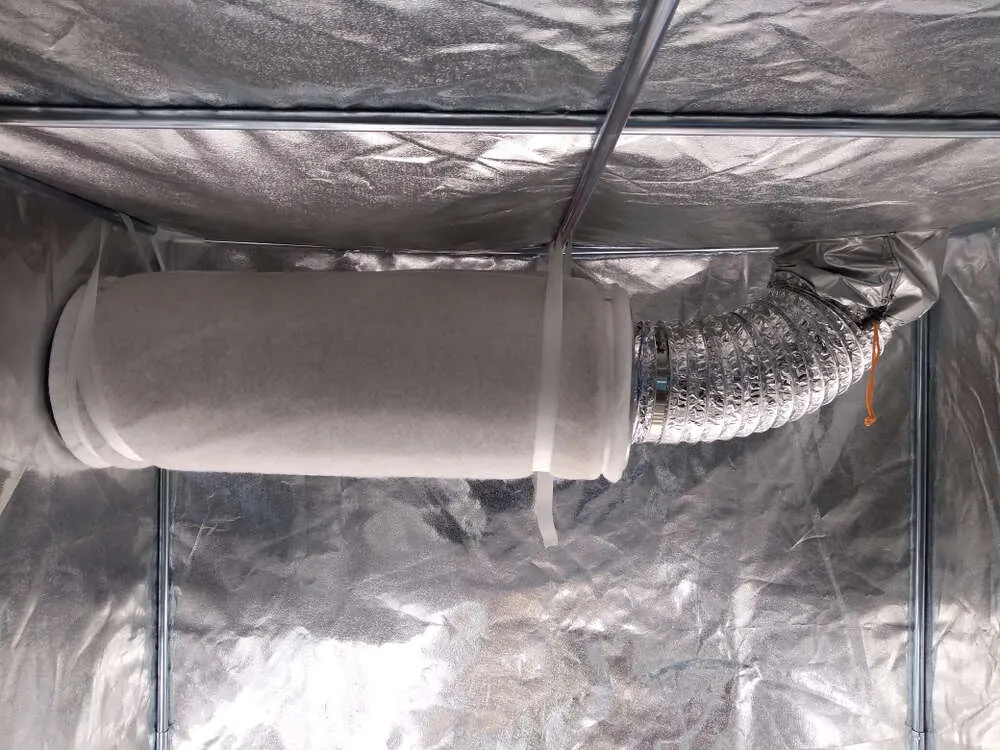
A grow tent is one of the best ways to keep cannabis plants out of sight. Modern grow tents are designed with reflective interiors that maximize light efficiency while providing a fully enclosed growing environment. They also make it easy to install exhaust fans and carbon filters for effective odor control.
Convert a Cabinet or Closet
Unused cabinets and closets can be converted into compact grow spaces when equipped with proper lighting and ventilation. Ensure there is enough room for plants to grow without crowding and provide adequate airflow to prevent excessive heat and humidity.
Repurpose Furniture
Some growers use modified furniture, such as wardrobes or storage cabinets, as discreet grow spaces. These setups should be carefully designed to allow sufficient air circulation, temperature control, and access for routine plant maintenance. Restricting airflow or light can negatively affect plant growth.
Control Odors Before They Escape
Visual concealment is only part of the solution. To prevent odors from spreading, install an activated carbon filter and maintain negative air pressure inside your grow tent or enclosed space. Keeping doors, tents, or cabinets sealed while the ventilation system is running helps ensure that all outgoing air is filtered before it enters the surrounding area.
By combining discreet grow spaces with proper ventilation and odor control, you can maintain a healthier environment for your plants while reducing unwanted cannabis smells in your home where cultivation is permitted by law.
Do Low-Odor Cannabis Strains Really Work?
Yes, some low smell cannabis strains naturally produce less noticeable aromas than others, making them a popular choice for growers who want a more discreet indoor grow. While all cannabis plants produce terpenes, the type and concentration of these aromatic compounds vary between genetics. As a result, certain strains have a milder scent throughout their growing cycle, making them a better choice for growers who want to reduce noticeable odors indoors.
However, it's important to understand that no cannabis strain is completely odor-free. Even low-odor varieties will produce a stronger smell during the flowering stage as buds mature and resin production increases. Choosing a low-odor strain should be viewed as one part of an effective odor management strategy rather than a replacement for proper ventilation and carbon filtration.
The table below compares some popular indoor strains based on their typical odor intensity and suitability for indoor cultivation.
| Strain | Odor | Indoor Suitability |
| Northern Lights | Low | Excellent |
| Blue Mystic | Low | Excellent |
| Jack Herer | Medium | Good |
| White Widow | High | Moderate |
For growers looking to minimize cannabis odors, Northern Lights and Blue Mystic are among the most recommended options due to their relatively mild terpene profiles and reliable indoor performance. More aromatic strains, such as White Widow, can still be grown successfully indoors but usually require a well-designed ventilation system and an activated carbon filter to keep odors under control.
Frequently Asked Questions
Does one weed plant smell while growing?
Yes. A single cannabis plant can produce a noticeable smell, especially during the flowering stage. The intensity depends on the strain, the size of the plant, and its terpene profile. While one plant won't smell as strongly as several plants growing together, it can still be noticeable in a small indoor space.
Can a carbon filter completely remove cannabis smell?
A high-quality activated carbon filter can remove most cannabis odors when it's correctly sized and installed with an inline exhaust fan. However, no odor control system is 100% effective if there are air leaks, worn-out filters, or poor ventilation. Regular maintenance is essential for the best results.
What is the best way to get rid of pot smell while growing?
The best way to get rid of pot smell is to combine multiple odor-control methods. Use a sealed grow tent, an activated carbon filter, proper ventilation, and maintain negative air pressure. Choosing a low-odor cannabis strain can further reduce noticeable smells, but no strain is completely odor-free.
Does humidity affect how much cannabis smells?
Yes. High humidity can make odors linger longer because moist air doesn't circulate as efficiently. Keeping your grow room within the recommended humidity range improves airflow, supports healthy plants, and helps your ventilation system remove odors more effectively.
Can neighbors smell cannabis plants indoors?
They can if odor isn't properly controlled. Strong-smelling strains, poor ventilation, or air leaking from your grow space may allow cannabis odors to spread into shared areas. Using a sealed grow tent with an activated carbon filter is one of the most effective ways to reduce odors escaping your growing area where cultivation is permitted by law.


