




Cannabis heat stress can cause leaves to curl, wilt and develop dry edges, while prolonged exposure may slow growth and affect flower development. Whether you're growing indoors or outdoors, excessive temperatures can become a problem when combined with intense light, poor airflow or unsuitable soil moisture.
Knowing how to protect cannabis plants from heat stress starts with understanding what causes it. Indoor growers need to manage lighting, ventilation and humidity, while outdoor plants may require temporary shade and protection from extreme heat. This guide explains how to prevent heat stress in cannabis, identify early warning signs and help affected plants recover.
Key Takeaways
- Cannabis heat stress symptoms include curling leaves, wilting, dry edges and slower growth.
- Temperature tolerance varies depending on genetics, growth stage, humidity and light exposure.
- Indoor heat protection involves managing ventilation, lighting intensity and canopy temperatures.
- Outdoor heat protection includes temporary shade, suitable watering and keeping roots from overheating.
- Heat stress recovery depends on correcting the environmental cause early and monitoring healthy new growth.

- What is Cannabis Heat Stress?
- What Temperature Causes Cannabis Heat Stress?
- How to Protect Cannabis Plants from Heat Stress Indoors
- How to Protect Cannabis Plants from Heat Stress Outdoors
- How to Manage Watering During Hot Weather
- How to Protect Cannabis Plants During a Heatwave
- How to Help Cannabis Plants Recover from Heat Stress
- Conclusion
- Frequently Asked Questions
- References
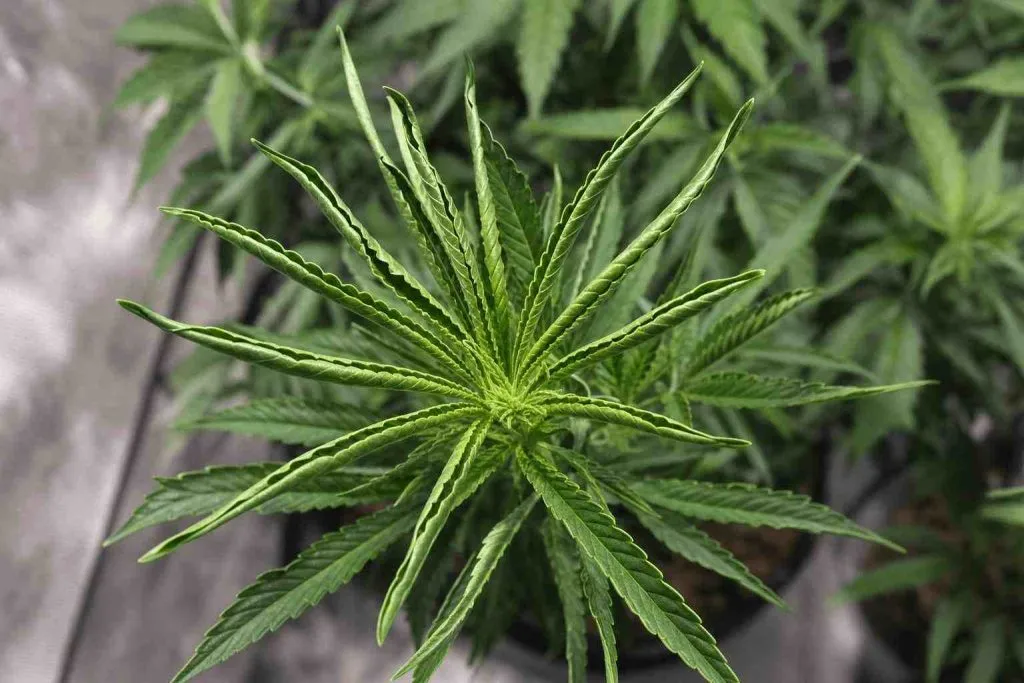
What is Cannabis Heat Stress?
Cannabis heat stress develops when excessive temperatures interfere with normal plant functions, including photosynthesis and transpiration.
Plants release moisture through their leaves to regulate temperature. When conditions become too hot, especially if water is limited, this cooling process becomes less effective.
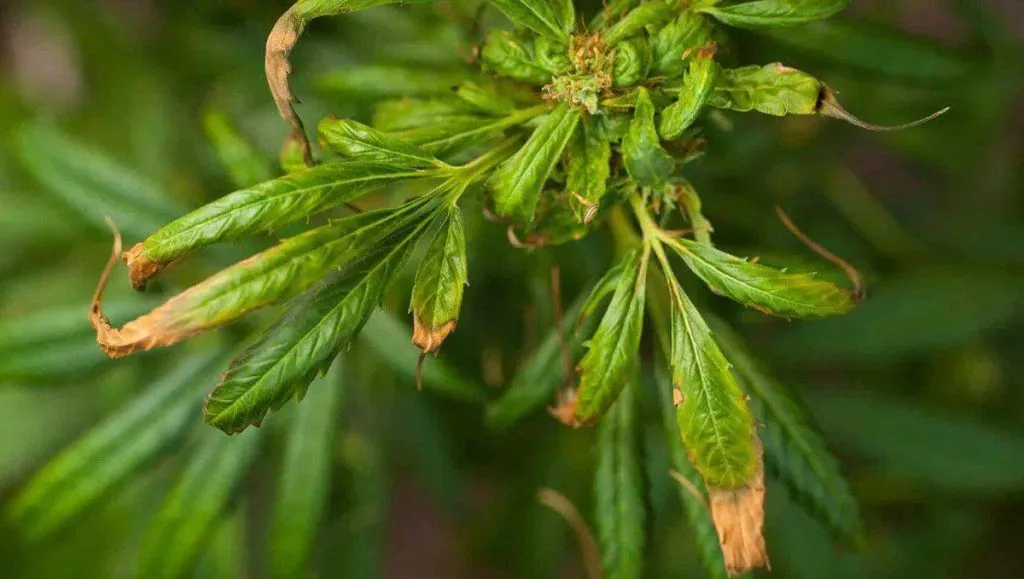
Common symptoms include cannabis leaves curling upwards, dry leaf margins, yellow patches and wilting. Severe or prolonged exposure may damage developing flowers.
However, heat is not always responsible. Drooping cannabis leaves can also result from underwatering, saturated roots or other environmental problems.
Before changing growing conditions, check temperature, light exposure and moisture around the roots.
What Temperature Causes Cannabis Heat Stress?
Cannabis does not have one universal heat-stress threshold. The temperature a plant can tolerate depends on its genetics, growth stage, humidity, light intensity and exposure duration.
Chandra et al. (2011) investigated photosynthesis in seven cannabis varieties. Temperatures associated with maximum photosynthesis differed between varieties, demonstrating that cannabis does not respond uniformly to heat.
| Growth stage | Heat sensitivity | Potential problems |
| Seedling | Young plants have limited root development | Wilting and delayed growth |
| Vegetative | Tolerance varies between varieties and growing conditions | Leaf curling and slower growth |
| Flowering | Sustained excessive heat can affect developing flowers | Abnormal flower formation and changes in cannabinoid content |
These are general considerations rather than fixed temperature limits. For more detailed guidance, see the recommended temperatures for growing cannabis.
How to Protect Cannabis Plants from Heat Stress Indoors
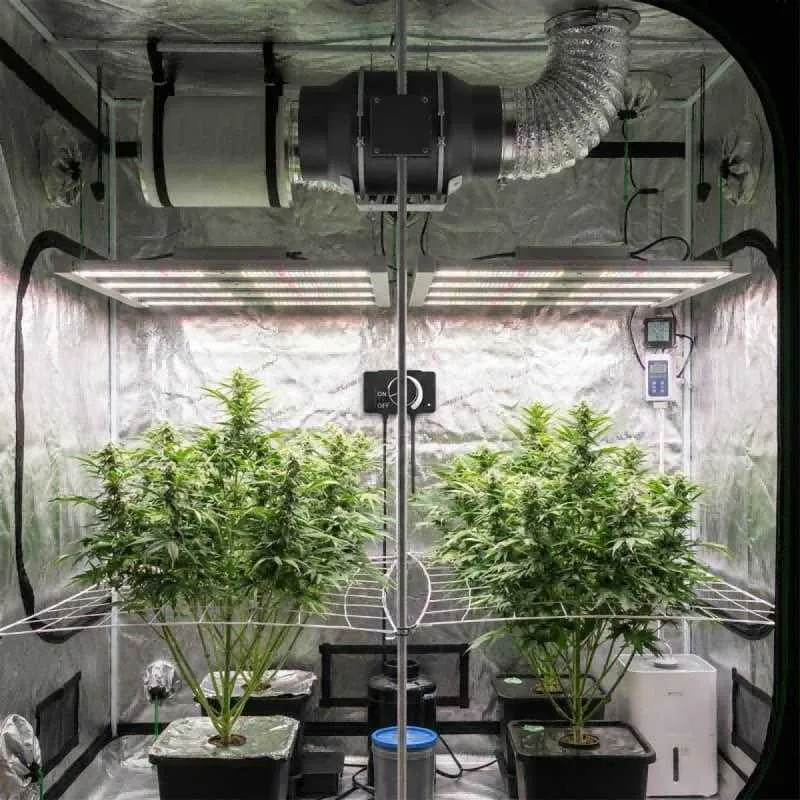
When growing cannabis indoors, the first thing you need to do is make sure excess heat can escape from your growing space. Grow lights, electrical equipment and poor ventilation can all cause temperatures to rise, particularly in enclosed grow tents.
To protect your plants, focus on four areas: ventilation, lighting, temperature and humidity. Getting these right will help prevent heat stress before leaves start showing damage.
Improve Ventilation and Air Circulation
Start by checking how air moves through your growing space. If warm air has nowhere to escape, temperatures will continue rising, even when you have fans running.
Here's how to improve ventilation:
- Install an extraction fan: Place it near the top of your grow tent or room, where warm air tends to collect. This removes heated air from the growing space.
- Allow cooler air to enter: Make sure intake vents are open and unobstructed. Where possible, draw replacement air from a cooler area.
- Position circulation fans: Aim for gentle movement across and beneath the canopy. Leaves should move slightly rather than being constantly blown around.
- Check your room temperature: If the air entering your growing space is already hot, an extraction fan alone may not be enough. Consider additional cooling, such as air conditioning.
The important thing to understand is that circulation fans move air around, while extraction fans remove it. You usually need both to maintain good airflow.
If you're building your first indoor setup, make ventilation part of setting up a cannabis grow room rather than trying to correct overheating later.
Manage Grow Lights and Canopy Heat
Next, check your lighting. Grow lights generate heat, and placing them too close to the canopy can expose the upper leaves to excessive light and temperatures.
Start by measuring the distance between your light and the highest leaves. Compare this with the manufacturer's recommended hanging height and light intensity for your plant's growth stage.
If the upper leaves are curling or showing pale, damaged areas, check whether the light is too intense before assuming the room itself is overheating.
You can reduce excessive exposure by:
- Raising the light if it is closer than the recommended distance.
- Reducing its intensity if the fixture has a dimmer.
- Checking that warm air is being removed from above the canopy.
LED fixtures are generally more efficient than traditional HID lights and often direct less radiant heat towards plants. However, they still produce heat that must be removed.
Understanding the differences between cannabis grow lights will help you choose and position suitable equipment.
Control Temperature and Humidity
Once ventilation and lighting are working properly, check your temperature and humidity together.
Start by installing a digital thermometer and hygrometer near the canopy. These measure air temperature and relative humidity, allowing you to see how conditions change throughout the day.
Humidity affects how your plants release moisture through their leaves. Very dry air can increase water loss, while excessive humidity can make transpiration less effective.
Rather than increasing humidity simply because temperatures are high, check both readings and consider the plant's growth stage.
Learning about grow room humidity control will help you manage moisture levels, while cannabis VPD explains how temperature and humidity work together.
The aim is to maintain stable conditions instead of repeatedly making large adjustments.
Adjust Lighting Times During Hot Weather
If your grow room becomes particularly hot during the day, check whether you can operate your lights during cooler hours.
For example, running lights overnight during summer may help reduce the temperature difference between your growing space and the surrounding environment.
To make this change:
- Check when your growing space experiences its highest temperatures.
- Identify whether the evening or nighttime hours are consistently cooler.
- Use a reliable timer to maintain the required light and dark periods.
- Monitor temperatures after adjusting the schedule to confirm that conditions have improved.
If you're growing photoperiod plants in flowering, make sure their uninterrupted dark period is maintained. Avoid unnecessary changes that could disturb the light cycle.
You can find more information about choosing suitable cannabis lighting schedules for different growth stages.
Grower Tip: Place a thermometer close to the upper canopy, away from direct contact with the light. Check the temperature during the warmest part of the lighting period and compare it with the room reading. If the canopy area is noticeably hotter, investigate light intensity and airflow before changing your watering or feeding routine.
How to Protect Cannabis Plants from Heat Stress Outdoors
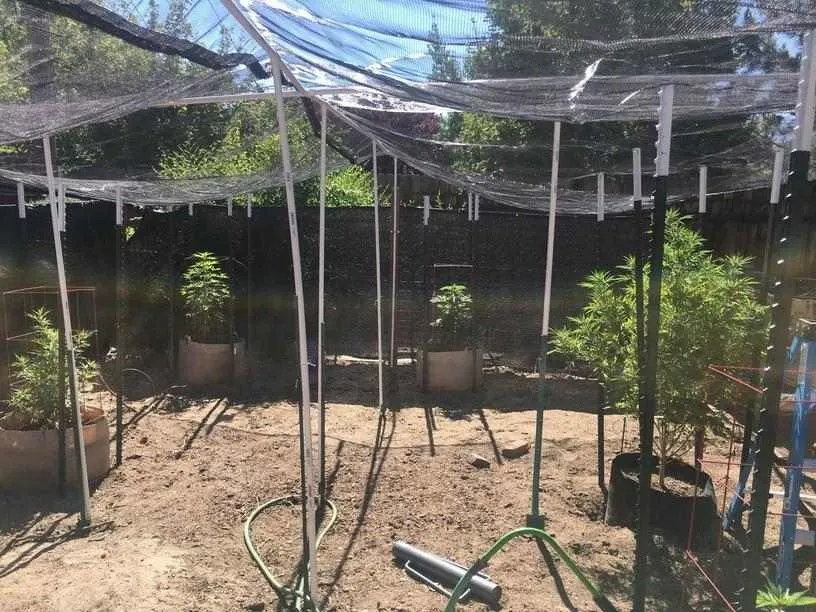
Outdoor cannabis plants are exposed to direct sunlight, high temperatures and changing weather conditions. Although you cannot control the climate, you can protect plants by providing temporary shade, reducing root-zone heat and maintaining suitable soil moisture.
Use Shade Cloth During Extreme Heat
During a heatwave, temporary shade cloth can reduce direct sunlight exposure and help prevent leaves from overheating.
- Choose suitable shade cloth: Start with approximately 20–30% shade during extreme heat, adjusting according to local conditions.
- Position it above the canopy: Secure the cloth to a frame, leaving space for air to circulate.
- Provide shade during peak heat: Focus on the hottest afternoon hours rather than restricting sunlight throughout the day.
Remove unnecessary shade once temperatures become manageable, as plants still need sufficient light for healthy growth.
Move Container Plants into Partial Shade
If you're growing in movable containers, relocate plants during periods of extreme afternoon heat.
Choose a position that receives morning sunlight and some afternoon shade, while maintaining good airflow.
Avoid placing plants in permanently shaded areas or enclosed spaces where hot air can accumulate. Return them to suitable sunlight conditions when temperatures improve.
Protect Containers and Roots from Heat
Containers exposed to direct sunlight can become considerably hotter than the surrounding air, particularly when placed on concrete or paving.
To protect the roots:
- Avoid hot surfaces: Place containers on an insulating surface rather than directly on heated paving.
- Shade exposed containers: Protect pot sides from direct afternoon sunlight without restricting drainage.
- Choose suitable pots: Different cannabis container types vary in their ability to absorb heat, retain moisture and provide drainage.
Healthy cannabis root systems need suitable temperatures, moisture and oxygen to absorb water and nutrients effectively.
Use Mulch to Reduce Soil Moisture Loss
Adding mulch helps limit evaporation and moderate soil temperature during hot weather.
Spread a thin layer of straw or untreated wood chips across the soil surface, leaving a small gap around the main stem.
Check moisture beneath the mulch before watering. The surface may appear dry while the growing medium underneath still contains sufficient water.
Improve Airflow and Choose Suitable Genetics
Make sure air can circulate around outdoor plants. Avoid overcrowding containers or positioning them against walls that trap or reflect heat.
If you regularly experience hot summers, consider outdoor cannabis strains with growth characteristics suited to your local climate. However, no variety is completely resistant to extreme temperatures.
Grower Tip: Check plants during the hottest afternoon hours. Look for curling leaves, excessively hot containers and dry growing media. These early signs can help you identify when additional heat protection is needed.
For more information about managing prolonged hot weather, see growing cannabis in hot and dry climates.
How to Manage Watering During Hot Weather
Cannabis plants may require additional water during hot conditions because evaporation and transpiration can increase.
However, watering too frequently can saturate the growing medium and restrict oxygen around the roots.
Check moisture beneath the surface before irrigating. Water thoroughly when needed and allow excess water to drain.
Morning or evening watering may reduce evaporation, but severely dehydrated plants should not be left without water until temperatures fall.
Egri et al. (2010) found that sunlight passing through water droplets did not scorch the smooth leaves tested. Damage was possible under particular conditions involving hairy leaf surfaces. The study was not conducted on cannabis, so its findings should not be treated as a cannabis-specific guarantee.
Grower Tip: Check moisture below the upper layer before watering. A dry surface does not always mean the entire root zone requires more water.
Understanding watering cannabis plants helps prevent both dehydration and waterlogged conditions.
How to Protect Cannabis Plants During a Heatwave
Prolonged heat requires closer monitoring, particularly when nighttime temperatures remain high.
Identify which environmental factor requires attention before making several adjustments simultaneously.
| Environment | Protective action | Purpose |
| Indoors | Improve extraction or cooling | Remove accumulated heat |
| Indoors | Check light intensity | Reduce excessive canopy exposure |
| Outdoors | Provide temporary shade | Reduce direct sunlight |
| Outdoors | Insulate exposed containers | Moderate root temperatures |
| Both | Monitor moisture and foliage | Identify developing stress |
Avoid unnecessary pruning, heavy training or major changes to feeding during extreme conditions. These can place additional demands on plants already experiencing environmental stress.
How to Help Cannabis Plants Recover from Heat Stress
Start by correcting the cause. Check temperature, lighting, ventilation and moisture conditions before introducing additional products.
Damaged leaves may remain curled or develop permanent brown areas. Healthy new growth and improved leaf condition are more useful indicators of recovery.
Heat exposure during flowering deserves particular attention.
Holweg et al. (2025) studied two medical cannabis varieties under different flowering temperatures. Higher temperatures reduced cannabinoid concentrations, while effects on flower dry matter differed between varieties.
The researchers also observed abnormal new flower clusters at elevated temperatures. Similar structures are sometimes associated with cannabis foxtailing, although genetics can also produce this appearance.
Excessive heat may contribute to loose or airy cannabis buds, but other environmental and genetic factors can produce similar results.
Recovery depends on the severity and duration of exposure. Severely damaged tissue may not recover.
Conclusion
Protecting cannabis plants from heat stress depends on managing lighting, temperature, airflow and root-zone conditions together. Indoor growers should focus on cooling and ventilation, while outdoor growers benefit from shade and container protection. Early action helps limit damage and supports recovery.
Frequently Asked Questions
What Is the Quickest Way to Protect Cannabis Plants from Heat?
Identify the heat source. Improve cooling or ventilation indoors, provide temporary shade outdoors and check whether the roots have sufficient moisture.
Does Shade Cloth Help Prevent Cannabis Heat Stress?
Yes. Temporary shade can reduce exposure during extreme heat. However, excessive shading may restrict the light needed for healthy development.
Should Cannabis Plants Be Watered More Often During Hot Weather?
Water requirements may increase, but irrigation should depend on moisture within the growing medium rather than temperature alone.
Can Cannabis Plants Recover from Severe Heat Stress?
Plants can recover when sufficient healthy tissue remains and suitable conditions are restored. Existing leaf damage may be permanent.
Can Heat Stress Affect Cannabis During Flowering?
Yes. Prolonged excessive heat may affect flower structure and cannabinoid concentrations. The response varies between varieties and environmental conditions.
References
- Chandra, S., Lata, H., Khan, I. A., & ElSohly, M. A. (2011). Temperature response of photosynthesis in different drug and fiber varieties of Cannabis sativa L. Physiology and Molecular Biology of Plants, 17(3), 297–303.
- Egri, Á., Horváth, Á., Kriska, G., & Horváth, G. (2010). Optics of sunlit water drops on leaves: conditions under which sunburn is possible. New Phytologist, 185(4), 979–987.
- Holweg, M. M. S. F., et al. (2025). High air temperature reduces plant specialized metabolite yield in medical cannabis, and has genotype-specific effects on inflorescence dry matter production. Environmental and Experimental Botany, 230, 106085.

