




Growing cannabis indoors can feel complicated at first, especially when space, ventilation, and discretion are concerns. A grow tent offers a simple, contained solution that allows you to control light, airflow, and environmental conditions without modifying your home. This guide explains how grow tents work, what equipment you need, and how to set everything up efficiently to support healthy plant development. Poor setup can lead to issues like excess heat, humidity imbalance, or restricted airflow, all of which can affect plant performance. With the right approach, a grow tent can provide a reliable and repeatable indoor growing environment—let’s break down how to do it properly.
Key Takeaways
- Grow tents create a light-proof, controlled environment that helps manage temperature, humidity, and airflow in small indoor spaces.
- Common tent sizes range from 0.8m² (2–4 plants) to 2m² (up to 25+ plants), depending on plant size and growing method.
- LED grow lights are commonly preferred due to lower heat output and energy efficiency compared to HPS or MH systems.
- Effective ventilation requires an exhaust fan, carbon filter, ducting, and internal air circulation to maintain stable conditions.
- Ideal setups include monitoring tools like a hygrometer and may require humidifiers or dehumidifiers depending on the environment.
- Overcrowding, poor airflow, and improper equipment setup are common issues that can impact plant growth and consistency.
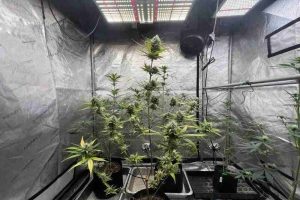
- Key Takeaways
- What is a cannabis grow tent and why growers use them
- Choosing the right grow tent for your indoor cannabis setup
- Grow tent setup: essential equipment for growing cannabis indoors
- Setting up a grow tent step-by-step
- Tips for successfully growing weed in a grow tent
- FAQ: Cannabis Grow Tent Setup
What is a cannabis grow tent and why growers use them
If you do not own the property you live on and drilling and creating ventilation holes are not an option, then growing weed in a grow tent is the next best thing. You may think of a tent and wonder how someone can grow cannabis inside, but grow tents are especially designed for cannabis cultivation, as explained below.
What a marijuana grow tent is and how it works
A cannabis grow tent basically creates a light-proof, ventilated space that can be set up in a bedroom, cellar or garage. Growing weed in a grow tent creates a clean, environmentally controlled space. They are made from waterproof Mylar on the inside with a black exterior.
- Grow tents will have openings at the top of the tent for grow tent ventilation
- The poles at the top of the tent are where the grow tent lighting is connected
- Grow tents are available in different sizes from 0.8m x 0.8m up to 2.5m x 2.5m
- Setting up a grow tent frame and cover takes 15-20 minutes typically
- Ducting will blow air out of the top of the tent and fresh air in the bottom
- There will also be vents on the side of the tent if you do not have an intake fan
- A carbon filter is placed inside the tent to scrub away any odours
- Grow tents need to be opened using the zip, creating a secure environment
- Inside will be lights, an extractor, ducting, a carbon filter and fans
- A tent is the most practical way to produce a cannabis indoor grow setup
Why grow tents are ideal for indoor cannabis cultivation
I always recommend that first-timers use an indoor weed grow tent, as there are many benefits. They are a stress-free solution and can be used for years. Below is a list of reasons why you may want to consider growing weed in a grow tent, in the comfort of your own home.
- You can set them up and take them down within half an hour.
- You can also choose the size of your indoor weed grow tent
- A wise choice for growers with limited space
- Climate control is much easier with a marijuana grow tent
- Practical for a breeder who needs to have several tents
- They can be used for clones, vegetation or flowering
- Tents are an excellent way to dry out the buds
- There is no need to convert rooms using power tools
Advantages of growing weed in a grow tent compared to open rooms
When deciding on your cannabis indoor grow set up, you will have two options. The first is to convert an open room, such as a spare bedroom, cellar, attic, or garage, into a clean, well-ventilated, and environmentally controlled space.
Open rooms may need a deep clean, be made reflective with mylar on the walls, and may not have any ventilation access. Unless you own the property, drilling and making holes in walls is out of the question. A cannabis grow tent is ideal for a low-cost, stress-free solution compared to the hassle of building and converting a grow room, in my opinion.
Choosing the right grow tent for your indoor cannabis setup
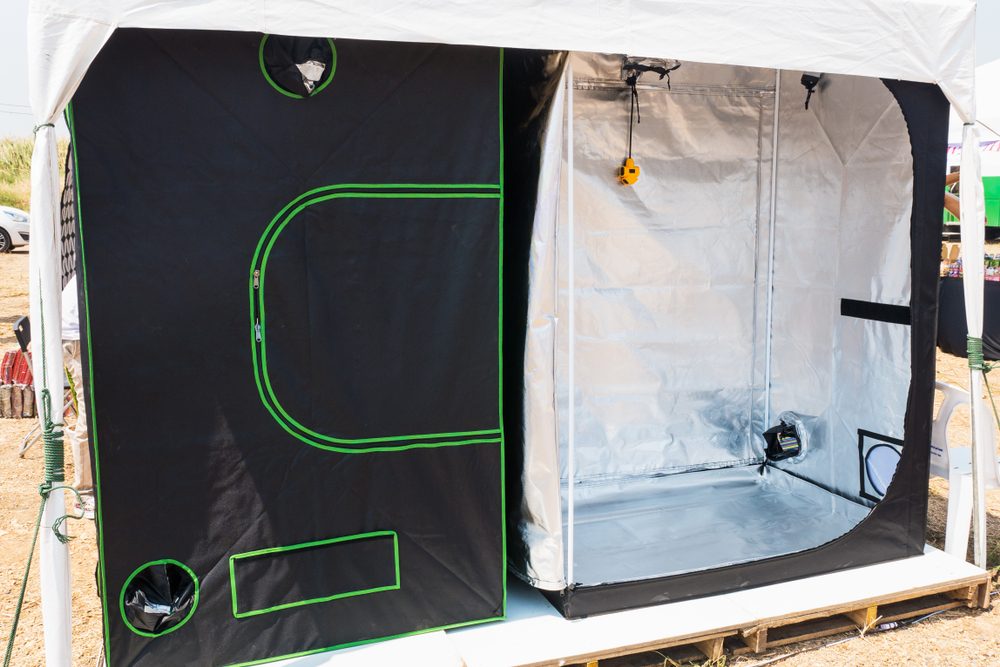
If you like the sound of growing weed in a grow tent, then picking the right one for you is essential. Below, I explain the common sizes of marijuana grow tents, features to look for when browsing online, and the ideal location for your indoor weed grow tent.
Common marijuana grow tent sizes and how to choose the right one
The beauty of growing weed in a grow tent is that you can decide on which size tent you want. Making this decision will be based on how much space you have, the number and size of plants you plan to grow, and whether you need more than one tent for clones, mothers, vegetation, or even harvesting and drying. Below is a guide on how many plants fit inside a tent, or how many hydroponic systems you can use.
- 0.8m x 0.8m x 1.2m = Ideal for 2-4 plants inside or 1 hydroponic system
- 1m x 1m x 2m = Ideal for 4-6 plants inside or 1 hydroponic system
- 1.2 m x 1.2 m x 2m = Ideal for 6-9 plants inside or 1 hydroponic system
- 1.5 m x 1.5m x 2m = Ideal for 12-15 plants or 1-2 hydroponic systems
- 2m x 2m x 2m = Ideal for 25-36 plants or 2-3 hydroponic systems
Essential features to look for in a quality grow tent
There are quite a few different marijuana grow tent brands on the market, offering their own version. There are a few key features to look for when buying a grow tent.
- The tent poles should be strong, durable and able to take a large amount of weight
- The cannabis grow tent should have a thick, durable outer cover that has a tight fit
- Check for ducting sockets at the top of the tent and at the base for an intake fan
- The tent should have closable side flaps that allow air into the tent
- If possible, check that the zip of the cannabis grow tent opens and closes smoothly
- Grow tents can be sold at competitive prices, so do not pay over the odds
Choosing the right location for an indoor weed grow tent
Setting up a grow tent won’t take long; however, choosing the best location for it is also worth considering. A cannabis indoor grow set-up should be a discreet and low-profile operation that keeps the neighbours oblivious and the law away from your door.
- Do not have your grow tent visible to neighbouring windows
- A bedroom is often the most common place for a marijuana grow tent
- Setting the tent up in a room that has a window is perfect for grow tent ventilation
- The space you set the tent up must be clean, free of dust, and as sterile as possible
- Mini tents designed for clones or seedlings can be kept in a bedroom or kitchen area
Grow tent setup: essential equipment for growing cannabis indoors
If you have ever visited your local grow shop, you will notice that they sell every type of grow tent, lighting, and grow tent ventilation. Some offer a complete grow tent setup. It is important to understand which equipment is necessary and why when growing weed in a grow tent.
Grow lights and lighting systems for cannabis grow tents
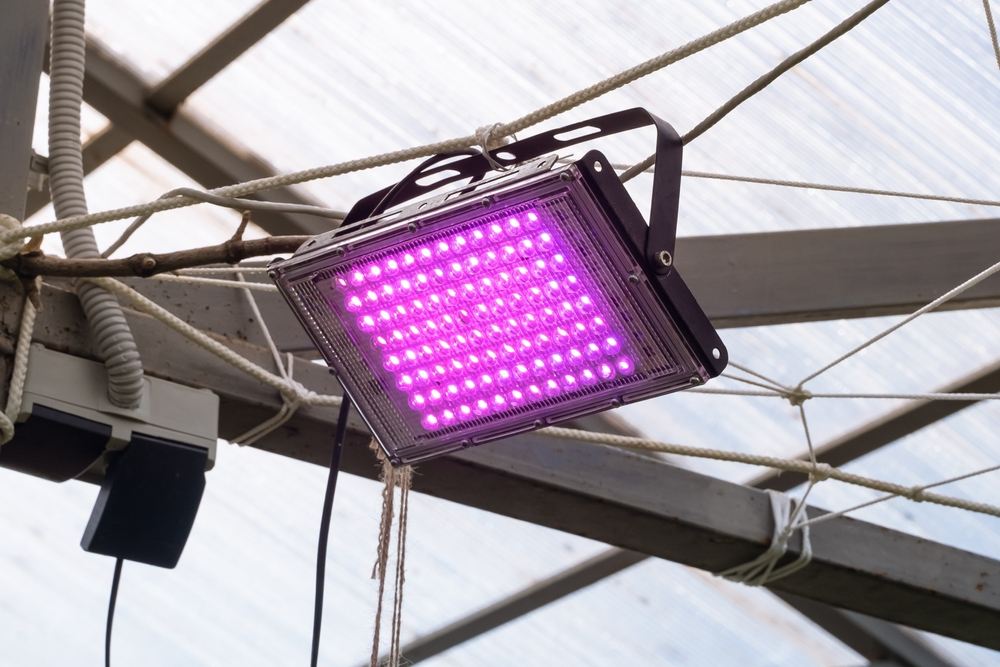
The grow tent lighting that you choose needs to be of a certain standard for cannabis plants to thrive and produce a good yield. Many different types of lights are available to a first-time grower, and these are covered below.
Compact Fluorescent Light (CFL)
CFL grow lights produce a soft light, and you can buy different spectrum bulbs for the vegetative and flowering phase. Unfortunately, CFL lights are not powerful or intense enough to produce substantial yields. They are superb for seedlings and clones and use very little power.
High-Pressure Sodium (HPS)
HPS grow lights comprise a ballast, a bulb, and a reflector. They are best suited for flowering due to the spectrum the bulbs produce and are available in 400W, 600W, or 1000W. HPS grow lights do produce a lot of heat from the bulb and ballast.
Metal Halide (MH)
These grow lights are similar to HPS lights because they also require a ballast, bulb, and reflector, and are available in 400w, 600w, or 1000w models. Metal halide lights are a wise option for the vegetative stage; however, for flowering, they need to be paired with an HPS or LED.
LED
In recent years, LED grow lights have become the number one choice for home growers. They are optimal for grow tent lighting as they are easy to hang, have a built-in dimmer, produce significantly less heat than HPS or MH, and are far more spectrum-specific. LEDs also use less electricity, making them well-suited for growers looking to reduce electricity costs.
Ventilation systems, carbon filters, and airflow
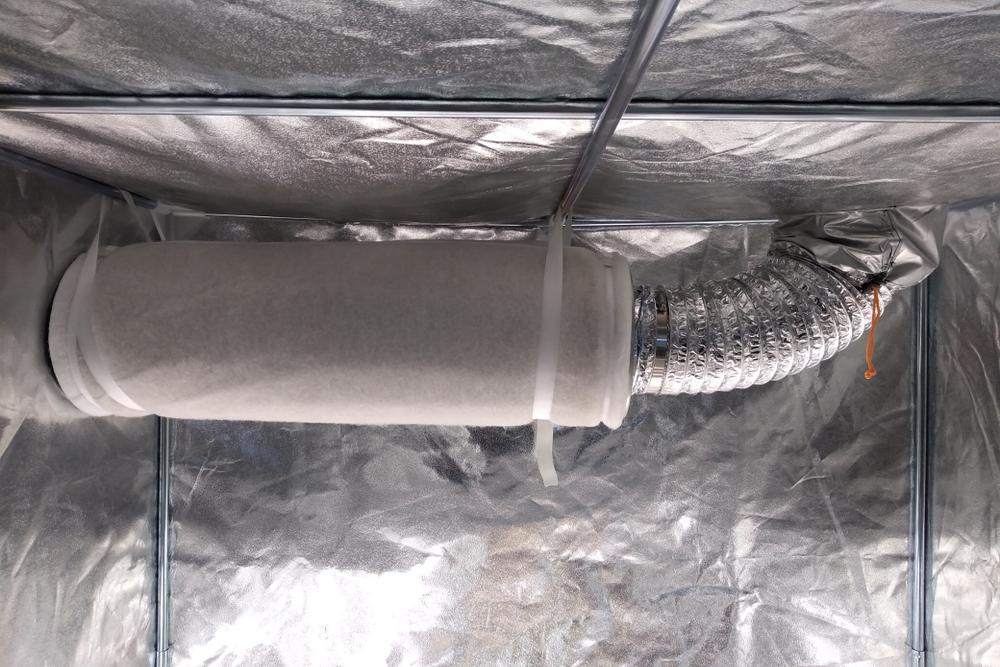
The absolute most important factor when setting up a grow tent is ensuring your ventilation is on point. Air needs to be circulated and recycled using inline fans and exhaust fans. Top-quality grow tent ventilation will be the difference-maker between maintaining ideal growing temperatures and humidity and growing amazing buds. Below is a list of all the items you need for adequate ventilation in a grow tent.
Exhaust Fan
Your exhaust fan will be connected to the carbon filter and is responsible for sucking air out of the grow tent. As old air is exhausted, fresh air enters from the bottom part of the tent via the inline fan. Your exhaust fan should be powerful enough to maintain the desired temperature and humidity levels and ensure proper ventilation.
Carbon Filter
This is a filter with carbon inside; as air passes through, any odours are scrubbed, leaving a carbon-fresh smell. Your carbon filter needs to be connected to the ducting before securing it to the exhaust fan and hanging it at the top of the tent.
Inline Fan
The inline fan should be much smaller than the exhaust fan. For example, if your exhaust fan is 200mm wide, the inline fan would only need to be 100-150mm wide. The job of the inline fan is to pull in cool, fresh air from an outside source, usually an open window with ducting connected.
Aluminium Ducting
This is the silver shiny tubing that you see, which can stretch and expand. The ducting is important for creating an airtight seal and connecting the carbon filter and extractor. Ducting is available in many different diameters and can also be purchased in an acoustically soundproof version.
Oscillating Fans
Once you have set up your extraction kit, the next step is to position the oscillating fans inside the grow tent, alternating their rotation to create wind currents and airflow. 4- to 6-inch fans work really well in small spaces and should be placed at different heights from one another.
Ducting Tape
When you have placed the ducting over the end of the carbon filter or extractor, make sure it is well secured to create a tight fit. I prefer to use duct tape; metal adjustable clips are a good solution if you cannot find any.
Hooks and Chains
Hanging all your equipment at the top of the tent using the metal pole frame should be done using thin metal chains and S-shaped metal hooks. Chains will guarantee that your equipment is secure and in place. The hooks will connect to the flat tent poles at the top of the tent.
Environmental controls, including temperature and humidity management
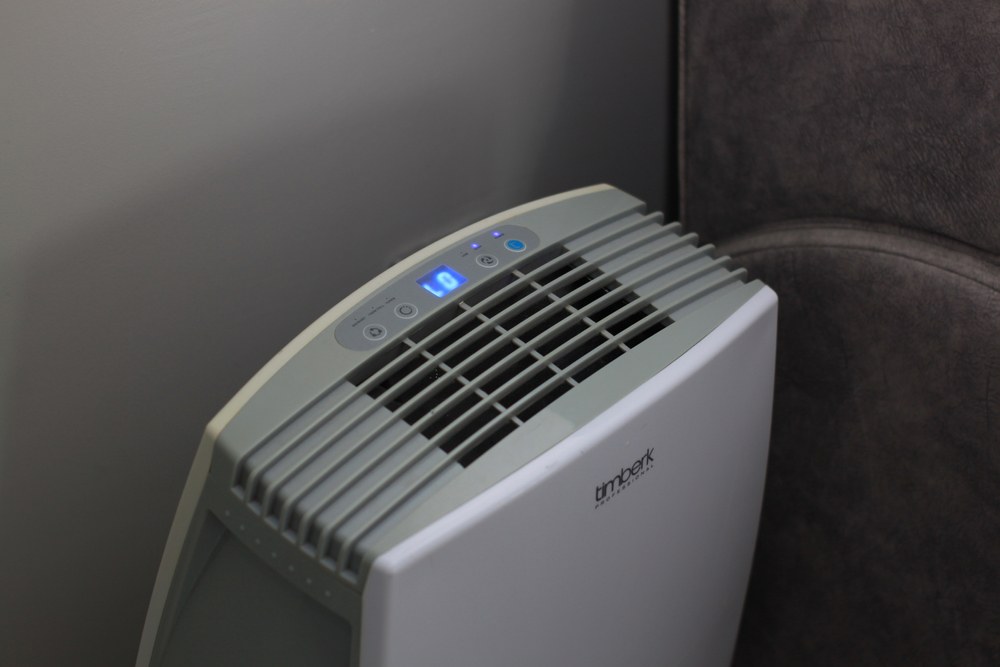
Growing weed in a grow tent requires maintenance and careful monitoring to ensure the right environment for your plants. When it comes to temperature and humidity management, you will have these options.
- A digital hygrometer will show you the temperature and humidity levels
- Humidifiers produce vapour and increase relative humidity
- Dehumidifiers draw moisture out of the air, reducing humidity levels
- Temperature fan controllers automatically control the temperature and humidity
Setting up a grow tent step-by-step
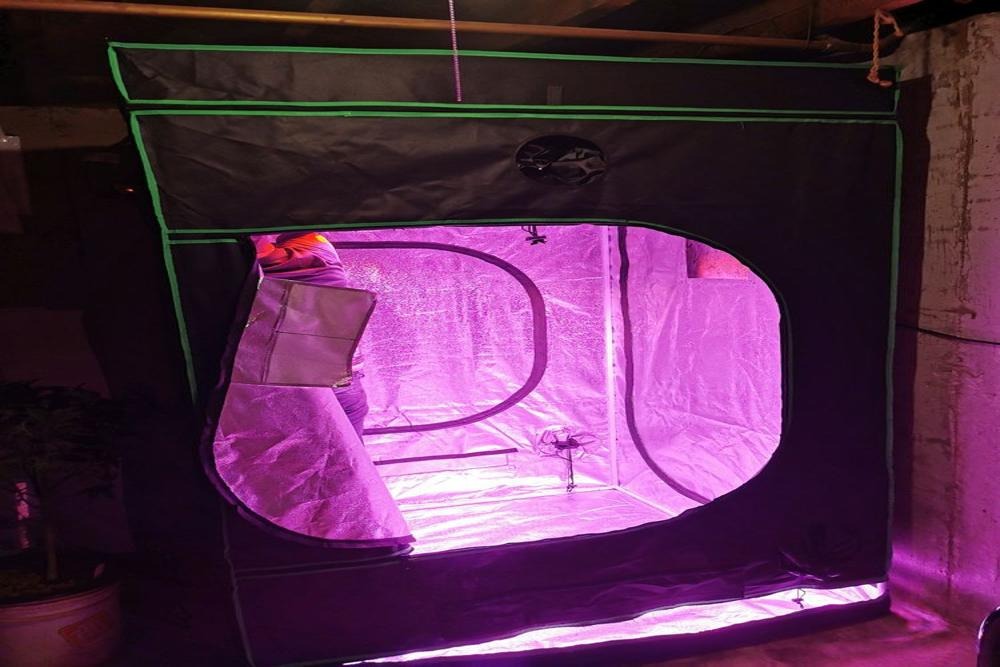
Setting up and taking down a marijuana grow tent is really simple: it's just a matter of connecting the poles, placing a cover over it, hanging your equipment, and making sure the grow tent lighting and ventilation are perfect for healthy plant growth and big buds.
Assembling the grow tent frame and reflective enclosure
When setting up a grow tent, you will open the big box it arrives in, and find numbered metal poles, connectors and the tent cover. You will need to create a clear space to work in when setting up an indoor weed grow tent. Make sure the metal poles are firmly inserted into the connectors, and that the final frame is strong and maintains a solid structure.
When you place the cover over the tent, you will first need to open the zip so the cover fits over the frame easily. Once the cover corners are in place, you can begin zipping the tent back up to create a tight fit.
Installing lighting, ventilation, and electrical components safely
When installing your grow lights, extraction kit, plugs, and wires, make sure they are securely hung. Using a thin metal chain and S-hooks is a cheap alternative that lets you keep the equipment at the top of the tent, well out of the way.
Dangling wires should be tied up with cable ties. Lift plug sockets off the floor to avoid potential water incidents, and always keep your marijuana grow tent clean and easy to work in.
Arranging plants and airflow inside the grow tent
The size of your indoor weed grow tent will depend on how many plants you want to grow. I strongly advise you not to overcrowd the grow tent and leave enough space for oscillating fans and for you to work. Avoid letting your cannabis plants touch as this will only affect air flow, increase humidity and cause plants to fight for light.
Tips for successfully growing weed in a grow tent
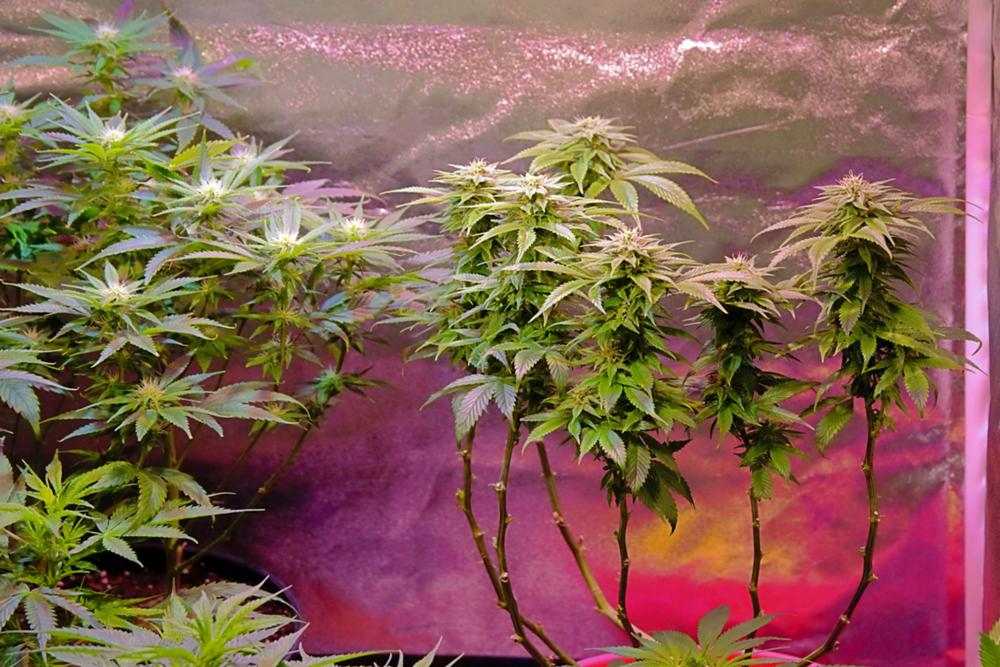
Growing weed in a grow tent allows a home grower to create a perfect, environmentally controlled space for their plants. There are still ways to get it wrong if you are new to growing, so below are some tips to help you get on the road to success and fully benefit from a proper grow tent set-up.
Managing temperature, humidity, and airflow for healthy plants
- Keep a digital hygrometer in the cannabis grow tent at all times
- Use at least one oscillating fan turning at different times and directions
- Place a humidifier in the grow tent if your humidity levels are too low
- Use a dehumidifier to reduce humidity levels if the humidity is too high
- Create a soft breeze for plants to avoid wind burn or excess transpiration
- An inline fan connected to an open window will provide CO2-rich cool air
Avoiding common mistakes when setting up a grow tent
- Avoid being heavy-handed when placing the grow tent cover over
- Allowing the ducting above the tent to droop downwards
- Overcrowding the tent with equipment, resulting in less space for plants
- Placing pots too closely together inside the tent
- Not providing enough space to comfortably enter the tent and work
- Not following the grow tent manual and using the wrong poles
Maintaining your indoor grow tent for consistent results
- Keep your grow tent clean and tidy using a sweeping brush and mop
- Keeping the grow tent closed prevents pests from entering
- Be prepared to change the carbon filter every 2nd harvest
FAQ: Cannabis Grow Tent Setup
What size grow tent do I need for cannabis?
The size of your grow tent depends on how many plants you want to grow and the space you have available. Smaller tents like 0.8m x 0.8m are ideal for 2–4 plants, while larger tents (2m x 2m) can support 25+ smaller plants or multiple hydroponic systems.
What is the best lighting for a cannabis grow tent?
LED grow lights are the most popular choice for grow tents due to their energy efficiency, lower heat output, and full-spectrum capabilities. HPS and MH lights are also effective but produce more heat and require stronger ventilation.
How do you ventilate a grow tent properly?
Proper ventilation requires an exhaust fan, carbon filter, ducting, and an intake source for fresh air. This setup removes hot, stale air while bringing in cool, CO₂-rich air to maintain stable temperature and humidity levels.
How many plants can you grow in a grow tent?
The number of plants depends on tent size and growing method. For example, a 1m x 1m tent typically fits 4–6 plants, while larger tents can accommodate more. Avoid overcrowding to maintain good airflow and light distribution.
What temperature and humidity should a grow tent be?
Cannabis plants thrive in temperatures between 20–29°C (68–85°F). Humidity should be around 60–70% during the vegetative stage and reduced to 40–50% during flowering to prevent mold and bud rot.
Do grow tents smell, and how do you control odor?
Yes, grow tents can produce strong odors during flowering. A carbon filter connected to your ventilation system effectively removes smells before air leaves the tent.
Can you grow cannabis in a grow tent without ventilation?
While it is possible, it is not recommended. Without proper ventilation, heat, humidity, and stale air will build up quickly, leading to poor plant growth and increased risk of pests and disease.
How often should you clean a grow tent?
You should clean your grow tent regularly between grows and lightly maintain it during each cycle. Removing debris, wiping surfaces, and keeping the space sterile helps prevent pests and pathogens.
What is the best location for a grow tent?
A grow tent should be placed in a clean, discreet area with access to fresh air, such as a bedroom or room with a window. Avoid placing it near direct heat sources or in visible areas.
What are the most common mistakes when setting up a grow tent?
Common mistakes include poor ventilation setup, overcrowding plants, incorrect light placement, and failing to monitor temperature and humidity. Avoiding these issues will lead to healthier plants and better yields.


