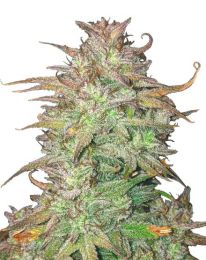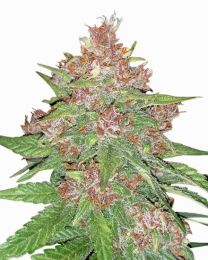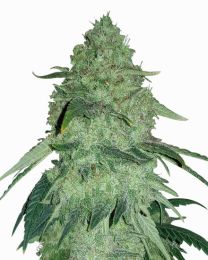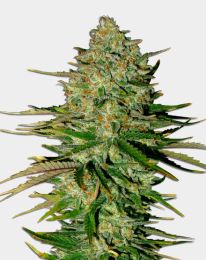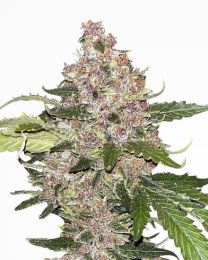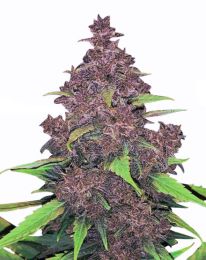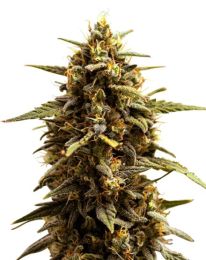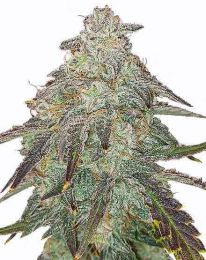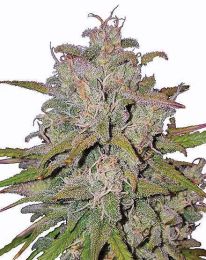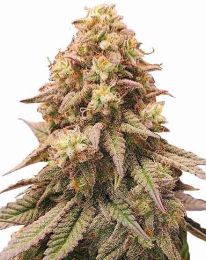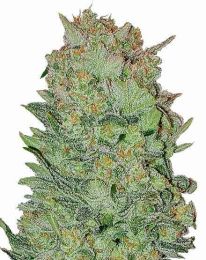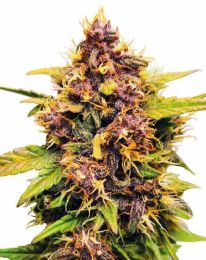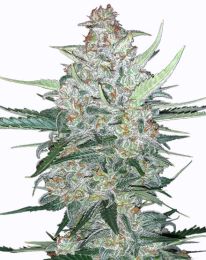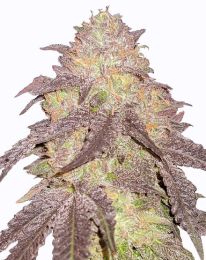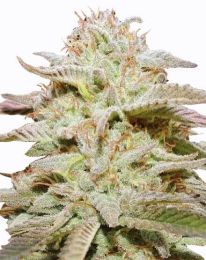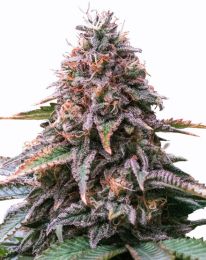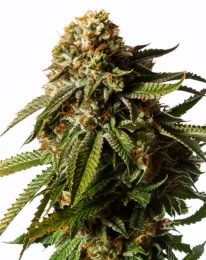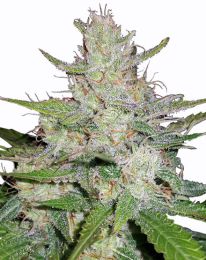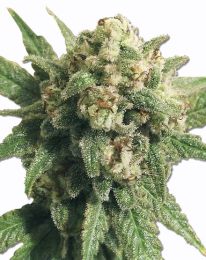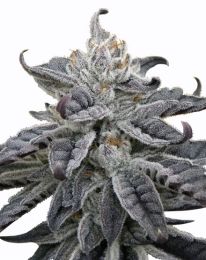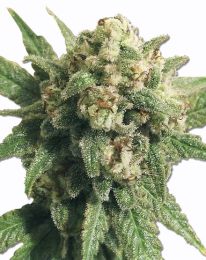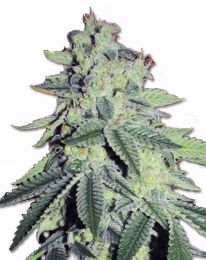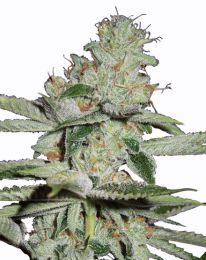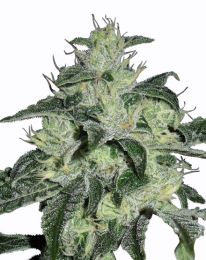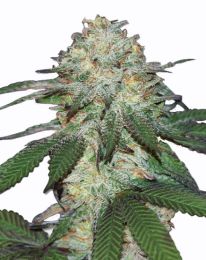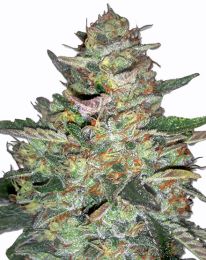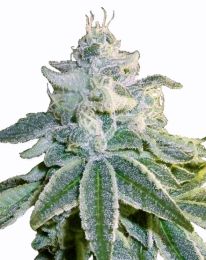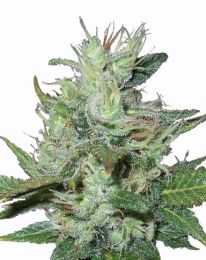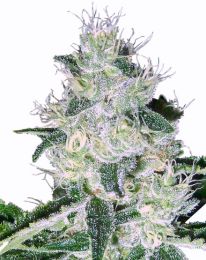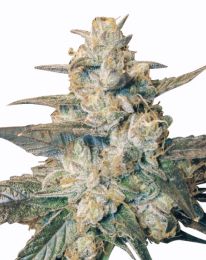




Indica Autoflower Seeds
Our indica autoflower seeds combine the relaxing, body-focused effects of indica genetics with the speed and simplicity of autoflowers. They begin flowering automatically without a change in light schedule, stay compact, and can be ready to harvest in as little as 8 weeks. If you want an easy-to-manage cannabis plant and relaxing indica effects without the longer grow of a photoperiod, indica autos give you the best of both.
Read MoreWhat Are Indica Autoflower Seeds?
Indica autoflower seeds combine indica-dominant genetics with the automatic flowering trait originally introduced through Cannabis Ruderalis. The result is a plant that retains many of the characteristics people look for in an indica, such as compact growth and relaxing effects, while beginning to flower automatically after only a few weeks.
Unlike photoperiod indicas, you don't need to switch your lighting to 12 hours on and 12 hours off to trigger flowering. Most indica autos can remain under an 18/6 or 20/4 light schedule throughout their entire lifecycle, making them particularly straightforward to grow indoors.
They're also quick. Depending on the strain, some indica autoflowers can go from seed to harvest in as little as 8 weeks, giving you a much faster route to the type of relaxing flower you'd normally associate with indica genetics.
Why Choose Indica Autoflower Seeds?
For most people, there are two main reasons to choose an indica autoflower: the effects you want after harvest and the way you want to grow.
Indica-dominant strains are widely associated with deeply relaxing, body-focused effects and are often chosen for unwinding later in the day. Combining those characteristics with autoflowering genetics gives you that indica experience in a plant that's generally quicker and easier to manage.
The compact size is particularly useful indoors. Indica genetics already tend towards shorter, bushier growth, and combining this with an autoflower's short vegetative period can produce plants that fit comfortably into smaller grow tents and restricted spaces.
You also don't need to control flowering through the light schedule. Once your plant reaches the appropriate age, it starts flowering on its own. If you want to keep your grow simple while still choosing genetics based around indica characteristics, that's a very useful combination.
Are Indica Autoflowers Right for You?
Indica autoflowers make most sense if you want relaxing indica effects but prioritize speed, compact growth or simplicity over having complete control of the vegetative stage.
They're particularly well suited to:
- Growers looking for relaxing, body-focused effects.
- Beginners who want a straightforward first grow.
- Indoor growers working with limited height or smaller tents.
- Anyone who doesn't want to change light schedules to trigger flowering.
- Growers looking for a short seed-to-harvest time.
- Outdoor growers who don't want to wait for shorter days to trigger flowering.
The main trade-off is control and yield. Because flowering begins automatically, you can't keep an indica auto in vegetative growth indefinitely to make the plant larger or give it additional recovery time. If you'd rather control when flowering begins, a photoperiod indica may be the better choice.
How Big Do Indica Autoflowers Grow?
One of the biggest attractions of indica autoflowers is their manageable size. Both sides of their genetics tend to work in your favor here: indicas are generally shorter and bushier than sativas, while autoflowers have a limited vegetative period before flowering begins.
That makes them a particularly useful option for grow tents, cupboards and other indoor spaces where every centimeter of headroom matters. You spend less time trying to control excessive vertical growth and can concentrate on creating an even canopy that makes good use of your available light.
Don't assume every indica auto will stay tiny, though. Plant size varies considerably between strains, and factors such as container size, lighting and growing conditions also influence how large your plants become. Check the expected height of the individual strain before deciding how many plants your space can comfortably accommodate.
How Long Do Indica Autoflowers Take to Grow?
Some of the fastest indica autoflowers can be ready in as little as 8 weeks from seed, although the exact seed-to-harvest time varies by strain.
This is an important difference from photoperiod indicas. A photoperiod plant needs to go through a vegetative period before you trigger flowering, followed by the strain's flowering time. With an auto, the entire lifecycle is usually given as one seed-to-harvest figure because the plant controls when flowering begins.
One little tip: treat the advertised harvest time as a guide rather than a date you need to stick to. Plants don't know what's written on the packet. Check the actual maturity of the flowers before harvesting rather than automatically cutting the plant down when it reaches a particular week.
Growing Indica Autoflower Seeds Indoors
Indica autos are particularly well suited to indoor growing because their compact structure makes them relatively easy to fit beneath artificial lighting. You can also keep the same light schedule throughout the grow rather than maintaining separate vegetative and flowering schedules.
An 18/6 light cycle is a popular option, giving your plants 18 hours of light followed by six hours of darkness each day. Some growers use 20/4 instead. There's no need to switch to 12/12 when flowering starts because the plant will flower regardless of the number of daylight hours it receives.
Because indica plants can develop dense foliage and tightly packed flowers, we'd pay particular attention to airflow and humidity as flowering progresses. Good air movement around and through the canopy becomes increasingly important as buds gain size and density.
Growing Indica Autoflower Seeds Outdoors
Indica autoflowers also have some useful advantages outdoors. Because flowering isn't triggered by shortening daylight hours, you don't have to wait until late summer for your plants to begin producing flowers.
Instead, you can time your grow so the plant's short lifecycle coincides with a favorable period of weather and strong sunlight. In warmer climates with a long enough season, the short turnaround can also make more than one autoflower harvest possible.
We'd still avoid planting too early simply because autos are fast. Those first few weeks are important, and cold temperatures or weak spring sunlight can slow growth at exactly the point when you want the plant developing quickly. Wait until conditions are suitable and give your plants the strongest start you can.
Indica Autoflower vs Photoperiod Indica
Both give you access to indica genetics, but the better choice depends on how much control you want over the grow.
An indica autoflower begins flowering according to age. That makes it faster and removes the need to change light schedules, but you have limited control over how long the plant remains in vegetative growth.
A photoperiod indica only begins flowering once the light cycle changes. Indoors, that means you decide when to switch to 12/12, allowing you to keep the plant growing vegetatively for longer, train it more extensively and potentially develop a much larger plant before flowering.
If you want speed, compact plants and simplicity, we'd lean towards the autoflower. If you want more control over plant size, training and when flowering begins, explore our indica cannabis seeds and use the flowering type filter to find photoperiod varieties.
Indica Autoflower vs Sativa Autoflower
If you've already decided that you want an autoflower, the next question is often whether indica or sativa genetics better suit what you're looking for.
Indica autos generally lean towards more relaxing, body-focused effects and compact growth. Sativa autoflowers tend to offer more uplifting and cerebral effects and can show taller, more vigorous growth depending on the strain.
Neither is necessarily easier or better. We'd make this decision primarily around the effects you want, then compare the individual strains for height, flowering time, potency and yield.
If uplifting effects sound more like what you're looking for, explore our sativa autoflower seeds.
Tips for Growing Indica Autoflower Seeds
One of the most important things to understand about any autoflower is that you can't extend its vegetative stage to compensate for an early setback. If growth stalls for a week, the plant's internal clock doesn't stop with it.
That's why we've found that keeping things simple usually works best. Avoid overwatering seedlings, don't push young plants with excessive nutrients, and minimize unnecessary stress during those first few weeks.
Low stress training can be useful if you want to spread the naturally bushy structure and expose more flowering sites to light. Start early while the branches are still flexible and avoid making major changes once the plant is well into flowering.
It's also worth keeping an eye on humidity later in the grow. Dense indica flowers and crowded foliage can restrict airflow, so give your plants enough space and maintain good air movement through the canopy.
Choosing the Right Indica Autoflower
Once you've decided an indica auto suits your grow, we'd start by comparing effects. Some strains produce extremely heavy, deeply relaxing experiences, while others are more balanced despite being indica dominant.
Then look at the practical side. How much height do you have? How quickly do you want to harvest? Is yield more important than keeping the plant particularly small? There's plenty of variation within indica autoflowers, so choosing the category is only the first step.
Potency and flavour can then help narrow things down further. We'd avoid simply choosing the strain with the highest THC percentage or shortest advertised lifecycle. The best choice is the one that gives you the indica experience you're looking for while fitting comfortably into your grow.
Tips From the MSNL Grow Team
- Give seedlings a strong start because you can't extend the vegetative stage later.
- Avoid overwatering and overfeeding young autoflowers.
- Use low stress training early if you want to open up the naturally bushy canopy.
- Keep good airflow around dense foliage and flowers as the plant matures.
- Check expected plant height rather than assuming every indica auto will stay tiny.
- Use seed-to-harvest times as a guide and let the actual maturity of the plant determine when you harvest.
Indica autoflowers are at their best when you want to keep things straightforward. Give them a healthy start, avoid unnecessary stress and let the automatic flowering trait do what it was bred to do. You'll get the compact growth and relaxing characteristics you came to indica genetics for, with a much shorter and simpler route from seed to harvest.
Looking for More Autoflower Genetics?
If you want to compare indica autos with the rest of our autoflowering genetics, explore our full range of autoflower cannabis seeds. Or, if you're looking for something more uplifting and energetic while keeping the convenience of automatic flowering, browse our sativa autoflower seeds.