



White Weed Strains
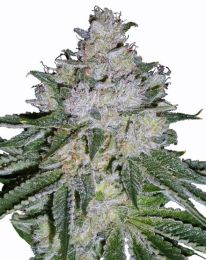
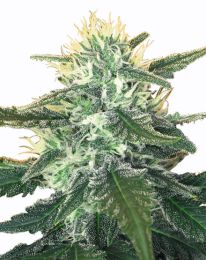
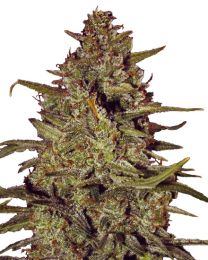
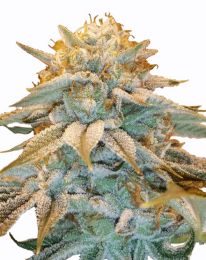
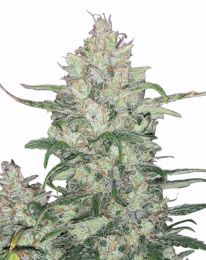
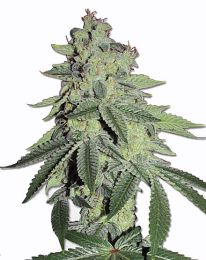
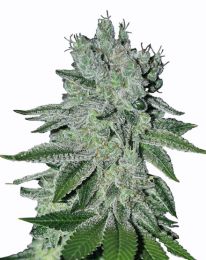
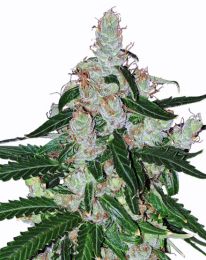
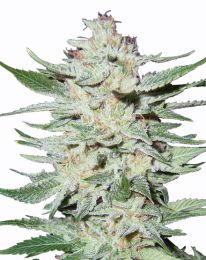
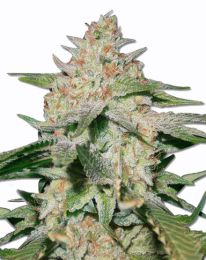
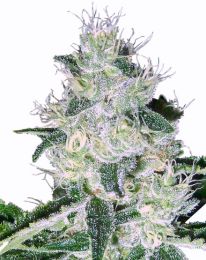
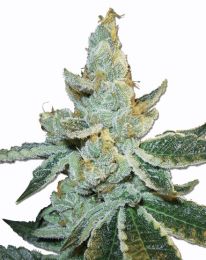
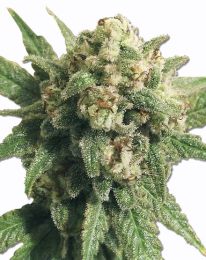
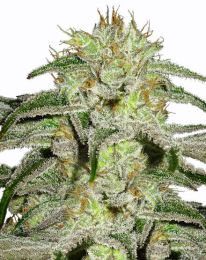
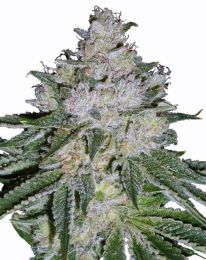
Our white cannabis seeds bring together strains from the famous White family, including White Widow genetics and crosses inspired by them. These strains are also known for heavy trichome production, which can give mature flowers the frosty, almost white appearance that helped make White genetics so recognisable.
Read MoreWhat Are White Cannabis Strains?
White cannabis strains aren't a group of plants that literally produce white flowers. The name is much more closely connected to genetics and the thick covering of resinous trichomes that many of these strains develop during flowering.
White Widow is one of the best-known foundations of the family, and its genetics have been used to create numerous crosses over the years. You'll therefore find strains carrying the White name that combine this influence with very different cannabis genetics.
At the same time, not every strain with "White" in its name is necessarily a White Widow cross. The term has also become associated with particularly resinous cannabis plants whose flowers can look pale, silver or white when they're covered in mature trichomes.
That's why we'd recommend looking at the actual parent genetics of each strain rather than assuming everything in the White family will grow or smoke the same way.
Why Do White Cannabis Strains Look Frosty?
That frosty appearance comes from trichomes. These tiny resin glands develop across cannabis flowers and surrounding leaves during flowering, producing and storing cannabinoids, terpenes and other compounds.
When a strain produces trichomes particularly heavily, thousands of these tiny glands catch the light and can give the flowers a silver, crystal-covered or almost white appearance. It's this characteristic that has become so closely associated with white strains.
Trichomes aren't just there for appearance, either. They're an important part of the finished flower, influencing its resin content, aroma and potency. If you want to take a closer look at how they develop and what they can tell you about your plants, read our guide to cannabis trichomes.
Where Do White Cannabis Genetics Come From?
White Widow is the obvious reference point when exploring white genetics. Its influence can be found throughout the wider family, with breeders crossing White Widow and related genetics with other strains to create new combinations of potency, flavour, plant structure and resin production.
We've worked with these genetics ourselves for many years. White Widow Max is one of our own MSNL creations and our take on pushing White Widow genetics further while retaining the qualities that made the original family so popular.
That's also what makes this category interesting from a breeding perspective. Once White genetics are crossed with another family, the resulting plant can be quite different from White Widow itself while still carrying part of that genetic heritage.
What Are White Strains Like to Grow?
There isn't one growing style that applies to every white strain. White Widow crosses can inherit very different characteristics from their other parent, affecting everything from height and flowering time to yield and overall plant structure.
One characteristic worth watching later in flowering is trichome development. Resin-heavy plants can become noticeably frosty as they mature, but we'd never recommend judging harvest time purely by how white the flowers look.
Instead, inspect the trichomes themselves under magnification. Their appearance changes as the plant matures, progressing from clear towards cloudy or milky, with some eventually turning amber. Looking closely at the trichomes on the flowers gives you a much better indication of maturity than simply looking at the plant from a distance.
Are All White Strains White Widow Crosses?
No. White Widow is hugely important to the category, but you shouldn't assume that every cannabis strain containing "White" in its name descends directly from it.
White can also refer to the frosty appearance associated with particularly heavy trichome production, and modern breeders have used the name with genetics from outside the traditional White Widow family.
White Runtz is a good example. Its genetics come from Gelato and Zkittlez rather than White Widow, yet it sits naturally alongside modern white varieties thanks to the characteristics associated with the strain.
For us, the actual genetics always matter more than the name. If you're comparing two white strains, check their parentage and individual growing characteristics rather than expecting them to behave similarly simply because both carry the White name.
What Do White Cannabis Strains Taste Like?
There's no single flavour that defines the White family.
White Widow-derived strains can take their aroma and flavour in very different directions depending on what they've been crossed with. That means you'll find everything from earthy and spicy profiles to fruitier, sweeter and more modern dessert-style genetics within the wider category.
The same applies to effects and potency. Crossing White genetics with another parent can significantly change the finished experience, so we'd always choose according to the individual strain rather than the White name alone.
How Breeders Use White Genetics
One of the reasons White genetics have remained relevant is how many different directions breeders can take them. Combining established White lines with contrasting genetics allows breeders to retain desirable characteristics while introducing different flavours, structures, effects or flowering traits.
We've done this ourselves with Candy Damage Autoflower, an MSNL creation that combines White LSD with Mango from KC Brains, the breeder behind the original Mango strain. It's a very different proposition from a traditional White Widow, but it shows how White-family genetics can become part of something completely new.
How to Choose the Best White Cannabis Seeds for Your Grow
Start with the genetics rather than the name.
If you want something closely connected to the classic White family, look at its White Widow ancestry. If heavy resin production and frosty flowers are what attracted you to the category, compare trichome production, potency and the characteristics of the individual strain.
Then consider the practical side of your grow: plant height, flowering time, difficulty, yield and whether the strain is suited to your environment. A White Widow cross and a modern strain such as White Runtz can both belong in this collection while offering very different growing experiences.
If you want to explore MSNL's own work with these genetics, White Widow Max is a natural starting point, while Candy Damage Autoflower shows what can happen when White genetics are taken in a completely different direction.
There's no single "best" white strain. The right choice depends on which genetics, growing characteristics and finished qualities matter most to you.