



Blue Cannabis Seeds
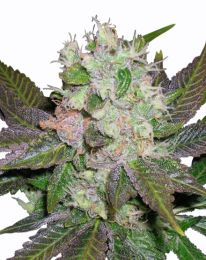
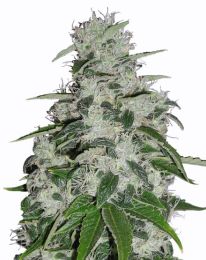
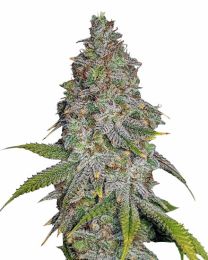
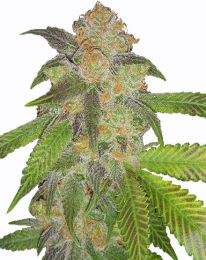
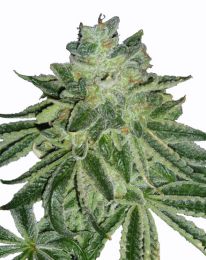
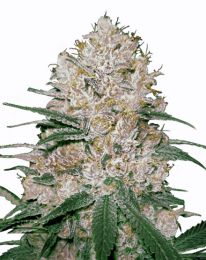
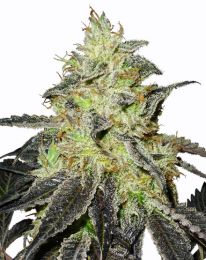
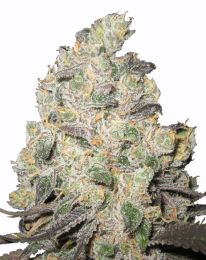
Our blue cannabis seeds bring together classic blue varieties and modern crosses that carry Blueberry genetics. Many are known for sweet berry flavours and striking blue, purple or violet tones, although not every strain in the collection will develop strong colour.
Read MoreWhat Are Blue Cannabis Strains?
When we talk about blue cannabis strains, we're primarily talking about a genetic family rather than simply the colour of the finished plant.
Much of that family can be traced back to the original Blueberry strain, which helped establish the sweet berry character and colourful flowers now closely associated with blue genetics. Since then, Blueberry has been crossed with numerous other cannabis families, creating strains that retain different parts of that original genetic influence.
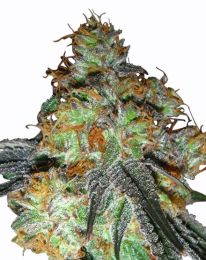
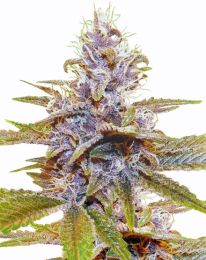
That's an important distinction when you're choosing your seeds. Some blue strains can develop striking blue, purple and violet tones during flowering, while others are considered blue strains because of their ancestry even if the finished plant remains predominantly green.
So if you're choosing purely for appearance, don't assume that having "blue" in the name guarantees blue buds. We'd always recommend checking the characteristics of the individual strain first.
What Causes Blue Colouration in Cannabis Plants?
Blue colouration in cannabis is the result of specific genetic traits that influence pigment expression during flowering. These pigments are closely related to anthocyanins, naturally occurring compounds responsible for blue, purple and red tones in many plants.
The important thing we've learned when working with colourful genetics is that genetics come first. A plant needs the genetic potential to produce these pigments in the first place.
Environmental conditions can then affect how strongly that colour is expressed. Cooler temperatures, particularly later in flowering, can sometimes encourage more noticeable pigmentation in genetically capable plants, but they can't turn a strain blue if the potential isn't already there.
One thing to keep in mind is that colour shouldn't come at the expense of plant health. We wouldn't recommend deliberately exposing your plants to excessive cold simply to chase darker flowers. Give them the right growing conditions and let the genetics do the work.
Where Do Blue Cannabis Genetics Come From?
Blueberry is the obvious starting point when exploring the blue family.
The strain became the genetic foundation for many of the blue crosses that followed, with breeders combining its distinctive characteristics with other established cannabis lines to create new varieties.
If you want to experience those genetics closer to their source, Blueberry Seeds are where we'd start. If you'd rather see what happens when Blueberry genetics are taken in another direction, there are plenty of crosses to explore.
Blue OG Feminized Seeds, for example, combine blue genetics with OG influence and are exclusive to MSNL. It's a good example of why we think of blue as a genetic family rather than a particular type of cannabis plant: crossing blue genetics with another family can significantly change the growing characteristics and finished experience while retaining elements of the blue lineage.
What Are Blue Strains Like to Grow?
There isn't a single growing pattern that applies to every blue strain.
This is where looking at the genetics behind the individual variety becomes much more useful than choosing it simply because it's part of the blue family.
Crossing Blueberry with different parents can influence plant height, structure, flowering time, yield, potency and difficulty to grow. You'll therefore find blue genetics suitable for quite different growing environments and levels of experience.
One little tip from us: choose your blue strain based on your growing conditions first and colour second. A beautiful plant isn't much use if its height, flowering time or climate requirements aren't right for your setup.
Check the individual strain page before choosing your seeds, particularly if you're working with limited indoor space or growing outdoors somewhere with a shorter season.
Do All Blue Cannabis Strains Produce Blue Buds?
No, and this is probably the biggest misconception about the category.
Some blue strains can develop obvious blue, purple or violet colouration, while others may show relatively little. Other strains belong in the blue family because they carry Blueberry ancestry rather than because of the colour they produce.
Even with genetics capable of producing strong colour, you can see variation between plants and growing environments.
If colourful cannabis is your main priority, we'd recommend choosing a strain specifically known for strong pigment expression rather than relying on the blue name alone.
What Do Blue Cannabis Strains Taste Like?
Sweet berry flavours are one of the characteristics most commonly associated with Blueberry genetics, and they're one of the reasons this family has remained popular for so long.
But don't expect every blue cross to taste like Blueberry.
The other parent can introduce completely different aromas and flavours, so depending on the strain you may find fruity characteristics alongside earthy, citrus, pine, fuel or other notes.
That's part of what makes these genetics interesting to us. Blueberry provides breeders with a recognisable genetic foundation, but crossing it with very different varieties can produce a much broader range of flavours and growing characteristics.
Feminized and Autoflowering Blue Cannabis Seeds
Blue genetics aren't limited to traditional photoperiod plants.
If you want the conventional growing experience, our feminized blue strains allow you to control when flowering begins by changing the light schedule indoors.
If speed and simplicity are more important, you can also choose blue genetics in an autoflowering format.
We've worked with blue genetics ourselves when developing Auto Bluetooth, an MSNL Original that brings blue-family genetics into an autoflowering strain. It's a good example of how far the blue family has evolved from its photoperiod origins.
Autoflowers begin flowering according to age rather than requiring a change in light schedule, making them worth considering if you want a faster, more straightforward grow.
How to Choose the Best Blue Cannabis Seeds for Your Grow
Don't choose solely on colour.
Start with how and where you're planning to grow, then compare the individual strains for characteristics such as plant height, flowering time, difficulty, climate suitability, potency and expected yield.
After that, you can narrow your choice based on the characteristics that make blue genetics particularly appealing to you, whether that's berry flavour, colourful flowers or simply a particular Blueberry cross.
If you're not sure where to start, Blueberry gives you the classic foundation of the family. From there, strains such as our exclusive Blue OG show how those genetics can change when crossed with another established cannabis line, while our Auto Bluetooth demonstrates what they can offer in an autoflowering format.
There's no single "best" blue strain. The right one is the one whose genetics and growing characteristics best match your grow.