




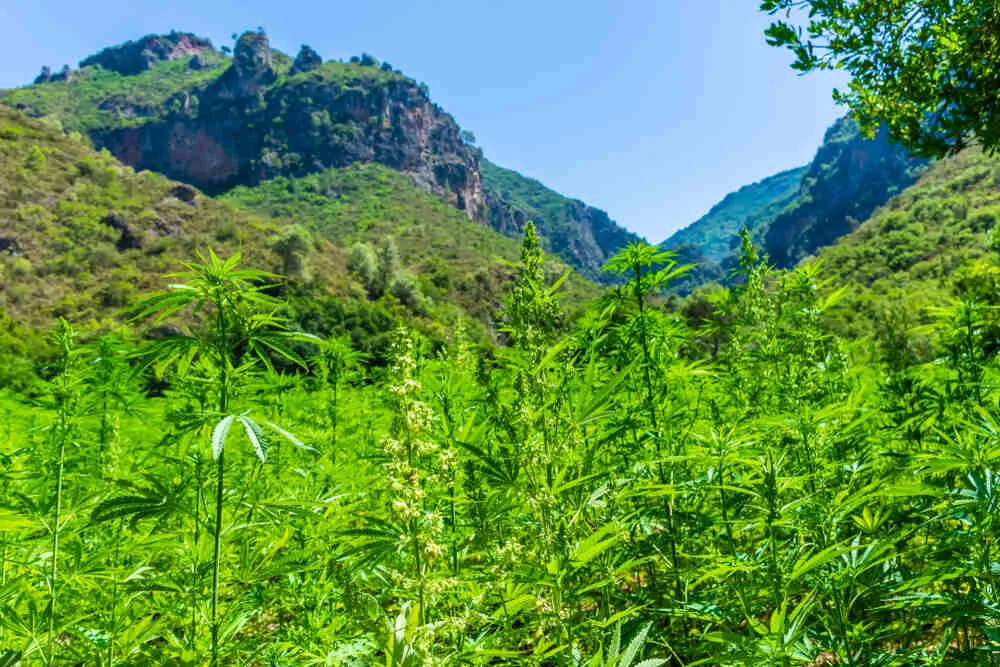
Landrace strains are traditional cannabis populations that developed over generations in specific regions, shaped by local climates, cultivation practices and natural selection. From the mountains of Afghanistan to tropical Thailand and South Africa, these genetics have played an important role in the development of modern cannabis varieties.
But what are landrace strains, and how do they differ from today's hybrids? This guide explores their origins, distinctive growth characteristics and eight classic and landrace-derived cannabis varieties, helping growers understand their genetic heritage and what makes each one worth exploring.
Key Takeaways
- Landrace strains are traditional cannabis populations shaped by regional conditions and generations of cultivation.
- Geographical origins influence growth, including plant structure, flowering periods and environmental adaptation.
- Landrace and heirloom strains differ, with heirlooms defined by the preservation of older genetic lines.
- Modern hybrids often contain landrace genetics, but deliberate breeding can change their original characteristics.
- Authenticity depends on documented ancestry, as commercial strain names do not always represent original regional populations.
- What Are Landrace Strains?
- Six Classic Landrace-Associated Strains and Two Heritage Hybrids
- Landrace vs Heirloom vs Hybrid Cannabis
- How Can You Assess Landrace Authenticity?
- Landrace Strains from Africa
- Landrace Strains from the Middle East
- What is the Difference Between Landrace and Heirloom Strains?
- Conclusion
- Frequently Asked Questions About Landrace Strains
- References
What Are Landrace Strains?
A cannabis landrace is a population maintained through generations of cultivation in a particular geographical area. Over time, local growers retain seeds from plants with useful characteristics, while climate and other environmental pressures influence which plants reproduce successfully. A landrace can therefore contain substantial variation in height, flowering patterns and chemical composition.
As Clarke and Merlin (2017) explain, cannabis domestication involved both natural selection and human intervention. That is why landrace should not be confused with wild, pure or unchanged. Broad-leaf types from parts of Central Asia and narrow-leaf populations from tropical regions provide familiar contrasts, but individual seed lines may not fit those patterns.
Six Classic Landrace-Associated Strains and Two Heritage Hybrids
The first six names refer to cannabis associated with traditional growing regions. Their MSNL products are commercial seed lines, not independently authenticated samples of the original populations. The final two are deliberate hybrids containing older regional ancestry.
| Variety | Heritage | Common growth association | Main consideration |
| Hindu Kush | Afghanistan/Pakistan | Compact, broad-leaf structure | Available space |
| Afghan | Afghanistan | Resin-rich, broad-leaf types | Dense flowers |
| Thai Stick | Thailand | Tall, narrow-leaf growth | Extended flowering |
| Colombian Gold | Colombia | Tall, branching structure | Seasonal length |
| Acapulco Gold | Mexico | Historic narrow-leaf heritage | Variation between selections |
| Durban Poison | South Africa | Upright branching | Line-specific growth |
| Purple Thai | Thai and Mexican ancestry | Hybrid with purple pigmentation | Selected flowering traits |
| Mazar | Afghani and Skunk #1 | Sturdy, dense-flowered hybrid | Air movement around flowers |
1. Hindu Kush – Compact Mountain Heritage
Hindu Kush takes its name from the mountain range crossing Afghanistan and Pakistan. Traditional cannabis associated with the region commonly has broad leaves, sturdy branches and resin-rich flowers, reflecting a long connection with hash-making traditions.
Its relatively compact growth is the main reason to compare it with taller tropical types when space is limited. Hindu Kush Regular seeds offer a commercially maintained expression of that heritage. Compact does not mean identical: height, flowering duration and resin production still depend on the particular plants and growing environment.

2. Afghan – Traditional Resin-Producing Genetics
Afghan cannabis refers to varied populations from Afghanistan, rather than a single uniform strain. Many traditional examples are broad-leaf plants associated with dense flowers and resin production for hash.
Their importance goes beyond appearance: Afghan genetics influenced numerous later hybrids. Afghan Feminized seeds are one commercial option for exploring these characteristics. For growers, the distinction from Hindu Kush is geographical breadth; Afghan describes a wider range of local backgrounds. Dense flowers also make humidity and airflow relevant considerations, even where plants remain relatively short.

3. Thai Stick – Tropical Growth and Long Flowering
Traditional Thai cannabis is associated with narrow leaves, vigorous upward growth and longer flowering periods than many compact commercial varieties. Such traits can present challenges where the outdoor season or vertical space is limited.
Thai Stick originally described a preparation in which flowers were secured around sticks; it was not the name of one uniform genetic population. Thai Stick Regular seeds are a commercial landrace-style line associated with Thai heritage, rather than proof of unchanged regional ancestry.
Grower Tip: Before choosing Thai-derived genetics, compare the seed line's stated mature height and flowering duration with the available growing space and season. Regional ancestry alone cannot establish either figure.

4. Colombian Gold – Santa Marta Heritage
Colombian Gold is historically associated with the Santa Marta region of Colombia. Traditional descriptions mention narrow leaves, extended branching and flowers that can develop golden tones as they mature.
Colombian ancestry became influential in classic hybrid breeding. For growers interested in older South American types, branching structure and possible extended flowering are more useful considerations than the name's reputation. Colombian Gold Feminized seeds represent a commercial selection; its advertised characteristics should be assessed independently of historical accounts.

5. Acapulco Gold – Historic Mexican Cannabis
Acapulco Gold became well known through its association with Acapulco, Mexico. Accounts of historic plants describe golden or reddish flowers and notable resin production, but appearance cannot establish genetic authenticity.
Mexican cannabis also contributed to the ancestry of influential later hybrids. Acapulco Gold Feminized seeds provide a commercial example of this heritage. Its breeding history and narrow-leaf heritage matter more than assumptions that modern selections match historic plants.

6. Durban Poison – South African Ancestry
Durban Poison is associated with cannabis from the Durban area of South Africa. Traditional descriptions mention upright branching and narrow leaves, while commercially distributed lines have undergone further selection.
Durban Poison Feminized seeds are a modern product drawing on this South African heritage. Growers should assess the specific line's expected height and flowering period. Neither its regional origin nor its name guarantees a particular potency or effect.
Grower Tip: When comparing tall, narrow-leaf selections with compact, dense-flowered types, consider both plant size and moisture conditions. Different structures create different space and airflow demands.

7. Purple Thai – A Thai and Mexican Hybrid
Purple Thai is not an original landrace. The MSNL cultivar crosses Chocolate Thai with Highland Oaxacan Gold, drawing on cannabis associated with Thailand and Mexico. This deliberate cross demonstrates how older genetic backgrounds can be combined into a new cultivar.
Purple Thai Regular seeds are described as having purple pigmentation and a shorter flowering estimate than some traditional Thai populations. For a grower, the value is seeing how hybrid breeding can change practical characteristics while retaining elements of regional ancestry.
8. Mazar – Afghan Genetics Meets Skunk #1
Mazar is another landrace-derived hybrid, combining Afghani genetics with Skunk #1. It is not a preserved Afghan regional population. The breeding background helps explain its association with sturdy growth and dense, resin-rich flowers.
Mazar Feminized seeds are a commercial selection that illustrates how older genetics can contribute to a deliberately bred cultivar. Growers interested in Afghan heritage may compare Mazar with Afghan seed lines to understand the difference between a regional background and a modern cross.

Landrace vs Heirloom vs Hybrid Cannabis
These terms describe different aspects of origin and breeding; they are not rankings of quality.
| Term | Meaning | Key distinction |
| Landrace | Traditional population shaped by regional cultivation and adaptation | Geographic history |
| Heirloom | Older genetic line maintained across generations | Lineage preservation |
| Hybrid | Cultivar created by crossing selected lines | Deliberate parent selection |
An heirloom may descend from a landrace but be maintained elsewhere. The distinction is explained further in heirloom cannabis strains.
Landraces matter because they retain genetic diversity that can be lost when breeding focuses on a narrower range of commercial traits. In a study of 110 cannabis accessions, Ren et al. (2021) investigated domestication and genetic divergence. These findings provide historical context for the role of regional populations in cannabis breeding, although they do not authenticate individual seed products.

How Can You Assess Landrace Authenticity?
A historic name does not establish that seeds came directly from an original regional population. Look for a collection location, documented parentage, information about later crosses and a clear account of how a line was maintained. Even detailed provenance is not equivalent to independent genetic verification.
Schwabe and McGlaughlin (2019) found genetic inconsistencies between commercially sold cannabis samples carrying the same strain name. The researchers were not testing landrace authenticity, but their findings show why names alone are weak evidence.
Grower Tip: Ask suppliers for the origin and breeding history of a line. Treat terms such as pure landrace as claims requiring evidence, especially when seed descriptions also mention modern crosses.

Landrace Strains from Africa
African landrace strains developed across varied environments, from humid tropical regions to warmer, drier climates. These populations often display narrow leaves, tall growth and extended flowering periods, although characteristics differ by region.
Durban Poison is one of the most recognised examples of South African cannabis heritage. Its traditional genetics are associated with upright growth and substantial branching. However, modern commercial selections may differ from the original regional populations.
Landrace Strains from the Middle East
Traditional cannabis populations from parts of the Middle East, particularly Lebanon, have a long history of cultivation for hash production. Some are associated with compact growth, broad leaves and resin-rich flowers, although characteristics vary between regions.
These genetics contributed to the development of numerous modern varieties. The history of Kush cannabis strains also helps explain the influence of neighbouring Central and South Asian cannabis populations on modern breeding.
What is the Difference Between Landrace and Heirloom Strains?
The main difference is how the genetics developed and were preserved.
Landrace strains are traditional cannabis populations shaped by generations of cultivation and adaptation within a particular geographical region.
Heirloom strains are older cannabis lines maintained over generations, sometimes outside their original growing regions. They may originate from landrace populations but are not necessarily hybrids.
Neither term guarantees genetic purity. Documented ancestry and preservation history are more reliable indicators of a strain's background.

Conclusion
Landrace strains represent an important part of cannabis history, shaped by generations of regional cultivation and environmental adaptation. From Afghan mountain varieties to traditional African and Southeast Asian genetics, these populations contributed to the diversity found in modern cannabis.
Understanding their origins, growth characteristics and breeding history helps growers distinguish traditional landraces from modern hybrids. Preserving these genetics also protects valuable diversity for future cannabis breeding.
Frequently Asked Questions About Landrace Strains
Are Landrace Strains Stronger Than Modern Hybrids?
Not necessarily. THC levels vary between individual plants and populations. Modern hybrids may be selectively bred for higher cannabinoid concentrations, but neither category guarantees greater potency.
Can Landrace Cannabis Strains Be Grown Indoors?
Yes, although suitability depends on the genetics. Compact varieties may require less vertical space, while tall, long-flowering tropical types can be more difficult to accommodate indoors.
Are Landrace Strains Naturally Resistant to Pests and Diseases?
Not automatically. Regional adaptation may influence resistance to particular environmental pressures, but it does not guarantee protection against pests, fungal infections or other growing problems.
Why Are Genuine Landrace Strains Difficult to Find?
Traditional populations can change through crossbreeding, commercial selection and the replacement of locally maintained genetics. Commercial strain names do not always confirm authentic regional ancestry.
Why Are Landrace Strains Important for Cannabis Breeding?
Landrace populations contain genetic diversity that breeders can study when developing new cultivars. Preserving these populations helps maintain characteristics that might otherwise disappear through selective breeding.
References
- Clarke, R. C., & Merlin, M. D. (2017). Cannabis Domestication, Breeding History, Present-day Genetic Diversity, and Future Prospects. Critical Reviews in Plant Sciences, 35(5–6), 293–327.
- Ren, G., et al. (2021). Large-scale whole-genome resequencing unravels the domestication history of Cannabis sativa. Science Advances, 7(29).
- Schwabe, A. L., & McGlaughlin, M. E. (2019). Genetic tools weed out misconceptions of strain reliability in Cannabis sativa: implications for a budding industry. Journal of Cannabis Research, 1, Article 3.

