




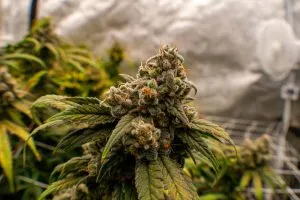
Knowing when to harvest autoflowers is important for getting the most from your plants. Harvest too early, and the buds may not reach full maturity. Leave them too long, and the resin glands continue to age, potentially affecting the final quality. Most autoflowers are ready to harvest around 8–12 weeks from germination, although genetics and growing conditions can extend this timeline.
The most reliable way to judge autoflower harvest readiness is to examine the trichomes, check bud development and observe changes in the flower hairs. Rather than relying on the estimated harvest date, these signs help you understand when your plant is approaching maturity.
This guide explains how to tell when your autoflower is ready to harvest, how to check trichomes, avoid common harvesting mistakes and harvest your buds correctly.
Key Takeaways
- Harvest timing: Most autoflowers finish around 8–12 weeks from germination, but some strains need longer.
- Trichome maturity: Mostly cloudy trichomes on developed buds are a useful sign that harvest is approaching.
- Visual signs: Swollen buds, darkening flower hairs and slower growth can help confirm maturity.
- Checking readiness: Use a magnifier to inspect several buds, as upper and lower flowers may mature at different rates.
- Harvesting autoflowers: Use clean tools, handle buds carefully and maintain suitable drying and curing conditions to preserve flower quality.
When to Harvest Autoflower Plants
Autoflowers begin flowering as they mature without a light schedule change. Leckie and colleagues (2024) identified a genetic change associated with this automatic flowering response. This explains automatic flowering, not a fixed harvest date.
When you grow autoflower seeds, start counting the plant's age from germination, when the seed first sprouts. Packet dates are estimates; genetics, temperature, light and stress affect development.
| Approximate age | Typical development | What to watch for |
| Weeks 1–2 | Seedling produces its first leaves | Healthy early growth |
| Weeks 3–4 | Branches develop; early flowers may appear | Date of first flowers |
| Weeks 5–7 | Buds form and gain size | Continued flower growth |
| Weeks 8–10 | Faster plants may approach harvest | Trichome maturity and swelling |
| Weeks 11–12+ | Slower plants may still be developing | Changes across several buds |
These are estimates. Our guide to how long autoflowers flower explains why some plants need extra time after their first flowers appear.
Grower Tip: Write down when the seed sprouts and when you first notice flowers. As the expected harvest week approaches, use those notes to remind yourself to inspect the buds rather than cutting automatically.
Signs Your Autoflower Is Ready to Harvest
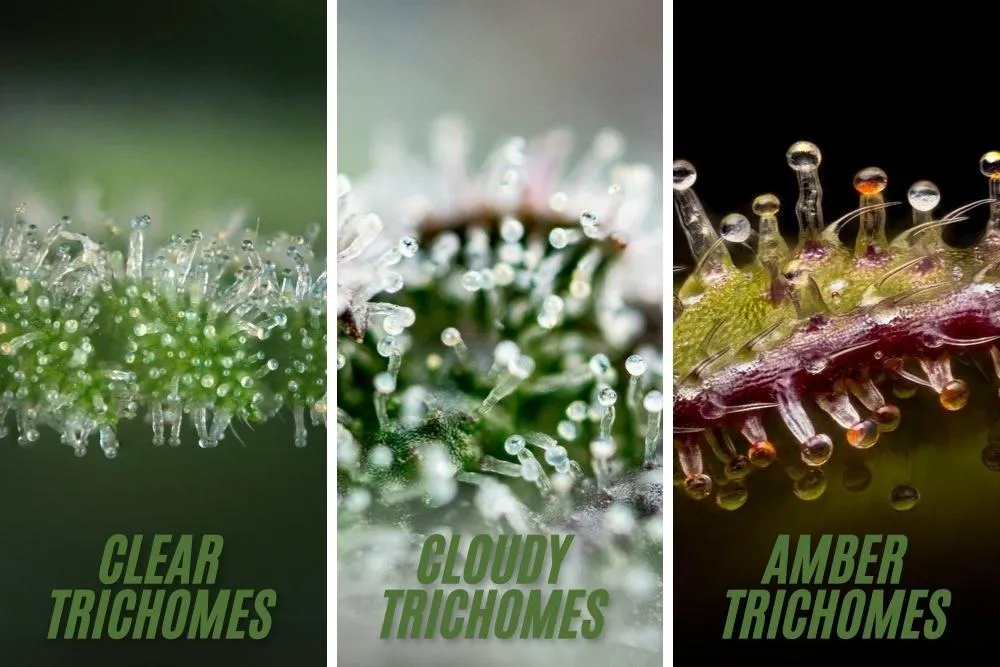
Trichomes Change From Clear to Cloudy and Amber
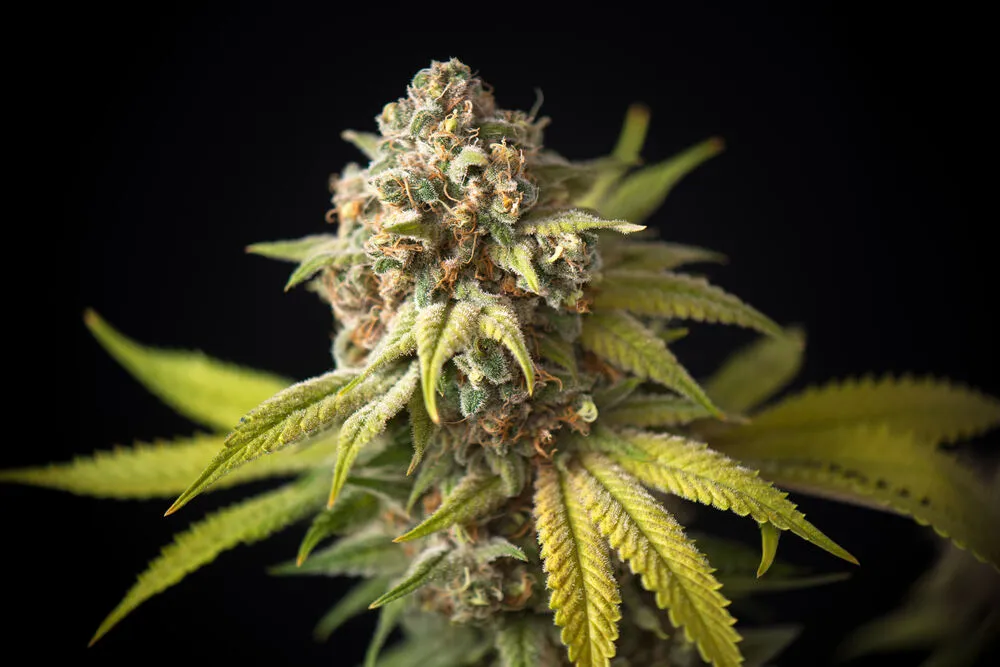
Trichomes are tiny resin glands on buds. Under magnification, many have a short stalk and round head. Our guide to cannabis trichomes explains what these glands do as the plant develops.
| Trichome appearance | What it may indicate | What to do |
| Mostly clear, like glass | Many glands are still developing | Wait and inspect again |
| Mostly cloudy or milky | Common sign of advanced maturity | Compare several flowers |
| Cloudy with some amber | A later maturity stage | Consider harvesting if buds have developed |
| Many amber heads | Later-stage resin glands | Assess whether the harvest window has passed |
Do not treat an amber percentage as a universal rule. Punja, Sutton and Kim (2023) found that trichome development differs with plant age and genetics, and that glands at different stages can appear on a flower. The research did not establish an autoflower harvest schedule.
Flower Hairs Darken and Curl Inward
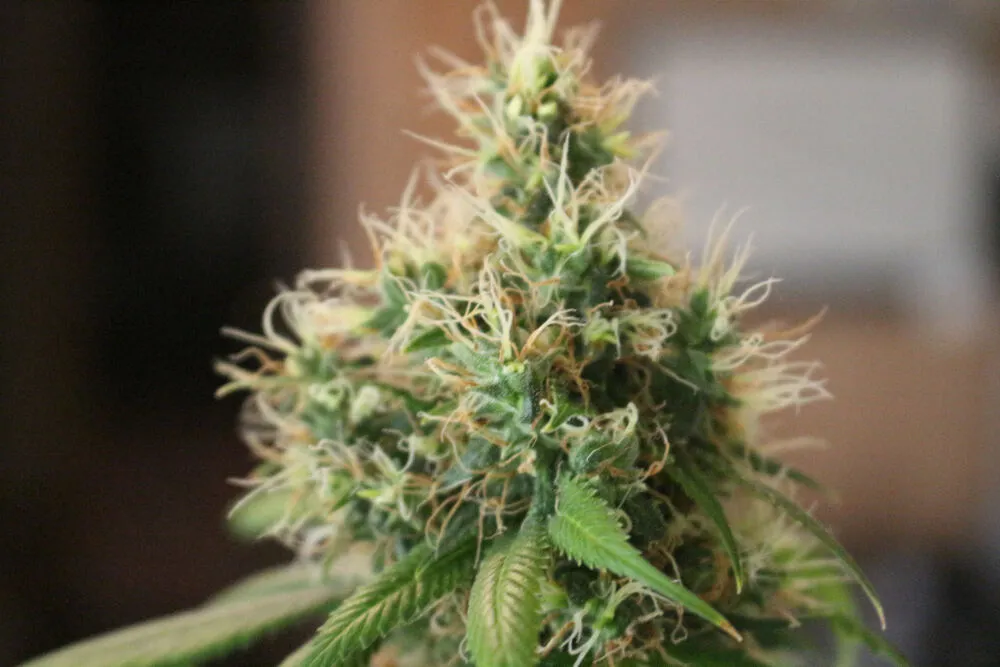
The thin white hairs emerging from buds are called stigmas, although growers commonly call them pistils. Many turn orange or brown and curl inward as the flowers age. Many fresh white hairs can indicate developing flowers, but stress can darken them early. Mature buds may still produce white hairs, so do not wait for every hair to change.
Buds Swell and New Flower Growth Slows
Look for swelling in the small, tear-shaped parts of the flower, called bracts. Compare the same bud over several days for continued growth. Some indica autoflowers develop compact flowers, while other plants have a more open structure. Size and firmness do not establish maturity; track the flower instead.
Older Leaves Fade and Water Use May Slow
Lower leaves may turn yellow as an autoflower ages, and the growing medium may stay damp for longer as growth slows. These changes may reflect plant maturity or growing problems. If leaves yellow rapidly while buds remain immature, consult our guide to yellow leaves during autoflower flowering before assuming it is time to harvest. Some plants remain green at maturity.
How to Check Trichomes Before Harvest
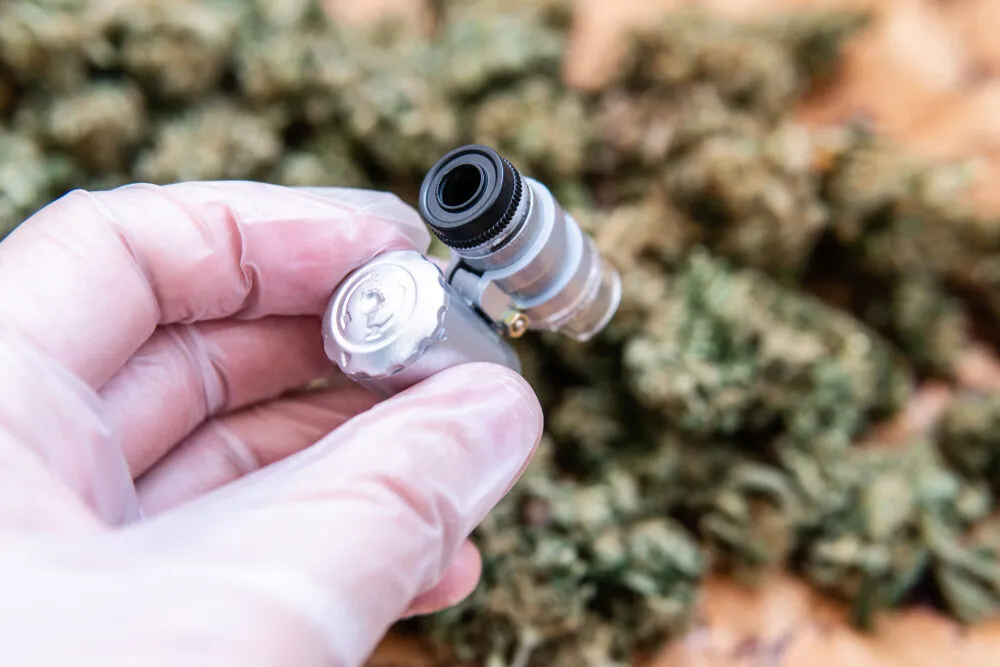
Checking cannabis trichomes is one of the most reliable ways to judge when your autoflower is ready to harvest. You will need a handheld magnifier with 40–60x magnification or a digital microscope to see the tiny resin glands clearly.
Step 1: Select a Bud and Position Your Magnifier
Choose a developed bud around the middle of the plant. Hold the branch gently by its stem and position your magnifier close to the flower.
Use a small white LED light to see the trichomes clearly. Slowly adjust the magnifier until you can identify the individual round heads. Avoid touching the buds with the lens.
Step 2: Check the Trichome Appearance
Focus on the trichomes covering the flowers rather than the small sugar leaves, as these can mature at different rates.
Look for three stages:
- Clear: Transparent, like tiny drops of water. The flowers may need more time.
- Cloudy: Milky or frosted in appearance. Mostly cloudy trichomes commonly indicate that harvest is approaching.
- Amber: Golden or light brown, indicating a later stage of maturity.
If many trichomes are still clear, wait a few days before checking again. Do not rely on a fixed amber percentage to determine harvest readiness.
Step 3: Inspect Several Buds
Repeat the inspection on flowers near the top, middle and lower branches. Upper buds sometimes mature faster because they receive more light.
Compare their trichomes and check whether the buds have finished swelling. If most developed flowers have cloudy trichomes, your autoflower may be ready to harvest.
Step 4: Record and Monitor Changes
Take a clear microscope photograph or make a note of what you see. Check the same buds again after two or three days to see how their trichomes have changed.
Grower Tip: Check the same two or three flowers every few days before harvest. Comparing their development helps you judge maturity more accurately than inspecting a single bud.
What If the Top Buds Mature First?
If the upper flowers are ready but the lower buds still have many clear trichomes, you can harvest in stages.
- Check that the upper buds have mostly cloudy trichomes and have finished developing.
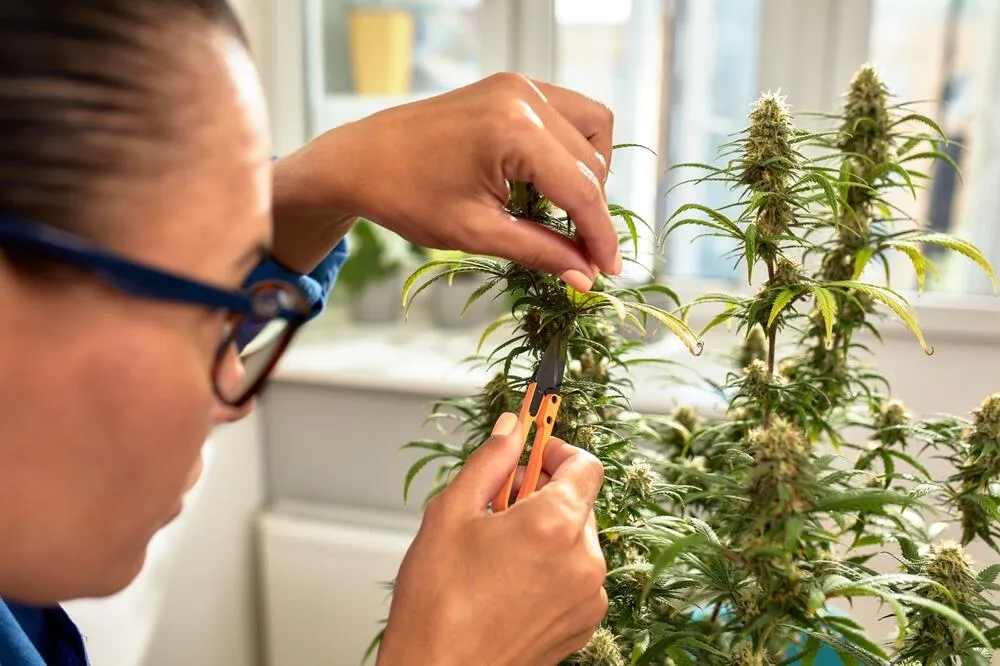
- Use clean scissors to remove the mature branches without damaging the remaining plant.
- Leave the lower flowers to continue developing under suitable growing conditions.
- Check their trichomes every few days and harvest when they reach maturity.
Before leaving buds to mature, inspect them for soft, brown or fuzzy patches. These may indicate bud rot rather than normal ageing. Remove and discard affected flowers, and check nearby buds for signs of infection.
How to Harvest Autoflower Plants Step by Step
Step 1: Prepare a Clean Working Area
Gather clean scissors, gloves, string or a drying rack, and a tray. Wipe the scissors, clear a work surface and make sure there is somewhere to hang the branches. Do this before cutting to avoid piling up damp flowers.
Step 2: Cut the Plant or Individual Branches
For a small, evenly mature plant, support the main stem and cut near the base. Hang the plant upside down by its stem. For a larger plant, cut one branch at a time just above a joint, where it connects to the main stem. Handle the branches by their stems rather than squeezing the buds, and lay each one gently on the tray until it can be hung.
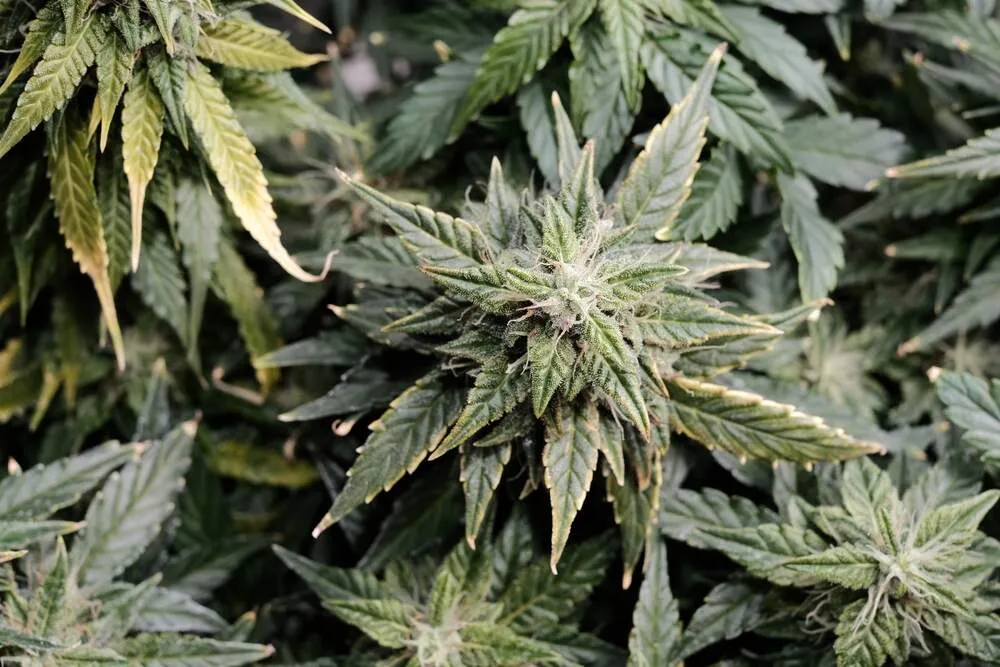
Step 3: Remove Leaves Without Damaging the Flowers
Remove the largest fan leaves first. Wet trimming means removing the smaller leaves before drying. Dry trimming means leaving more leaves attached until the flowers have dried. Either can work. A damp drying room may benefit from removing more leaf material to improve airflow, while leaving some leaves can slightly slow drying in a very dry room. Cut leaf stems carefully instead of pulling at them, and avoid slicing into the buds.
How to Dry and Cure an Autoflower Harvest
Dry the Flowers Slowly
Hang the plant or branches in a dark, clean space with gentle air movement, keeping flowers separate rather than crowded together. A common starting range is 15–20°C and 50–60% relative humidity. Use a thermometer and humidity meter to monitor the room. Keep fans moving air around the space, not blowing directly at the buds.
Drying commonly takes around 7–14 days, but the room conditions and flower size affect the result. Check every day. The outer surface should gradually feel dry. When a small stem starts to snap instead of folding easily, drying may be close to finished, but thick buds can still hold moisture inside. Our cannabis drying guide covers how to manage this stage without rushing it.
Before moving buds into jars, gently check a thicker flower as well as a small one. If the inside still feels unusually damp, allow more drying. A snapping stem is only a rough indication: the moisture remaining inside the flowers matters more than that single test.
Cure the Flowers and Check for Trapped Moisture
When the buds appear dry enough, remove any remaining small leaves and place the flowers loosely into clean glass jars, leaving some empty space. Put a small humidity meter in a jar and allow the reading to settle. About 58–62% relative humidity is a common curing target. If humidity climbs above roughly 65%, or the buds feel damp, take them out and allow more drying before sealing the jar again.
Initially, check jars daily and open them briefly. A musty smell or visible fungal growth is a warning sign, not a normal part of curing; discard affected flowers. Curing can continue for several weeks. Our guide to curing cannabis explains how to monitor and store the finished harvest.
Grower Tip: Test your drying space before harvest day. A well-timed harvest can still lose quality if the flowers are left in a warm, damp pile while you prepare somewhere to hang them.
Common Autoflower Harvest Mistakes
Cutting on the advertised date. The date is an estimate. If the trichomes are mostly clear and buds are still growing, keep checking instead of cutting immediately.
Using leaves or flower hairs alone. Yellow leaves and dark hairs are useful clues, but neither confirms that the buds have matured. Check flower trichomes as well.
Comparing bud size across strains. Even high-yield autoflowers vary in flower shape and how they mature. Large buds are not automatically ready, and smaller buds are not automatically immature.
Assuming flushing guarantees smoother flowers. Flushing involves stopping nutrient feed and giving plain water near harvest. Saloner, Sade and Bernstein (2024) found mostly minor effects on plant development and measured cannabinoid and aromatic-compound concentrations across the cultivars studied. This does not establish that flushing removes nutrients from harvested buds or guarantees a particular smoking experience. For the practical considerations, read our guide to flushing autoflowers.
Rushing the drying stage. Flowers that are sealed while still damp can spoil. Check moisture rather than relying on a fixed number of days.
Conclusion
Knowing when to harvest autoflowers comes down to checking the plant rather than relying on the estimated harvest date. Most autoflowers finish around 8–12 weeks from germination, but genetics and growing conditions can change that timeline.
Use a magnifier to inspect trichomes on several developed buds, looking for mostly cloudy heads alongside swelling flowers and fewer fresh white hairs. If the buds are still developing, give them more time and check again.
Once your autoflower is ready, use clean equipment to harvest the flowers and prepare them for drying. Careful drying and curing help preserve the quality of the finished buds.
Frequently Asked Questions
Can I Harvest an Autoflower While It Still Has White Hairs?
Yes. Some autoflowers continue producing fresh white hairs even when the surrounding flowers are mature. Check the trichomes on the buds rather than waiting for every hair to turn brown. If most trichomes are cloudy and the flowers have finished swelling, the plant may be ready.
Can I Leave My Autoflower Longer Than the Estimated Harvest Date?
Yes. The harvest time provided by the breeder is an estimate, not a deadline. Some autoflowers need additional days or weeks to finish developing. If the trichomes are mostly clear and the buds are still growing, continue monitoring the plant until it reaches maturity.
Should I Stop Watering My Autoflower Before Harvest?
There is no need to deliberately let your autoflower become severely dehydrated before harvesting. Continue watering according to the needs of the plant and growing medium. Avoid soaking the roots unnecessarily during the final days, as excessive moisture can create problems.
Does an Autoflower Need 48 Hours of Darkness Before Harvest?
No. Some growers place their plants in darkness before harvest, believing this increases resin production. However, there is insufficient scientific evidence that 24–48 hours of darkness reliably improves the final quality of autoflower buds. You can maintain the existing light schedule until harvest.
What Happens if I Harvest My Autoflower Too Early?
Harvesting before the flowers have matured can reduce the final yield and leave buds less developed. If most trichomes are still clear and the flowers are continuing to swell, waiting may allow further development. Once the plant has been cut, the flowers will not continue growing or reach the same maturity they would have achieved on the plant.
References
- Leckie, K. M., et al. (2024). Loss of daylength sensitivity by splice site mutation in Cannabis pseudo-response regulator. The Plant Journal, 118(6), 2020–2036. https://doi.org/10.1111/tpj.16726
- Punja, Z. K., Sutton, D. B., & Kim, T. (2023). Glandular trichome development, morphology, and maturation are influenced by plant age and genotype in high THC-containing cannabis (Cannabis sativa L.) inflorescences. Journal of Cannabis Research, 5, Article 12. https://doi.org/10.1186/s42238-023-00178-9
- Saloner, A., Sade, Y., & Bernstein, N. (2024). To flush or not to flush: Does flushing the growing media affect cannabinoid and terpenoid production in cannabis? Industrial Crops and Products, 220, 119157. https://doi.org/10.1016/j.indcrop.2024.119157


