




Autoflowering cannabis strains move from seed to harvest much faster than photoperiod plants, but many growers still wonder how long the flowering stage actually lasts and what affects bud development. In most cases, autoflowers stay in flower for around 4–6 weeks, though timing can vary depending on genetics, environment, nutrients, and stress levels. Understanding this stage is important because poor conditions during flowering can reduce yield, slow growth, or impact bud quality. This guide explains the typical autoflower flowering timeline, what influences it, and the signs growers commonly watch for before harvest.
Key Takeaways
- Autoflowering cannabis plants typically spend around 4–6 weeks in the flowering stage before harvest.
- Most autoflowers begin flowering automatically around weeks 3–5 from seed, regardless of light schedule.
- An 18/6 light cycle is commonly used during flowering to support healthy growth and bud development.
- Temperatures around 70–80°F (21–27°C) and humidity levels between 40–50% are often recommended during flowering.
- Nutrients higher in phosphorus and potassium are commonly used to support bud growth during bloom.
- Cloudy trichomes, darkened pistils, and fading leaves are typical signs that autoflowers are approaching harvest readiness.
- Key Takeaways
- Understanding the autoflowering cannabis lifecycle
- Key differences between autoflowering and photoperiod strains
- The flowering stage of autoflowering cannabis
- Environmental factors affecting flowering duration
- Nutrient requirements during the flowering stage
- Harvesting autoflowering cannabis
Understanding the autoflowering cannabis lifecycle
What are autoflowering strains?
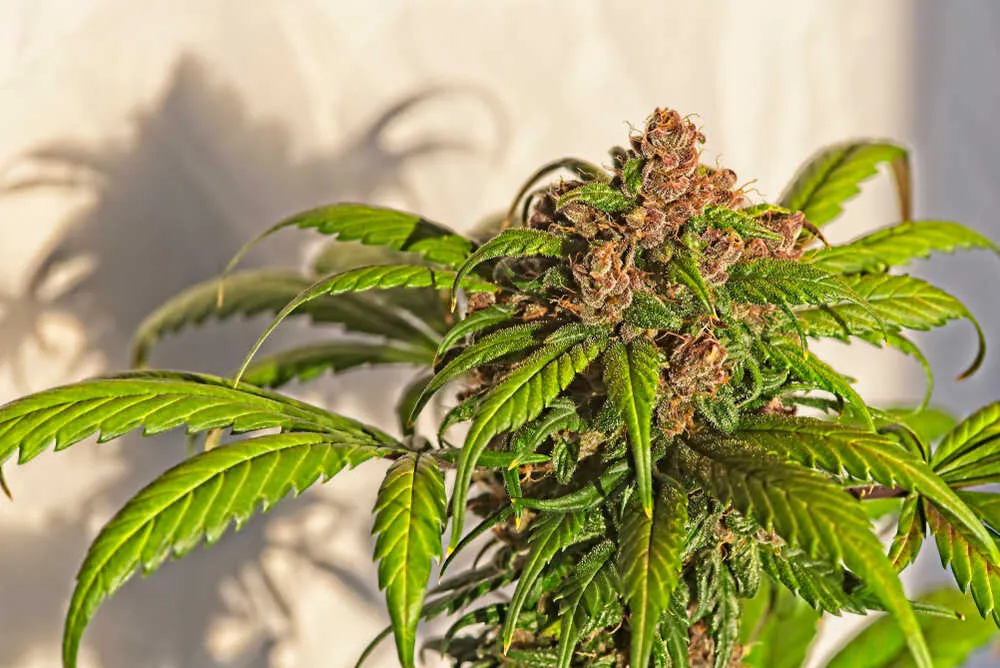
Autoflowering cannabis strains are a special type of weed plant that automatically transitions from the vegetative stage to the flowering stage without needing a change in light schedule. This is thanks to genetics from Cannabis ruderalis, a hardy little plant that evolved in harsh climates with short summers. Unlike photoperiod strains, which rely on specific light schedules to trigger flowering, autoflowers just grow at their own pace—making them perfect for beginner growers or anyone looking for a fast harvest.
Key differences between autoflowering and photoperiod strains
Autoflowers and photoperiod strains have some major differences:
- Light Schedule: Photoperiod strains need 12 hours of darkness to start flowering, while autoflowers do their thing no matter what.
- Time to Harvest: Autoflowers finish up in about 8–12 weeks total, whereas photoperiod strains can take months.
- Size: Autoflowers are generally smaller, which is great if you’re growing in a tight space.
- Yield: Photoperiod plants usually produce bigger harvests, but autoflowers make up for it with speed and multiple yearly harvests.
The flowering stage of autoflowering cannabis
Typical duration of the flowering stage
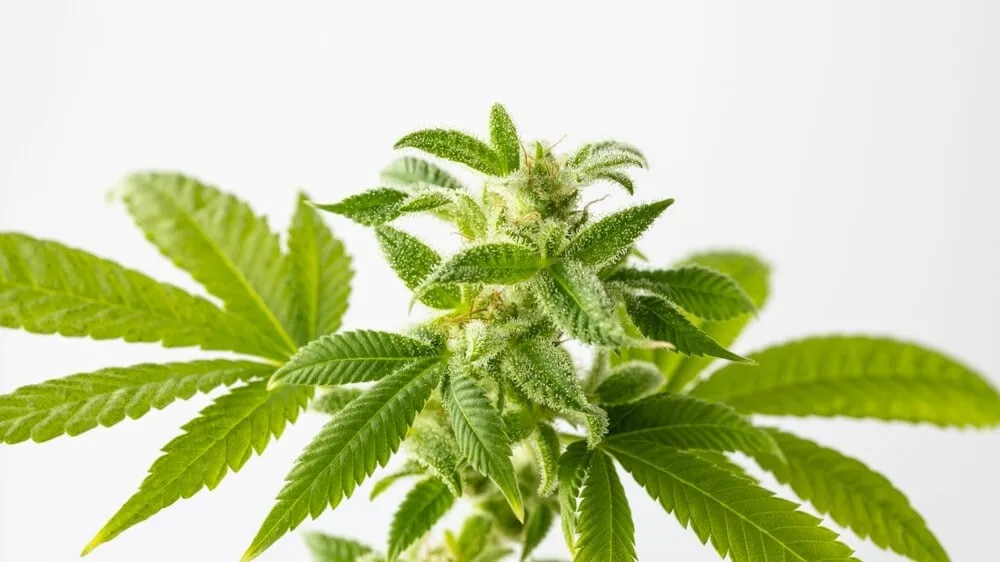
On average, autoflowers spend about 4 to 6 weeks in the flowering stage before they’re ready to harvest. This stage kicks in around week 3 to 5 of the plant’s life, depending on the strain. Some fast-flowering varieties might be ready in as little as 7 to 8 weeks from seed, while others—especially bigger autoflowers—can take up to 12 weeks in total.
Factors influencing flowering time
A few key things affect how long your autoflowers stay in the flowering stage:
- Genetics: Some strains are naturally quicker than others. If you’re growing an Indica-dominant autoflower, expect a shorter flowering period than a Sativa-heavy one.
- Environment: Temperature, humidity, and light all play a role. Ideal conditions speed things up, while poor conditions can slow flowering down.
- Nutrients: Giving your plants the right nutrients at the right time helps them flower faster and produce better buds.
- Stress: Too much stress from overwatering, pests, or rough handling can delay flowering or reduce yield.
Environmental factors affecting flowering duration

Light cycles and their impact
Even though autoflowers don’t need a specific light cycle, how much light they get still affects their growth. Most growers use an 18/6 light cycle (18 hours of light, 6 hours of darkness) because it provides enough energy for healthy bud development. Some growers push it to 20/4 or even 24/0, but plants also need rest, so 18/6 is the sweet spot.
Optimal temperature and humidity levels
Keeping your grow room in the right temperature and humidity range makes a huge difference:
- Temperature: Keep it around 70-80°F (21-27°C) during the day and no lower than 60°F (15°C) at night.
- Humidity: Aim for 40-50% during flowering to prevent mold and bud rot.
- Air Circulation: Good airflow helps keep humidity in check and prevents pests from ruining your crop.
Nutrient requirements during the flowering stage
Essential nutrients for bud development
During flowering, your plants need different nutrients than they did in the vegetative stage. Here’s what they need most:
- Phosphorus (P): Essential for bud formation and overall plant health.
- Potassium (K): Helps improve bud density and resin production.
- Calcium & Magnesium: Supports healthy bud structure and prevents deficiencies.
Most growers use a bloom fertilizer that’s high in phosphorus and potassium, like a PK 13/14 booster, to give their plants an extra push during flowering.
Common nutrient deficiencies and how to address them
If your plants start showing signs of trouble, it’s usually due to a lack of nutrients. Here’s what to look out for:
- Yellowing Leaves: Often a sign of nitrogen deficiency. This is normal later in flowering but should be monitored.
- Purple Stems: Could indicate a magnesium deficiency—fix it with a Cal-Mag supplement.
- Slow Bud Growth: Might be due to a lack of phosphorus or potassium—boost with a PK supplement.
Harvesting autoflowering cannabis
Signs that indicate readiness for harvest
You’ll know your autoflowers are ready to harvest when you see these signs:
- Trichomes Turn Cloudy: Use a magnifying glass to check the trichomes on your buds. When they turn milky white with some amber, it’s time.
- Pistils Change Color: White hairs on the buds darken and curl inward—this is a strong sign your buds are mature.
- Leaves Start to Yellow: This happens naturally as the plant finishes its life cycle.
Best practices for harvesting and curing
Once you’re sure your buds are ready for harvest, follow these steps for the best results:
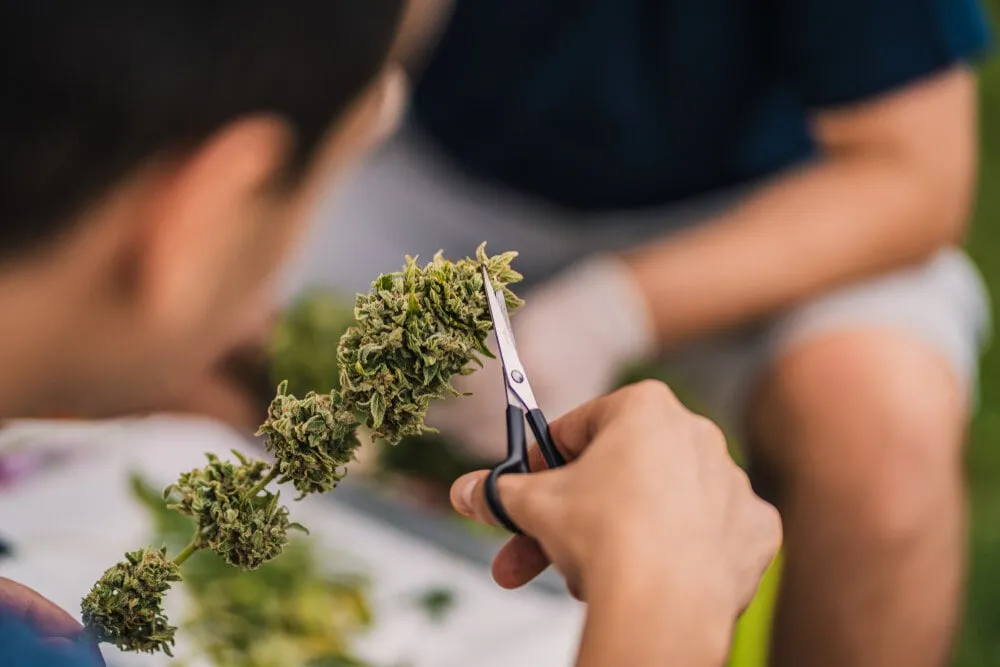
- Cut the Plant: Trim branches off carefully and remove excess leaves.
- Hang to Dry: Hang your buds upside down in a dark room with good airflow at around 60°F (15°C) and 50% humidity for 7-10 days.
- Cure in Jars: Once dry, put the buds in airtight glass jars, opening them once a day for the first week to release moisture.
- Wait it Out: The longer you cure (2-4 weeks or more), the better your buds will taste and smell.
So, how long do autoflowers stay in the flowering stage? Typically, 4 to 6 weeks, but this depends on genetics, environment, and care. The beauty of autoflowers is their speed and simplicity—you don’t have to fuss with light cycles or long grow times. As long as you keep them healthy, they’ll reward you with some solid buds in no time. Now that you know what to expect, all that’s left to do is grow, harvest, and enjoy the fruits of your labor.


