




Knowing exactly when to harvest autoflowering cannabis can be confusing, especially since these plants move on their own timeline and flower based on age rather than light cycles. Cut too early and buds may lack full development; wait too long and cannabinoid and terpene profiles can begin to shift. Most autoflowers finish between weeks 8–12, but genetics and environment often influence the final window. The key is reading the plant correctly by observing trichomes, pistils, bud structure, and overall fade so you harvest within the optimal maturity range. Below, we break down exactly how to recognise that window with confidence.
Key Takeaways
- Most autoflowers reach harvest maturity around weeks 8–12 from germination, depending on genetics and growing conditions Pasted text.
- Harvest timing is typically guided by trichomes turning mostly milky, with some growers waiting until 10–30% turn amber for a later window Pasted text.
- When 70–80% of pistils have darkened and curled inward, the plant is commonly approaching maturity Pasted text.
- A natural leaf fade and nitrogen drawdown often occurs in the final 1–2 weeks before harvest Pasted text.
- The prime harvest window usually lasts about 1–2 weeks before further cannabinoid degradation becomes more noticeable Pasted text.
- Flushing with plain, pH-balanced water for 10–14 days before harvest is commonly practiced to reduce residual nutrients
understanding the autoflowering cannabis lifecycle
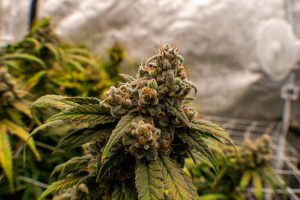
Autoflowering cannabis plants are unique because they flower automatically and unlike photoperiods, do not have a set flowering timeframe or schedule.. This means once they have been growing for 3-4 weeks after germination, they naturally start blooming. Most autoflowers are ready to harvest between weeks 8 to 12, depending on the strain and growing conditions. This short lifecycle makes them great for quick harvests, but it also means you have to be on top of checking for maturity.
Key indicators your autoflower is ready for harvest
There’s no single indicator that tells you exactly when your autoflowers are ready. Instead, it’s a mix of different signs that give you a clear picture of when to start chopping.
Trichome development and colouration
Trichomes are the tiny, sticky, crystal-like glands covering your buds and sugar leaves. These resin-filled structures are responsible for producing cannabinoids like THC and CBD, as well as the terpenes that give your bud its unique aroma and flavour. Because trichomes develop and change as the plant matures, monitoring them closely is one of the most reliable ways to determine if your autoflower is ready for harvest. However, this method requires precision and patience, and should be done using a magnification tool especially created for cannabis growers.
Understanding trichome stages
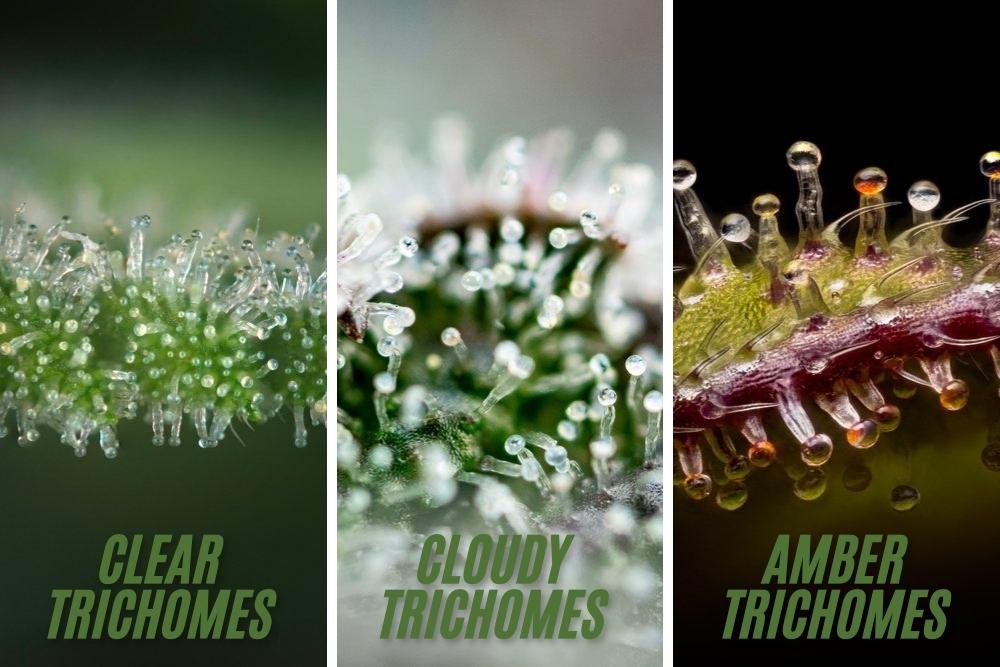
Since trichomes are nearly microscopic, their colour and clarity reveal crucial information about the plant’s maturity. Here’s what each stage means:
- Clear Trichomes: At this stage, trichomes appear glassy and transparent, indicating that the plant is still in early flowering and may require an extra week or more. The cannabinoids have not fully developed, meaning potency will be lower. If most trichomes are still clear, your autoflower needs more time to mature.
- Cloudy/Milky Trichomes: This is the optimal window for harvesting if you want the highest THC and cannabinoid content. The trichomes take on a cloudy or milky appearance, signaling that THC levels are at their peak.
Buds harvested now will produce an energetic, euphoric, and cerebral high—ideal for daytime use, or the right moment to achieve a heavy, full-bodied effect perfect for evening or nighttime, depending if the strain is sativa or indica dominant.
- Amber Trichomes: As trichomes turn amber, THC and cannabinoids begin to degrade into CBN, a cannabinoid with more sedative and relaxing effects.
A higher percentage of amber trichomes may result in a heavier, body-focused high—often referred to as "couch-lock." especially with Kush or indica-dominant cannabis strains. If you prefer more relaxation and sleep-inducing effects, wait until 20-30% of the trichomes have turned amber before harvesting.
How to check trichomes properly
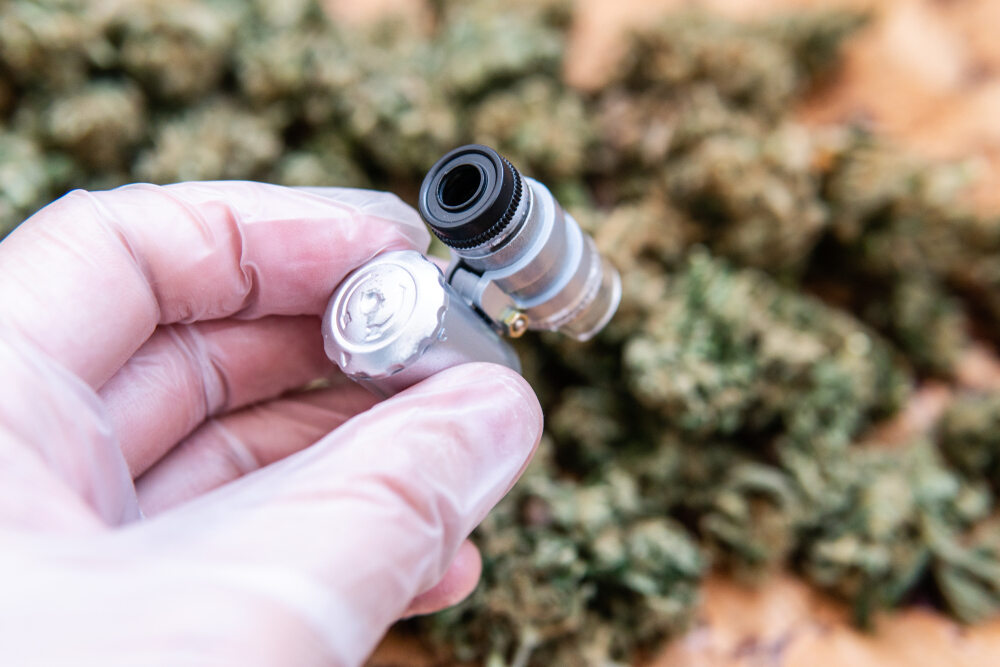
Because trichomes are so small, you can’t rely on the naked eye to assess their development. Instead, use one of the following tools:
- Jeweler’s Loupe (30x-60x Magnification): A simple, handheld magnifier that provides a close-up view of trichomes. Ideal for quick checks.
- Handheld Microscope (60x-120x Magnification): Offers a much clearer view of trichome colouration. Some models come with built-in LEDs for better visibility.
- Digital Microscope (100x+ Magnification): If you want extreme detail, a USB or wireless digital microscope connected to your phone or computer provides high-resolution images of trichomes.
To check trichomes effectively:
- Inspect buds, not leaves. Trichomes on sugar leaves mature faster than those on buds, so focus on the flowers themselves.
- Check multiple areas. Trichome development isn’t always uniform—some parts of the plant might ripen faster than others.
- Look under proper lighting. Natural or white LED lighting works best. Avoid yellow or HPS grow lights, as they can distort colours.
By carefully monitoring trichome colour changes, you’ll be able to harvest your autoflower at the perfect time to achieve your desired effects—whether it’s a potent, uplifting high or a deeply relaxing, couch-lock experience, depending on the strain you have chosen to cultivate.
Pistil colour changes
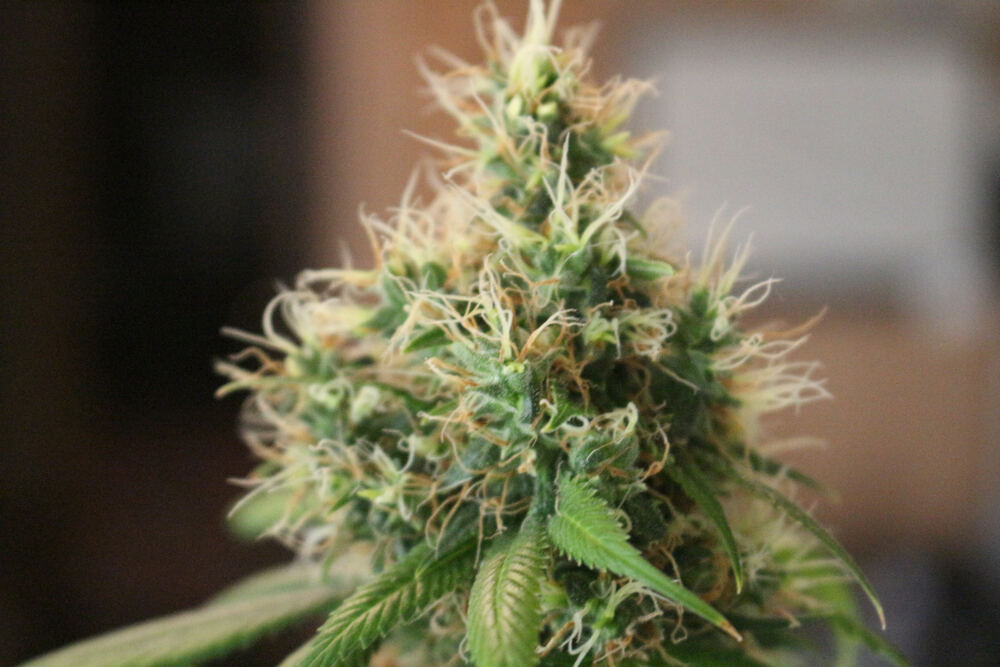
Pistils, the tiny hair-like structures on the surface of the cannabis buds, are one of the most visible indicators of a plant's maturity. These delicate strands begin their life as a bright, clean white, signaling the early stages of flower development. As the plant progresses towards maturity, the pistils undergo significant changes that can help you determine the optimal harvest time.
White Pistils: In the initial flowering phase, pistils are predominantly white and stand erect on the buds. At this stage, the plant is actively producing new pistils and developing its flowers into buds. If you notice that most of the pistils are still white and protruding outward, this indicates that the plant is not yet ready for harvest. Harvesting now would result in lower potency and a less complex flavour and terpene profile in your buds.
Darkened Pistils (Orange/Brown): As the autoflower approaches the peak of its flowering cycle, the pistils start to darken to shades of orange, red, or brown. This colour transformation is accompanied by the pistils curling inward towards the bud..
When approximately 70-80% of the pistils have darkened and exhibit this curled appearance, it's a strong signal that the harvest time is near. The change in colour and curling of pistils suggests that the flowers are reaching their full potential in terms of cannabinoid and terpene production, which are crucial for flavour, aroma, and effects.
However, while pistil changes provide useful clues, they should not be the sole indicator of readiness. To achieve a more accurate assessment, combine this method with trichome checks. Trichomes, the resinous glands found mainly on the flowers and leaves, should be observed under a magnification tool.
Trichomes shift from clear to milky white as they mature, and ideally, you want to harvest when most trichomes have turned milky white, with some beginning to turn amber. This combination of pistil and trichome observation will give you a clearer picture of your plant’s maturity, making the harvesting process simple and easy to do.
Leaf yellowing and fading
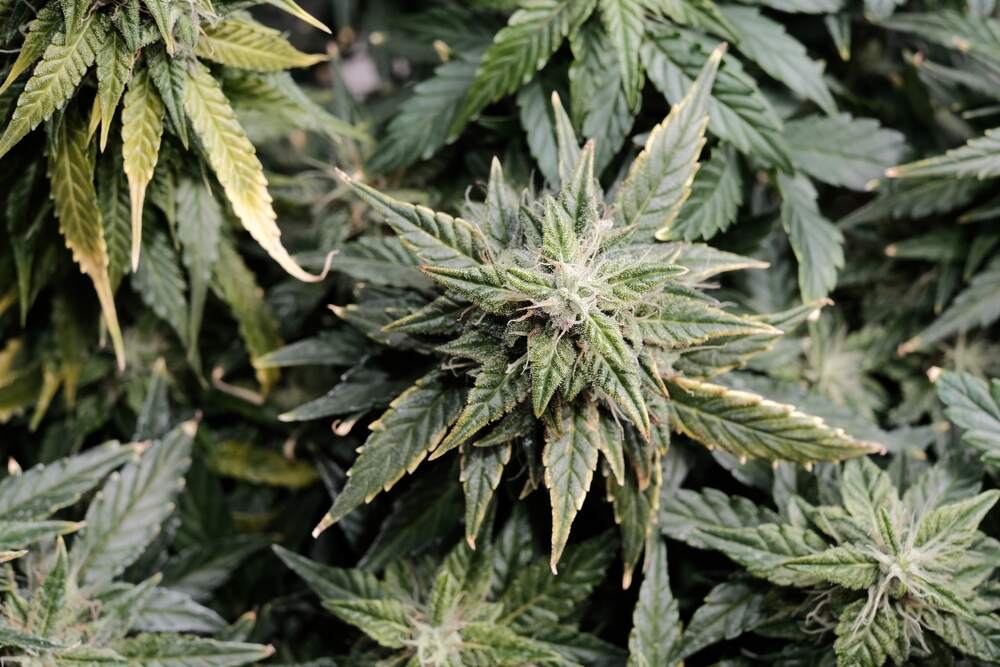
Toward the end of an autoflower’s life cycle, the leaves will start yellowing. This is because the plant is using up its stored nitrogen and nutrients to finish maturing the buds.
- If only a few lower leaves are yellowing, it’s a normal sign of nearing harvest.
- If many leaves are yellowing rapidly, you might have a nutrient deficiency.
- If the entire plant is still lush green, your plant may need a little more time.
This natural fade is a good indicator, but like pistils, it should be used in combination with other signs.
Bud structure and density
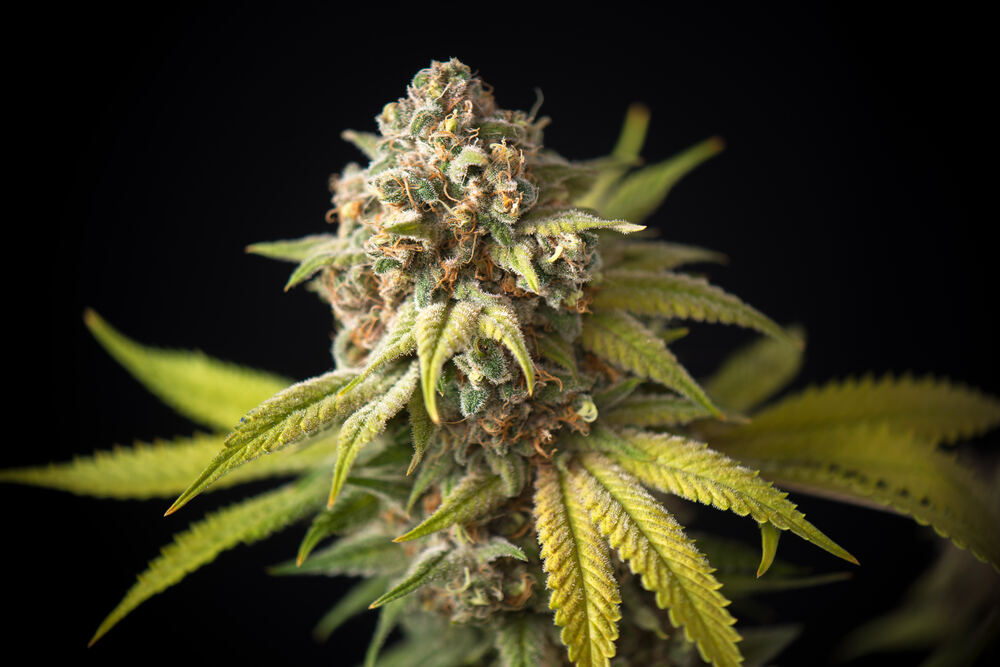
Your buds should be dense and swollen when ready to harvest. If they still look small, airy, or underdeveloped, give them more time.
- Mature buds will feel firm and resinous and hard to squeeze.
- Calyxes (the little teardrop-shaped structures) will be swollen and stacked.
- Buds will have a strong aroma and be sticky to the touch.
If you’re unsure, let them go 2-3 more days and check again. Buds that are immature and not quite fully developed won’t give you the full potency and flavour and will significantly affect the final smoking experience once harvested and dried.
The importance of flushing before harvest
Flushing is when you stop feeding nutrients and give your plant only pure water for 10-14 days before harvest. This helps remove any leftover salts and chemicals from the soil, as well as the plant’s internal nutrient reserves, improving the flavour and smoothness of your final smoke.
- Start flushing when you see initial leaf yellowing. This is usually about two weeks before your estimated harvest time.
- Use clean, pH-balanced water to wash out excess nutrients from the growing medium
- Monitor trichomes and pistils while flushing to make sure you don’t harvest too early.
Flushing your autoflowering cannabis plants properly can make a big difference between smooth, flavourful buds that burn with a clean white ash and harsh, chemical-tasting smoke, that produce a black ash.
Common mistakes to avoid during harvest
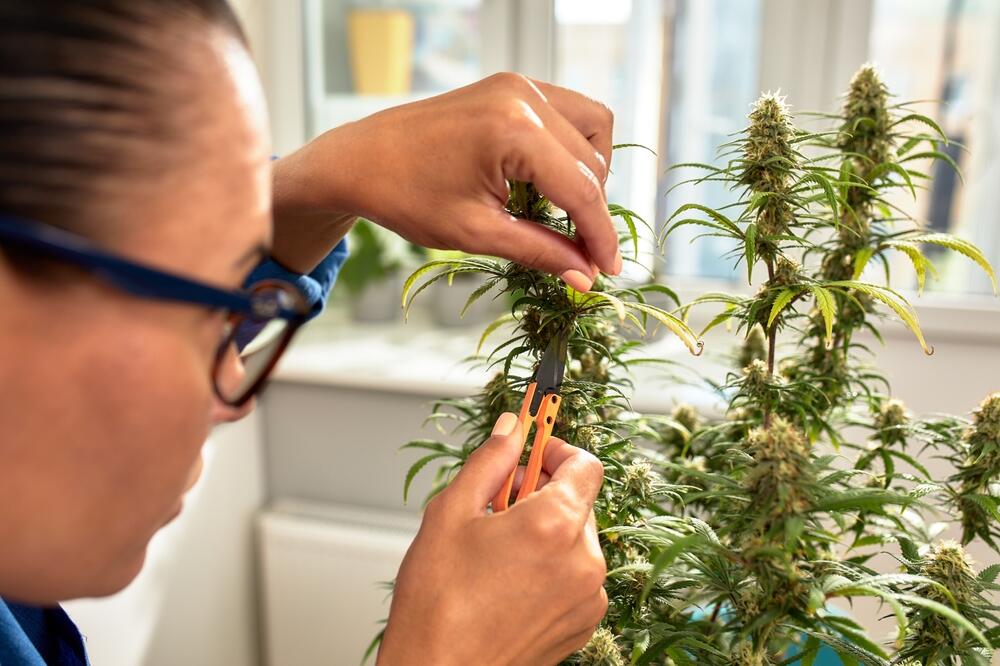
Timing your harvest right is key, but a few common mistakes can ruin an otherwise great crop. So let’s see what common mistakes you can avoid when growing autos.
Harvesting too early or too late
The timing of your harvest is crucial for maximising the potency, flavour, aroma and overall yield of your autoflower cannabis plants. Harvesting at the wrong time can significantly impact the quality of your buds.
Harvesting Too Early: Harvesting autoflowers before they have fully matured can lead to disappointing bud quality. When trichomes—the tiny, glandular stalks on the buds that produce cannabinoids and terpenes—are mostly clear, it indicates that the plant's chemical compounds have not fully developed their psychoactive and therapeutic potentials, meaning they will need more time.
Additionally, buds might still be small and sparse, lacking the robust density they acquire as they mature. Pistils being predominantly white suggests that the flowering process is not quite complete.
Such premature harvesting methods result in a lower THC content, diminished flavour and terpene profile, and reduced overall yield. The effects are less intense and the flavour may be grassy, underdeveloped and lacking in taste and aroma.
Harvesting Too Late: Conversely, waiting too long to harvest can also detract from the optimal quality of your cannabis. If most trichomes have progressed from milky white to amber, it's a sign that THC is breaking down into CBN (cannabinol), a cannabinoid with more sedative qualities.
While some growers might prefer this for its potential to enhance sleep, it generally means a decrease in the psychoactive potency sought after in THC-rich strains. Additionally, the terpenes responsible for the plant's aroma and flavour might degrade, altering the sensory profile of the buds. The result can be a more narcotic, couch-lock type of high that might not be desirable for all users, especially when it comes to indica and Kush hybrids.
Regular Monitoring: To avoid these pitfalls, the best strategy is consistent and regular, careful observation of your plants' trichomes and pistils, especially in the final weeks before the typical harvest window.
Using the magnification tools we discussed earlier, check the trichomes and note their colour and transparency on a daily basis. This method will allow you to harvest at the optimal time frame when the trichomes are mostly milky white, with just a few turning amber, signaling peak THC levels and optimal harvest time and best quality buds.
Ignoring environmental factors
The last couple of weeks before harvest are just as important as the rest of the grow. If you’re not careful, environmental issues can reduce the quality of your buds.
- High Humidity: Can lead to mould and bud rot.
- Excessive Heat: Can degrade terpenes and cannabinoids.
- Too Much Light: Can cause stress and foxtailing in buds.
Keep your grow space in check, especially during the final stretch.
How many weeks does cannabis stay mature before over ripening?
Once cannabis plants reach maturity, they stay in their prime state for about one to two weeks. During this period, the trichomes and cannabinoids are at their highest potency making this the ideal harvest window. After a couple of weeks, the degradation process accelerates, particularly if the environmental conditions are not ideal, and the longer you leave harvesting cannabis plants, the less potent your bud will become.
Post-harvest considerations
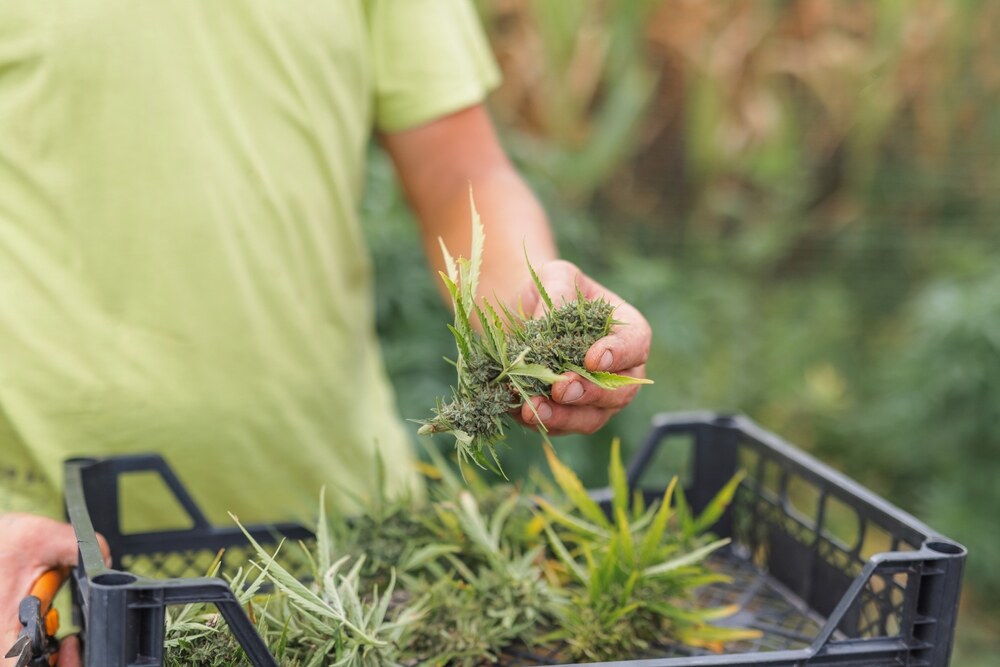
Harvesting isn’t just about cutting your plant down—it’s also about what you do afterward.
Drying and curing
Drying and curing your buds properly is just as important as knowing when to harvest.
- Hang dry your buds in a dark, cool, and well-ventilated space for about 10-14 days.
- After drying, cure your buds in airtight glass jars, burping them daily for the first couple of weeks.
- Proper curing enhances flavour, potency, aroma and smoothness.
Trimming techniques
Trimming removes excess leaves and makes your buds look cleaner and smoke better.
- Wet trimming (before drying) makes trimming easier but may dry buds too fast, so use a drying net and let the buds dry for 10-14 days for the best results
- Dry trimming (after drying) A more practical method of harvesting, especially if you have a large number of plants and don’t have time to wet trim. Your choice depends on preference and environmental conditions.
Conclusion
Harvesting your autoflower at the right time is one of the most important steps in quality control and growing top-quality cannabis. By checking trichomes, pistils, leaf colour, and bud density, you can confidently decide when to chop.
Flushing your plants 10-14 days before harvest improves flavour, and avoiding common mistakes ensures you get the most out of your grow. Once you’ve dried and cured your buds, you’ll have some potent, flavourful smoke ready to enjoy. So grab that loupe, check your plants, and get ready for a rewarding harvest!


