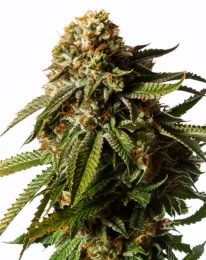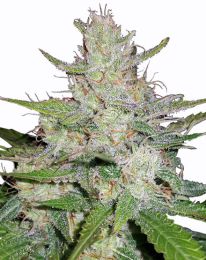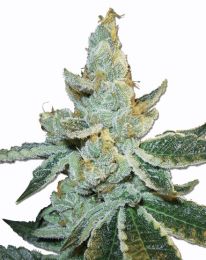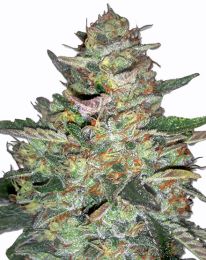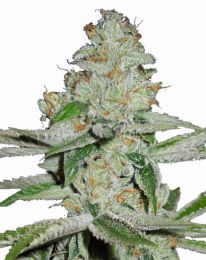




High Yielding Autoflower Seeds
Our high yield autoflower seeds are capable of producing over 400g/m² of bud in as little as 8 weeks from seed. You still get the fast growth, compact size and automatic flowering that make autos so convenient, but with genetics capable of producing much bigger harvests. If you want to maximise flower production without giving up the speed and simplicity of an autoflower, this is the collection to start with.
Read MoreWhat Are High Yield Autoflower Seeds?
High yield autoflower seeds are autoflowering genetics selected for producing larger harvests while retaining the short lifecycle and automatic flowering that make autos so convenient. In this collection, you'll find strains capable of producing 400g/m² or more indoors, with some of our most productive autos going considerably further.
Like any autoflower, these plants begin flowering according to age rather than changes in the light cycle. Most spend only a few weeks in vegetative growth before starting to flower, which means they have much less time to build size than a photoperiod plant.
That's what makes a genuinely productive autoflower interesting. You're looking for genetics capable of developing quickly, filling out their structure and supporting plenty of flower within a relatively short growing cycle.
Why Choose High Yield Autoflower Seeds?
The main reason to choose a high yielding autoflower is simple: you want to get more from a fast grow. Standard autoflowers are already attractive because of their speed and simplicity, but if harvest size matters too, starting with genetics known for stronger production makes sense.
They're particularly useful when you want to make efficient use of a smaller indoor space. Autos generally remain more compact than photoperiod plants, and because they don't need a 12/12 light schedule to flower, you can keep them under longer days throughout the grow.
Outdoors, their short lifecycle can also give you opportunities that aren't possible with traditional photoperiod plants. In a suitable climate, you may be able to complete more than one autoflower crop during the growing season rather than waiting for a single large harvest towards the end of summer.
If yield is your priority but you still want the convenience of automatic flowering, these are the autos we'd look at first.
How Much Can High Yield Autoflowers Produce?
Our high yield autoflower collection starts with strains capable of producing around 400g/m² indoors, while the most productive varieties can go beyond this. Outdoors, yields are normally given per plant because available sunlight, container size and growing conditions can vary so much from one location to another.
It's important to treat yield figures as a useful way of comparing genetics rather than a guarantee of what every plant will produce. Two people can grow the same strain and end up with very different harvests depending on lighting, environment, plant health and how efficiently they use their available space.
We've always found yield figures most useful when comparing strains grown under similar conditions. If one auto is consistently capable of considerably greater production than another, that tells you something useful about the genetics. It doesn't mean every seed will automatically produce the advertised number of grams.
What Determines Autoflower Yield?
Genetics set the foundation, but your growing environment determines how much of that potential your plants can actually use. With autoflowers, the first few weeks are particularly important because there isn't much time to recover from slow growth before flowering begins.
Lighting: Your plants need enough usable light to support fast growth and flower development. Too little can limit production, while excessive intensity can cause stress rather than increasing your harvest.
Root space: Giving an autoflower enough room for healthy root development can support a larger plant and, in turn, a bigger harvest. Starting in the final container also avoids unnecessary transplant stress.
Nutrition: More nutrients don't automatically mean more flower. Autoflowers can be sensitive to heavy feeding, particularly while they're young, so we'd rather start cautiously and increase feed according to how the plant responds.
Environment: Stable temperature, appropriate humidity and good airflow all help maintain uninterrupted growth. Small problems early in the lifecycle can have a bigger impact on an auto because you can't simply extend vegetative growth to make up for lost time.
Plant structure: An even, well-exposed canopy helps more flowering sites receive useful light. This is where sensible training can make a noticeable difference.
Are High Yield Autoflowers Right for You?
These genetics make the most sense if you already like the advantages of autoflowers but want harvest size to play a bigger part in choosing your strain.
They're particularly useful if you're growing indoors and want good production without filling your space with large photoperiod plants. They're also worth considering outdoors when you want to take advantage of the speed of autos while still getting a worthwhile harvest from each plant.
High yield autoflower seeds are particularly well suited to:
- Growers who want bigger harvests without giving up autoflowering speed.
- Indoor growers looking to make productive use of limited space.
- Anyone who wants to keep the same light schedule from seed to harvest.
- Outdoor growers looking to fit one or more fast crops into the growing season.
- Growers who want productive plants without a long vegetative period.
High Yield Autoflowers vs Photoperiod Strains
If your only goal is producing the largest possible yield from an individual plant, feminised photoperiod seeds still have an important advantage: time. You control when a photoperiod plant begins flowering, so you can keep it in vegetative growth for longer and allow it to become much larger before producing buds.
Autoflowers don't give you that option. Once their internal clock triggers flowering, the vegetative stage is effectively over regardless of how large the plant has become.
Where high yield autos become interesting is efficiency. Instead of judging them purely by the number of grams produced by a single plant, think about how much flower you can produce from your available space and time. A quicker seed-to-harvest cycle can allow you to start your next grow considerably sooner.
If maximum control and the biggest possible plants matter most, photoperiod genetics may be the better option. If you want strong production combined with a faster, simpler growing cycle, high yield autoflowers make much more sense.
How Long Do High Yield Autoflowers Take?
Most autoflowers complete their entire lifecycle considerably faster than photoperiod cannabis, with many varieties finishing around 8–12 weeks from seed. The exact time depends on the strain, and some larger, higher yielding autos may take a little longer to reach full maturity.
We wouldn't automatically choose the fastest strain if yield is your main priority. An auto that takes an extra week or two but uses that time to develop substantially more flower may be the better choice.
This is where it's useful to compare yield and seed-to-harvest time together. The best option for you might not be the strain with the biggest yield figure or the shortest lifecycle, but the one that offers the best balance between the two.
How to Increase Autoflower Yields
The best way to improve autoflower yields isn't to push your plants harder. It's to keep them growing consistently from the moment they germinate.
One of the most common mistakes with autos is losing valuable growth during the first few weeks through overwatering, excessive feeding or unnecessary stress. Because flowering starts automatically, those lost days can't easily be recovered later.
We'd concentrate on getting the basics right: provide suitable lighting, avoid overwatering young plants, give the roots enough space and maintain a stable environment. Once the plant is growing in the veg stage, gentle low stress training can help spread the canopy and expose more flowering sites to light.
It's also worth remembering that a bigger plant isn't automatically a more productive plant. What matters is developing a healthy structure that uses your available light and space efficiently.
Can You Train High Yield Autoflowers?
Yes. In fact, sensible training can be particularly useful when you're trying to get more from an autoflower, but we'd avoid stressing the plant unnecessarily.
Low stress training is one of the most useful techniques because it allows you to bend and spread branches rather than relying on one dominant central cola. This can create a flatter canopy, helping more bud sites receive direct light.
Topping can also work on autoflowers, but there's less margin for error. If the plant is growing slowly or you top too late, it may not have enough vegetative time to recover before flowering. If you're relatively new to autos, we'd start with LST and learn how the plants develop before moving onto more aggressive techniques.
Whatever technique you choose, start early and pay attention to the plant. Training should help it make better use of your space, not slow it down.
Choosing the Right High Yield Autoflower
Don't automatically choose whichever strain has the largest yield figure. Start by considering how much space you have and how quickly you want to harvest.
Some high yielding autos achieve their production by developing into larger plants, which may not be ideal if you're working with very limited height. Others offer a better balance between compact growth and productivity.
Then consider what you actually want from the finished flower. Potency, effects and flavour still matter. There's little point choosing an auto solely because it can produce an extra 50g/m² if another strain is a much better match for the type of cannabis you enjoy.
We'd use yield to narrow down the most productive genetics, then compare size, speed, potency and effects to find the strain that makes the most sense for your grow.
Tips From the MSNL Grow Team
- Protect the first few weeks of growth. Autoflowers don't have much time to recover from an early setback.
- Give the roots enough space and avoid unnecessary transplanting.
- Don't increase nutrients simply because you're chasing a bigger yield.
- Use low stress training to help create an even, well-lit canopy.
- Compare seed-to-harvest time alongside yield rather than looking at either figure in isolation.
- Choose a productive strain that fits your space rather than automatically picking the biggest plant.
One thing we've found with high yielding autoflowers is that consistency usually beats trying to force extra growth from the plant. Autos have a limited amount of time to develop before and during flowering, so every healthy week counts. Start with productive genetics, keep growth moving steadily and concentrate on using your available light and space efficiently.
Looking for More Autoflower Genetics?
If harvest size isn't your only priority, explore our autoflower cannabis seeds to compare our complete range of automatic-flowering genetics.