




The Cheese strain is one of the most recognizable names in cannabis, known for its pungent aroma, Skunk #1 heritage, and long-standing place in UK cannabis culture. Since the original UK Cheese appeared in the late 1980s or early 1990s, breeders have used its genetics to create a wide range of Cheese weed strains with different flavors, growth habits, THC levels, and effects.
In this Cheese strain guide, you’ll learn where Cheese genetics came from, how the original UK Cheese differs from later hybrids, what Cheese strains smell and taste like, the terpenes commonly found in them, and how different varieties perform in the grow room. We’ll also compare some of the most popular Cheese cannabis strains in the current MSNL range, including photoperiod, regular, feminized, and autoflowering options.
Key Takeaways
- Cheese genetics trace back to Skunk #1, with the original UK Cheese becoming famous through clone-only cultivation in Britain.
- Cheese strains are not all the same and can vary in potency, plant structure, flowering time, flavor, and effects.
- The classic Cheese aroma is usually savory, skunky, earthy, and pungent, although modern hybrids can also bring berry, citrus, sweet, or spicy notes.
- Common Cheese strain terpenes include myrcene, caryophyllene, limonene, and pinene, with the overall aroma coming from the full chemical profile rather than one terpene alone.
- Growers can choose from several Cheese seed types, including feminized, regular, and autoflowering varieties depending on their space, experience, and breeding

What Are Cheese Strains of Weed?
Cheese strains are cannabis varieties descended from, or inspired by, the original UK Cheese. They are best known for a strong savory aroma that can combine cheese, skunk, earth, and occasional sweet or fruity notes.
The original plant was a distinctive phenotype of Skunk #1, a hybrid developed from Afghan, Acapulco Gold, and Colombian Gold genetics.
Modern Cheese strains can differ considerably from one another. Breeders have crossed Cheese with a wide range of genetics, creating indica-leaning, sativa-leaning, photoperiod, and autoflowering versions while keeping some of the character associated with the original line.
What Are the Effects of Cheese Weed Strains?
Cheese strain effects depend on the specific cultivar, THC level, and individual response.
Many classic Cheese varieties are associated with an upbeat, euphoric start followed by a more relaxed physical feeling. Some crosses feel relatively social and mentally stimulating, while heavier versions can become noticeably more calming.
Because modern Cheese strains contain different combinations of sativa and indica genetics, their effects can vary significantly. Potency, tolerance, and the amount consumed also influence how a strain feels, so effect descriptions should be treated as general guidance rather than a guarantee.
The History of the Cheese Strain
The Cheese story begins with Skunk #1, which reached Europe after Sam “The Skunkman” Watson brought Skunk genetics from California to the Netherlands during the 1980s.
A Skunk #1 plant later grown in the UK developed an unusually strong, distinctive aroma. Rather than breeding it from seed, growers preserved the plant through cuttings.
During the 1990s, the clone became closely associated with the Exodus Collective around Luton and was widely shared among UK growers. This is where the names UK Cheese and Exodus Cheese became established.
Because the original Cheese was clone-only, growers needed a cutting to reproduce the same plant. Seed-based Cheese varieties appeared later as breeders began crossing the original genetics with other lines.
One of the best-known examples was Big Buddha Cheese, created by crossing Cheese with Afghani genetics. It later won the Indica category at the 2006 High Times Cannabis Cup and helped introduce Cheese genetics to a wider international audience.
Since then, Cheese has become the foundation for a broad family of modern hybrids.
Best Cheese Strains to Grow
Cheese genetics have been taken in several different directions, from fruitier photoperiod hybrids to compact autoflowers. The best option depends on whether you prioritize yield, potency, classic Cheese character, speed, or breeding potential.
| Strain | THC | Type | Height | Flowering / Cycle | Yield |
| Big Blue Cheese | Up to 18% | Sativa dominant | 100–180 cm | 8–10 weeks | 500–600 g/m² |
| The Cheese | Up to 18% | Indica dominant | 100–180 cm | 8–10 weeks | 300–400 g/m² |
| Cheese Cake | Up to 24% | Indica dominant | 180–220 cm | 8–10 weeks | 300–400 g/m² |
| Cheese Autoflower | Up to 15% | Indica-dominant ruderalis | 60–100 cm | 6–8 weeks | 200–300 g/m² |
| White Cheese Autoflower | Up to 15% | Indica-dominant ruderalis | 60–100 cm | Around 70–80 days from seed | 200–300 g/m² |
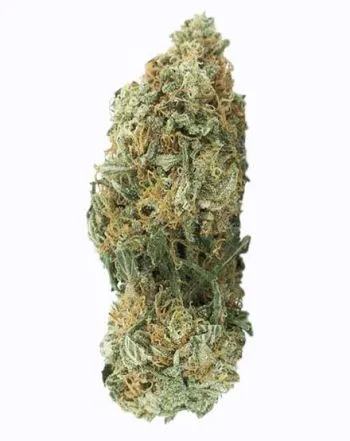
Big Blue Cheese
Big Blue Cheese combines Blueberry, UK Cheese, and Big Bud genetics. The Blueberry influence brings a sweeter fruit character, while Big Bud contributes to its productive growth.
Plants typically reach 100–180 cm and can produce around 500–600 g/m² indoors under suitable conditions. THC reaches up to 18%, while the flavor combines blueberry sweetness with savory Cheese notes.
Its terpene profile includes limonene, myrcene, and caryophyllene, giving this strain a different character from the sharper, skunkier Cheese varieties.

| THC % | Up to 18% |
|---|---|
| Flowering Time | 8-10 Weeks |
| Outdoor harvest | End Of September |
| Yield | 500-600gr/m² |
| Indica/Sativa | Sativa Dominant |
| Height | Medium: 100cm-180cm |
| Difficulty | Easy |
| CBD Content | <1% |
| Climate | Temperate |
| Seed Type | Feminized |
| Genetics | Blueberry x UK Cheese x Big Bud |
| Effects | Calming, Relaxing |
| Taste | Blue Cheese, Cheese, Blueberry |
| Terpene | Limonene, Myrcene, Caryophyllene |
The Cheese
The Cheese Feminized is the closest option in the current MSNL range to the traditional Cheese style.
It combines Cheese and Afghan genetics, producing medium-sized plants around 100–180 cm with an 8–10 week flowering period. Indoor yields typically reach 300–400 g/m², with THC levels of up to 18%.
The flavor stays firmly on the old-school side, with cheese, skunk, earth, and a slightly spicy edge.
The same genetics are also available as The Cheese Regular. Feminized seeds are the more straightforward choice for growers focused on flower production, while regular seeds can produce males or females and are better suited to breeding and selecting parent plants.
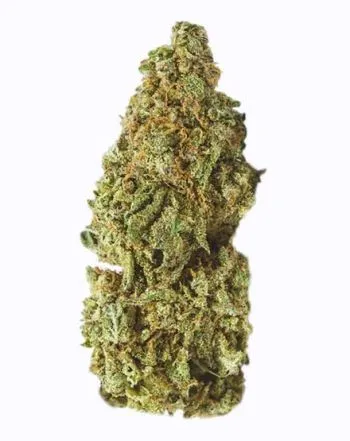
Cheese Cake
Cheese Cake combines Cheese with Skunk #1 for a sweeter and more potent variation.
It has the highest listed THC potential of the Cheese strains in the current MSNL range, reaching up to 24%. Plants can also grow taller, commonly finishing around 180–220 cm, with flowering taking approximately 8–10 weeks.
Expect the familiar savory and skunky character, backed by a sweeter finish. Myrcene, pinene, and caryophyllene are listed among its main terpenes.

| THC % | Up to 24% |
|---|---|
| Flowering Time | 8-10 Weeks |
| Outdoor harvest | Early October |
| Yield | 300-400gr/m² |
| Indica/Sativa | Indica Dominant |
| Height | Tall: 180cm-220cm |
| Difficulty | Easy |
| CBD Content | <1% |
| Climate | Temperate |
| Seed Type | Feminized |
| Genetics | Cheese x Skunk #1 |
| Effects | Calming, Relaxing |
| Taste | Cheese, Skunk, Sweet |
| Terpene | Myrcene, Pinene, Caryophyllene |
Cheese Autoflower
Cheese Autoflower crosses The Cheese with Mexican Ruderalis to create a smaller, quicker version of the classic profile.
Plants usually stay around 60–100 cm and can complete their cycle in approximately 6–8 weeks. Indoor yields generally fall between 200 and 300 g/m², with THC levels reaching up to 15%.
Its smaller structure and automatic flowering cycle make it particularly useful where space or turnaround time is more important than maximum yield.


| THC % | Up to 15% |
|---|---|
| Flowering Time | 6-8 Weeks |
| Outdoor harvest | July, September |
| Yield | 200-300gr/m² |
| Indica/Sativa | Indica Dominant Ruderalis |
| Height | Short: 60cm-100cm |
| Difficulty | Easy |
| CBD Content | <1% |
| Climate | Cool, High Altitude, Mould Resistant, Temperate, Warm |
| Seed Type | Autoflower Feminized |
| Genetics | The Cheese x Mexican Ruderalis |
| Effects | Calming |
| Taste | Cheese, Skunk, Pungent |
| Terpene | Myrcene, Pinene, Caryophyllene |
White Cheese Autoflower
White Cheese Autoflower takes Cheese genetics in a slightly different direction by combining them with Auto Widow.
The Widow influence adds heavy trichome coverage to the compact structure of an autoflower, while the Cheese side keeps the aroma sharp, savory, and skunky.
Plants generally stay between 60 and 100 cm and can finish in around 70–80 days from germination. Indoor yields typically reach 200–300 g/m², with THC levels of up to 15%.
Flavor combines creamy Cheese and earthy notes with subtle citrus, while limonene, myrcene, and caryophyllene lead the listed terpene profile.

| THC % | Up to 15% |
|---|---|
| Flowering Time | 6-8 Weeks |
| Outdoor harvest | July, September |
| Yield | 200-300gr/m² |
| Indica/Sativa | Indica Dominant Ruderalis |
| Height | Short: 60cm-100cm |
| Difficulty | Easy |
| CBD Content | <1% |
| Climate | Sub Tropical, Temperate, Warm |
| Seed Type | Autoflower Feminized |
| Genetics | Auto Widow x Auto Widow |
| Effects | Uplifting |
| Taste | Cheese, Skunk, Pungent |
| Terpene | Limonene, Myrcene, Caryophyllene |
How to Grow Cheese Weed Strains
Cheese strains vary in height, flowering time, and structure, so always check the traits of the specific cultivar you are growing. However, many Cheese varieties respond well to similar conditions and canopy management.
Keep temperatures stable – Most Cheese strains perform well at around 70–80°F during active growth. Avoid large temperature swings, particularly during flowering, as stable conditions make it easier to maintain steady development.
Watch humidity as buds develop – Cheese plants can produce dense flowers, so airflow becomes increasingly important later in the grow. Do not rely on a strain being naturally resistant to mold or cannabis pests. Regular inspection and good air movement are more reliable ways to catch problems early.
Allow for the stretch – Photoperiod Cheese strains commonly flower in around 8–10 weeks, but some can stretch considerably after the light cycle changes. Plan enough vertical space before flowering begins.
Open up the canopy – Bushier plants can benefit from selective defoliation and training to prevent crowded growth. Techniques such as SCROG can spread branches across the available space and improve light penetration through the canopy.
Prepare for the aroma – Cheese strains are rarely discreet once flowering gets underway. Their pungent terpene profile can become particularly noticeable late in bloom, so indoor growers should factor odor control into the setup from the beginning.
What Terpenes Are in Cheese Strains?
There is no single terpene profile shared by every Cheese strain. Genetics, phenotype, growing conditions, harvest timing, and curing can all change the balance of aromatic compounds found in the finished flower.
That said, Cheese varieties commonly feature terpenes such as myrcene, caryophyllene, limonene, and pinene. The balance between them helps create the earthy, spicy, citrus, herbal, and skunky notes associated with the wider Cheese family.
Terpenes are aromatic compounds produced in the plant's trichomes. They contribute to smell and flavor, but no single terpene is responsible for the distinctive Cheese aroma on its own.
| Terpene | Typical Aroma | What It Can Add to Cheese Strains |
| Myrcene | Earthy, musky, herbal | Adds deeper earthy and musky notes beneath the sharper Cheese aroma |
| Caryophyllene | Peppery, spicy, woody | Contributes spice and a slightly dry, peppery finish |
| Limonene | Citrus, fresh, zesty | Can brighten heavier Cheese profiles with lemon or citrus notes |
| Pinene | Pine, herbs, fresh wood | Adds a cleaner pine-like or herbal edge |
Myrcene
Myrcene is common in many cannabis varieties and often provides an earthy, musky base. In Cheese strains, it can sit underneath the stronger skunk and savory notes, adding depth rather than dominating the aroma.
Caryophyllene
Caryophyllene has a peppery, woody character. It can help explain the spicy finish found in some Cheese phenotypes, particularly varieties that combine pungent Cheese genetics with Afghan or Skunk influence.
Limonene
Limonene brings brighter citrus notes. It is particularly noticeable in Cheese hybrids where the sharp, savory aroma is mixed with sweeter or fruitier genetics. Big Blue Cheese, for example, lists limonene alongside myrcene and caryophyllene in its terpene profile.
Pinene
Pinene has a fresh pine and herbal aroma. In strains such as Cheese Cake, it can provide contrast to the heavier skunk, earth, and savory flavors.
The important point is that “Cheese” is not produced by one specific terpene. The recognizable aroma comes from the combined terpene and volatile-compound profile of the plant. This is also why one Cheese strain can smell sharp and skunky while another leans toward berries, citrus, earth, or sweetness.
Conclusion
Cheese has remained popular for decades because its genetics are distinctive, adaptable, and easy to recognize. What began as a standout Skunk #1 phenotype in the UK has grown into a broad family of photoperiod, feminized, regular, and autoflowering strains.
Modern Cheese varieties can differ significantly in potency, height, flowering time, flavor, and effects, so it is worth checking the individual cultivar rather than assuming they all behave like the original. What generally connects them is a pungent, savory character backed by skunky, earthy, fruity, or spicy notes depending on the genetics.
Frequently Asked Questions
What Is the Original Cheese Strain?
The original UK Cheese is generally traced to a distinctive Skunk #1 phenotype discovered in the UK around the late 1980s or early 1990s. It was preserved through cloning and later became closely associated with the Exodus Collective, leading to the names UK Cheese and Exodus Cheese.
Do Cheese Strains Really Smell Like Cheese?
Cheese strains can produce a strong savory aroma that some people compare to mature or tangy cheese, but they do not all smell exactly the same. Skunk, earth, spice, citrus, berries, and sweetness can also appear depending on the cultivar and its terpene profile.
Is Cheese an Indica or Sativa Strain?
There is no single answer for the entire Cheese family. Many modern Cheese strains lean indica, but others can be sativa dominant or more balanced. The genetics of the individual cultivar provide a better guide than the Cheese name alone.
Which Cheese Strain Has the Highest THC?
Within the current MSNL Cheese range, Cheese Cake has the highest listed THC potential at up to 24%. Actual cannabinoid levels can vary between plants and growing conditions.
Are Cheese Strains Easy to Grow?
Many Cheese varieties are manageable for newer growers, but difficulty varies by cultivar. Good airflow, stable temperatures, humidity control, and enough room for the canopy are particularly important. Autoflowering versions can be easier to manage where space and turnaround time are limited.


