




The Forbidden Fruit Cannabis Strain is an indica-dominant Cherry Pie × Tangie hybrid known for its sweet fruit, citrus and earthy flavors, colourful flowers and relatively high THC potential.
For growers, Forbidden Fruit offers a manageable structure, strong side branching and an 8–10 week flowering period. It responds well to training, although dense flowers mean you need to pay close attention to airflow and humidity late in bloom.
Because different Forbidden Fruit seed lines can vary in height, potency, colour and yield, I recommend treating published figures as a guide rather than a guarantee. In this review, I will cover its genetics, THC, terpenes, flavor, effects and the most important points to know when growing Forbidden Fruit.
Key Takeaways
- Forbidden Fruit is an indica-dominant hybrid created from Cherry Pie × Tangie.
- THC commonly falls around 17–26%, although potency varies between phenotypes and seed lines.
- Myrcene, limonene and beta-caryophyllene are the main terpenes associated with its fruit, citrus, earthy and spicy profile.
- Flowering usually takes around 8–10 weeks, with plants commonly reaching around 100–180 cm.
- Forbidden Fruit has medium growing difficulty and benefits from early training, good airflow and careful humidity control during late flowering.

What is the Forbidden Fruit Cannabis Strain?
The Forbidden Fruit Cannabis Strain is an indica-dominant hybrid created from Cherry Pie and Tangie. It combines the sweeter cherry and berry character associated with Cherry Pie with the sharper citrus influence of Tangie, giving the strain its distinctive fruit-led profile.
The original Forbidden Fruit is widely credited to UrbanGardener408 of Chameleon Extracts in California. Chameleon Extracts identifies the cultivar as a Cherry Pie × Tangie cross, while established strain databases report the same parentage. Modern seed versions can differ slightly in structure, potency and flowering behavior, so breeder-specific specifications are more reliable than treating every Forbidden Fruit plant as identical.
For growers who want a photoperiod version, Forbidden Fruit Feminized Seeds allow you to control vegetative time before switching the plant into flower.
Is Forbidden Fruit Indica or Sativa?
Forbidden Fruit is an indica-dominant hybrid. our feminized version is listed as 80% indica and 20% sativa.
That indica influence shows in its medium height, dense flower formation and strong side branching. Tangie can still add some stretch, so I would not expect every phenotype to stay especially short.
If you prefer this type of growth pattern, you can also compare it with other indica cannabis strains.
What Does Forbidden Fruit Look Like?
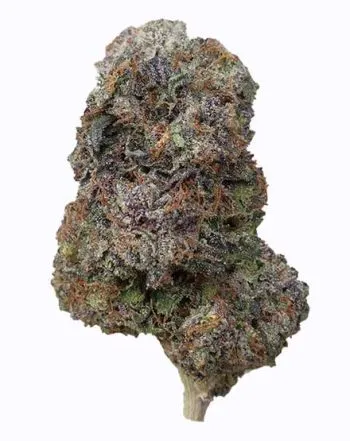
Forbidden Fruit is known for dense, resinous flowers that can develop dark green, purple and violet tones, often with bright orange pistils.
colour expression varies between phenotypes. Genetics control the plant's ability to produce strong purple pigmentation, while cooler conditions can make those colours more visible. I would not lower temperatures aggressively just to chase colour, as healthy flower development is more important than appearance.
Growers looking for similar colour traits can also explore purple cannabis seeds.
Forbidden Fruit Strain at a Glance
| Trait | Forbidden Fruit |
| Genetics | Cherry Pie × Tangie |
| Original breeder | Commonly credited to UrbanGardener408 / Chameleon Extracts |
| Strain type | Indica-dominant hybrid |
| THC | Commonly reported around 17–26%, depending on cultivar |
| CBD | Typically below 1% |
| Main terpenes | Myrcene, beta-caryophyllene, limonene |
| Flavor | Sweet fruit, citrus, cherry and pine |
| Effects | Commonly reported as uplifting and relaxing |
| Flowering time | 8–10 weeks |
| Height | Around 100–180 cm for our version |
| Yield | Around 400–500 g/m² under suitable conditions |
| Outdoor harvest | October |
| Growing difficulty | Medium |
| THC % | Up to 28% |
|---|---|
| Flowering Time | 8–10 Weeks |
| Outdoor harvest | October |
| Yield | 400–500 g/m² |
| Indica/Sativa | Indica Dominant |
| Height | Medium: 100–180 cm |
| Difficulty | Medium |
| CBD Content | Less than 1% |
| Climate | Mediterranean, Warm |
| Seed Type | Feminized |
| Genetics | Cherry Pie x Tangie |
| Effects | Relaxing, Uplifting |
| Taste | Fruity, Lemon, Sweet, Pine |
| Terpene | Myrcene, Beta-Caryophyllene, Limonene |
Forbidden Fruit Genetics and Origins
Forbidden Fruit comes from Cherry Pie × Tangie, a pairing that combines sweet fruit flavors with brighter citrus notes and a balanced growth pattern.
Cherry Pie × Tangie Parentage
Cherry Pie contributes cherry, berry and earthy flavors along with denser flower development. Tangie adds tangerine, orange and lemon notes, while also bringing more stretch and wider internodal spacing.
Together, these genetics produce a medium-sized, branchy plant that responds well to canopy training.
Who Created Forbidden Fruit?
Forbidden Fruit is widely credited to UrbanGardener408 of Chameleon Extracts in California, with Chameleon Extracts identifying the original cultivar as a Cherry Pie × Tangie cross.
Modern seed versions can vary from the original selection, so height, potency, flowering time and terpene expression may differ between breeders. For that reason, use the specifications provided for the exact Forbidden Fruit line you are growing.
Forbidden Fruit THC, Terpenes, Flavor and Effects
Forbidden Fruit is known for high THC potential and a sweet, fruit-heavy terpene profile influenced by its Cherry Pie × Tangie genetics.
How Strong Is Forbidden Fruit?
Forbidden Fruit is commonly reported at around 17–26% THC, although exact potency varies between phenotypes and seed lines.
Growing conditions also affect the final result. Light intensity, plant health, nutrition, harvest timing, and drying and curing can all influence cannabinoid levels.
CBD is typically low.
If potency is a priority, you can also compare Forbidden Fruit with other high THC cannabis seeds.
What Terpenes Does Forbidden Fruit Have?
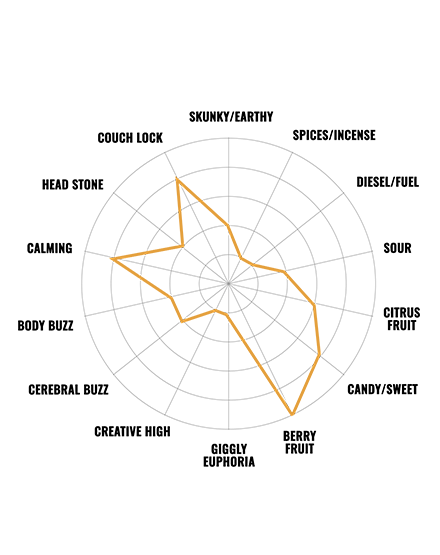
The main terpenes associated with Forbidden Fruit are myrcene, limonene and beta-caryophyllene.
- Myrcene adds earthy, herbal and musky notes.
- Limonene contributes lemon, orange and other bright citrus aromas.
- Beta-caryophyllene brings pepper, spice and a slightly woody finish.
The exact terpene balance varies between plants, so one phenotype may lean heavily toward citrus while another produces a sweeter, earthier profile.
What Does Forbidden Fruit Taste and Smell Like?
Forbidden Fruit has a sweet, fruity aroma built around cherry, berry and citrus.
Tangie's influence often brings orange, lemon and tangerine notes, while Cherry Pie adds darker fruit and earthy undertones. Some phenotypes also develop tropical fruit, pine or light spice.
The flavor follows a similar pattern, with sweet fruit and citrus upfront before giving way to earth, pine or spice on the finish.
The smell can become strong during late flowering, so good ventilation and carbon filtration are useful when odor control matters.
What Are the Effects of Forbidden Fruit?
Forbidden Fruit is commonly described as starting with an uplifting or euphoric feeling before becoming more physically relaxing.
Reported effects include:
- Relaxation
- Euphoria
- An uplifted mood
- A heavier body sensation at higher amounts
Effects vary with THC content, tolerance, serving size and individual response, so no particular experience should be treated as guaranteed.
How to Grow Forbidden Fruit Cannabis
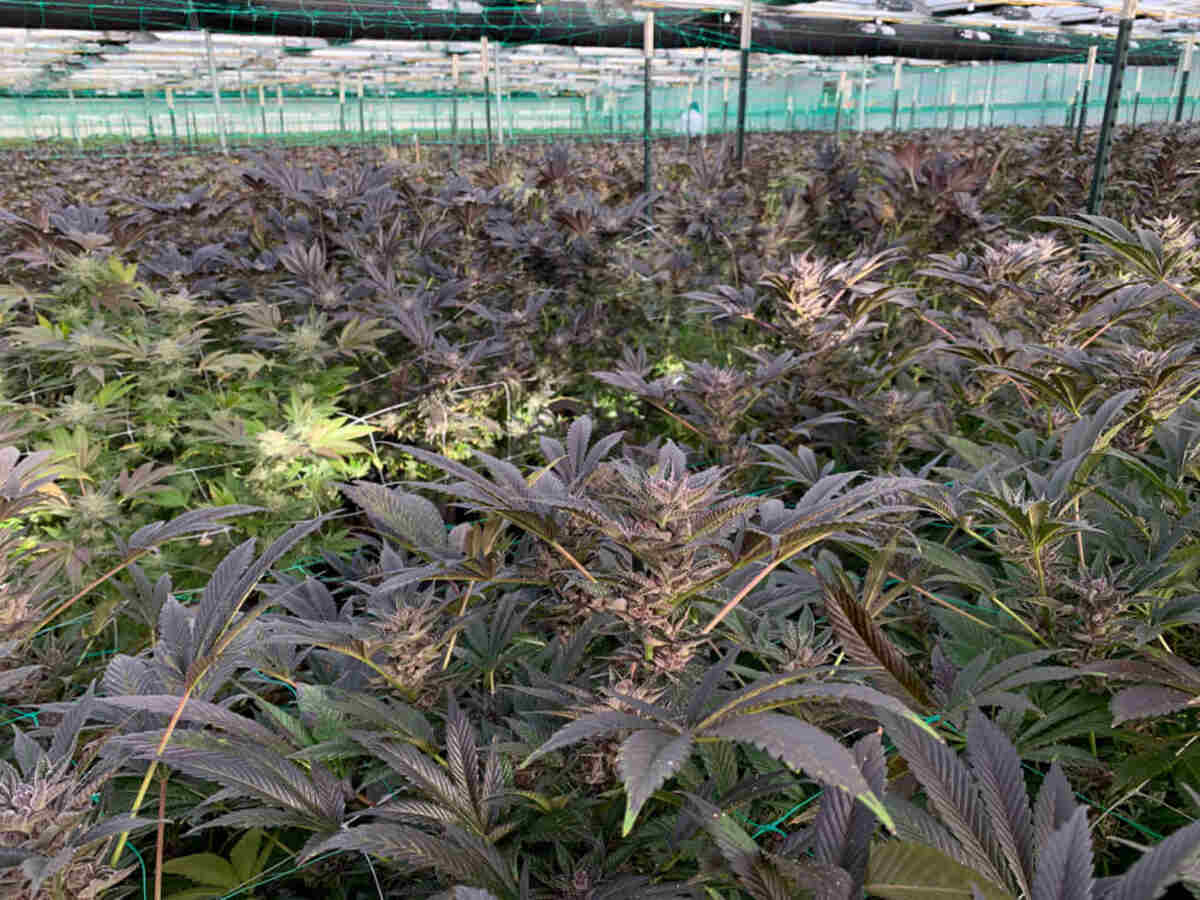
Forbidden Fruit is a medium-difficulty photoperiod strain that responds well to training. Plants commonly reach around 100–180 cm, with an 8–10 week flowering period and potential indoor yields of roughly 400–500 g/m² under good conditions.
The main goal is to build an open canopy early, then manage stretch, airflow and humidity through flowering.
Step 1: Keep Conditions Warm and Stable
Forbidden Fruit performs best in warm conditions similar to a Mediterranean climate.
Indoors, keep temperature and humidity steady. Outdoors, choose a sunny position with good airflow and enough time for the plant to finish in October.
Step 2: Train During Vegetative Growth
Forbidden Fruit produces strong side branching, so use veg to spread the plant and create an even canopy.
Good options include:
- Low-stress training to pull branches outward.
- Topping to create several main growing points.
- Light pruning to remove weak lower growth.
Do the heavier training before flowering so the plant has time to recover.
Step 3: Allow for Flowering Stretch
Forbidden Fruit usually stays medium in height, but its Tangie influence can add stretch after the switch to 12/12.
Leave enough headroom indoors and avoid filling your entire vertical space during veg. Final height will depend on phenotype, veg time, container size and training.
Step 4: Keep the Canopy Open
Once flowering begins, focus on airflow and light penetration rather than major structural training.
Remove weak shaded shoots and leaves that heavily block the center of the plant. Avoid aggressive pruning once flowers are established.
Step 5: Control Humidity During Flowering
Dense flowers can trap moisture, so reduce humidity as bloom progresses and keep air moving around the canopy.
Poor airflow combined with high humidity can increase the risk of mold on cannabis.
Odor also becomes stronger late in flower, so good extraction and carbon filtration can help indoors.
Step 6: Support Heavy Branches
As flowers gain weight, some branches may need support.
Use stakes, ties or a net before they start leaning heavily. This helps keep the canopy in position and prevents branches from folding under the weight.
Step 7: Harvest After 8–10 Weeks
Forbidden Fruit usually flowers for around 8–10 weeks.
Use this as a guide rather than a fixed harvest date. Check trichomes, calyx swelling and overall flower maturity before cutting.
Indoor yields can reach around 400–500 g/m² under suitable conditions, while outdoor plants generally finish in October. Actual results depend on genetics, plant size, environment and grower technique.
Conclusion
Forbidden Fruit is an indica-dominant Cherry Pie × Tangie hybrid that combines sweet fruit, citrus and earthy flavors with dense, colourful flowers and relatively high THC potential.
From a grower's perspective, it is best suited to someone who is comfortable with basic training and environmental control. The plant responds well to LST and topping, while its dense flowers make airflow and humidity important during late bloom.
With a flowering time of around 8–10 weeks, manageable height and good yield potential, Forbidden Fruit is a strong option for growers looking for a flavorful photoperiod strain with attractive flowers and a balanced growth pattern.
Forbidden Fruit Frequently Asked Questions
Is Forbidden Fruit indica or sativa?
Forbidden Fruit is an indica-dominant hybrid created from Cherry Pie and Tangie. Most versions lean heavily toward indica, although the exact ratio can vary between breeders and seed lines.
How long does Forbidden Fruit take to flower?
Forbidden Fruit usually takes around 8–10 weeks to flower. Treat this as a general guide and check trichomes and flower maturity before harvesting.
How tall does Forbidden Fruit grow?
Forbidden Fruit commonly reaches around 100–180 cm, depending on phenotype, vegetative time, pot size and training. Indoor plants can be kept shorter with topping, LST or SCROG.
Is Forbidden Fruit easy to grow?
Forbidden Fruit has a medium growing difficulty. It is manageable for growers with some experience, but you need to control canopy density, airflow, humidity and flowering stretch.
How much does Forbidden Fruit yield?
Indoor yields can reach around 400–500 g/m² under suitable conditions. Outdoor results vary more widely depending on plant size, sunlight, climate, genetics and overall grower technique.


