




Forbidden Fruit is an indica-dominant hybrid cannabis strain, created by crossing Cherry Pie with Tangie. Known for its vibrant, fruity aroma and potent effects, it has become a favourite among growers and consumers alike. With a THC content that can reach up to 26%, Forbidden Fruit delivers a powerful high that combines relaxation with a touch of euphoria. This strain is celebrated for its unique flavour profile, which blends sweet, fruity notes with citrus and pine undertones. In this article, we’ll dive deeper into the origins of Forbidden Fruit, its genetics, typical effects, terpene profile, and key growing characteristics.
Article Summary
• Strain Overview: Introduction to Forbidden Fruit, its indica-dominant classification, and flavour profile.
• Genetics and Lineage: Insights into its Cherry Pie and Tangie parentage and the traits they pass on.
• Effects and Experience: Commonly reported effects and how Forbidden Fruit is typically described by users.
• Flavour and Terpenes: An overview of the strain’s fruity, citrusy taste with dominant terpenes.
• Growing Characteristics: Key cultivation details such as flowering time, yield potential, plant size, and preferred climate.
Is Forbidden Fruit A Rare Strain?
Forbidden Fruit made a significant impact on the cannabis market upon its release, quickly becoming a fan favourite. With its unique, aromatic blend of sweet fruitiness and earthiness, it’s easy to see why this strain gained traction. However, whether it is rare or not depends on your location. While it initially had limited availability, recent efforts from seed banks have made it easier for cultivators to access Forbidden Fruit. It's no longer as elusive as it once was, and availability has steadily improved over time. For those looking to grow their own Forbidden Fruit, now might be the perfect opportunity to get started.
Who Makes Forbidden Fruit?
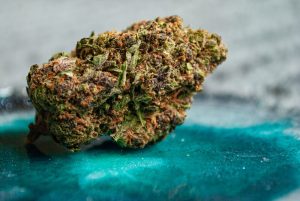
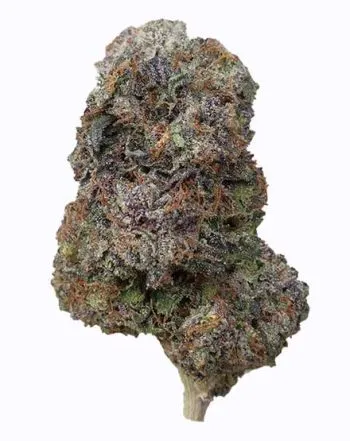
Forbidden Fruit is bred by Chameleon Extracts, a cannabis breeding company based in San Francisco. First introduced in 2016, it was the result of crossing a Tangie plant with a Cherry Pie cultivar. The goal was to create a hybrid that combined the best traits of both parent strains, and Forbidden Fruit emerged as a highly sought-after genetic blend. One of the most distinctive features of the strain is its visual appeal, with buds often showing purple hues and dense trichome coverage. It’s this combination of potent effects, great flavour, and striking appearance that has made Forbidden Fruit a lasting favourite.
Is Forbidden Fruit An Indica Or Sativa Strain?
Forbidden Fruit is an indica-dominant hybrid, with a 75/25 indica-to-sativa ratio. This genetic makeup tends to create a relaxing body high that’s balanced by an initial uplifting, cerebral experience. The high starts with a euphoric head rush, followed by deep physical relaxation. It’s often described as perfect for unwinding, making it ideal for evening use. Its relaxing properties, combined with mild mental stimulation, make it suitable for both social activities and quiet, relaxed moments.
Is Forbidden Fruit A Strong Strain?
Strong would be just a slight understatement. She kicks and kicks hard. Lab analysis shows can reach up to 26+% THC when grown in perfect conditions. She comes covered in huge trichomes, a frosty fruit for sure.
CBD levels are minimal, but most people searching for this one are of the THC-chasing variety. Novice smokers should start off slow, and let the high sit before double dipping.

| THC % | Up to 28% |
|---|---|
| Flowering Time | 8-10 Weeks |
| Outdoor harvest | April |
| Yield | 400-500gr/m² |
| Indica/Sativa | Indica Dominant |
| Height | Medium: 100cm-180cm |
| Difficulty | Medium |
| CBD Content | <1% |
| Climate | Mediterranean, Warm |
| Seed Type | Feminized |
| Genetics | Cherry Pie x Tangie |
| Effects | Relaxing, Uplifting |
| Taste | Fruity, Lemon, Sweet, Pine |
| Terpene | Myrcene, Beta-Caryophyllene, Limonene |
Is Forbidden Fruit Easy To Grow?
Forbidden Fruit is considered a potent strain, with THC levels typically reaching around 26%. While not the strongest strain available, it certainly provides a strong, relaxing effect. Lab results show varying THC levels based on cultivation techniques, with the plant’s potency often being influenced by factors like growing environment and care. The high is commonly described as deeply relaxing and euphoric, hitting hard but in a more gradual, mellow fashion. Experienced users will likely find this strain potent enough for a satisfying session, but novice users should be mindful of the strength and start with a small amount.
Is Forbidden Fruit Easy to Grow?
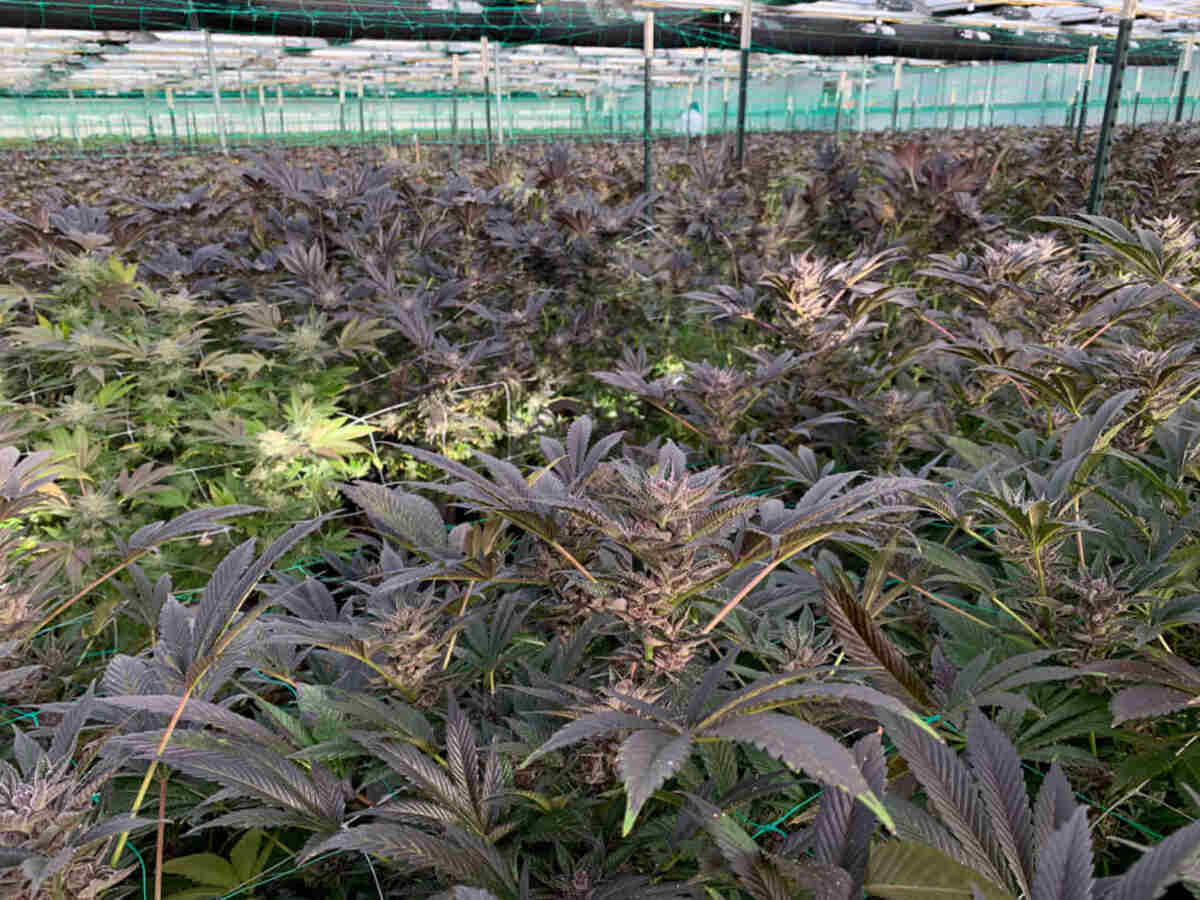
Forbidden Fruit is considered to be relatively easy to grow for those with some experience, but it requires attention to detail to reach its full potential. The strain thrives in a warm climate and is resistant to common pests and mold, which makes it adaptable to various growing conditions. However, it does best in a warm, Mediterranean-style environment with consistent temperatures between 22–25°C. For indoor growers, maintaining good airflow and controlling humidity levels are essential, especially during the flowering stage when buds become dense and more susceptible to mold.
While not the most difficult strain to cultivate, Forbidden Fruit’s size and growth pattern mean it’s a good idea to provide ample space and support for the plant. Training techniques like scrog (screen of green) are often recommended to help manage the plant’s horizontal growth and maximise light exposure. With proper care and management, Forbidden Fruit can yield great results.
Forbidden Fruit Yield
When it comes to yield, Forbidden Fruit is considered a fairly high-yielding strain. Indoors, growers typically see yields of 400–500 grams per square metre, depending on the cultivation method used. Outdoor growers can expect even higher yields, especially in ideal conditions, with some plants producing up to 16 ounces per plant. The key to maximising yields lies in careful management of the plant’s growth, ensuring that it’s properly trained and given enough space for its dense buds to flourish.
What Is the Flowering Time for Forbidden Fruit?
Forbidden Fruit has a flowering time that ranges between 8–10 weeks, with many growers reporting optimal harvest times around the 9-week mark. While it may not be the fastest flowering strain available, its relatively quick turnaround makes it a popular choice for those looking to grow a potent, high-quality hybrid in a reasonable amount of time. Indoors, growers can expect a faster finish, while outdoor growers may need to wait until mid-October for a full harvest, depending on the local climate.
Flavor and Terpene Profile
The flavour profile of Forbidden Fruit is one of its standout features. It combines sweet, fruity notes with a tangy citrus undertone and a slight piney finish. The dominant terpenes are myrcene, beta-caryophyllene, and limonene, which contribute to the strain’s unique flavour and aroma. The myrcene and caryophyllene work together to provide a calming, earthy base, while limonene adds a bright, citrusy zest. This combination makes Forbidden Fruit a delightful strain for those who enjoy complex, tropical flavours with earthy depth.


