




Outdoor autoflower cannabis plants are popular among growers looking for a faster and more discreet way to cultivate cannabis, but they come with different challenges compared to photoperiod strains. Factors like climate, sunlight, watering, pests, and genetics can all influence how well autoflowers perform outdoors and how much they yield. While autoflowers are often easier to manage and finish quickly, they generally offer less control during growth and may produce smaller harvests. Understanding how these plants respond to outdoor conditions can help growers avoid common mistakes and get more consistent results throughout the season.
Key Takeaways
- Outdoor autoflowers typically finish from seed to harvest in around 8–10 weeks, allowing for multiple harvests during one growing season.
- Most autoflowers perform best in temperatures between 65°F and 82°F with at least 8–10 hours of direct sunlight per day.
- Larger pots with good drainage and aeration often support healthier root development and improved yields outdoors.
- Overwatering is one of the most common issues with autoflowers, so growers should allow the top layer of soil to dry before watering again.
- Compact autoflower strains are commonly chosen for outdoor grows where space, privacy, or shorter growing seasons are important considerations.
- Pest prevention methods like regular inspections, companion planting, and good airflow can help reduce the risk of mold and insect damage outdoors.

Pros and cons of growing autoflowers outdoors
Autoflowering cannabis plants offer unique advantages and disadvantages when cultivated outdoors. Let's explore the key aspects to consider before taking on an autoflower outdoor grow.
Pros:
1. Rapid Growth: Autoflowers have a shorter life cycle, typically maturing in 8-10 weeks from germination, allowing for faster results when compared to photoperiod marijuana seeds.
2. Compact Size: Autoflowering plants are generally smaller and more discreet, making them ideal for growers with limited space or those seeking privacy.
3. Stealth and Camouflage: Due to their small size and quick growth, autoflowers are easier to hide among other plants or natural foliage.
4. Multiple Harvests: Because autoflowers can grow from seed to harvest in as little as 10 weeks you will have time to produce perpetual harvests each season.
5.Resilience: Autoflowers tend to be more robust and forgiving, making them suitable cannabis strains for beginners or those in challenging climates.
Cons:
1. Smaller Yields: Autoflowers produce smaller yields when compared to most photoperiod strains, which might be a concern for commercial growers.
2. Limited Training: Unlike photoperiod plants, autoflowers do not respond well to HST training techniques like topping, super cropping or fimming.
3. Less Control over Flowering: Autoflowers transition from vegetative to flowering stage automatically, limiting the control you have over the timing.
4. Potency: Some autoflower strains might have slightly lower THC levels than their photoperiod counterparts.
5. Genetic Stability: Ensuring genetic stability can be crucial with autoflowers, as any genetic instability could impact the plant's growth and performance.
Do some autoflowers perform better outdoors than others?
Yes, some autoflowering seeds are better suited for outdoor cultivation than others. When selecting the right autoflower variety for your outdoor garden, consider the following factors to ensure optimal performance:
1. Climate Compatibility: Choose autoflowers with genetics that match your local climate. Some strains thrive in cooler temperatures, while others excel in warm or Mediterranean climates.
2. Resistance to Pests and Diseases: Choose strains that have an in-built resistance to pests and diseases. Strains such as Cheese Auto are excellent at avoiding mould.
3. Shorter Flowering Time: Autoflowers with shorter flowering periods are ideal for regions with a shorter growing season, short summers or unpredictable weather.
4. Height and Size: If you have limited space or want to keep your garden discreet, opt for autoflowering strains that remain compact and don't grow too tall.
5. Yield and Potency: Consider your desired yield and potency level. Some autoflowers may offer higher yields, while others focus more on potency.
6. Breeder Reputation: Check the reputation of the breeder when choosing autoflower seeds. Established and reputable breeders often produce more stable and reliable genetics.
7. Grower Experience: Match the strain's difficulty level with your experience. Some strains are more forgiving for beginners, while others require more expertise.
Remember to research and gather information about specific strains before making your selection. Each strain possesses unique characteristics that can significantly impact its performance outdoors.
What is the ideal climate to grow autoflowering plants outdoors?
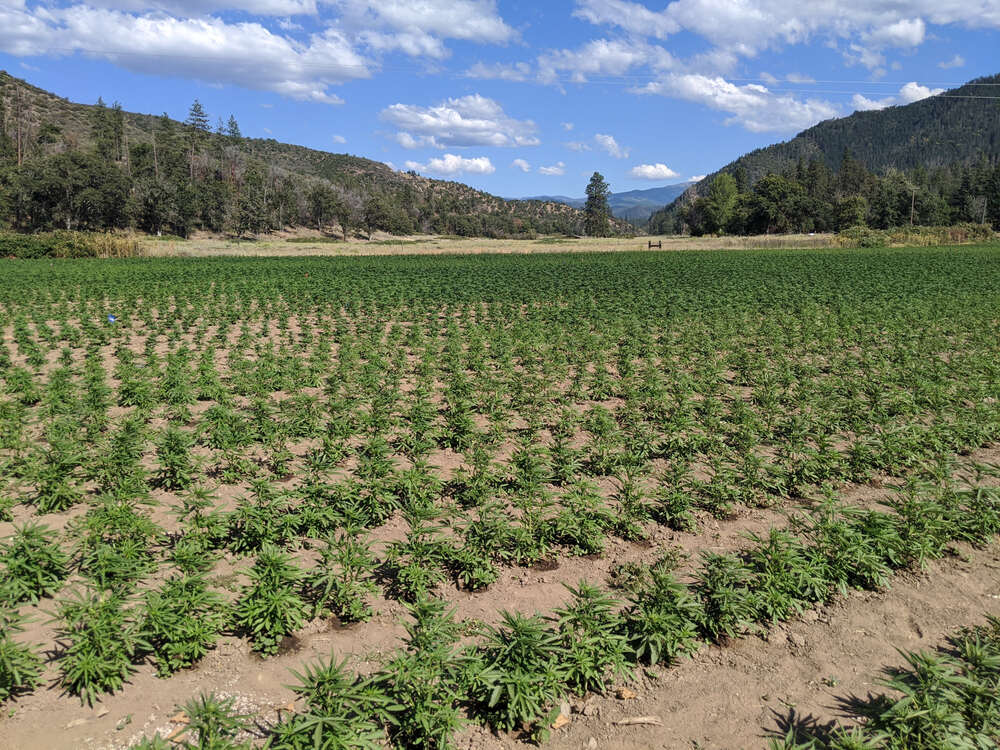
Autoflowers can grow in most climates, however, to really thrive and produce the biggest yields you will need the best conditions. Here are some of the keys to a great climate for autoflowers:
1. Mild Temperatures: The perfect temperature for autoflowers is 18°C to 28°C (65°F to 82°F) during the day and slightly cooler at night. Try to avoid extreme heat or cold as it can stress the plants.
2. Sufficient Sunlight: Autoflowers require lots of sunlight to grow big. Ideally they need 8 to 10 hours of direct sunlight per day to achieve the biggest yields. The more sunlight they receive, the more energy they have to produce big yields.
3. Stable Weather Patterns: A climate with relatively stable weather patterns is advantageous for autoflowers. Sudden temperature drops, heat waves, heavy rains, or strong winds can hinder growth and potentially damage the plants.
4. Low Humidity: The perfect level of humidity for autoflowers is between 40-50%. Keeping the relative humidity down to these levels will reduce the chances of mold.
5. Protection from Frost: Autoflowers are sensitive to frost, so it's best to avoid areas prone to late spring or early fall frosts. If you encounter occasional frost, consider planting a bit later or using protective measures like cloths or covers.
6. Longer Growing Season: Autoflowers can withstand colder temperatures compared to photoperiods. Autos flower based on age and not light cycle, meaning there are more months throughout the year you can grow autos..
7. Good Air Circulation: Ensure the growing area has good air circulation to prevent stagnant air and potential mold problems.
8. Stealth and Security: Depending on the legal status of cannabis in your region, consider a location that offers some level of privacy, security, and discretion.
Remember that while autoflowers are hardy and adaptable, providing them with the best possible climate will result in healthier plants and better yields.
With some extra care and adjustments, you can still successfully grow autoflowers outdoors in various climates, however be prepared to take extra precautions.
Actionable Tip: Aim for mild temperatures, low humidity, good airflow, and at least 8–10 hours of direct sunlight per day.
Tips for growing autoflowers outdoors
When you grow weed outdoors, there are a lot of elements that may be out of your control, so the bits that are under your control need to be done right. From selecting the right pot size and location to nurturing your plants with proper soil and care, here's some tips to get your autoflower grow on point:
Pot size and type
When you grow autoflowers outdoors, the choice of pot size and type plays a crucial role in their yield.
Drainage: Make sure that the pots you chose have drainage holes to prevent waterlogging, which can lead to root rot. Proper drainage also allows for better oxygen levels around the roots.
Size for Bigger Yields: Opt for larger pots to promote bigger yields. A larger root system will provide the plants with more nutrients, resulting in healthier and more abundant harvests.
Aeration: Fabric pots or smart pots are excellent choices as they provide better aeration to the roots, promoting optimal root development and healthier plants.
Choose the right location
Selecting the right location is vital for the successful growth of your autoflowering cannabis plants. So keep the following considerations below in mind:
Direct Sunlight: Ensure your chosen spot receives plenty of direct sunlight each day, preferably 8 to 10 hours or more. More sunlight generally leads to better growth and higher yields.
Privacy: If discretion is needed, choose a location that offers some privacy, especially in regions where cannabis cultivation may not be entirely legal.
Pests: Avoid areas known for high pest activity. If possible, position your garden away from places with existing pest problems to minimise potential infestations.
Wind Protection: Strong winds can damage your plants, especially when they are young and tender. Consider natural windbreaks, a small greenhouse or create barriers to protect your plants.
Use good soil
Healthy soil is the foundation for any successful growth. Here are some key elements that you need to stay on top of to provide your autoflowers with the best growing conditions.
Soil Composition: Use a good quality potting mix or a blend of compost, perlite, and vermiculite. This will provides a well balanced blend of nutrients, while still providing a light and airy soil with good drainage, and water retention
pH Level: Ensure the soil's pH level is in the optimal range for cannabis growth, which is generally between 6.0 to 6.8. Test the soil and adjust if necessary using pH adjusters.
Drainage: Good drainage is vital for preventing waterlogged soil. Consider adding materials like perlite to improve drainage and aeration.
By paying attention to these critical factors, you can set the stage for a successful autoflowering cannabis garden outdoors. The right pot size, location, and soil will contribute to healthy plants and maximise your yields.
The best ways of preventing pests outdoors
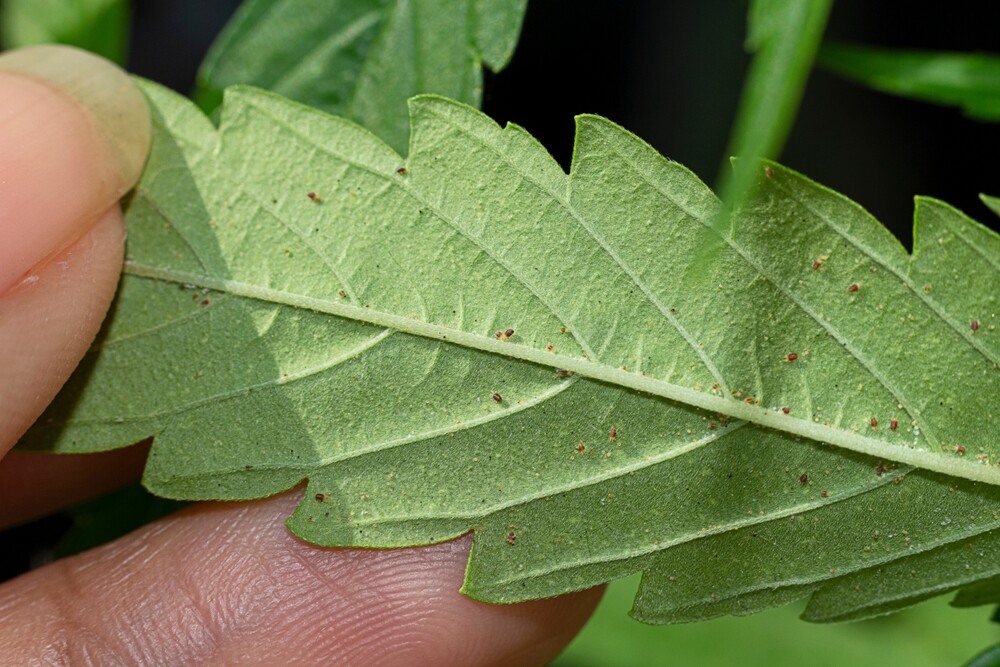
Outdoor cannabis cultivation comes with its fair share of challenges, and one of the most significant threats is pests.
However, with proactive measures and careful planning, you can minimise the risk of pest infestations, here's how....
1. Companion Planting: Integrate companion plants that naturally repel pests or attract beneficial insects. For instance, marigolds can deter aphids, while ladybugs feast on destructive pests like spider mites.
2. Regular Inspection: Conduct regular inspections of your plants to spot potential pest problems early on. Swift identification enables immediate action and minimises the impact of pests on your garden. Check the tops and undersides of the plant’s leaves for signs of damage or insect larvae.
3. Natural Predators: Encourage the presence of natural predators like ladybugs, lacewings, and praying mantises in your garden. They can help control pest populations and maintain a balanced ecosystem and can be purchased online or from grow shops.
4. Neem Oil and Insecticidal Soaps: Use organic solutions like neem oil and insecticidal soaps to treat minor pest infestations. These options are environmentally friendly and safe for your plants.
5. Physical Barriers: Install physical barriers like row covers or netting to shield your plants from flying insects and larger pests.
6. Clean and Tidy Garden: Keep your garden clean and free from debris that can harbor pests. Remove dead leaves and plant material regularly to reduce potential hiding spots.
7. Crop Rotation: Practice crop rotation to prevent the buildup of pests in the soil. Avoid planting the same crops in the same location year after year.
8. Natural Repellents: Employ natural repellents like garlic or chili pepper sprays to deter pests from approaching your plants, only when the plants are in the vegetative state.
9. Healthy Plants: Maintain the overall health of your plants through proper watering, nutrition, and stress reduction. Healthy plants are more resistant to pests and diseases.
10. Early Harvest: If you notice a severe pest infestation that cannot be controlled effectively, consider harvesting your plants earlier than planned to salvage what you can.
By incorporating these preventive strategies into your outdoor cannabis gardening routine, you can significantly reduce the likelihood of pests causing substantial damage to your valuable autoflowers.
Actionable Tip: Inspect plants regularly and use companion planting, natural predators, and organic controls to reduce pest problems before they spread.
How to maximise autoflower yield outdoors
Achieving a great yield from autoflowers requires more skill and training than it does with photoperiod plants. Here are some essential tips to help you maximise your autoflower yield:
1. Choose High-Yielding Strains: Select autoflower strains known for their high yield potential. Strains such as Big Bud Auto have been specifically bred to be as big as possible.
2. Optimal Pot Size: Use larger pots to allow your plants to develop a more extensive root system. This gives them access to more nutrients and supports higher growth potential.
3. Provide Adequate Light: Ensure your plants receive a minimum 8 hours of direct sunlight daily. Consider supplementing natural light with artificial lighting if needed.
4. Nutrient-Rich Soil: Use nutrient-rich and well-balanced soil, or amend the soil with organic nutrients such as worm castings, or compost to provide a steady supply of essential elements to your plants.
5. Pruning and Training: While autoflowers don't respond well to extensive training, light pruning and defoliation can enhance airflow and light penetration, leading to improved bud development and air flow.
6. Timing and Successive Planting: Plan your grow schedule to take advantage of your region's climate and aim for successive plantings to stagger harvests and prolong the growing season. June until August will typically produce the best results.
7. Proper Watering: Overwatering or underwatering can stress your plants. Provide them with consistent and appropriate watering to maintain optimal health. Lift the pots to see how light or heavy they are, and assess if they need watering.
8. Pest and Disease Management: Vigilantly monitor your garden for pests and diseases, taking immediate action to prevent their spread and potential damage to your plants.
9. Harvest at the Right Time: Pay close attention to the trichome development on your buds to determine the ideal harvest time. Harvesting too early or too late can impact the potency, flavour and yield.
10. Protect from Extreme Weather: Shield your plants from extreme weather conditions, such as heavy rains, strong winds, and sudden temperature fluctuations, to prevent damage.
11. Environment Control: If growing in a greenhouse or controlled environment, ensure optimal temperature, humidity, and ventilation to support plant growth.
By implementing these strategies you can optimize your yield and enjoy the fruits of a successful outdoor harvest.
Tips on watering autoflowers outdoors
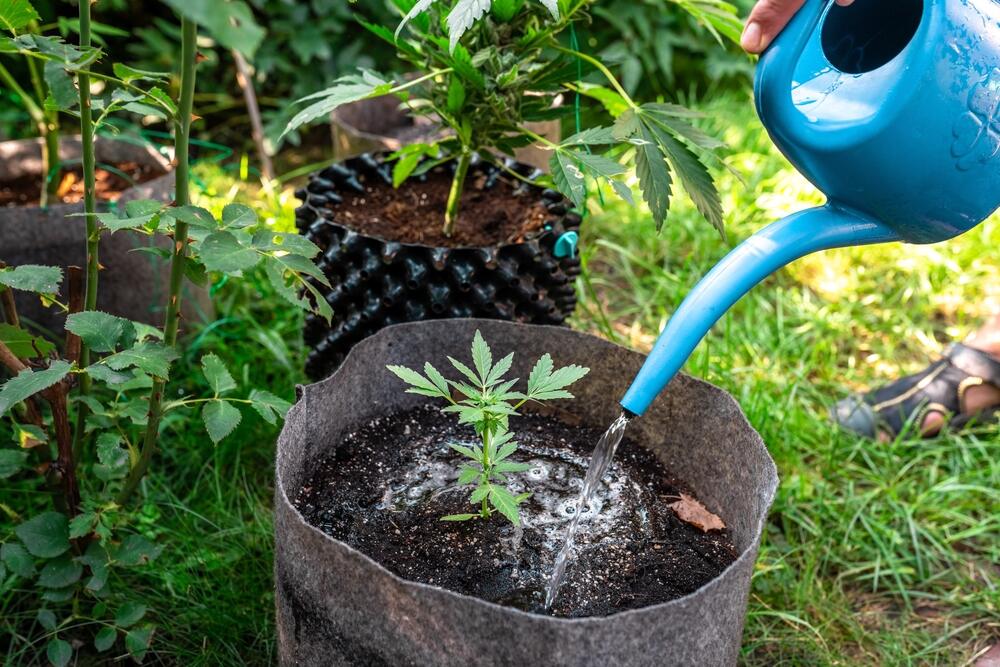
Proper watering is crucial for the healthy growth and development of autoflowering cannabis plants outdoors. Here are some valuable tips to help you avoid over or underwatering your plants.
1. Check the Soil Moisture: Before watering, check the soil moisture by sticking your finger about an inch deep into the soil at the edge of the pot. Only water when the top layer feels dry to the touch and the pots are light when lifted off the floor.
2. Avoid Overwatering: Overwatering can lead to root rot and other problems. Autoflowers prefer well-draining soil, so ensure that excess water can escape through drainage holes.
3. Watering Schedule: As a general guideline, water your plants every 2-3 days in warm weather and less frequently in cooler temperatures. Adjust the schedule based on your climate and the specific needs of your plants.
4. Watering Time: Water your plants in the morning or late afternoon around 5-6pm to allow excess moisture to evaporate throughout the day. This helps prevent issues related to nighttime dampness.
5. Water at the Base: Direct water at the base of the plant, near the stem, rather than wetting the leaves. Wet leaves can promote the growth of mold and attract pests.
6. Deep Watering: When watering, aim for a thorough soak to encourage deep root growth. Shallow watering can lead to shallow root systems, making plants more susceptible to stress, and cause salts to build up in the soil.
7. Use Room Temperature Water: Avoid using extremely cold or hot water. Room temperature water is best for preventing shock to the plants' roots.
8. Monitor for Signs of Underwatering and Overwatering: Learn to recognize signs of underwatering (wilting, drooping leaves) and overwatering (yellowing leaves, slow growth). Adjust your watering practices accordingly.
9. Consider Environmental Factors: Hot and windy weather can cause plants to lose water more rapidly due to excessive transpiration, so increase watering during such conditions.
10. Drought Resistance: Gradually reduce watering towards the end of the flowering stage to promote drought resistance and improve the final taste and aroma of the buds.
Remember that individual factors, such as climate, pot size, and soil composition, can influence watering requirements.
Outdoor growing FAQs
Can you grow autoflower plants outside?
Yes, autoflower plants can be successfully grown outdoors. In fact, they are well-suited for outdoor cultivation due to their quick maturation and compact size.
How much yield does an outdoor autoflower produce?
The outdoor yield of autoflowering cannabis plants can vary widely depending on various factors such as strain, growing conditions, climate, nutrients and grower expertise. On average, outdoor autoflowers can yield anywhere from 50 to 150 grams per plant.
Do outdoor Autoflowers need nutrients?
Yes, outdoor autoflowers require nutrients to thrive. While they may obtain some nutrients from the soil, it's essential to supplement their diet with proper nutrients throughout their growth cycle for optimal results.
What is the highest yielding outdoor autoflower?
Big Bud is a high-yielding autoflower strain known for its abundant harvests. However, there are several other autoflower strains that can also produce impressive yields, with plant training when grown outdoors under suitable conditions. It's essential to consider factors such as climate and grower experience when selecting the best strain for your outdoor garden.


