




Mimosa is a sativa-dominant hybrid cannabis strain developed in Northern California by Symbiotic Genetics, created by crossing Clementine with Purple Punch. Since its release in early 2018, Mimosa has gained strong recognition for its bright citrus-forward flavor profile, visually striking buds, and uplifting yet balanced effects. It is commonly described as offering an energetic, clear-headed experience alongside gentle physical relaxation rather than heavy sedation. This article takes a closer look at the Mimosa strain, exploring its origins, genetic background, commonly reported effects, terpene profile, and key cultivation characteristics to help readers understand why it has remained a popular choice several years after its debut.
Article Summary
• Strain Overview: An introduction to Mimosa, its sativa-dominant classification, and why it gained popularity so quickly.
• Genetics and Origin: Insight into its Northern California roots and Symbiotic Genetics lineage.
• Effects and Experience: Commonly reported effects and how Mimosa is typically described by users.
• Flavor and Terpenes: An overview of the strain’s citrus-forward aroma and dominant terpenes.
• Growing Characteristics: Key cultivation details such as flowering time, yield potential, plant size, and preferred climate.

Where Did The Mimosa Strain Originate?
Mimosa is credited to Symbiotic Genetics, a Northern California breeding collaboration formed by The Village and Budologist. The group has been responsible for several high-profile releases in recent years, including Banana Punch, Wedding Crasher, and Purple Punch 2.0.
Mimosa itself emerged from a cross between Clementine and a Purple Punch F2 selection. That Purple Punch line played a major role in establishing Symbiotic Genetics’ reputation, and Mimosa quickly became one of their most recognizable releases.
Shortly after appearing in dispensaries in early 2018, Mimosa gained attention for both its flavor profile and visual appeal. Within its first year, it placed second in the Hybrid Flower category at the NORCAL High Times Cannabis Cup, helping cement its status as a sought-after modern hybrid.
Is Mimosa An Indica Or Sativa Strain?
Mimosa is commonly described as a sativa-dominant hybrid, often cited as having roughly a 70/30 sativa-to-indica ratio. That balance shows up in both its growth characteristics and its effects.
While the sativa influence is noticeable, the Purple Punch genetics add structure and density that prevent the plant from becoming overly lanky. The result is a hybrid that tends to feel energetic without being overly stimulating.
How Strong Is The Mimosa Strain?
THC levels for Mimosa are typically reported in the 20–24% range, depending on phenotype, growing conditions, harvest timing, and testing methods. While it may not rank among the most extreme high-THC strains, it’s still considered potent by modern standards.
Many users describe the effects as coming on fairly quickly, with a noticeable cerebral lift followed by a calmer, more settled body sensation. Rather than heavy sedation, the experience is often described as focused and uplifting, with relaxation building gradually over time.
As always, individual responses vary, and nothing here should be taken as medical advice.
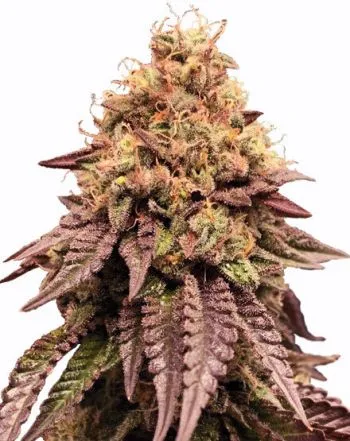

| THC % | Up to 24% |
|---|---|
| Flowering Time | 8-10 Weeks |
| Outdoor harvest | October |
| Yield | 500-600gr/m² |
| Indica/Sativa | Sativa Dominant |
| Height | Medium: 100cm-180cm |
| Difficulty | Medium |
| CBD Content | <1% |
| Climate | Temperate, Warm, Cool |
| Seed Type | Feminized |
| Genetics | Purple Punch x Clementine |
| Effects | Relaxing, Uplifting |
| Taste | Citrus, Earthy, Fruity |
| Terpene | Myrcene, Pinene, Caryophyllene |
Is The Mimosa Strain Top Shelf?
Mimosa has remained in demand for several years, which is notable in a market where trends move quickly. Its continued popularity is often attributed to a combination of strong bag appeal, dense buds, and a terpene profile that stands out.
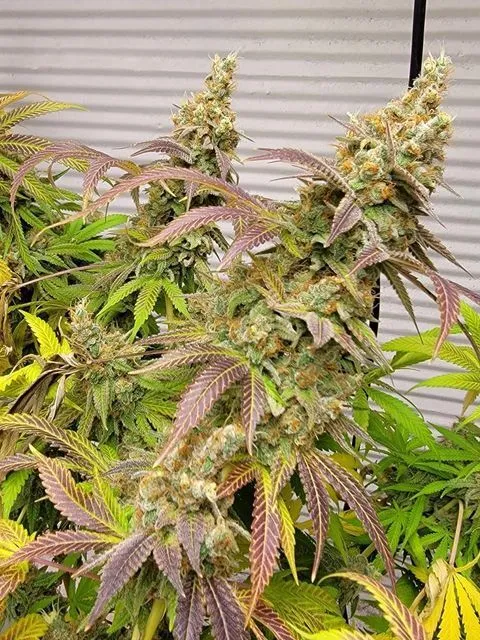
Visually, Mimosa is frequently described as producing bright green flowers with vibrant orange pistils and a thick trichome coating. Combined with its aroma and flavor, those traits have helped it maintain a reputation as a premium offering rather than a short-lived novelty.
Is The Mimosa Strain Easy To Grow?
Mimosa is generally considered a medium-difficulty strain. It doesn’t pose major challenges, but there are a few factors growers tend to watch closely.
The strain prefers temperate conditions and is often reported to perform best in temperatures around 22–25°C. It can be grown in warmer climates, but dense bud formation means humidity control and airflow become especially important late in flowering.
Mimosa works well indoors and outdoors, though its size and bud density mean growers often benefit from training and canopy management to reduce moisture buildup.
How Long Does Mimosa Strain Take To Flower?
Flowering time is commonly reported between 65 and 80 days, with many growers aiming for around 10 weeks as suggested by the breeder.
Outdoor harvests typically fall in October, depending on local climate and seasonal conditions.
How Much Does Mimosa Yield?
Yields can vary significantly depending on setup and growing style. Indoor yields are often reported in the 500–600 g/m² range under stable conditions. Outdoors, larger plants have been reported to produce substantially higher yields when given a full season.
Mimosa is often described as responding well to high-stress training techniques. Growers frequently mention topping and scrog-style setups as effective ways to manage height and encourage more even bud development. Because of the weight of the flowers, branch support toward the end of flowering is commonly recommended.
Flavor and Terpene Profile
Mimosa is best known for its citrus-driven aroma and flavor. Orange notes are most prominent, with hints of lime, sweetness, and earthy undertones rounding out the profile.
The dominant terpenes are commonly reported as myrcene and pinene, with caryophyllene also present. Total terpene content has been reported around 1% in some lab analyses, though expression can vary by phenotype and environment.


