




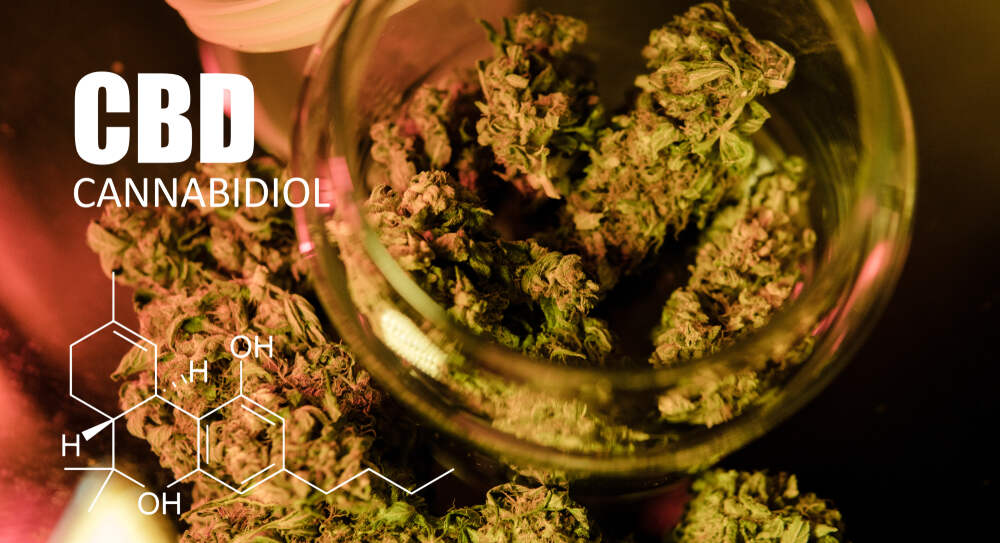
CBD cannabis strains produce higher levels of cannabidiol (CBD), a non-intoxicating cannabinoid found in cannabis. Unlike THC, CBD does not cause the typical cannabis high, although some CBD-rich strains still contain significant amounts of THC.
Choosing the best CBD cannabis strains involves comparing CBD-to-THC ratios, genetics, plant height and flowering time. Some high CBD strains are compact and easy to manage, while others require more growing space.
This guide explains what CBD is, how it differs from THC and seven CBD cannabis strains worth exploring, including Harle-Tsu, ACDC, Ringo's Gift and Cannatonic.
Key Takeaways
- CBD is non-intoxicating, but CBD-rich cannabis may still contain THC.
- CBD-to-THC ratios help explain a strain's cannabinoid profile.
- Low-THC strains include Harle-Tsu, ACDC and Ringo's Gift.
- Balanced CBD strains may contain higher THC levels and produce intoxicating effects.
- Choosing the right strain depends on cannabinoid content, genetics, height and flowering time.
What is CBD in Cannabis?
Cannabidiol is one of the many cannabinoids produced by cannabis plants. THC is another, but unlike THC, CBD does not produce typical cannabis intoxication. Both interact with the body through different biological pathways, including those associated with the endocannabinoid system.
Living plants mainly produce cannabidiolic acid (CBDA), which converts into CBD when heated. Breeders select genetics that produce greater amounts of CBD, but the finished flower can still contain THC.
CBD has been investigated for several medical conditions. That does not mean CBD cannabis flower is a proven treatment. A 2026 Cochrane review found that evidence for substantial pain relief from CBD-dominant medicines remains uncertain
Understanding CBD-to-THC Ratios
A CBD ratio compares the concentrations of both cannabinoids in one tested sample. For example, 10% CBD and 1% THC gives a 10:1 ratio. A flower with 10% of each has a 1:1 ratio.
| Ratio | Example | Description |
| 20:1 | 20% CBD / 1% THC | Strongly CBD-dominant |
| 2:1 | 10% CBD / 5% THC | More CBD than THC |
| 1:1 | 10% CBD / 10% THC | Equal concentrations |
These examples are not fixed strain characteristics. Advertised maximum CBD and THC percentages may come from different samples, so they cannot be used to calculate a confirmed ratio. Even plants of the same variety can produce different cannabinoid concentrations, particularly when growing conditions and harvest timing vary.
Best CBD Cannabis Strains Compared
| Strain | Advertised CBD | Advertised THC | Growth characteristic |
| Harle-Tsu | Up to 18% | Up to 1% | Medium, indica-dominant |
| ACDC | Up to 24%* | Below 1% | Medium, balanced hybrid |
| Ringo's Gift Autoflower | Up to 24%* | Up to 1% | Compact autoflower |
| Harlequin | Up to 18% | Up to 10% | Tall, sativa-dominant |
| CBD Queen | Up to 10% | Up to 10% | Medium, sativa-dominant |
| Cannatonic | Up to 18% | Up to 10% | Medium, balanced hybrid |
| Mandarin CBD | Up to 18% | Up to 10% | Medium, longer flowering |
Current product descriptions advertise up to 24% CBD for ACDC and Ringo's Gift, while some accompanying specifications state lower figures. Confirm these claims against current laboratory or breeder records before publishing.
Seven CBD Cannabis Strains Worth Exploring
1. Harle-Tsu
Harle-Tsu combines Harlequin and Sour Tsunami genetics. It is an indica-dominant variety listed with up to 18% CBD and 1% THC. Plants generally reach 100–180 cm and flower in approximately 8–10 weeks. Pine, citrus and spice feature in its aromatic profile. Its comparatively low advertised THC level makes it a sensible starting point for CBD-focused growers.
Grower Tip: Dense flowers need moving air. Keep branches from becoming overcrowded and monitor grow-room humidity during late flowering to avoid conditions that encourage fungal growth.


| THC % | Up to 1% |
|---|---|
| Flowering Time | 8–10 Weeks |
| Outdoor harvest | End Of September |
| Yield | 400–500 g/m² |
| Indica/Sativa | Indica Dominant |
| Height | Medium: 100–180 cm |
| Difficulty | Medium |
| CBD Content | Up to 18% |
| Climate | Mediterranean, Temperate, Warm |
| Seed Type | Feminized |
| Genetics | Harlequin x Sour Tsunami |
| Effects | Calming, Relaxing, Uplifting |
| Taste | Citrus, Pine, Spicy |
| Terpene | Myrcene, Pinene, Caryophyllene |
2. ACDC
ACDC comes from Cannatonic-related genetics and produces a balanced growth pattern. It is recognised for CBD-rich flowers with very little THC. Expect medium-height plants, approximately 100–180 cm, and an 8–10-week flowering period. Its herbal, earthy and citrus notes make it distinctive without relying on high THC levels.


| THC % | Up to 1% |
|---|---|
| Flowering Time | 8–10 Weeks |
| Outdoor harvest | Mid October |
| Yield | 400–500 g/m² |
| Indica/Sativa | 50/50 |
| Height | Medium: 100–180 cm |
| Difficulty | Easy |
| CBD Content | 20%–24% |
| Climate | Mediterranean, Temperate, Warm |
| Seed Type | Feminized |
| Genetics | Cannatonic x Unknown |
| Effects | Calming, Relaxing, Uplifting |
| Taste | Citrus, Earthy, Herbal |
| Terpene | Myrcene, Alpha-Pinene, Beta-Caryophyllene, Limonene |
Ringo's Gift Autoflower
Ringo's Gift Autoflower combines CBD-focused genetics with automatic flowering. Plants generally reach 60–100 cm and are advertised as finishing around 8–10 weeks from seed. Pine and woody notes accompany the citrus aroma. Unlike photoperiod plants, autoflowers flower according to age rather than a change in daylight hours; the autoflower versus photoperiod comparison explains that difference.
Grower Tip: Avoid unnecessary transplanting or major training late in an autoflower's early growth. Its limited recovery window can make setbacks harder to correct.


| THC % | Up to 1% |
|---|---|
| Flowering Time | 8–10 Weeks |
| Outdoor harvest | June to October |
| Yield | 300–400 g/m² |
| Indica/Sativa | Sativa Dominant Ruderalis |
| Height | Short: 60–100 cm |
| Difficulty | Easy |
| CBD Content | 20%–24% |
| Climate | Arid, Mediterranean, Temperate, Warm |
| Seed Type | Autoflower Feminized |
| Genetics | Unknown CBD x Auto Pounder |
| Effects | Calming, Relaxing, Uplifting |
| Taste | Pine, Woody, Citrus |
| Terpene | Pinene, Beta-Caryophyllene, Limonene |
4. Harlequin
Harlequin has Colombian, Thai and other traditional cannabis ancestry. This sativa-dominant variety may reach 180–220 cm, so vertical space matters. Flowering usually takes 8–10 weeks. Advertised THC levels reach 10%, meaning it should not be treated as a non-intoxicating alternative. Its aroma is herbal, woody and peppery.


| THC % | Up to 10% |
|---|---|
| Flowering Time | 8–10 Weeks |
| Outdoor harvest | Mid October |
| Yield | 400–500 g/m² |
| Indica/Sativa | Sativa Dominant |
| Height | Tall: 180–220 cm |
| Difficulty | Easy |
| CBD Content | Up to 18% |
| Climate | Arid, Tropical, Temperate, Warm |
| Seed Type | Feminized |
| Genetics | Colombian Gold x Thai x Swiss Sativa |
| Effects | Creative, Energising, Relaxing, Uplifting |
| Taste | Herbal, Pine, Peppery |
| Terpene | Myrcene, Caryophyllene, Pinene |
5. CBD Queen
CBD Queen combines Northern Lights #5, Haze and Juanita La Lagrimosa. Listed with up to 10% CBD and 10% THC, it offers a different cannabinoid balance from low-THC strains. Plants typically reach 100–180 cm, flower in 8–10 weeks and produce citrus, herbal and Skunk-like aromas.


| THC % | Up to 10% |
|---|---|
| Flowering Time | 8–10 Weeks |
| Outdoor harvest | Early October |
| Yield | 400–500 g/m² |
| Indica/Sativa | Sativa Dominant |
| Height | Medium: 100–180 cm |
| Difficulty | Easy |
| CBD Content | Up to 10% |
| Climate | Warm |
| Seed Type | Feminized |
| Genetics | Northern Lights #5 x Haze x Juanita La Lagrimosa |
| Effects | Calming |
| Taste | Lemon, Skunk, Citrus |
| Terpene | Limonene, Myrcene, Humulene |
6. Cannatonic
Cannatonic combines G13 Haze and MK Ultra genetics. This balanced hybrid generally reaches 100–180 cm, with an 8–10-week flowering period. Published specifications list up to 18% CBD and 10% THC. Pine, wood and spice contribute to its terpene profile, although aroma alone cannot identify cannabinoid strength.


| THC % | Up to 10% |
|---|---|
| Flowering Time | 8–10 Weeks |
| Outdoor harvest | Early October |
| Yield | 300–400 g/m² |
| Indica/Sativa | 50/50 |
| Height | Medium: 100–180 cm |
| Difficulty | Medium |
| CBD Content | Up to 18% |
| Climate | Temperate |
| Seed Type | Feminized |
| Genetics | G13 Haze x MK Ultra |
| Effects | Relaxing |
| Taste | Woody, Spicy, Pine |
| Terpene | Myrcene, Caryophyllene, Pinene |
7. Mandarin CBD
Mandarin CBD combines Mandarin Haze with a CBD-rich clone. It is sativa-dominant, with citrus and pepper aromas, and may reach 100–180 cm. Flowering takes approximately 10–12 weeks, longer than most varieties here. Published figures list up to 18% CBD and 10% THC.
Grower Tip: If flexible branches begin growing unevenly, gentle low-stress training early in growth can spread the canopy without breaking stems.


| THC % | Up to 10% |
|---|---|
| Flowering Time | 10–12 Weeks |
| Outdoor harvest | Early October |
| Yield | 400–500 g/m² |
| Indica/Sativa | Sativa Dominant |
| Height | Medium: 100–180 cm |
| Difficulty | Medium |
| CBD Content | Up to 18% |
| Climate | Warm |
| Seed Type | Feminized |
| Genetics | Mandarin Haze x CBD Clone |
| Effects | Calming |
| Taste | Orange, Citrus, Pepper |
| Terpene | Caryophyllene, Limonene, Myrcene |
How to Choose the Right CBD Strain
Start with THC. Harle-Tsu, ACDC and Ringo's Gift are marketed as very low-THC varieties, whereas the other four can contain more substantial THC. If avoiding intoxication matters, seek batch-specific laboratory results rather than relying on a strain name.
Next, consider growing space and time. Compact autoflowers suit smaller areas; taller varieties such as Harlequin need more vertical room. Female-producing photoperiod seeds let growers choose when indoor flowering begins by changing the light schedule.
Do not use indica or sativa labels to predict effects. A 2026 systematic review found that these categories do not reliably predict chemical composition or reported outcomes [2].
What Does Research Say About CBD Effects?
A 2024 study of cannabis flower found that CBD-dominant products were associated with lower tension and paranoia scores than some higher-THC products [3]. It did not establish that any particular named strain treats anxiety.
CBD is non-intoxicating, but it can cause side effects and interact with medications. Research involving medicines or tested cannabis products cannot automatically be applied to every commercial strain.
Conclusion
The best CBD cannabis strains depend on more than CBD percentage alone. Genetics, THC content, flowering time and plant size all influence which variety makes sense for a particular grower.
Harle-Tsu and ACDC are worth considering for their low-THC profiles, while Ringo's Gift Autoflower offers high CBD potential in a compact plant. Harlequin, Cannatonic, CBD Queen and Mandarin CBD provide different combinations of both cannabinoids.
When comparing high CBD strains, focus on verified cannabinoid content, growing characteristics and the available space rather than advertised potency alone.
Frequently Asked Questions
What Is the Strongest CBD Cannabis Strain?
ACDC and Ringo's Gift are among the strongest CBD cannabis strains in this selection, with advertised CBD levels reaching up to 24%. However, actual concentrations vary between plants and growing conditions. Laboratory testing is the most reliable way to confirm CBD content.
Do CBD Cannabis Strains Get You High?
CBD itself does not cause the intoxicating high associated with THC. However, some CBD cannabis strains contain enough THC to produce noticeable effects. Even CBD-dominant varieties may contain small amounts of THC, so checking the cannabinoid profile is important.
Can CBD Cannabis Strains Show Up on a Drug Test?
Yes. Most conventional cannabis drug tests detect THC metabolites rather than CBD. Because CBD-rich cannabis flowers can contain THC, consuming them may result in a positive test. Low THC content does not guarantee a negative result.
Does Higher CBD Content Mean Stronger Effects?
Not necessarily. CBD percentage indicates the concentration of cannabidiol, but it does not reliably predict how someone will respond. THC content, the amount consumed and individual sensitivity can all influence the experience. Higher CBD percentages should not be interpreted as greater medical effectiveness.
What Is the Difference Between CBD Cannabis and Hemp?
CBD is the same cannabinoid whether it comes from hemp or other cannabis plants. The difference is primarily legal classification, with hemp defined according to THC limits that vary by jurisdiction. A high CBD cannabis strain is not automatically considered hemp, particularly when it contains substantial THC.
References
- Ateş G, et al. (2026). Cannabis-based medicines for chronic neuropathic pain in adults. Cochrane Database of Systematic Reviews. https://doi.org/10.1002/14651858.CD012182.pub3
- Zoobi G, et al. (2026). Do consumer-facing “Indica,” “Sativa,” and “Hybrid” labels predict cannabis composition or effects? A systematic review. Journal of Cannabis Research. https://doi.org/10.1186/s42238-026-00528-3
- Bidwell LC, et al. (2024). Acute and Extended Anxiolytic Effects of Cannabidiol in Cannabis Flower. Cannabis and Cannabinoid Research. https://doi.org/10.1089/can.2023.0187

