




The Big Bud cannabis strain is a classic indica-dominant hybrid known for large, dense flowers and high yield potential. With genetics commonly linked to Afghani, Northern Lights, and Skunk #1, it combines old-school cannabis characteristics with a relatively short flowering period and manageable growth.
Big Bud is also a practical strain for newer growers. It responds well to basic training, performs indoors or outdoors, and does not require complicated techniques. In this guide, you will learn about Big Bud's genetics, potency, flavor, effects, and what to expect when growing it from seed to harvest.
Key Takeaways
- Big Bud. is an indica-dominant hybrid with genetics commonly associated with Afghani, Northern Lights, and Skunk #1.
- It is known for large, heavy flowers, so branches may need extra support later in flowering.
- Flowering usually takes around 50–65 days, making it relatively quick for a high-yielding photoperiod strain.
- Big Bud is beginner-friendly, especially if you understand basic training, airflow, watering, and humidity control.
- Its effects are commonly described as relaxing and body-heavy, while its flavor tends to combine sweet, earthy, woody, and spicy notes
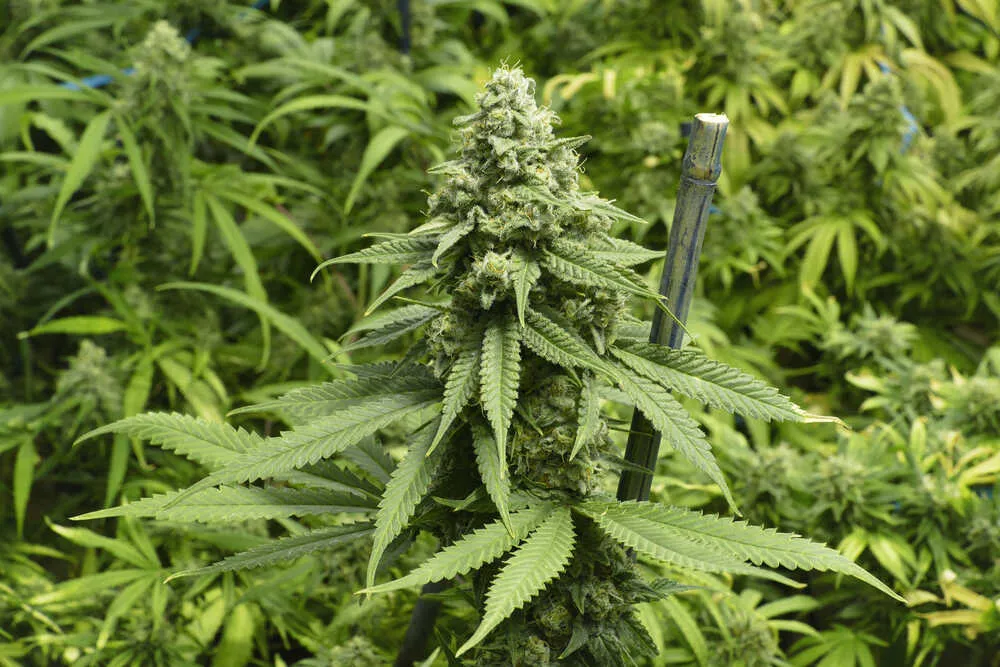
The Big Bud cannabis strain is a classic indica-dominant hybrid best known for producing large, dense flowers and strong yields. Its genetics are commonly linked to Afghani, Northern Lights and Skunk #1, which helps explain its compact growth, relatively fast flowering and heavy bud production.
For growers, Big Bud is appealing because it offers plenty of production potential without being especially difficult to manage. The main thing to watch is flower weight. As the colas bulk up, branches may need support, while good airflow and humidity control become more important late in flowering.
Big Bud Strain at a Glance
| Characteristic | Big Bud |
| Genetics | Afghani, Northern Lights and Skunk #1 |
| Strain Type | Indica-dominant hybrid |
| THC | Varies by phenotype and growing conditions |
| CBD | Generally low |
| Main Terpenes | Commonly includes pinene and myrcene |
| Flavor | Sweet, earthy, woody and spicy |
| Effects | Commonly relaxing and body-heavy |
| Flowering Time | Around 50–65 days |
| Indoor Height | Medium |
| Outdoor Height | Up to around 180–200 cm |
| Yield | High |
| Growing Difficulty | Easy to moderate |
Big Bud is commonly described as around 85% indica, although the exact ratio and plant characteristics can vary between breeder versions.
Big Bud Genetics, Origins and History
What Are the Genetics of Big Bud?
Big Bud is most commonly associated with Afghani, Northern Lights and Skunk #1.
These classic genetics give the strain many of its familiar traits, including an indica-dominant growth pattern, a relatively short flowering period and the ability to produce thick, heavy colas.
Because Big Bud has been around for several decades, not every version grows exactly the same. Some plants stay shorter and more compact, while others stretch a little more or develop stronger side branching. This is normal and reflects the different Big Bud lines that breeders have maintained over the years.
Who Created Big Bud?
Big Bud was first developed in the United States before its genetics reached the Netherlands during the 1980s. European breeders continued refining and preserving the strain, helping establish the Big Bud lines that growers still recognize today.
Because the strain has been bred and preserved by different breeders over a long period, you may see small differences in genetics, height, flowering time and yield between Big Bud seed lines.
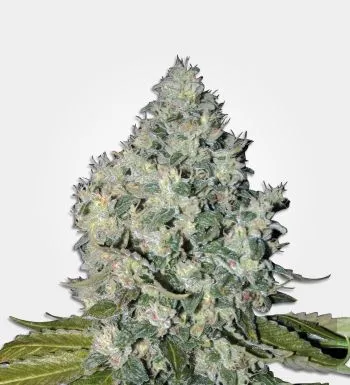
| THC % | Up to 18% |
|---|---|
| Flowering Time | 8-10 Weeks |
| Outdoor harvest | Early October |
| Yield | 500-600gr/m² |
| Indica/Sativa | Indica Dominant |
| Height | Tall: 180cm-220cm |
| Difficulty | Easy |
| CBD Content | <1% |
| Climate | Temperate, Warm |
| Seed Type | Feminized |
| Genetics | Afghani x Northern Lights x Skunk #1 |
| Effects | Calming, Relaxing |
| Taste | Skunky, Spicy, Sweet |
| Terpene | Beta-Caryophyllene, Limonene, Linalool, Myrcene, Pinene |
Big Bud THC, Terpenes, Flavor and Effects
How Strong Is Big Bud?
Big Bud's THC level varies between breeder versions, phenotypes, and growing conditions, so there is no single percentage that applies to every plant. Check the specifications for the genetics you are growing rather than relying on a general strain average.
CBD levels are typically low.
What Does Big Bud Smell and Taste Like?
Big Bud has a classic sweet, earthy, and woody flavor, often backed by spicy or skunky notes. Some phenotypes can also lean slightly fruity or develop a molasses-like sweetness.
Pinene and myrcene are commonly associated with the strain. Its aroma becomes noticeably stronger as the flowers mature, so indoor growers should plan for odor control.
What Are the Effects of Big Bud?
Big Bud is commonly described as relaxing and body-heavy, which fits its indica-dominant background.
Users often report calm, physical relaxation, with stronger amounts more likely to feel sleepy or sedating. Effects vary with potency, dose, and individual tolerance.
How to Grow Big Bud Cannabis
Big Bud is relatively easy to grow and suits newer growers with a basic understanding of cannabis cultivation. Its main challenge comes later in flowering, when the large colas can become heavy and dense.
Step-by-Step Guide to Growing Big Bud
1. Germinate Your Big Bud Seeds
Germinate your seeds in a warm, moist environment. Once a healthy taproot appears, carefully transfer the seed into your chosen growing medium without handling the root.
2. Establish a Healthy Seedling
Keep seedlings under gentle light and avoid overwatering. Look for steady new growth and healthy green leaves before moving into more active vegetative growth.
3. Build the Plant During Vegetative Growth
Allow the plant to develop several healthy nodes and side branches. A strong structure at this stage gives Big Bud a better foundation for supporting heavier flowers later.
4. Start Training Early
Big Bud responds well to topping and LST. Use these techniques to spread the canopy and create several well-lit flowering sites rather than relying on one dominant cola.
5. Add Support
Put stakes, soft ties, plant supports, or a SCROG net in place before the buds become heavy. Early support is much easier than trying to correct bent branches later.
6. Move Into Flowering
For indoor photoperiod plants, switch to a 12/12 light cycle when the plant has reached a suitable size. Leave some room for stretch during the first weeks of flowering.
7. Keep the Canopy Open
Remove weak lower growth and prevent branches from becoming overcrowded. An open canopy improves light penetration and helps air move around developing flowers.
8. Monitor the Flowers
As the colas bulk up, check that branches remain supported and buds are not packed tightly together.
9. Manage Late-Flower Humidity
Dense Big Bud flowers can hold moisture. Maintain good airflow and inspect larger colas regularly as harvest approaches.
10. Harvest at Maturity
Big Bud generally flowers for around 50–65 days, but individual plants can finish at different times. Judge maturity from the flowers rather than relying on the calendar alone.
Plant Structure, Height and Stretch
Big Bud typically develops a sturdy, indica-dominant structure with a strong main stem and productive side branches.
Some versions reach around 80–160 cm indoors, while outdoor plants can grow to roughly 180–200 cm. Moderate stretch can occur during early flowering.
Indoor vs Outdoor Growing
Big Bud performs well in both environments.
Indoors, its medium size makes it relatively easy to control. Outdoors, it prefers plenty of sun and a warm climate with enough time to finish before cold, wet fall weather arrives.
Flowering Time, Yield and Outdoor Harvest
Big Bud usually flowers in 50–65 days, or around seven to nine weeks.
Breeder figures can reach approximately 500–600 g/m² indoors, although actual results depend on the environment, plant size, and overall health.
Outdoor harvest in the Northern Hemisphere generally falls around mid- to late October.
Training Big Bud Plants
Big Bud works well with several common training methods:
- Topping for additional main branches
- LST for a wider canopy
- SCROG for canopy control and support
- Lollipopping for removing weak lower growth
- SOG for suitable smaller plants
For newer growers, LST and SCROG are usually the easiest ways to keep Big Bud organized and manageable.
Humidity, Airflow and Potential Growing Problems
Big Bud's dense flowers can trap moisture late in bloom. The main things to watch are high humidity, poor airflow, overcrowded growth, and branches bending under mature flowers.
With those areas under control, Big Bud is generally a straightforward strain to manage.
Big Bud Phenotypes and What Growers Should Expect
Big Bud can vary between phenotypes and breeder lines.
Some plants stay shorter with a dominant central cola, while others develop more side branching and a wider canopy. Flower density, aroma, height, and finishing time can also differ.
Use breeder specifications as a guide, but expect each plant to show some individual variation.
Conclusion
Big Bud is a classic indica-dominant strain that appeals to growers for its large flowers, strong yield potential, and relatively manageable growth.
For newer growers, the main focus should be on building a strong plant early, keeping the canopy open, and supporting branches before the buds become too heavy. With a stable environment and sensible training, Big Bud is a straightforward strain to grow and a good choice if you want to learn how to manage a productive photoperiod plant.
Big Bud FAQs
Is Big Bud indica or sativa?
Big Bud is an indica-dominant hybrid. Many versions are listed at around 85% indica, although the exact ratio can vary depending on the breeder and genetic line.
How long does Big Bud take to flower?
Big Bud usually flowers in around 50–65 days, or roughly seven to nine weeks. Some phenotypes may finish slightly earlier or later depending on the growing environment.
How tall does Big Bud grow?
Indoors, Big Bud often stays in the medium-height range, with some versions reaching around 80–160 cm. Outdoor plants can grow taller and may reach around 180–200 cm in suitable conditions.
Is Big Bud easy to grow?
Yes. Big Bud is generally considered easy to moderate to grow. The main things to manage are branch support, airflow, and humidity once the flowers become large and dense.
How much can Big Bud yield?
Big Bud is known for high yield potential. Some breeder figures reach around 500–600 g/m² indoors, while outdoor plants can produce more in the right conditions. Actual yields depend on lighting, plant size, training, and overall plant health.


