




Purple Haze is a classic sativa-dominant cannabis strain known for its sweet, earthy aroma, reported uplifting effects and distinctive Haze genetics. With a history closely connected to cannabis culture, it remains a popular choice for those interested in traditional strains. But is Purple Haze indica or sativa, how strong is it, and does it always produce purple flowers? This Purple Haze strain review explores its genetics, THC content, taste, effects and growing characteristics, helping you understand what makes it appealing and where it may fall short.
Key Takeaways
- Classic sativa genetics: Purple Haze is a sativa-dominant hybrid traditionally associated with Haze and Purple Thai.
- Reported uplifting effects: Commonly associated with energetic, creative and sociable experiences, although individual responses vary.
- Sweet, earthy aroma: Its distinctive profile combines herbal, woody and occasional fruity notes.
- Purple flowers aren't guaranteed: Pigmentation depends on genetics and environmental conditions, with some plants remaining mostly green.
- Relatively manageable to grow: Purple Haze has an advertised flowering period of 8–10 weeks, although its branching structure can require additional space.
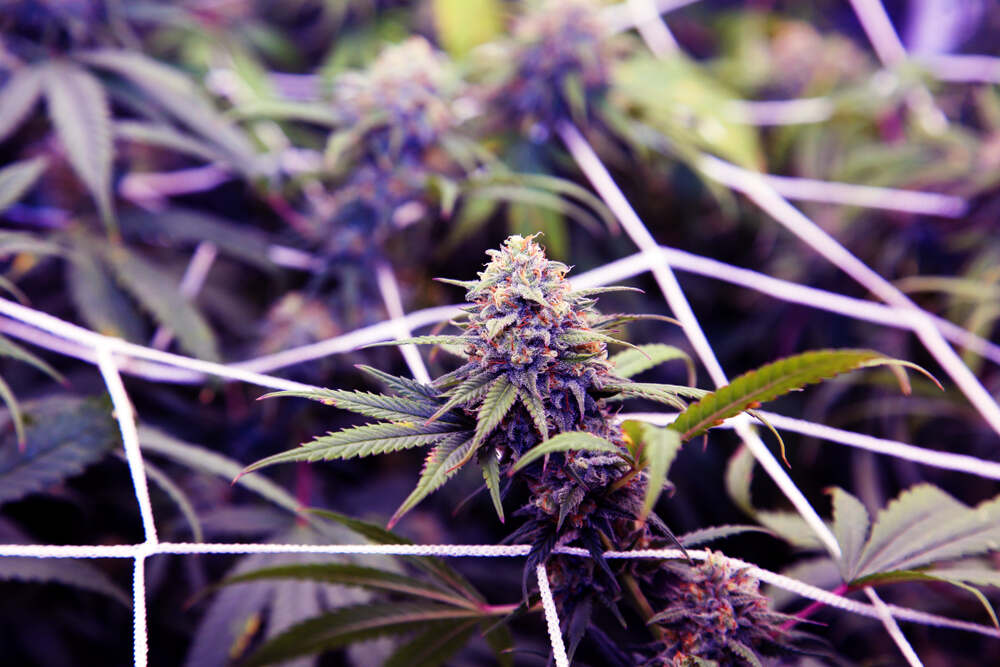
What is the Purple Haze Strain?
Purple Haze is a sativa-dominant hybrid traditionally associated with Haze and Purple Thai genetics. It belongs to a generation of cannabis varieties known for their tall branching structures, distinctive aromas and stimulating effects.
Its history is less certain than its reputation. Some accounts connect Purple Haze to early Haze varieties developed in California, while others suggest influences from Southeast Asian cannabis.
The name also became associated with Jimi Hendrix's 1967 song Purple Haze, although there is no reliable evidence that the song referred to this particular cannabis strain.
The genetics are worth examining rather than relying entirely on the name. Research by Reimann-Philipp et al. (2020) found considerable variation between commercially named cannabis varieties, demonstrating that strain names do not always represent consistent chemical profiles.
For those exploring traditional sativa cannabis strains, Purple Haze offers familiar Haze characteristics with a relatively manageable flowering period.
Purple Haze Strain Characteristics
Purple Haze is a sativa-dominant hybrid known for its Haze genetics, sweet earthy aroma and branching growth pattern. The following specifications describe the Purple Haze Feminized variety.
| Characteristic | Purple Haze |
| Genetics | Haze × Purple Thai |
| Strain type | Sativa-dominant hybrid |
| THC content | Up to 18% |
| CBD content | Less than 1% |
| Flowering period | 8–10 weeks |
| Plant height | 100–180 cm |
| Indoor yield | 400–500 g/m² |
| Outdoor harvest | Late October |
| Taste | Sweet, earthy, woody |
| Reported effects | Uplifting, energetic, creative |
| Growing difficulty | Easy to moderate |
These figures are advertised estimates rather than guaranteed results. Plant characteristics can vary depending on genetics and growing conditions.
{{block class="FishPigExtend\Wordpress\Block\Product\Related" sku="PH-F010"}}
Is Purple Haze Indica or Sativa?
Purple Haze is classified as a sativa-dominant hybrid, with growth characteristics commonly associated with Haze genetics.
Plants often produce narrow leaves, noticeable side branching and a relatively open structure. They can also develop more height than naturally compact indica-dominant varieties.
However, the distinction between indica and sativa does not reliably predict how cannabis will affect someone. THC concentration, terpene composition and individual sensitivity all contribute to the experience.
What Does Purple Haze Smell Like?
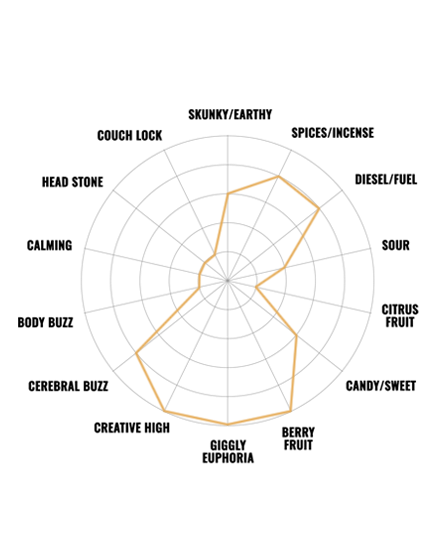
Purple Haze is known for a sweet, earthy aroma with herbal and woody undertones.
Some plants develop fruity notes resembling berries or grapes, while others have a sharper citrus or spicy scent. These differences can occur between individual phenotypes.
Myrcene, limonene, beta-caryophyllene and humulene are commonly associated with Purple Haze, although their presence and concentrations require laboratory confirmation.
The scent is appealing without necessarily being as sweet as some modern dessert-inspired varieties. Anyone expecting a strong grape aroma from every plant may find the variation disappointing.
What Does Purple Haze Taste Like?
Purple Haze typically has an earthy, slightly sweet taste with hints of wood and herbs.
Some consumers describe berry notes followed by a mild citrus or peppery finish. Others notice more of the traditional herbal character associated with Haze varieties.
Rather than delivering one dominant fruity taste, Purple Haze tends to combine several subtle notes.
The final experience can vary depending on the chemical profile of the flowers and how they have been processed and stored.
What Are the Effects of Purple Haze?
Purple Haze has a longstanding reputation for uplifting, energetic and mentally stimulating effects.
Consumers frequently describe feelings of euphoria, increased sociability and a greater interest in conversation or creative activities.
Unlike varieties commonly associated with heavy physical relaxation, Purple Haze is often described as producing a more alert experience.
However, these effects are not guaranteed.
Some individuals may experience anxiety, racing thoughts or difficulty relaxing, particularly when sensitive to THC. Dry mouth, dizziness and impaired coordination are also possible.
Purple Haze is sometimes associated with improved mood, but there is insufficient clinical evidence to establish it as a treatment for anxiety, depression or other medical conditions.
Its stimulating reputation may appeal to some consumers, while those who prefer a more relaxing experience may find other varieties better suited to their preferences.
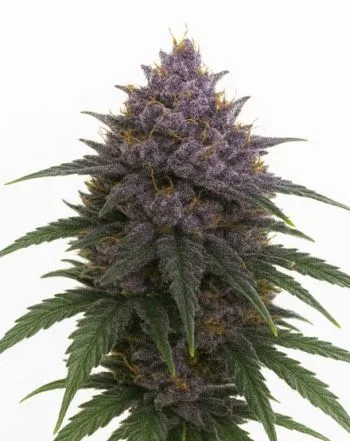
| THC % | Up to 18% |
|---|---|
| Flowering Time | 8–10 Weeks |
| Outdoor harvest | End Of October |
| Yield | 400–500 g/m² |
| Indica/Sativa | Sativa Dominant |
| Height | Medium: 100–180 cm |
| Difficulty | Easy |
| CBD Content | Less than 1% |
| Climate | Mediterranean, Mould Resistant, Temperate |
| Seed Type | Feminized |
| Genetics | Haze x Purple Thai |
| Effects | Creative, Energising, Uplifting |
| Taste | Earthy, Sweet, Woody |
| Terpene | Beta-Caryophyllene, Humulene, Limonene, Myrcene |
How Strong Is Purple Haze?
Purple Haze Feminized has an advertised THC concentration of up to 18%, placing it within a moderate-to-high potency range.
Although some contemporary varieties advertise considerably higher percentages, THC alone does not determine the strength of an individual's experience.
Tolerance, amount consumed and the overall chemical composition all matter.
Beginners should not assume Purple Haze produces mild effects simply because its advertised THC percentage is lower than some newer hybrids.
Why Does Purple Haze Turn Purple?
The purple appearance associated with Purple Haze comes from plant pigments called anthocyanins.
These naturally occurring compounds can produce red, blue and purple shades in plant tissues.
A scientific study by Bassolino et al. (2023) examined anthocyanin production in cannabis and identified how different pigments contribute to purple pigmentation.
Genetics are particularly important. Environmental conditions can influence pigment development, but purple flowers are never guaranteed.
Some Purple Haze plants remain mostly green, while others develop purple shades in their leaves or flowers.
This variation does not automatically indicate differences in THC strength or overall quality.
Our guide explaining why cannabis turns purple covers the subject in more detail.
Purple Haze Feminized vs Autoflower
Purple Haze is available in photoperiod and autoflowering versions.
The Purple Haze Autoflower variety combines Haze-related genetics with ruderalis influence, allowing flowering to begin according to plant maturity rather than changes in daylight hours.
Its main advantage is a shorter, more predictable growing cycle.
However, autoflowering plants offer less flexibility when early growth problems occur because their development follows a relatively fixed schedule.
The photoperiod version gives growers greater control over vegetative development.
Those comparing quicker-growing alternatives can also explore the wider range of autoflower seeds.
How to Grow Purple Haze Step by Step
Purple Haze is relatively easy to grow, although its sativa-dominant genetics can produce long branches and uneven growth. Plants typically reach 100–180 cm, making space management important, particularly indoors.
Step 1: Choose the Right Environment
Purple Haze can grow indoors or outdoors where cultivation is permitted. Its branching structure requires adequate space, while outdoor plants benefit from a suitable growing season with stable conditions.
Step 2: Establish Healthy Early Growth
During the vegetative stage, Purple Haze develops a central stem with several side branches. Monitor foliage, plant health and overall growth before considering changes to its structure.
Step 3: Manage Plant Height and Branching
Purple Haze can develop an uneven canopy as its branches grow at different rates. Understanding techniques such as low-stress training can help growers assess different approaches to plant structure and space management.
Step 4: Monitor Airflow and Plant Health
Check regularly for damaged leaves, pests and signs of excess moisture. Crowded foliage can restrict airflow, increasing the risk of fungal problems, particularly during flowering.
Step 5: Monitor Flowering Development
Purple Haze Feminized has an advertised flowering period of 8–10 weeks. Flowers gradually develop a sweet, earthy aroma and may show purple pigmentation, although this depends on the individual plant.
Step 6: Assess Plant Maturity
Flowering times are estimates, so avoid judging maturity by the calendar alone. Our cannabis flowering stage guide explains the changes that occur as flowers develop.
Purple Haze is a reasonable option for growers with some experience managing sativa-dominant plants. Its flowering period is relatively short for a Haze-influenced variety, although its branching structure can be less convenient in smaller indoor spaces.
Conclusion
Purple Haze remains an appealing choice for those interested in traditional sativa-dominant cannabis. Its sweet, earthy aroma, reported uplifting effects and Haze background give it a distinct character without relying on exceptionally high THC levels.
However, its stimulating reputation may not appeal to everyone, and purple flowers are never guaranteed. For those who appreciate classic genetics and a more mentally active experience, Purple Haze is worth considering.
Frequently Asked Questions About Purple Haze
Is Purple Haze an indica or sativa strain?
Purple Haze is a sativa-dominant hybrid traditionally associated with Haze and Purple Thai genetics. It is known for its branching structure and reported uplifting effects.
How strong is Purple Haze?
Purple Haze Feminized has an advertised THC content of up to 18%. Its effects can still feel strong, particularly for people with limited THC experience.
Does Purple Haze always turn purple?
No. Purple pigmentation depends on genetics and environmental conditions. Some plants develop noticeable purple shades, while others remain mostly green.
Is Purple Haze suitable for beginner growers?
Purple Haze is considered relatively easy to grow, although its height and side branching can require additional attention. Beginners with limited space may find compact varieties easier to manage.
How long does Purple Haze take to flower?
Purple Haze Feminized typically has an advertised flowering period of 8–10 weeks. Actual flowering time can vary depending on the individual plant and growing environment.
References
- Reimann-Philipp, U., et al. (2020). Cannabis Chemovar Nomenclature Misrepresents Chemical and Genetic Diversity. Cannabis and Cannabinoid Research, 5(3), 215–230. https://doi.org/10.1089/can.2018.0063
- Bassolino, L., et al. (2023). When Cannabis sativa L. Turns Purple: Biosynthesis and Accumulation of Anthocyanins. Antioxidants, 12(7), 1393. https://doi.org/10.3390/antiox12071393

