




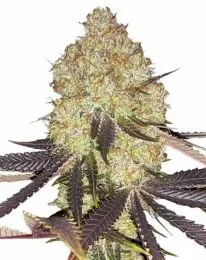
The Biscotti strain is an indica-dominant cannabis hybrid created from Gelato and South Florida OG, combining high THC potential with dense, resin-coated flowers and a fruity, nutty and spicy flavor. Our Biscotti cannabis is 80% indica and 20% sativa, can reach up to 30% THC and has an 8–10 week flowering period. For growers, Biscotti weed is also relatively easy to manage, reaching around 100–180 cm and responding well to topping, LST and SCROG. In this Biscotti strain review, you'll learn about its genetics, potency, terpenes, effects and how to grow it from the vegetative stage through harvest.
Key Takeaways
- Biscotti is 80% indica and 20% sativa, created from Gelato × South Florida OG genetics.
- THC can reach up to 30%, while CBD remains below 1%.
- Plants generally reach 100–180 cm, making Biscotti manageable in many indoor grow spaces.
- Flowering takes around 8–10 weeks, with indoor yields potentially reaching 500–600 g/m² under stable conditions.
- Biscotti is easy to grow and responds well to topping, LST and SCROG, with airflow and humidity becoming more important as its dense buds develop.

What is the Biscotti Strain?
Biscotti is an 80% indica and 20% sativa hybrid created from Gelato and South Florida OG. This pairing gives the plant its combination of compact hybrid growth, heavy resin production and sweet, earthy flavors.
Our Biscotti Feminized Seeds can reach up to 30% THC under suitable conditions, placing the strain among our high THC seeds. Its indica-heavy genetics also make it a natural fit alongside other Indica seeds.
From a growing perspective, Biscotti is approachable. It reaches around 100–180 cm, flowers in 8–10 weeks and produces thick buds that develop a generous coating of trichomes.
Biscotti Genetics and Origins
What Are the Genetics of Biscotti?
Our Biscotti combines Gelato × South Florida OG.
Gelato contributes the sweeter side of the cross along with its reputation for high cannabinoid production and resin-heavy flowers. South Florida OG brings the stronger OG influence, adding earthy, spicy and fuel-like characteristics while also contributing to the strain's indica-dominant growth.
If you already know Gelato Feminized, you may recognize some similarities in Biscotti's flower density, trichome coverage and sweeter aroma. The South Florida OG side shifts that profile toward a nuttier, spicier finish.
Who Created Biscotti?
Biscotti originated from the US cannabis breeding scene and became known through the pairing of Gelato and South Florida OG genetics.
Today, different seed producers may offer their own selections under the Biscotti name, so specifications can vary. Throughout this review, cultivation figures refer to the Our Biscotti Feminized version rather than every strain sold elsewhere under the same name.
Biscotti Strain at a Glance
| Trait | MSNL Biscotti |
| Genetics | Gelato × South Florida OG |
| Strain type | 80% indica / 20% sativa |
| Seed type | Feminized photoperiod |
| THC | Up to 30% |
| CBD | Less than 1% |
| Main terpenes | Beta-caryophyllene, limonene, myrcene |
| Flavor | Fruity, nutty, spicy |
| Flowering time | 8–10 weeks |
| Height | 100–180 cm |
| Indoor yield | 500–600 g/m² |
| Outdoor harvest | October |
| Difficulty | Easy |
| Preferred climate | Warm, Mediterranean |
Biscotti is available as part of Our's wider range of feminized cannabis seeds, giving you female-focused genetics without the need to identify and remove regular male plants.
Biscotti THC, Terpenes, Flavor and Effects
How Strong Is Biscotti?
Biscotti is a potent strain, with Our genetics capable of reaching up to 30% THC. CBD remains below 1%, so this is very much a THC-focused cultivar.
That 30% figure is a potential rather than a guaranteed result. Final cannabinoid levels depend on phenotype, lighting, plant health, environmental stability and harvest timing.
If you are new to high-THC cannabis, Biscotti deserves some respect. Start cautiously rather than finding out the hard way why "just one more" was a bad idea.
Biscotti Terpenes, Aroma and Flavor
The main terpenes associated with Biscotti are beta-caryophyllene, limonene and myrcene.
Together, they contribute to a profile that can include:
- Sweet fruit
- Nuts
- Pepper and spice
- Earthy undertones
- Light citrus
- Gas or fuel
During flowering, the aroma becomes much stronger as trichome production increases. If you grow indoors and odor matters, plan your ventilation and carbon filtration before plants enter full bloom rather than trying to control the smell afterward.
What Are the Effects of Biscotti?
Biscotti is commonly associated with a strong combination of cerebral and body effects. Users often describe an initial uplift followed by a heavier sense of physical relaxation.
Commonly reported effects include:
- Euphoria
- Relaxation
- Happiness
- A cerebral lift
- Heavier body effects as the experience develops
Your response will depend on THC content, tolerance and the amount consumed. With a strain capable of reaching high THC levels, beginners should approach it conservatively.

How to Grow Biscotti Strain
Biscotti is an easy strain to grow if you already understand the basics of photoperiod cannabis. Plants generally reach 100–180 cm, respond well to training and can produce around 500–600 g/m² indoors under stable conditions.
The best approach is to shape the plant early, maintain an open canopy and pay closer attention to airflow and humidity as the flowers become denser.
Step 1: Give Biscotti Enough Space to Develop
Biscotti grows into a medium-sized plant with enough lateral branching to create a productive canopy.
Avoid placing plants too close together. Giving the branches room to spread makes training easier and prevents the center of the canopy from becoming unnecessarily crowded.
Indoors, its manageable height makes Biscotti a good option if you are looking at indoor cannabis seeds but do not want a plant that becomes excessively tall.
Step 2: Shape the Plant During Vegetative Growth
Use the vegetative stage to establish the structure you want before flowering begins.
Biscotti works well with several common training methods:
- Topping to encourage multiple main branches
- LST to spread branches horizontally
- SCROG to create a wider, more even canopy
- Selective pruning to remove weak or poorly positioned lower growth
I prefer to complete most structural work during veg. This gives the plant time to recover and lets you enter flowering with the main branches already positioned where you want them.
Step 3: Keep the Canopy Open
As Biscotti develops, prevent the center of the plant from becoming too dense.
You want light to reach productive flowering sites while leaving enough space between branches for air to circulate. This becomes increasingly important once the buds begin gaining size and density.
Remove weak interior growth where necessary rather than allowing foliage and small branches to fill every available space.
Step 4: Switch Biscotti Into Flowering
Biscotti is a photoperiod cultivar, so indoor flowering begins when you change the light cycle. It sits alongside other photoperiod seeds that rely on a change in day length to begin flowering.
Biscotti typically flowers for around 8–10 weeks.
Once flowering starts, avoid repeatedly restructuring the plant. Your focus should shift toward maintaining the canopy, keeping the environment stable and supporting developing flowers.
Step 5: Maintain Stable Conditions During Flowering
Biscotti can produce around 500–600 g/m² indoors under suitable conditions, although final yield depends on the quality of the grow.
Important factors include:
- Light intensity and coverage
- Available root space
- Vegetative growth time
- Canopy management
- Nutrition
- Temperature and humidity
- Overall plant health
No single factor guarantees a heavier harvest. Good results come from keeping the plant healthy and the growing environment consistent throughout the cycle.
Step 6: Increase Airflow as the Buds Develop
Biscotti produces increasingly dense flowers as harvest approaches, so airflow becomes more important during the second half of bloom.
Indoors, I prefer air movement both across and underneath the canopy instead of directing one powerful fan at the tops of the plants.
The aim is to keep air moving around developing buds without constantly blasting the leaves and flowers.
Humidity also deserves closer attention at this stage because dense flower clusters can hold moisture when the canopy becomes too crowded.
Step 7: Support Heavy Branches Where Needed
Watch the main branches as Biscotti begins putting on flower weight.
If stems start bending or struggling to hold their position, provide support rather than leaving them under unnecessary strain. A SCROG net or other basic plant support can also help keep heavily flowering branches in place.
This is particularly useful when you have created a wide canopy during veg.
Step 8: Manage Biscotti Outdoors
Biscotti prefers warm, Mediterranean-style conditions and can also be grown outdoors where the season is long enough for the flowers to finish properly.
Our Biscotti is expected to reach outdoor harvest around October.
As harvest approaches, watch the weather carefully. Prolonged rain combined with dense flowers can leave moisture trapped inside the canopy, so good spacing and natural airflow become especially useful late in the season.
Step 9: Watch for Phenotype Differences
Individual Biscotti plants can show slight differences even when grown from feminized seed.
You may notice variation in:
- Height
- Branching
- Flower structure
- Aroma
- Resin production
- Flowering speed
Some plants may lean toward the sweeter Gelato side of the genetics, while others show more earthy, spicy or OG-influenced characteristics.
I would keep an eye on each plant individually rather than assuming every Biscotti will develop at exactly the same rate.
Step 10: Prepare for the Final Weeks of Flowering
During late flowering, concentrate on maintaining the conditions you have already established rather than making major changes.
Pay particular attention to:
- Keeping the canopy from becoming overcrowded
- Maintaining airflow around dense buds
- Monitoring humidity
- Supporting branches carrying heavier flowers
- Managing the increasingly strong flowering aroma
Biscotti does not require complicated cultivation methods. If you establish a well-spaced canopy during veg and keep the environment stable through its 8–10 week flowering period, the plant is relatively straightforward to manage through to harvest.
Is Biscotti Easy to Grow?
Yes. Biscotti is an easy strain to grow, making it accessible to newer growers while still offering enough yield and potency to interest experienced cultivators.
Its medium height is manageable, its 8–10 week flowering period is straightforward for a photoperiod strain, and it responds well to common training methods.
The main job is to keep the canopy organized as the flowers become denser. Give branches space, maintain steady airflow and monitor humidity during late bloom. Do those basics well and Biscotti does not require complicated cultivation techniques.
Biscotti Strain FAQs
Is Biscotti strain indica or sativa?
Biscotti is an indica-dominant hybrid. Our Biscotti is approximately 80% indica and 20% sativa, created by crossing Gelato with South Florida OG.
How tall does Biscotti strain grow?
Biscotti generally reaches around 100–180 cm. Final height depends on veg time, container size, lighting, training and whether you grow indoors or outdoors.
How long does Biscotti take to flower?
Biscotti has an 8–10 week flowering period. As a photoperiod strain, indoor flowering starts after the light cycle is changed to provide longer periods of uninterrupted darkness.
Is Biscotti easy to grow?
Yes. Biscotti is considered an easy strain to cultivate. Its manageable height and response to training make it suitable for growers who understand basic watering, feeding, lighting and environmental control.
How much does Biscotti yield?
Our Biscotti can produce approximately 500–600 g/m² indoors under stable conditions. Actual yield depends on lighting, plant health, veg time, root space, training and the overall growing environment.
Conclusion
The Biscotti strain combines Gelato and South Florida OG into an indica-dominant plant with high THC potential, dense resin production and a sweet, nutty and spicy flavor profile. For growers, its biggest strengths are its manageable 100–180 cm height, 8–10 week flowering period and potential indoor yields of 500–600 g/m².
You do not need advanced training techniques to grow Biscotti well. Build an open canopy during veg, provide strong light, maintain steady airflow and keep humidity under control as the buds gain weight. With those fundamentals in place, Biscotti is a straightforward way to grow potent, resin-heavy indica-dominant genetics.


