





Zinc isn’t typically the first nutrient most cannabis growers think about, but when your plant starts showing signs of twisted, stunted, or pale new growth, it’s a nutrient you’ll want to pay attention to.
Zinc is a micronutrient, which means plants only need a small amount of it, but if that small bit is missing, it can cause big problems. Thankfully, a zinc deficiency is relatively easy to spot, and with a little boost of zinc, your plant can start bouncing back in as little as a week or two.
- What is zinc and why is it important for cannabis plants?
- How to Identify Zinc Deficiency in Cannabis Plants
- Common Causes of Zinc Deficiency in Cannabis
- How to Fix Zinc Deficiency in Cannabis
- Quick Diagnosis: Is This Zinc Deficiency?
- How to Prevent Zinc Deficiency in Future Grows
- FAQ: Zinc Deficiency in Cannabis
What is zinc and why is it important for cannabis plants?
Zinc is a key micronutrient that plays a big role in your cannabis plant’s growth and development, even though it’s needed in small amounts. Here’s why zinc is so essential:
- Supports enzyme activity: Zinc activates enzymes needed for chlorophyll production, protein synthesis, and overall leaf health.
- Root and shoot growth: Zinc helps with the development of strong roots, good branch structure, and healthy fan leaves.
- Hormone regulation: It produces auxins, which are plant hormones that control how the plant grows — including node spacing, branching, and stretching.
Without enough zinc, the plant can struggle with both structural development and overall health, leaving it vulnerable to other problems down the road.
How to Identify Zinc Deficiency in Cannabis Plants
Zinc deficiency tends to show up in your plant's newest growth, and it’s usually easy to spot once you know what to look for. Here’s how to identify it:
Early Signs of Zinc Deficiency
- Slowed growth: New growth will slow down, and the top leaves might start to look narrower or curled.
- Tight, distorted top growth: New shoots might bunch up or become distorted instead of spreading out evenly. This is a classic sign that you have a zinc issue, but it can often be overlooked, especially by newer growers.
Visual Symptoms on New Growth and Leaves
- Yellowing between veins: The first sign of a zinc deficiency is typically yellowing between the veins of the newest leaves. The veins will remain a darker green, making the yellowing stand out even more.
- Brittle or crispy edges: As the deficiency progresses, the edges of the leaves can become crispy or brittle.
- Weak, thin leaves: Leaves affected by a zinc deficiency will often feel thinner, limp, and fragile compared to healthy leaves. They’ll be softer and can tear easily.
At this stage, you might mistake zinc deficiency for other nutrient problems, like magnesium or iron deficiencies, but zinc’s effects tend to be most noticeable in the upper canopy of the plant, while magnesium or iron deficiencies tend to hit the lower leaves first.
Common Causes of Zinc Deficiency in Cannabis
Most of the time, your plant has plenty of zinc in the growing medium, but it can’t access it due to environmental factors. Let’s take a look at some of the main causes:
1. Incorrect pH Levels (Nutrient Lockout)
If the pH is off, your plant can’t absorb zinc properly — even if it’s available in the soil. Nutrient lockout happens when the pH is too high or low, preventing the plant from accessing the nutrients it needs.
- Soil pH: Optimal pH for zinc uptake is 6.0–6.7
- Hydroponics or Coco Coir: pH should be between 5.8–6.2
If your pH is too high or low, you’ll need to flush the system and adjust the pH back into the right range.
2. Overwatering and Poor Drainage
When roots stay too wet, they struggle to absorb nutrients like zinc. Ensure your pots have good drainage and the root zone has enough oxygen. If your soil is dense or you're watering too frequently, your plant won’t be able to access the zinc it needs.
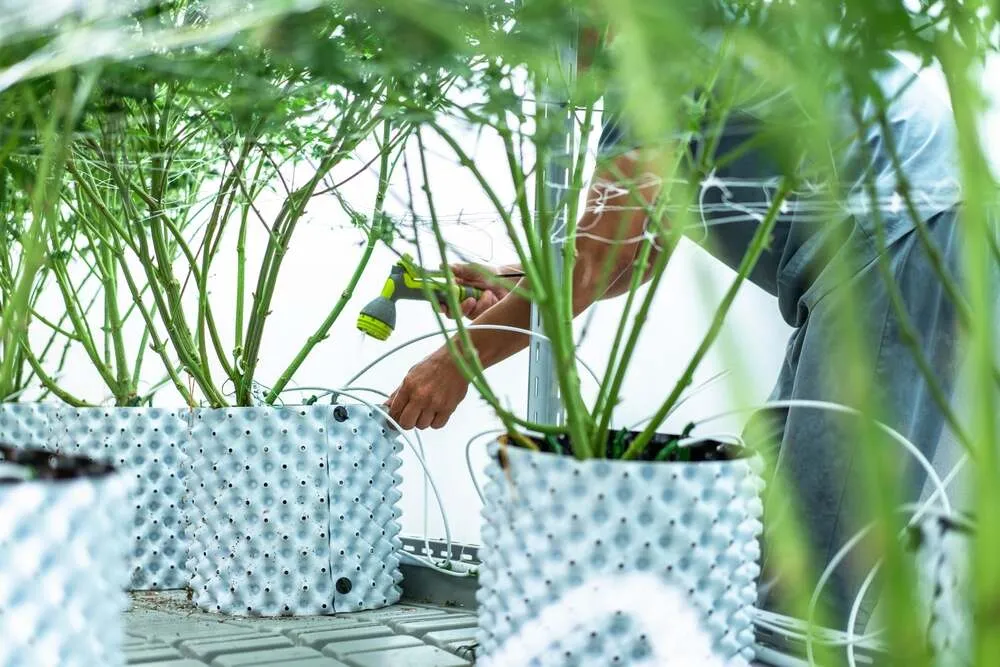
Tip: Consider using fabric pots or air pots for better root zone oxygenation. These pots help prevent overwatering and improve drainage.
3. Excessive Phosphorus or Other Nutrient Imbalances
Zinc competes with other nutrients, especially phosphorus, for absorption. If you’ve been using bloom boosters too early or too often, or if you’ve overloaded your plant with other micronutrients (like calcium or iron), zinc uptake can be blocked.
If you think phosphorus might be a problem, consider cutting back on bloom boosters or simplifying your nutrient mix.
How to Fix Zinc Deficiency in Cannabis
The good news is, fixing a zinc deficiency is usually pretty simple. Here’s how to get your plant back on track:
1. Adjust pH Levels
The first thing you need to do is adjust the pH to the optimal range for your growing medium.
- Soil: pH 6.0–6.7
- Hydroponics/Coco Coir: pH 5.8–6.2
Once you’ve fixed the pH, zinc will become available again, and you should see recovery in 3–7 days.
Tip: If you’re growing in soil, always test the runoff water to check the pH at the root zone. If it’s too acidic or alkaline, flush with pH-adjusted water to bring it back into range.
2. Use Zinc Supplements or Foliar Spray
If the pH is correct, but your plant still isn’t absorbing enough zinc, you may need to supplement. Here’s how:
- Chelated Zinc: Mix a chelated zinc supplement into your nutrient solution or water.
- Foliar Spray: Apply a zinc foliar spray during the lights-off period. This allows the plant to absorb zinc through the leaves.
Don’t overdo it. A little zinc goes a long way. Always follow the product’s instructions, and use half-strength the first time if you're unsure.
3. Improve Soil or Medium Quality
To prevent future issues, make sure your soil or growing medium is properly draining and provides good oxygenation for the roots.
- Hydro/Coco: Regularly flush the medium with pH-adjusted water.
- Soil: Use compost, worm castings, or other microbe-rich additives to ensure healthy soil biology and mineral cycling.
Quick Diagnosis: Is This Zinc Deficiency?
Use this checklist to quickly confirm if your cannabis plant has a zinc deficiency:
- Twisted or gnarled new leaves
- Yellowing between leaf veins (especially on new growth)
- Thinner, limp, fragile leaves
- Brittle edges and curling leaves
- Slowed growth or stunted top canopy
If your plant shows most of these symptoms, it’s likely suffering from a zinc deficiency.
How to Prevent Zinc Deficiency in Future Grows
Once you’ve dealt with a zinc deficiency, you don’t want it to happen again. Here’s how to avoid it:
- Check pH regularly: Especially important for hydroponic and coco coir growers.
- Balance your nutrient schedule: Avoid overfeeding bloom boosters or stacking too many additives.
- Improve drainage: Ensure your pots drain well, and let your medium dry out between waterings.
- Use a quality growing medium: A good cannabis-specific soil mix will help prevent deficiencies.

FAQ: Zinc Deficiency in Cannabis
How long does it take for a cannabis plant to recover from zinc deficiency?
It usually takes about 1 week for new growth to start improving, but the yellowed leaves won’t turn green again.
Can I fix zinc deficiency with organic fertilizers?
Yes! Organic options like fish meal, fish emulsion, or seaweed extract can help supply zinc naturally.
What causes zinc deficiency in cannabis?
Zinc deficiency is often caused by pH imbalances, overwatering, high phosphorus, or poor root zone oxygenation.
Should I remove the affected leaves?
It’s best to wait until the plant recovers. Even if the leaves don’t go back to normal, they won’t harm the plant.


