




Zinc deficiency in cannabis can quickly affect healthy new growth, but the symptoms are easy to confuse with other nutrient problems. Pale or yellow young leaves, distorted growth, shortened internodes, and a stunted upper canopy can all point toward poor zinc availability.
However, a cannabis zinc deficiency does not always mean the plant needs more zinc. Incorrect root-zone pH, overwatering, poor drainage, and nutrient imbalances can prevent the roots from absorbing zinc that is already present in the growing medium.
In this guide, you'll learn how to recognize the early signs of zinc deficiency, identify the most likely cause, distinguish it from similar cannabis deficiencies, and correct the problem step by step. You'll also learn how to maintain healthier root-zone conditions and prevent zinc deficiency from returning.
Key Takeaways
- Zinc deficiency usually appears in new growth first. Look for interveinal yellowing, distorted young leaves, shortened internodes, and slowed development around the growing tips.
- Incorrect pH is one of the first things to check. Zinc can become difficult for cannabis roots to absorb when root-zone pH falls outside the appropriate range, even when zinc is already present.
- Do not diagnose zinc deficiency from yellow leaves alone. Iron, magnesium, manganese, watering problems, and root stress can produce similar symptoms, so use the location and pattern of the damage to narrow down the cause.
- Correct the growing conditions before adding more zinc. Check pH, watering, drainage, and the feeding program first. Supplementation should only be considered once poor nutrient uptake has been ruled out or corrected.
- Judge recovery by healthy new growth. Existing damaged leaves may remain yellow or distorted, while fresh leaves should begin developing with better colour, shape, and internodal spacing once the underlying problem is resolved.

What is Zinc Deficiency in Cannabis?
Zinc deficiency in cannabis occurs when a plant cannot access enough zinc to support healthy new growth. Zinc is an essential micronutrient, meaning cannabis plants only need it in small amounts. Understanding the wider range of cannabis nutrient deficiencies can also help growers recognize when zinc is responsible rather than another essential nutrient.
Zinc supports enzyme activity involved in chlorophyll production and protein synthesis, while also contributing to healthy root, shoot, and leaf development. It is also involved in the production and regulation of auxins, plant hormones that influence branching, stretching, and the spacing between nodes.
When zinc becomes unavailable, the effects are usually most noticeable around the newest leaves and growing tips. Developing foliage may become pale, yellow between the veins, narrower than normal, or distorted. New growth can also slow considerably, causing the upper part of the plant to appear compact or stunted.
Importantly, cannabis zinc deficiency does not always mean there is too little zinc in the growing medium. In many cases, zinc is already present but the roots are unable to absorb it effectively. Incorrect pH, poor root-zone conditions, overwatering, and nutrient imbalances can all interfere with uptake.
This distinction matters because immediately adding more zinc may not address the underlying problem. Before changing the nutrient program, growers should first establish whether the plant is genuinely lacking zinc or whether environmental conditions are preventing normal uptake.
| Role of zinc | Why it matters to cannabis |
| Enzyme activity | Supports processes involved in normal plant growth |
| Chlorophyll production | Contributes to healthy leaf development |
| Protein synthesis | Supports the formation and development of new plant tissue |
| Root and shoot growth | Helps maintain healthy roots, branches, and leaves |
| Auxin regulation | Influences branching, stretching, and internodal development |
Grower Tip: If new leaves are yellowing or becoming distorted, do not immediately increase zinc. Check the root-zone pH and overall growing conditions first. Correcting an uptake problem is often more important than adding another supplement.
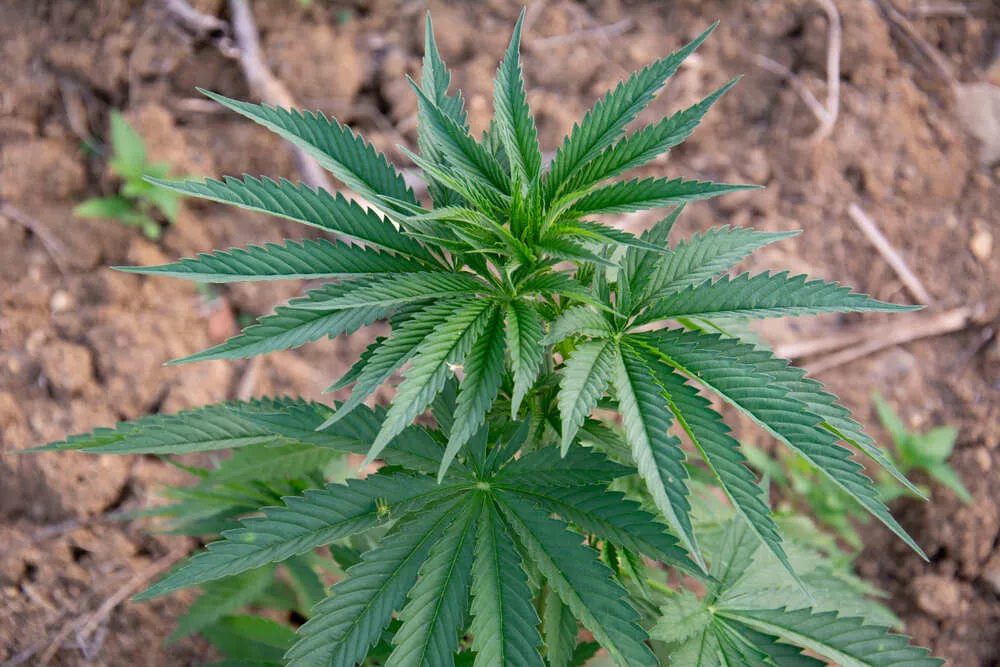
What Causes Zinc Deficiency in Cannabis?
Zinc deficiency in cannabis is often caused by poor nutrient availability rather than a complete lack of zinc in the growing medium. In many cases, the plant already has access to a nutrient program that contains zinc, but conditions around the roots prevent normal uptake. The most common problems are incorrect pH, overwatering, poor drainage, cold root-zone conditions, and nutrient imbalance.
Incorrect root-zone pH
Root-zone pH has a major influence on how easily cannabis plants can absorb micronutrients. When pH moves too far outside the appropriate range, zinc can become less available even when it is present in the soil or nutrient solution. This is commonly referred to as nutrient lockout.
For cannabis grown in soil, a pH of around 6.0-6.7 is generally suitable for zinc uptake. In hydroponic systems and coco coir, growers typically aim for around 5.8-6.2. It identifies incorrect pH as the main cause of zinc uptake problems and recommends checking the root zone with a digital pH meter.
Small fluctuations are normal, so the goal is not to constantly adjust pH after every minor change. The bigger concern is a root zone that remains consistently outside the correct range.
Overwatering and poor drainage
Roots need oxygen as well as moisture. When the growing medium stays saturated for too long, the amount of oxygen available around the roots falls and nutrient uptake becomes less efficient.
Heavy soil, compacted growing media, poor drainage, and watering too frequently can all contribute to this problem. It correctly notes that persistently wet roots can reduce zinc uptake and recommends improving drainage and root-zone aeration.
Cold and waterlogged root zones can make the problem worse because root activity slows further under unfavorable conditions.
Nutrient imbalance and excessive phosphorus
Zinc availability can also be affected by an unbalanced feeding program. Excessive phosphorus is particularly relevant, especially when growers use strong bloom boosters or combine several additives. Following the correct cannabis NPK ratio for each growth stage can help prevent unnecessarily high phosphorus inputs.
It identifies high phosphorus and excessive nutrient inputs as possible contributors to poor zinc uptake.
It is more accurate to say that excess phosphorus can interfere with zinc nutrition, rather than simply saying the two nutrients compete directly for absorption. This is why a grower should review the full feeding schedule before adding more zinc.
Incomplete micronutrient nutrition
Cannabis plants only require trace amounts of zinc, but those small amounts still need to be supplied consistently. Growers using reverse-osmosis or heavily filtered water should make sure their base nutrient provides a complete micronutrient profile, as much of the naturally occurring mineral content has been removed from the source water.
A depleted or poorly balanced growing medium can create a similar problem, particularly when soil has been reused repeatedly without being properly amended.
| Common cause | How it can affect zinc uptake | What growers should check |
| Incorrect pH | Makes zinc less available to the roots | Root-zone pH |
| Overwatering | Reduces oxygen around the roots | Watering frequency and moisture |
| Poor drainage | Keeps the root zone saturated | Pot drainage and medium structure |
| Cold root zone | Slows root and nutrient activity | Root-zone temperature |
| Excess phosphorus | Can interfere with zinc nutrition | Bloom boosters and feed strength |
| Incomplete nutrition | May provide insufficient micronutrients | Base nutrient and water source |
| Depleted growing medium | Reduces nutrient availability | Soil quality and amendments |
Grower Tip: When zinc deficiency appears suddenly, think about what changed before the symptoms started. A stronger feed, a new bloom additive, repeated heavy watering, or a noticeable pH drift can often point to the cause faster than the leaf damage itself.
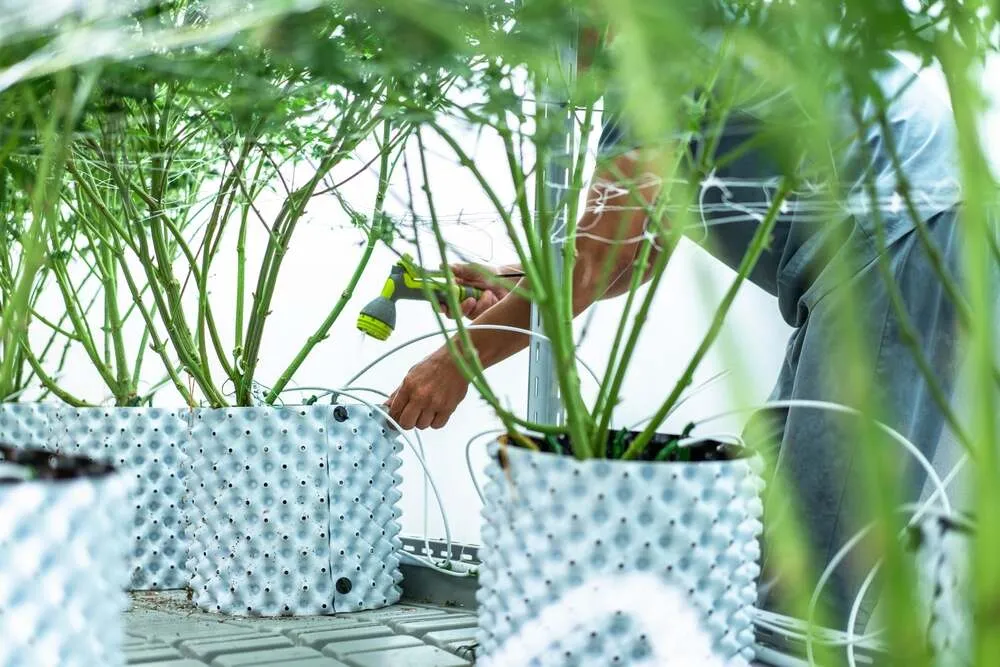
How Do You Identify Zinc Deficiency in Cannabis?
Identifying zinc deficiency in cannabis is easier when you inspect the plant in a set order. Instead of diagnosing the problem from one yellow or damaged leaf, work from the location of the symptoms to the type of leaf damage, then check the root zone for a likely cause.
Step 1: Check where the symptoms are appearing
Start with the newest leaves and growing tips at the top of the plant.
Zinc deficiency usually affects new growth first. Early signs include slower development, narrower leaves, curling, and distorted shoots.
If the damage is concentrated mainly on old or lower leaves, zinc deficiency becomes less likely and another nutrient problem may be responsible.
Step 2: Look for yellowing between the veins
Next, inspect the colour of the newest leaves.
A common sign of cannabis zinc deficiency is interveinal chlorosis. This means the tissue between the veins begins turning pale or yellow while the veins remain noticeably darker green.
For a new grower, the easiest way to identify this is to compare an affected leaf with a healthy one nearby. Healthy new foliage should develop an even green colour, while zinc-deficient leaves may show a clear yellow-and-green pattern.
Step 3: Inspect the shape of new leaves
Do not rely on yellowing alone. Zinc deficiency often changes the shape and development of new foliage as well.
Look for young leaves that are:
- Narrower than normal
- Curled at the edges
- Twisted or misshapen
- Thin or fragile
- Developing unevenly
It identifies tight, distorted top growth as a characteristic symptom of zinc deficiency.
Seeing both yellowing and distorted new leaves provides a stronger indication than either symptom by itself.
Step 4: Check the spacing between new nodes
Now look at the stem directly beneath the affected growing tip.
Internodes are the sections of stem between one node and the next. On a healthy cannabis plant, new nodes should continue forming with normal spacing as the shoot develops.
With zinc deficiency, that spacing can become unusually short. Several nodes and small leaves may begin forming close together, giving the growing tip a compressed or bunched appearance.
This is an important clue because stunted growth in cannabis, combined with shortened internodes and distorted young leaves, is more characteristic of zinc deficiency than simple yellowing alone.
Step 5: Look for signs of advanced leaf damage
If the deficiency has progressed, inspect the edges and texture of the affected leaves.
More developed symptoms can include:
- Brittle or crispy leaf margins
- Curling around the edges
- Thin, weak foliage
- Increasingly distorted new leaves
- Slowed or stunted growth at the top of the plant
The diagnostic checklist similarly identifies twisted leaves, interveinal yellowing, fragile foliage, brittle edges, curling, and stunted top growth.
Severe leaf damage in cannabis does not necessarily mean the problem has only just appeared. By the time leaves become dry or brittle, zinc uptake may have been restricted for some time.
Step 6: Rule out similar nutrient deficiencies
Yellow leaves in cannabis can have several causes, so compare the complete symptom pattern before treating the plant.
| Nutrient problem | Where symptoms usually begin | Key clues |
| Zinc deficiency | New growth | Yellowing between veins, distorted leaves, shortened internodes, bunched top growth |
| Iron deficiency | New growth | Strong interveinal yellowing without the same degree of shortened internodes |
| Magnesium deficiency | Older, lower leaves | Interveinal yellowing beginning on mature foliage |
| Manganese deficiency | Newer growth | Interveinal yellowing that may develop small spots or speckling |
Iron deficiency deserves particular attention because it can also affect young leaves. Do not separate zinc and iron based only on where the symptoms appear. Instead, look for the small distorted leaves, shortened internodes, and compressed new growth that make zinc deficiency more likely.
Step 7: Check the root zone before confirming zinc deficiency
Finally, look for a reason why the plant may not be absorbing zinc properly.
Check:
- Root-zone pH
- How long the medium stays wet
- Drainage and root-zone aeration
- Recent changes to fertiliser strength
- New bloom boosters or additives
- Any major changes to the feeding schedule
The diagnosis becomes much stronger when typical leaf symptoms appear alongside a condition known to restrict nutrient uptake.
Quick Zinc Deficiency Checklist
Zinc deficiency is more likely when several of these signs appear together:
- Symptoms begin on the newest growth
- Young leaves turn yellow between darker veins
- New leaves become narrow, twisted, or misshapen
- Internodal spacing becomes shorter
- The growing tip appears tightly bunched
- Leaf edges become brittle or curled
- Upper growth slows or becomes stunted
- A pH, watering, or nutrient issue is present
Grower Tip: Do not diagnose zinc deficiency from one damaged leaf. Check the newest two or three sets of leaves, compare them with healthy growth, then inspect the root zone. The combination of new-growth chlorosis, distorted leaves, shortened internodes, and a likely uptake problem provides a much stronger diagnosis.

How Do You Fix and Prevent Zinc Deficiency in Cannabis?
Once you have identified the symptoms, the next step is to find out why the plant cannot access enough zinc. Do not immediately reach for a zinc supplement. In many cases, zinc is already present in the growing medium, but incorrect pH, overwatering, poor root health, or an unbalanced feeding program is preventing normal uptake.
Work through the following steps in order. This helps you correct the cause rather than simply treating the visible leaf damage.
Step 1: Check the root-zone pH
Start by measuring the pH with a calibrated digital pH meter. Incorrect pH is one of the most common reasons cannabis plants struggle to absorb zinc, even when the nutrient is already available.
Aim for approximately:
- Soil: pH 6.0–6.7
- Coco or hydroponics: pH 5.8–6.2
These are working ranges rather than exact numbers you need to hit every time. Small fluctuations are normal. The main concern is a root zone that remains consistently outside the appropriate range.
If the pH is incorrect, adjust it gradually using a suitable pH-up or pH-down product. Once the root zone returns to the correct range, zinc that was previously unavailable may become accessible again.
Grower Tip: Correct the pH before adding extra zinc. If nutrient lockout is the problem, increasing the amount of zinc will not fix the underlying cause.
Step 2: Check how wet the growing medium is
Next, check whether the roots are receiving enough oxygen.
Push a finger into the upper part of the medium and lift the container to judge its weight. If the pot still feels heavy and the medium below the surface remains wet, the plant may not be ready for more water.
Consistently saturated soil or coco can reduce oxygen around the roots and make nutrient uptake less efficient. Allow the medium to dry appropriately before watering again and make sure excess water can drain freely from the container.
A healthy root zone should remain moist after watering without staying waterlogged for long periods.
Step 3: Check drainage and root-zone conditions
If the growing medium takes a long time to dry, inspect the container and medium itself.
Check that:
- Drainage holes are not blocked
- Water can leave the pot freely
- The medium is not heavily compacted
- Roots are not sitting in standing runoff
- The root zone is not consistently cold and saturated
Dense growing media can be improved with aeration materials such as perlite. Choosing the best soil for cannabis plants can also provide a better balance of drainage, moisture retention, and root-zone oxygen, reducing the chance of future nutrient uptake problems.
Step 4: Review the feeding program
If pH and watering are correct, look at what you have been feeding the plant.
Check the strength of the base nutrient as well as any bloom boosters, supplements, or additives. If you are unsure whether your feeding program is suitable, our guide to the best nutrients for cannabis plants compares options for soil, coco, and hydro. Adding several products together can increase nutrient levels beyond what the plant needs.
If zinc-deficiency symptoms appeared shortly after increasing feed strength or adding a new product, return to a simpler, balanced feeding program and monitor the new growth.
Do not automatically flush every plant showing zinc deficiency. If you also notice burnt tips, dark foliage, or other signs of overfeeding, compare the symptoms with nutrient burn in cannabis first. Flushing is more appropriate when there is a clear reason, such as excessive fertiliser buildup, severe overfeeding, or a significant root-zone pH problem. Unnecessary flushing can remove nutrients from a plant that is already struggling.
Step 5: Add zinc only if the plant actually needs it
If the pH, watering, drainage, and feeding program are all suitable but zinc-deficiency symptoms continue to appear in new growth, additional zinc may be needed.
Use a complete micronutrient fertiliser or an appropriate chelated zinc product and follow the manufacturer's application rate. Cannabis plants require zinc only in trace amounts, so applying more than recommended will not make the plant recover faster and can create additional nutrient problems.
Think of zinc supplementation as the final corrective step, not the first:
Correct nutrient uptake first. Add zinc only when necessary.
Step 6: Monitor the new growth
After correcting the likely cause, watch the newest leaves and growing tips rather than waiting for damaged foliage to return to normal.
For first-time growers, starting with beginner cannabis seeds that have predictable growth patterns can make it easier to learn how plants respond to watering, feeding, and changes in the root zone.
Look for:
- New leaves developing a healthier green colour
- Less yellowing between the veins
- Leaves forming with a more normal shape
- Internodal spacing beginning to normalize
- Growing tips extending again
- No further progression of leaf damage
Improvement may begin to appear within approximately 3–7 days after the underlying problem has been corrected. Previously yellow, twisted, or brittle leaves may remain damaged, so use healthy new growth as your main sign of recovery.
| Step | What to do | What you are checking |
| 1 | Measure root-zone pH | Zinc is available within the correct pH range |
| 2 | Check moisture | Roots are not staying waterlogged |
| 3 | Inspect drainage | The root zone has sufficient oxygen |
| 4 | Review nutrients | Feed strength and additives are balanced |
| 5 | Supplement if needed | The plant receives enough zinc without excess |
| 6 | Monitor new growth | Fresh leaves develop normally |
How to Prevent Zinc Deficiency From Returning
Once the plant has recovered, prevention comes down to keeping the root zone stable. The following routine can help new growers reduce the risk of zinc deficiency returning.
Step 1: Keep pH within the correct range
Check pH regularly, especially when growing in coco or hydroponics where conditions can change quickly. Aim for approximately 6.0–6.7 in soil and 5.8–6.2 in coco or hydro.
Avoid chasing every small fluctuation. Consistency is more important than trying to maintain one exact number.
Step 2: Water according to the plant and medium
Do not water according to a fixed calendar. Check how quickly the container is drying and water when the root zone actually needs it.
A useful beginner habit is to learn how heavy the container feels immediately after watering and compare it with the weight as the medium dries. This makes it easier to recognize when another watering is genuinely needed.
Step 3: Maintain good drainage and aeration
Use a growing medium that allows excess water to drain while still holding enough moisture for the roots. Make sure containers have clear drainage holes and never leave pots standing in runoff for extended periods.
Good root-zone oxygen helps cannabis absorb zinc and other nutrients efficiently.
Step 4: Keep feeding simple and balanced
Use a complete base nutrient appropriate for your growing method and avoid adding unnecessary supplements simply because they are available.
Be particularly careful with strong bloom boosters and multiple additives. More nutrients do not automatically produce healthier plants, and an overloaded feeding program can make deficiencies harder to diagnose.
Step 5: Make sure micronutrients are included
Check that your nutrient program provides essential micronutrients, including zinc.
This is particularly important when using reverse-osmosis or heavily filtered water because the source water contains fewer naturally occurring minerals. The nutrient program should supply the micronutrients the plant requires rather than relying on the water source.
Step 6: Inspect new growth regularly
Check the newest two or three sets of leaves whenever you inspect your plants.
Watch for:
- Pale or yellow new foliage
- Interveinal yellowing
- Distorted leaves
- Shortening internodes
- Bunched growing tips
- Slower-than-normal new growth
Catching these changes early gives you time to check pH, watering, and feeding before significant leaf damage develops.
| Prevention check | What to maintain |
| pH | Stable range suited to the growing medium |
| Watering | Moist roots without prolonged saturation |
| Drainage | Free-draining, well-aerated growing medium |
| Feeding | Balanced nutrients without unnecessary additives |
| Micronutrients | Complete nutrient profile that includes zinc |
| New growth | Healthy color, leaf shape, and internodal spacing |
Grower Tip: Do not keep increasing nutrients because older damaged leaves remain yellow. Once zinc uptake has been restored, judge recovery by the newest growth. Fresh leaves developing with healthier colour, normal shape, and regular spacing between nodes are much better signs that the plant has recovered.
Conclusion
Zinc deficiency in cannabis is easiest to manage when growers focus on the cause rather than the damaged leaves. Because symptoms usually appear in new growth, the upper canopy is the best place to monitor for interveinal yellowing, distorted leaves, shortened internodes, and stunted development.
In many cases, the problem is not a total lack of zinc. Incorrect pH, overwatering, poor drainage, and nutrient imbalance can all reduce zinc uptake even when the micronutrient is already present.
Start by checking pH and root-zone conditions, then review the feeding program before adding extra zinc. Once the underlying issue is corrected, judge recovery by healthy new growth rather than expecting older damaged leaves to return to normal.
Keeping pH stable, watering correctly, maintaining good drainage, and using a balanced nutrient program are the most effective ways to reduce the risk of zinc deficiency returning.
Frequently Asked Questions About Zinc Deficiency in Cannabis
How long does it take cannabis to recover from zinc deficiency?
Cannabis plants may begin showing healthier new growth within several days after the underlying cause has been corrected. It gives a typical recovery window of around 3–7 days, although this can vary depending on how severe the deficiency is and how quickly normal nutrient uptake is restored.
Do not judge recovery by older damaged leaves. Yellowed, twisted, or brittle foliage may remain damaged even after the plant improves. Instead, look for greener, normally shaped leaves developing at the growing tips.
What does zinc deficiency look like in cannabis plants?
Zinc deficiency usually affects the newest growth first. Common symptoms include yellowing between the veins, distorted or narrow young leaves, slower growth, curling, brittle edges, and stunted development around the top of the plant.
As the problem progresses, new growth may become more tightly bunched and internodal spacing can shorten. Because yellow leaves in cannabis can have several causes, growers should look for multiple symptoms together rather than diagnosing zinc deficiency from discolouration alone.
Can incorrect pH cause zinc deficiency in cannabis?
Yes. Incorrect root-zone pH can make zinc less available to the roots even when it is already present in the growing medium or nutrient solution. It recommends approximately pH 6.0–6.7 for soil and 5.8–6.2 for hydroponics or coco coir.
This is why checking pH should be one of the first steps when diagnosing cannabis zinc deficiency. Correcting an uptake problem may restore zinc availability without needing to add more zinc.
Should I add zinc as soon as I see yellow leaves?
No. Yellow leaves alone are not enough to confirm zinc deficiency. Overwatering, incorrect pH, and other nutrient problems can produce similar symptoms.
Start by checking where the damage is appearing, the shape of the new growth, root-zone pH, watering habits, and the feeding program. It notes that poor drainage, excess moisture, and nutrient imbalances can all interfere with zinc uptake.
Only consider an appropriate zinc or micronutrient supplement after the growing conditions have been checked and corrected.
Should I remove leaves damaged by zinc deficiency?
You do not need to remove damaged leaves immediately simply because they are yellow or distorted. It recommends waiting for the plant to recover first, noting that affected leaves will not harm the plant even if they do not return to normal.
Focus instead on whether new growth is improving. Once the plant is growing normally again, leaves that are severely damaged, dead, or no longer contributing to the plant can be assessed separately.


