




Growing cannabis doesn’t have to be expensive. Many people assume that producing high-quality, resin-rich buds requires a professional setup and costly equipment, but that isn’t the case. Some of the best results come from simple, well-managed grows that focus on the essentials rather than unnecessary extras.
The key to growing marijuana on a budget is understanding where to spend and where to save. Investing in a good grow light, reliable genetics, and maintaining a stable environment will have a much bigger impact than buying expensive nutrients or trendy gadgets. Whether you’re starting outdoors or looking for a cheap way to grow indoor weed, a cost-effective setup is entirely achievable.
In this guide, you’ll discover the cheapest way to grow weed without sacrificing quality. You’ll learn how to choose the right equipment, avoid common mistakes, reduce ongoing costs, and improve your harvest using practical, proven growing techniques.
Key Takeaways
- Focus your budget on the essentials. Invest in quality genetics, reliable lighting, and a stable growing environment, as these have the greatest impact on plant health and yield.
- Choose the right growing method for your situation. Outdoor cultivation is usually the cheapest way to grow weed, while a simple indoor setup offers greater environmental control and year-round harvests.
- Keep your grow simple. Avoid unnecessary equipment and expensive additives—consistent watering, good airflow, and proper plant care will deliver better long-term results.
- Learn to read your plants. Monitoring leaf colour, growth patterns, and overall plant health helps you identify problems early, saving money on costly corrections and treatments.
- Build your grow over time. Reuse equipment where possible, upgrade gradually after each harvest, and focus on improving your growing skills rather than buying more products.
Is Growing Marijuana on a Budget Worth It?
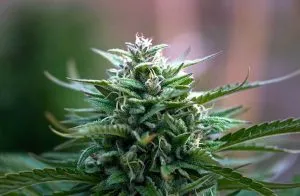
Growing marijuana on a budget is not only achievable, but it's often the best way to learn how cannabis really grows. One of the biggest misconceptions among beginner growers is that producing high-quality buds requires an expensive grow room packed with equipment. In reality, Cannabis is a remarkably adaptable plant, but giving it the right care during the seedling stage sets the foundation for healthy growth throughout its life cycle. As long as its basic requirements are met adequate light, a healthy root zone, balanced nutrition, fresh air, and a stable environment, it can produce an impressive harvest without costing a fortune.
After growing a wide range of cultivars over the years, I've learned that consistency has a far greater impact than cost. A simple setup that's monitored carefully will almost always outperform an expensive grow that's poorly managed. New growers often spend money chasing equipment that promises bigger yields, when they would see far better results by understanding how the plant responds during the vegetative stage and later in flowering.
When you're growing marijuana on a budget, the objective isn't to buy the cheapest equipment available. It's to spend your money where it has the biggest impact. Saving money by building a DIY grow space or reusing pots makes sense. Cutting costs on genetics or lighting usually doesn't. Those two factors determine how much potential your plants have before you even begin.
Starting with a simple grow also makes troubleshooting much easier. When you only have a few pieces of equipment, it's easier to identify what's causing problems. More importantly, you'll develop the skills that every experienced grower relies on, such as recognising watering issues, spotting nutrient deficiencies early, and understanding how environmental changes affect plant growth.
How much does it really cost to grow cannabis?
The cost of growing cannabis depends on whether you grow indoors or outdoors, the number of plants you're cultivating, and how much equipment you already own. Fortunately, you don't need a professional grow room to get started.
Outdoor cultivation is generally the cheapest way to grow weed because nature provides the two most expensive resources completely free: sunlight and airflow. If you have access to a legal, private location with healthy soil and plenty of direct sunlight, your initial costs can be surprisingly low.
Indoor growing requires a larger upfront investment because you're replacing everything nature normally provides. A grow light, ventilation, containers, growing medium, and nutrients are all essential purchases. While this increases startup costs, indoor growing offers complete control over temperature, humidity, and light cycles, allowing you to harvest cannabis throughout the year, although how long it takes to grow cannabis still depends on the strain and growing conditions.
| Setup Type | Initial Investment | Main Expenses |
| Outdoor Grow | Low | Seeds, soil, compost, pest prevention |
| Indoor Grow | Moderate | LED grow light, ventilation, pots, growing medium, nutrients |
One mistake I often see is growers focusing entirely on startup costs. Instead, think about the cost of each harvest. For example, a cheap LED may save you money today, but if it produces loose, airy flowers or fails after a single grow, it quickly becomes the more expensive option. Investing slightly more in reliable equipment often lowers your costs over several harvests.
The cheapest way to grow weed without sacrificing quality
If your circumstances allow it, growing outdoors remains the cheapest way to grow weed while still producing exceptional-quality cannabis. Natural sunlight delivers an intensity and spectrum that indoor lighting attempts to replicate, allowing plants to develop strong cannabinoid and terpene profiles under favourable conditions.
If outdoor growing isn't practical, the cheap way to grow indoor weed is to keep your setup as simple as possible while investing in the essentials that directly influence plant performance.
When I recommend a budget indoor grow to beginners, I usually suggest:
- A quality full-spectrum LED grow light
- A small grow tent or well-built DIY grow area
- Good-quality soil or coco coir
- Fabric pots with adequate drainage also make it easier to transplant cannabis plants into larger containers as they grow.
- A basic cannabis nutrient range
- An oscillating fan and simple extraction system
- Feminized or autoflower seeds from a reputable breeder
I generally steer first-time growers away from hydroponics. While hydroponic systems can accelerate vegetative growth, they also require constant monitoring of nutrient concentration, pH, and water quality. Small mistakes can affect the entire root zone very quickly. Soil is far more forgiving because it naturally buffers moisture and nutrients, giving you time to correct minor mistakes before they become major problems.
Regardless of your budget, healthy cannabis always depends on the same fundamentals: quality genetics, sufficient light intensity, healthy roots, proper watering practices, good airflow, and a stable growing environment. Everything else is an upgrade rather than a necessity.
Common budget growing mistakes to avoid
The biggest mistake beginners make is confusing "budget" with "cheap." Growing cannabis economically doesn't mean buying the lowest-priced version of everything. It means knowing where your money actually makes a difference.
Lighting and genetics are two areas where cutting corners usually reduces your final harvest. Weak genetics limit a plant's natural vigour, disease resistance, and cannabinoid potential, while inadequate lighting restricts photosynthesis, resulting in stretched plants and underdeveloped flowers.
Other common mistakes include overwatering, overfeeding nutrients, poor ventilation, and overcrowding the grow space. I've seen many beginners fill a small tent with too many plants because they assume more plants automatically produce more cannabis. In reality, overcrowded plants compete for light, restrict airflow through the canopy, and increase humidity, creating ideal conditions for mould and pests during flowering.
Another trap is relying on expensive additives that promise dramatic improvements in yield or potency. Cannabis growth has always been driven by the same biological processes. Healthy roots absorb water and nutrients, leaves convert light into energy through photosynthesis, and flowers develop when environmental conditions remain stable throughout the plant's life cycle.
One final piece of advice is to think of your first setup as the foundation rather than the finished product. Most experienced growers don't buy everything at once. They start with the essentials, complete a successful harvest, and gradually upgrade individual pieces of equipment as their knowledge grows. Taking this approach allows you to spread costs over time while learning which upgrades genuinely improve your results and which are simply clever marketing.
Building a Cheap Cannabis Grow Setup
Building a cheap cannabis grow setup doesn’t mean cutting corners or using poor-quality equipment. Instead, it’s about creating a focused, efficient environment where every component serves a clear purpose. Cannabis plants don’t respond to how much money you spend, they respond to how well their basic needs are met. If a piece of equipment doesn’t improve lighting, airflow, root health, watering, or environmental stability, it’s probably not essential for your first grow.
One of the most common mistakes beginners make is trying to build a fully equipped grow room from day one. They invest in advanced nutrients, automated systems, and expensive controllers before completing a single grow cycle. In reality, a smaller and simpler setup is far more effective when you’re starting out. It’s easier to manage, easier to troubleshoot, and helps you understand how cannabis behaves during the vegetative and flowering stages.
When you’re growing marijuana on a budget, your setup should reflect your available space, your budget, and your experience level. Starting small allows you to learn the fundamentals while keeping costs low. As you gain confidence, you can gradually upgrade your setup instead of making one large investment upfront.
Growing outdoors vs indoors: which is the cheapest option?
If your goal is to find the cheapest way to grow weed, growing outdoor weed is usually the most cost-effective option when you have the right climate and space. The sun provides a full spectrum of light for free, natural airflow strengthens plant structure, and plants can develop large root systems when grown directly in the ground.
| Feature | Outdoor Growing | Indoor Growing |
| Cost | Low | Moderate to High |
| Light Source | Sunlight (free) | LED or artificial lighting |
| Control | Limited | Full control |
| Yield Potential | High (seasonal) | Consistent year-round |
| Risk Factors | Weather, pests | Equipment failure, cost |
Outdoor cannabis grows best when you have a legal and private space, at least six hours of direct sunlight, healthy soil, and reliable water access. However, outdoor growing comes with less control. Weather changes, pests, and humidity can all affect your crop.
Indoor growing requires more investment because you’re recreating natural conditions. While this increases startup costs, it gives you full control over light cycles, temperature, humidity, and airflow. This allows for consistent harvests and reduces exposure to outdoor risks.
A cheap way to grow indoor weed with a simple DIY setup
If outdoor growing isn’t possible, the cheapest way to grow indoor weed is to keep your setup simple and efficient. You don’t need a large or expensive grow tent to produce quality cannabis. Many growers use small tents, closets, or DIY grow boxes.
The key is ensuring your space is lightproof, ventilated, and safe. Photoperiod plants require complete darkness during flowering, while autoflowers are more forgiving and easier for beginners.
| Essential Item | Purpose | Budget Tip |
| LED Grow Light | Provides energy for growth | Invest in quality |
| Grow Space | Contains environment | Use DIY if needed |
| Fan | Air circulation | Small oscillating fan works |
| Exhaust System | Removes heat/humidity | Basic inline fan |
| Pots | Root development | Fabric pots are affordable |
| Soil/Coco | Growing medium | Avoid poor-quality soil |
| Nutrients | Plant feeding | Start with basic range |
A basic indoor setup should include a grow light, small enclosed space, airflow system, pots, soil, nutrients, and monitoring tools like a thermometer and pH kit. Safety is critical, avoid overloading outlets and keep electrical equipment away from water.
Choosing affordable grow lights, pots, soil, and seeds
If there’s one area worth investing in, it’s your grow light. Light drives photosynthesis, which fuels plant growth and flower development. Without sufficient light, plants will stretch and produce weak buds.
| Component | Budget Option | Why It Matters |
| Grow Light | Full-spectrum LED | Efficient and strong output |
| Pots | Fabric or plastic | Supports root health |
| Soil | Aerated mix | Prevents root issues |
| Seeds | Feminized/autoflower | Reliable growth |
Full-spectrum LED lights offer the best balance of efficiency and cost. Avoid very cheap lights that promise high output but fail to deliver. Fabric pots are affordable and promote healthy root systems, while plastic pots work if drainage is adequate.
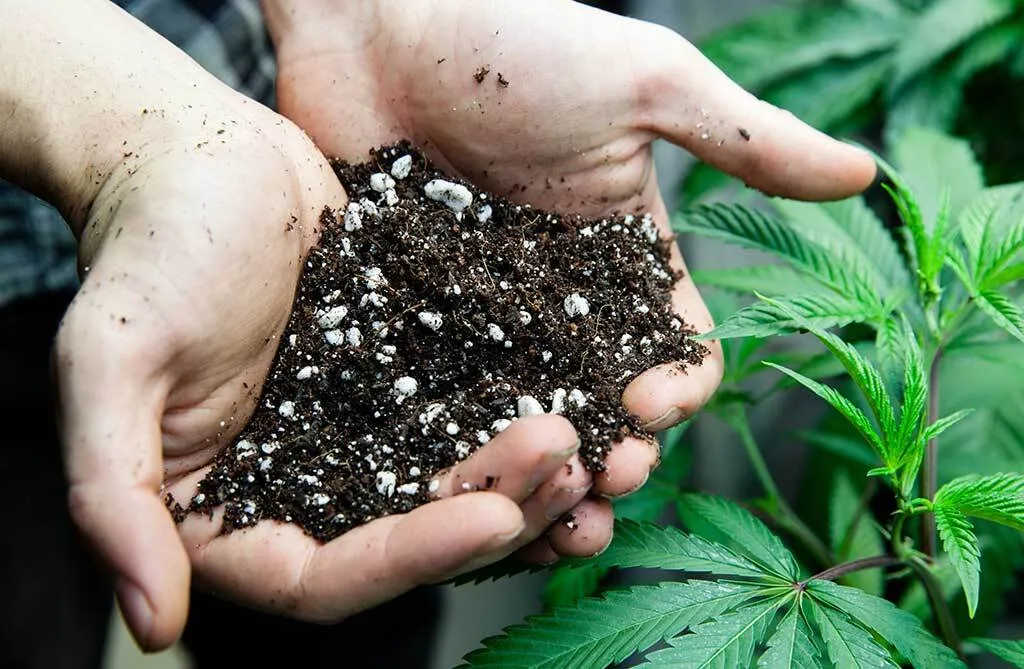
Cannabis thrives in loose, well-aerated soil. Dense soil can restrict root growth and cause drainage problems. A quality mix with compost, perlite, and coco or peat provides a strong foundation.
Genetics also play a major role. Starting with healthy seeds begins by germinating marijuana seeds correctly before planting. Feminized seeds are ideal for beginners, while autoflowers offer faster harvests but less recovery time.
Investing in reliable genetics from a reputable breeder is one of the smartest decisions you can make when growing on a budget.
Growing Healthy Cannabis Without Overspending
Once your grow space is set up, your focus should shift from buying equipment to understanding your plants. Growing healthy cannabis on a budget is not about constantly adding new products. It is about observation, consistency, and responding to what the plant is telling you.
After years of growing, one thing becomes clear. Cannabis communicates through its structure, color, and growth patterns. Upright, “praying” leaves usually signal strong photosynthesis and good environmental conditions. Drooping leaves often point to watering issues rather than nutrient deficiencies. Pale new growth can indicate nutrient imbalance, while burnt tips are commonly the first sign of overfeeding.
The more time you spend observing your plants, the less money you will waste trying to fix problems that do not exist. For budget growers, attention and consistency are far more valuable than expensive additives.
Indoor vs Outdoor Growing: Key Differences for Budget Growers
Understanding how indoor and outdoor environments affect plant health can help you avoid unnecessary spending and make better decisions throughout your grow.
| Factor | Indoor Growing | Outdoor Growing |
| Cost | Higher upfront (equipment, electricity) | Lower cost (sunlight and airflow are free) |
| Control | Full control over light, temperature, humidity | Limited control, dependent on weather |
| Nutrients | Often requires bottled nutrients | Can rely on soil and compost |
| Watering | Fully controlled, easier to monitor | Influenced by rainfall and climate |
| Pest Risk | Lower, but still possible | Higher exposure to insects and animals |
| Yield Potential | Consistent but limited by space | Potentially larger plants and yields |
| Learning Curve | Faster feedback and easier troubleshooting | Requires adapting to natural conditions |
Indoor growing gives you precision and consistency, while outdoor growing offers scale and lower costs. Both can produce excellent cannabis when managed properly.
The easy way to grow weed with beginner-friendly genetics
The easy way to grow weed is to start with genetics that are naturally resilient. Not all cannabis strains behave the same. Some demand precise feeding and environmental control, while others are far more forgiving.
When choosing seeds, look for:
- Strong resistance to pests and mold
- Moderate nutrient requirements
- Stable growth structure
- Predictable flowering times
- Good tolerance to training
- Reliable germination from reputable breeders
For indoor growers, compact indica-dominant or hybrid strains are often easier to manage because they stretch less and fit smaller grow spaces. Outdoor growers can take advantage of larger, more vigorous plants, but should consider climate. Fast-flowering strains are ideal in regions with shorter seasons.
From experience, beginner growers benefit most from stable genetics. A resilient plant allows you to learn without punishing every small mistake, making the entire process more rewarding and cost-effective.
Saving money on nutrients, watering and environmental control
One of the most common mistakes in cannabis cultivation is overfeeding. Many beginners assume more nutrients will produce bigger yields, but cannabis can only absorb what it needs. Excess nutrients build up in the root zone, leading to nutrient burn, lockout, and stressed plants.
Indoor growers can keep things simple with a basic nutrient line, provided you're using the correct NPK ratio for each growth stage. There is rarely a need for multiple additives early on. Focus on consistency rather than complexity.
Outdoor growers often spend even less on nutrients, especially when growing in well-prepared soil enriched with compost or organic matter. Healthy soil biology naturally breaks down nutrients, reducing the need for bottled feeding.
Watering is another area where simplicity wins. Hand watering allows you to understand how your plants respond to moisture levels. A good rule is to water thoroughly, then allow the top layer of the medium to dry slightly before watering again. This encourages strong root development and prevents oxygen deprivation.
Environmental control does not need to be expensive. Indoors, a basic thermometer and hygrometer are enough to monitor temperature and humidity. Outdoors, choosing a location with good airflow and consistent sunlight naturally supports healthy growth and reduces disease risk.
Simple maintenance techniques that improve yields for free
Some of the most effective ways to improve cannabis yields cost nothing at all. Instead of relying on expensive products, focus on techniques that maximize light exposure and plant efficiency.
For indoor growers, low-stress training is one of the best budget-friendly methods. By gently bending and tying branches, you create a flat canopy that allows more bud sites to receive direct light. This often leads to more even growth and improved yields without increasing energy costs.
Photoperiod plants can also benefit from topping during early vegetative growth, encouraging multiple main colas instead of one dominant top. However, autoflowers should generally be left untopped due to their shorter life cycle.
Outdoor growers benefit from simple maintenance practices such as removing damaged leaves, supporting heavy branches, and improving airflow through dense growth. These small actions help prevent mold, pests, and uneven bud development.
Regardless of your setup, a few consistent habits make a big difference:
- Inspect plants regularly for early signs of pests or disease
- Remove dead or decaying plant material
- Keep your grow area clean and organized
- Maintain proper spacing for airflow
- Avoid excessive handling of buds during flowering
One of the most valuable lessons in cannabis cultivation is that prevention is always cheaper than correction. Healthy plants grown in a clean, stable environment rarely require expensive fixes. By paying close attention and responding early to small changes, you can consistently produce high-quality cannabis while keeping your costs low.
Budget Tips That Increase Your Harvest
Producing a bigger harvest doesn't mean spending more money. In my experience, the most successful budget growers focus on improving efficiency rather than buying every new product on the market. Healthy cannabis plants use light, water, nutrients, and oxygen more effectively when they're grown in a stable environment. Once you've mastered the basics, you'll often see greater improvements from refining your growing practices than from purchasing expensive additives.
Where it's worth spending more money
If you're growing marijuana on a budget, there are a few areas where spending a little extra delivers long-term value.
Quality genetics should always be a priority because they determine a plant's growth potential, resistance to stress, flowering time, and cannabinoid production. Likewise, indoor growers should invest in a reliable full-spectrum LED grow light, as lighting has the greatest influence on flower density and overall yield.
It's also worth purchasing a reliable pH meter or testing kit if you're using bottled nutrients. Maintaining the correct pH allows cannabis roots to absorb nutrients efficiently and helps prevent nutrient lockout, a common issue that can slow growth and reduce harvest quality.
Reusing equipment and reducing long-term growing costs
One advantage of building a budget grow is that it becomes more affordable with every harvest. Good-quality equipment can last for years when it's cleaned, maintained, and stored correctly.
You can reduce ongoing costs by:
- Cleaning and reusing pots between grows
- Refreshing soil with compost or worm castings where appropriate
- Buying nutrients or soil amendments in larger quantities
- Using energy-efficient LED lighting
- Upgrading equipment gradually rather than replacing everything at once
If you buy second-hand equipment, inspect it carefully before using it. Check grow lights for reduced output, fans for worn bearings, and grow tents for damage or signs of previous pest infestations. A well-maintained used item can save money, but poor-quality equipment often costs more in the long run through lower yields or early replacement.
Conclusion
Growing marijuana on a budget doesn't mean settling for poor-quality cannabis or a disappointing harvest. It means understanding what your plants genuinely need and investing your time and money where it matters most. By choosing reliable genetics, creating a simple but effective grow setup, and maintaining consistent growing conditions, you can produce healthy, high-quality cannabis without overspending.
As you've seen throughout this guide, the cheapest way to grow weed isn't about buying the lowest-priced equipment. It's about making informed decisions, avoiding unnecessary purchases, and developing good cultivation habits that improve with every grow cycle. Whether you're growing indoors or outdoors, observation, patience, and consistency will always outperform expensive shortcuts.
Every successful harvest builds your experience as a grower, but knowing when to harvest cannabis is just as important as growing healthy plants. Start with the basics, refine your techniques over time, and you'll soon discover that growing marijuana on a budget can be one of the most rewarding and cost-effective ways to cultivate exceptional cannabis.
Frequently Asked Questions
What is the cheapest way to grow weed?
The cheapest way to grow weed is outdoors if you have access to a legal, private space with plenty of direct sunlight. Growing outdoors removes the need for expensive grow lights and significantly reduces electricity costs. If you need to grow indoors, a small setup with a quality LED grow light, basic ventilation, and good soil is the most cost-effective approach.
Can you grow good cannabis on a budget?
Yes. Growing marijuana on a budget can produce high-quality cannabis when you focus on the fundamentals. Strong genetics, adequate lighting, proper watering, and a stable environment have a much greater impact on your harvest than expensive nutrients or specialized equipment.
What equipment do you need to start growing cannabis cheaply?
A basic indoor grow only requires a few essentials: a full-spectrum LED grow light, a small grow tent or DIY grow space, pots, quality soil or coco coir, basic nutrients, a fan for airflow, and a timer for your light. Outdoor growers need even less, as sunlight replaces artificial lighting.
Is soil or hydroponics better for budget growers?
For most beginners, soil is the better option. It is more forgiving, requires less equipment, and naturally buffers moisture and nutrients. Hydroponic systems can produce faster growth, but they require greater precision and typically cost more to set up and maintain.
How can I increase cannabis yields without spending more money?
The easiest way to improve yields without increasing your budget is to optimize your growing practices. Techniques such as low-stress training (LST), proper watering, maintaining good airflow, and keeping a clean growing environment allow your plants to use available light and nutrients more efficiently, leading to healthier growth and better harvests.


