




Creating your own cannabis strain is about understanding how genetics, plant selection, and controlled breeding work together to shape the final result. Many growers are curious about how new strains are made, but aren’t always clear on what traits can realistically be influenced or how long the process takes. This guide explains the fundamentals of cannabis breeding, from selecting parent plants to crossing, stabilizing, and storing seeds. It outlines what growers can expect at each stage, the common limitations involved, and why patience and observation matter. By understanding these basics, breeders can make more informed decisions and avoid costly mistakes as they begin developing their own genetics.
Key Takeaways
- Breeding cannabis strains requires selecting male and female plants with desirable traits, such as structure, potency, and aroma.
- Genetics (phenotype and genotype) play a key role in strain development, influencing the plant's physical traits and overall performance.
- Cross-pollination is achieved by carefully transferring pollen from male to female plants, allowing breeders to combine traits from both parent strains.
- Stabilization of new strains is essential for consistency, achieved through backcrossing and line breeding techniques.
- Successful cannabis breeding involves ongoing documentation and patience, as multiple generations are often needed to achieve the desired traits.
- Legal and ethical considerations, including compliance with local laws and sustainable practices, are critical in cannabis breeding.

- Understanding Cannabis Genetics and Breeding Basics
- Selecting Male and Female Plants for Desired Traits
- The Role of Phenotypes and Genotypes in Strain Development
- How to Cross Cannabis Strains Effectively
- Stabilizing Your New Cannabis Strain
- Costs Involved in Creating Your Own Weed Strain
- Legal and Ethical Considerations in Cannabis Breeding
- Tips for Successful Cannabis Breeding
Understanding Cannabis Genetics and Breeding Basics
Breeding your own cannabis strain is an advanced but rewarding endeavor that blends botany, genetics, and cultivation expertise. When you understand how cannabis traits are inherited and how to influence them, you unlock the potential to create phenotypes tailored to your specific preferences. Whether you're aiming for high THC potency, unique terpene expression, increased yields or short flowering times, it all starts with understanding the building blocks of cannabis genetics.
Selecting Male and Female Plants for Desired Traits
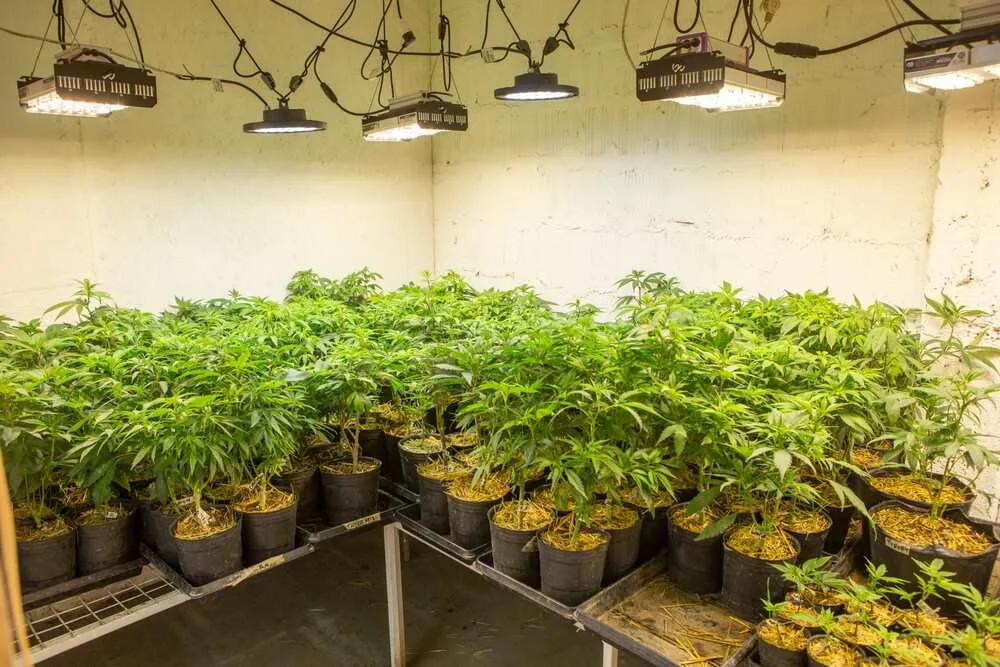
The foundation of successful cannabis breeding starts with selecting the right parent plants. A balanced cross depends on the careful choice of both male and female plants, as each contributes distinct genetic traits. The male plant provides the pollen that shapes half of the offspring’s genetics, while the female is responsible for the seeds and buds.
When selecting your parent plants, focus on the following key traits:
- Morphology: Look for plants with strong structure, sturdy internodal spacing, and solid branching. These plants should exhibit traits that would be desirable for your final product, like height and branch density.
- Cannabinoid Content: THC, CBD, and other cannabinoids are essential markers for the effects and potency of the final strain. Test your plants to ensure they have the cannabinoid profile you're aiming for. Some breeders focus on high THC content, while others might aim for balanced ratios or higher CBD levels.
- Terpene Profile: Aroma plays a significant role in the strain’s overall appeal. Whether you want a strain with a citrusy zest, earthy undertones, or a fruity flavor, choosing parents with distinct and desirable terpenes is key.
Resistance to Stressors: Select plants that have demonstrated resistance to pests, mold, and environmental stress. Strong genetics will help ensure your offspring are resilient in a variety of growing conditions.
To successfully select the best parent plants, I recommend keeping detailed notes during the vegetative and flowering phases. Observe how the plants perform in various conditions and under different types of stress, paying close attention to how they respond to temperature fluctuations, humidity, and potential pest problems. Your goal is not just to breed for appearance but to select for the plants that consistently perform well in multiple growing conditions.
Actionable Tip: Look for plants that display desirable traits early on, especially those that show consistent growth patterns during the vegetative phase. These plants are often the strongest candidates for breeding.
The Role of Phenotypes and Genotypes in Strain Development
To understand the full potential of breeding, it’s essential to grasp the difference between genotype and phenotype. The genotype refers to the complete genetic makeup of a plant—the DNA it carries—while the phenotype is how these genes are expressed in a specific environment. This distinction plays a critical role in strain development because even plants from the same genetic cross (F1 generation) can express vastly different traits.
For instance, two plants from the same cross may vary in terms of smell, yield, potency, or bud structure, depending on how their genetic traits are expressed. This variability is both a challenge and an opportunity in breeding, as it allows breeders to select and stabilize the most desirable phenotypic traits over time.
As a breeder, my job is to isolate these desirable phenotypes and work to stabilize them over multiple generations. The goal is to identify plants that best represent the potential of the hybrid strain and ensure those traits are passed down reliably. This requires growing out a number of seeds from your selected parents, carefully observing how each plant expresses itself, and then selecting the best candidates.
How to Cross Cannabis Strains Effectively
Crossing cannabis strains is at the heart of creating new genetics. It's the controlled transfer of pollen from a selected male plant to a female plant to produce seed-bearing offspring. This process allows breeders to combine the best traits of both parent strains and explore new possibilities in aroma, potency, yield, and overall plant performance.
Preparing Parent Plants for Breeding
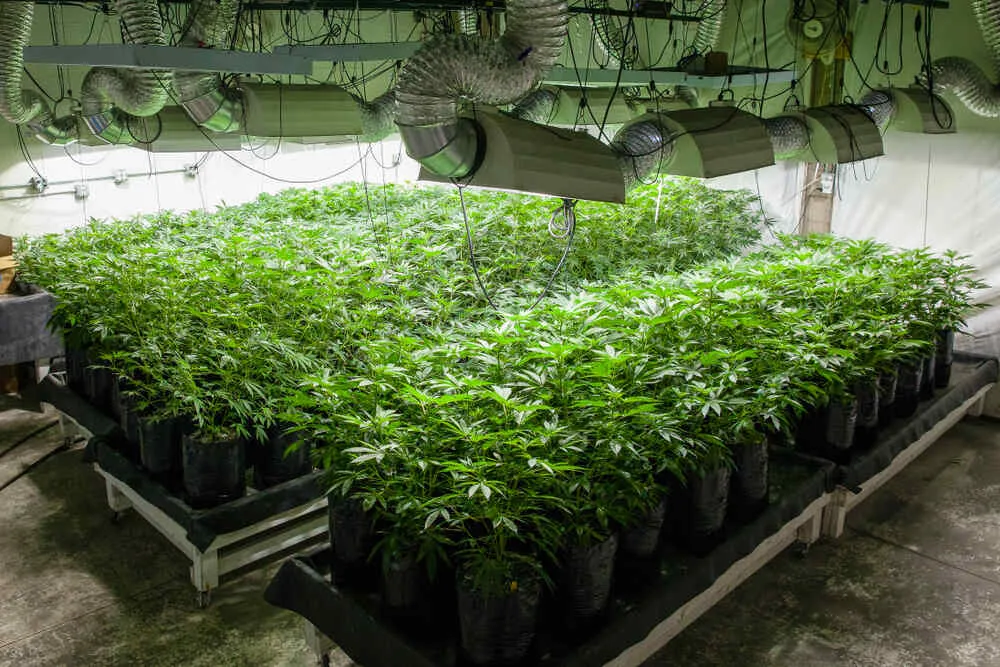
Before pollinating, it's essential to isolate your male and female plants to prevent unintended pollination. Here’s how I prepare each plant for the breeding process:
- Separate Grow Spaces: Set up distinct areas or tents for male and female plants. This prevents cross-pollination from accidental wind or environmental movement of pollen.
- Male Plant Preparation: Let the male plants develop fully until their pollen sacs are mature and beginning to swell, but not yet releasing pollen. I typically collect pollen before it’s released to maintain control over when and where it is applied.
- Female Plant Timing: Female plants should be at the early stage of flowering when white pistils first appear, typically around the 3rd week of a 12/12 light cycle. This timing maximizes the chances of successful fertilization and seed development. I prune any surrounding growth that could block pollination to ensure a clean process.
Controlled Pollination Techniques
For precise pollination, I use a few techniques to control where and how pollen is applied:
- Collecting Pollen: I gently enclose a flowering male branch in a paper bag and let it mature. After a few days, I shake the bag to release and gather the pollen.
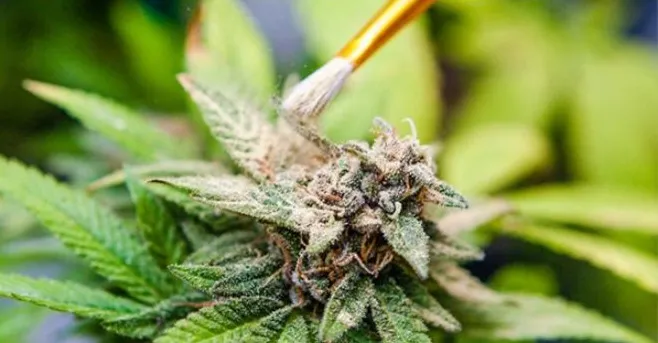
Pollinating the Female: Using a small paintbrush or the bag, I apply the pollen directly to a selected female branch. This method ensures that only the intended branch receives pollen, preventing cross-contamination. Afterward, I cover the pollinated branch for 48 hours to allow fertilization to take place.
Actionable Tip: Always work in a clean environment when handling pollen. Even trace amounts can result in unintended pollination.
Harvesting and Storing Seeds Safely
After successfully pollinating your female plant, it’s time to wait for the seeds to mature. Timing is critical during this phase, as premature harvesting can result in underdeveloped or weak seeds that may not germinate well.
Harvesting Mature Seeds:
Seeds typically take 5 to 6 weeks post-pollination to mature. A mature seed is dark, hard, and often striped. To check for maturity, I gently squeeze a seed between my fingers—if it feels firm, it's ready to harvest. Another indicator is when the calyx (the pod surrounding the seed) begins to split, or you hear the seeds rattling inside.
Once I’ve identified mature seeds, I carefully remove them from the plant. The calyx should be gently pulled apart to avoid crushing or damaging the seeds.
Drying Seeds:
After harvesting, it’s essential to dry the seeds in a cool, dark space for about a week. I usually place the seeds in a shallow container lined with paper towels or parchment paper. This ensures any remaining moisture is absorbed, preventing mold or rot.
Storing Seeds Safely:
Proper storage is key to preserving the viability of cannabis seeds. Once dried, I store them in airtight containers with silica gel packs to regulate moisture. These containers should be kept in a cool, dry place, ideally a refrigerator or a dry cabinet, to maximize their shelf life. Seeds can remain viable for years if stored properly.
Actionable Tip: Before germinating, I recommend letting seeds rest for at least 30 days after harvesting. This resting period allows them to fully mature and improves germination rates.
Stabilizing Your New Cannabis Strain
Once you’ve created a new hybrid strain, the next critical step is stabilizing it. Stabilization ensures that the strain will produce consistent plants with the desired traits every time it is grown from seed. A stable strain reliably expresses its genetic traits, such as potency, yield, aroma, and flowering time, across generations.
Why Stabilization is Important:
Stabilization is crucial for reproducibility. Without it, your seeds might produce a range of plants that vary in size, potency, or overall quality, making it difficult to consistently replicate your desired results. A stable strain is considered "fixed"—its traits are predictable and consistent, which is what distinguishes it as a true strain rather than just a one-time cross.
Backcrossing and Line Breeding Methods:
To stabilize your strain, I often use two methods: backcrossing and line breeding.
- Backcrossing: This involves breeding a selected offspring (F1) back with one of its parents (P1). The goal is to reinforce specific traits and eliminate undesirable variations. For example, if you want to emphasize a particular aroma or shorten the flowering time, you backcross to enhance that trait.
- Line Breeding: This method involves breeding top-performing siblings together. The idea is to gradually reinforce desirable traits over multiple generations. Line breeding helps create a more uniform strain by narrowing down the genetic pool and reducing variation.
Step-by-Step Stabilization Process:
- Select the Best Phenotypes: From the F1 generation, identify plants that best express the traits you want to stabilize (e.g., aroma, THC content, growth structure).
- Backcross or Line Breed: Using your chosen F1 plants, perform backcrossing or line breeding to reinforce these traits. This may require multiple generations.
- Evaluate Each Generation: Grow out each generation and monitor the consistency of the traits. The fewer the variations, the closer you are to stabilizing the strain.
Monitoring for Consistency Across Generations:
Stabilization takes time, but the goal is consistency. Evaluate each generation for uniformity in:
- Growth structure (height, branching, internodal spacing)
- Cannabinoid levels (THC, CBD, minor cannabinoids)
- Terpene profile (aroma and flavor)
- Resin production
- Flowering duration
The more consistent the offspring, the closer you are to having a stable strain.
Actionable Tip: I recommend growing out a minimum of 20 seeds per generation to ensure a diverse enough gene pool and to spot any inconsistencies. Document everything you observe, as this data will guide future breeding decisions.
Costs Involved in Creating Your Own Weed Strain
Creating your own cannabis strain can be an exciting and rewarding venture, but it also comes with various costs that you should be prepared for. The expenses involved depend on the scale of your operation, the equipment you choose, and the longevity of your breeding program. Whether you’re breeding for personal use or planning a commercial-scale operation, here’s a breakdown of the financial aspects to consider.
Initial Investment: Equipment, Seeds, and Setup:
If you're just starting out, the initial costs may seem significant but are manageable for a small home-based operation. Key investments include:
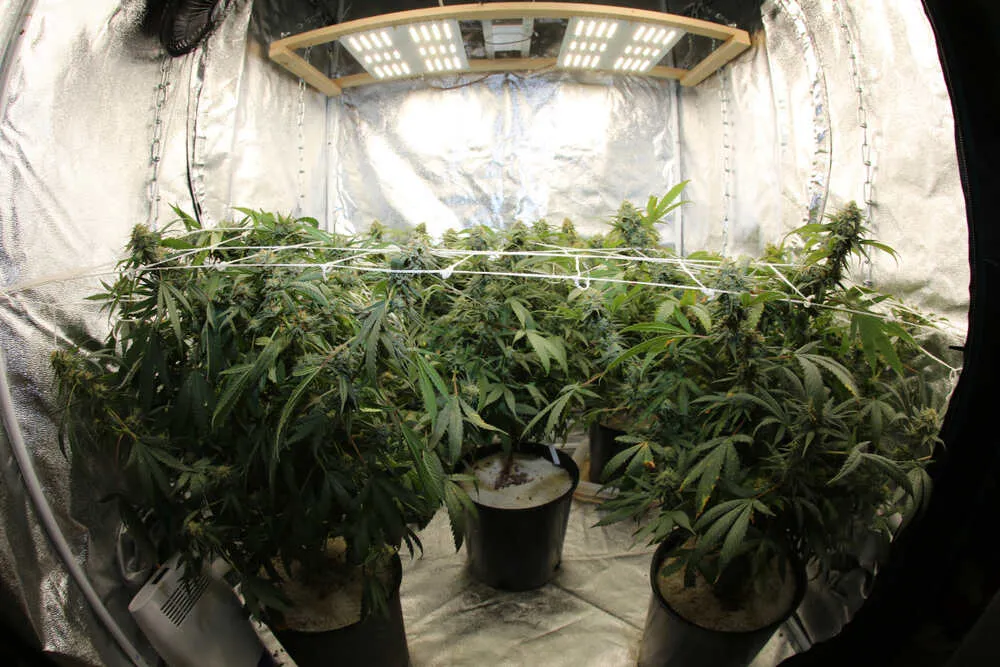
- LED Grow Lights: Quality grow lights are essential for healthy plant growth. Depending on the wattage and brand, they can cost anywhere from $100 to $500 each.
- Grow Tents or Separate Breeding Chambers: If you're isolating male and female plants, you'll need space to keep them apart. Grow tents range from $50 to $200 depending on size and features.
- Environmental Control Equipment: Keeping the right humidity and temperature is crucial, especially during the breeding process. Invest in humidifiers, dehumidifiers, timers, and temperature controllers. Budget for around $100 to $300 for these items.
- Parent Stock: Quality seeds or clones are the foundation of your breeding project. Expect to pay anywhere from $10 to $50 per seed or clone, depending on the strain's quality and genetics.
For a small setup, expect to spend around $500 to $1500 for your initial investment, depending on how high-tech you want to go.
Ongoing Expenses: Utilities, Nutrients, and Maintenance:
Once your setup is established, you’ll need to factor in the ongoing costs of running a breeding program. Some of the key expenses include:
- Utilities: The longer grow cycles involved in breeding mean higher electricity costs. You’ll need to budget for electricity and water, which could run anywhere from $100 to $300 per month, depending on your setup and the scale of your breeding project.
- Nutrients: Breeding plants need specialized nutrients to support healthy growth throughout their lifecycle. Expect to spend $50 to $150 per cycle on nutrients.
- Growing Media and Containers: From soil to hydroponic setups, you’ll need various growing media and containers. Budget $30 to $100 per cycle for these supplies.
- Seed Sorting and Storage: To keep track of your genetics, you may need to invest in sorting tools or storage solutions for your seeds. This might add $50 to $100 annually.
Hidden Costs:
In larger-scale breeding programs, lab testing may be necessary to measure cannabinoid levels, terpene profiles, and genetic stability. Lab tests typically cost $50 to $200 per test, depending on the complexity of the analysis.
Actionable Tip: Keep a detailed budget and track all costs to help you gauge the financial feasibility of your breeding project.
Legal and Ethical Considerations in Cannabis Breeding
Before embarking on your cannabis breeding journey, it's crucial to understand the legal and ethical considerations involved. Cannabis laws vary significantly across regions, and it's your responsibility as a breeder to stay informed and compliant with local regulations.
Understanding Local Laws and Regulations:
Cannabis laws differ by country, state, and even city, so it’s important to research the legislation that applies to you. Some regions allow home breeding for personal use, while others may have strict regulations around the cultivation of male plants or the production of seeds.
For example:
- In the USA, cannabis laws vary by state. While some states have legalized recreational cannabis, others may only allow medical use or restrict cultivation to licensed growers. Always check local regulations before breeding cannabis plants.
- In the EU, home breeding laws can vary from country to country. For instance, while personal cultivation may be allowed in some countries, selling seeds or producing cannabis for commercial purposes often requires a license.
- In Canada, where cannabis is federally legal, individuals can grow cannabis for personal use, but there are strict guidelines regarding the number of plants, the cultivation space, and the production of seeds.
Ethical Considerations:
While legal considerations ensure you're on the right side of the law, ethical practices are also crucial to your reputation as a breeder. Some ethical guidelines to keep in mind include:
- Transparency: Always be transparent about the genetic origins of the strains you breed. Misleading customers or other breeders can harm your credibility.
- Avoiding Contaminating the Market: Don’t release unstable or untested genetics into the market. This can lead to inconsistency in the final product, potentially causing frustration for growers and consumers.
- Sustainability: Breeding can create a significant environmental footprint. Consider sustainable practices in your breeding setup—such as using eco-friendly products, minimizing waste, and reducing energy consumption.
- Respecting Community Standards: Follow industry standards and codes of conduct. As the cannabis community matures, it’s important to contribute positively, maintain integrity, and support fellow breeders.
Actionable Tip: Always consult with a legal professional to ensure you are fully compliant with local laws. If you plan to sell or distribute your strains, check for any licensing requirements or restrictions that may apply.
Tips for Successful Cannabis Breeding
Successful cannabis breeding requires a combination of patience, knowledge, and organization. Over the years, I’ve found that certain habits and best practices can help streamline the breeding process and lead to better results. Here are a few tips to ensure your breeding project is a success:
1. Maintain Detailed Breeding Logs:
Documentation is key when it comes to breeding. Each plant you grow should have its own detailed record, including information about its genetics, growth patterns, feeding schedule, and any notable observations. This log becomes invaluable as you track the progress of your breeding project.
Actionable Tip: Use digital tools such as spreadsheets, breeding apps, or journals to keep a consistent record. This will help you identify trends and improve your breeding process over multiple generations.
2. Be Patient and Disciplined:
Cannabis breeding is not a quick process. It takes time to stabilize traits and ensure consistency across generations. You may need to run several generations before you achieve the desired outcome.
Actionable Tip: Set realistic expectations and be patient. Don’t rush the process—each generation brings you closer to your goal.
3. Utilize Technology and Lab Testing:
While traditional breeding techniques are effective, modern technology and lab testing can take your breeding to the next level. For example, lab testing allows you to measure cannabinoid levels, terpene profiles, and other key characteristics that are difficult to assess through observation alone.
Actionable Tip: Send samples to a lab to measure the potency and terpene profile of your plants. This data helps confirm that your breeding goals are being met and guides further selection.
4. Experiment with Small-Scale Breeding:
Start small to minimize risk and learn from each generation. Experimenting with a small group of plants allows you to test various traits and select the best phenotypes without committing a lot of space or resources.
Actionable Tip: Begin with a small number of plants (10-20 seeds per generation) and grow them out to assess their stability before scaling up your operation.
5. Join Breeding Communities:
Cannabis breeding can be a solitary endeavor, but there’s a lot to learn from others. Join online breeding forums or local communities to exchange tips, share experiences, and learn from more experienced breeders.
Actionable Tip: Find a breeding mentor or network with other breeders to accelerate your learning curve. Collaborative breeding can also lead to new insights and genetic exchanges.
Conclusion
Breeding your own marijuana strain is a process that combines technical skill, plant knowledge, and creative vision. It challenges you to think long-term, be patient, and pay close attention to detail. But when done correctly, it offers immense satisfaction and the opportunity to contribute something original to the cannabis community. Whether you're doing it for personal use or preparing to share your genetics with others, breeding your own weed deepens your connection to the plant and sharpens your cultivation expertise. I encourage you to start small, stay organized, and enjoy the process of creating something truly your own, so good luck finding the next best thing and evolving a cannabis plant to a whole other level!


