




Sundae Driver is a balanced hybrid cannabis strain known for its sweet grape aroma, creamy dessert notes and reported relaxing effects. A cross between Fruity Pebbles OG and Grape Pie, it combines fruit-forward genetics with attractive, resin-coated flowers.
Beyond its taste and aroma, Sundae Driver has several characteristics that interest growers. Its moderate height, natural branching and relatively short flowering period make it an approachable photoperiod variety. However, dense flowers and differences between individual plants are worth understanding before choosing this strain.
This Sundae Driver strain review covers its genetics, THC content, terpenes, effects and growing characteristics, including the advantages and potential challenges.
Key Takeaways
- Genetics: Sundae Driver combines Fruity Pebbles OG and Grape Pie, two genetic lines associated with sweet fruit aromas.
- Strain type: A balanced hybrid with an advertised 50% indica and 50% sativa classification.
- THC and effects: THC potential reaches up to 24%, with consumers commonly reporting relaxation and an uplifted mood.
- Taste and aroma: Sweet grape, ripe fruit, cream and subtle chocolate notes define its reported aromatic profile.
- Growing characteristics: Medium height, lateral branching and an 8–10-week flowering period make it an approachable variety, although dense flowers can present challenges.

What is the Sundae Driver Strain?
Sundae Driver is a THC-rich photoperiod hybrid known for its dessert-like aroma, compact flowers and moderate plant structure.
The Sundae Driver Feminized variety has an advertised THC potential of up to 24%, with CBD levels below 1%.
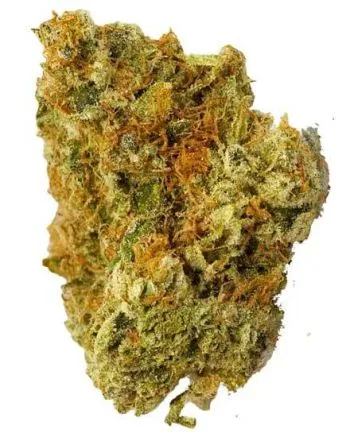
Plants typically develop a central stem supported by several side branches. Its flowers are often covered in visible trichomes and may display green or purple tones, depending on the individual plant.
Sundae Driver is worth considering if you enjoy sweet, fruit-led cannabis varieties or want to compare different hybrid cannabis seeds.
Sundae Driver Strain Overview and Key Characteristics
The following specifications describe the Sundae Driver Feminized variety. They provide a useful starting point when comparing its potency, growing difficulty and mature plant size.
| Characteristic | Sundae Driver |
| Genetics | Fruity Pebbles OG × Grape Pie |
| Strain type | 50% Indica / 50% Sativa |
| THC | Up to 24% |
| CBD | Less than 1% |
| Main terpenes | Limonene, caryophyllene, myrcene |
| Taste | Grape, sweet fruit, cream, chocolate |
| Reported effects | Relaxing, calming, uplifting |
| Flowering time | 8–10 weeks |
| Height | 100–180 cm |
| Indoor yield | 400–500 g/m² |
| Growing difficulty | Easy |
These figures are advertised estimates rather than guaranteed results. Plant development and flower characteristics can vary with genetics and environmental conditions.

Sundae Driver Genetics and Origins
Fruity Pebbles OG and Grape Pie Parentage
Sundae Driver comes from two well-known cannabis genetic lines.
Fruity Pebbles OG is associated with sweet, cereal-like aromas and flowers that can display several shades. Its ancestry includes Green Ribbon, Tahoe Alien and Granddaddy Purple.
Our Fruity Pebbles strain review explores this side of Sundae Driver's genetics in greater detail.
Grape Pie, a cross between Cherry Pie and Grape Stomper, contributes a reputation for rich grape aromas and dense flowers.
These parent strains help explain Sundae Driver's aromatic character, although individual plants may express different inherited traits.
Sundae Driver THC, Terpenes, Taste and Effects
THC Strength and Reported Effects
Sundae Driver has an advertised THC potential of up to 24%, placing it among the more potent hybrid varieties.
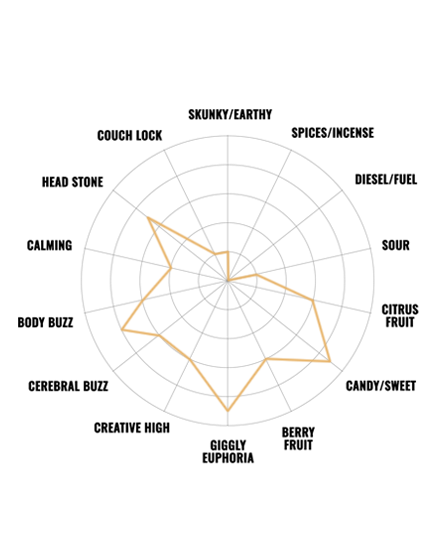
Consumers frequently describe a pleasant mood lift followed by physical relaxation. Some also report feeling sociable or creative, although individual experiences depend on THC exposure, personal tolerance and surroundings.
A 2021 study published in Nature Plants found that commercial indica and sativa labels do not consistently reflect genetic differences between cannabis samples. A balanced hybrid classification therefore cannot predict exactly how Sundae Driver will affect someone.
Higher THC exposure can also produce unwanted effects, including anxiety, dizziness, dry mouth and impaired concentration. Consumer experiences should not be treated as evidence that the strain can treat medical conditions.
What Does Sundae Driver Smell and Taste Like?
Sundae Driver is best known for its sweet grape aroma, supported by ripe fruit, cream and subtle chocolate notes.
Its advertised terpene profile includes three notable compounds:
- Limonene: Associated with citrus and fresh fruit aromas.
- Caryophyllene: Contributes peppery, spicy and woody characteristics.
- Myrcene: Associated with earthy, herbal and musky notes.
A scientific review published in Molecules, titled The Cannabis Terpenes, explains how these compounds contribute to the aromatic diversity of cannabis.
Our guide to cannabis terpenes provides further information about their characteristics.
Some Sundae Driver samples have a pronounced grape character, while others show stronger creamy or earthy notes. These differences reflect natural variation rather than a single fixed taste.
| THC % | Up to 24% |
|---|---|
| Flowering Time | 8–10 Weeks |
| Outdoor harvest | October |
| Yield | 400–500 g/m² |
| Indica/Sativa | 50/50 |
| Height | Medium: 100–180 cm |
| Difficulty | Easy |
| CBD Content | Less than 1% |
| Climate | Mediterranean, Sub Tropical, Warm |
| Seed Type | Feminized |
| Genetics | Fruity Pebbles OG x Grape Pie |
| Effects | Calming, Creative, Energising, Relaxing |
| Taste | Fruity, Grape, Sweet |
| Terpene | Limonene, Caryophyllene, Myrcene |
How to Grow Sundae Driver: Step-by-Step Guide
Sundae Driver is rated as an easy-growing photoperiod variety. Its moderate height and lateral branching are appealing, but its dense flowers deserve attention when assessing suitable growing conditions.
Step 1: Choose a Suitable Growing Environment
Sundae Driver is associated with warm, Mediterranean and subtropical climates.
Its advertised height of 100–180 cm makes it a medium-sized variety, although mature plants may occupy additional horizontal space as their branches develop.
For outdoor growing, local temperatures, seasonal rainfall and the length of the growing season are important considerations. Prolonged damp weather may be less suitable for varieties with closely packed flowers.
Step 2: Understand Early Growth and Plant Structure
Sundae Driver generally develops a central stem with several lateral branches.
During the cannabis vegetative stage, individual plants may begin showing differences in leaf size, internodal spacing and branch development.
Some remain relatively compact, while others produce longer branches and a broader structure.
These characteristics help explain why advertised height figures should be treated as a guide rather than an exact expectation.
Step 3: Assess Branching and Training Suitability
Sundae Driver's natural side branching makes canopy structure worth considering.
Methods such as low-stress training and SCROG are commonly associated with branching photoperiod varieties.
However, individual plants differ in branch strength, spacing and growth patterns. Extensive training is not automatically necessary, and no particular method guarantees higher yields.
Understanding the plant's natural shape is more useful than assuming every Sundae Driver plant requires the same approach.
Step 4: Understand Flowering Stretch and Development
Sundae Driver is a photoperiod strain, meaning flowering is associated with changes in day length.
Plants may develop additional height around the transition into flowering. The amount of stretch depends on the individual phenotype.
Its advertised flowering period is approximately 8–10 weeks.
As flowers develop, compact bud formation and increasing resin coverage become characteristic features. Flowering time provides a useful estimate, but it does not establish maturity on its own.
Step 5: Consider Flower Density and Moisture-Related Problems
Sundae Driver can develop tightly packed flowers, making moisture retention a potential concern in humid environments.
Research into pathogens associated with cannabis bud rot identifies several organisms capable of damaging cannabis flowers, including Botrytis cinerea.
This does not establish that Sundae Driver is unusually susceptible, but it explains why dense flower structures deserve attention.
Our cannabis bud rot guide covers the visible symptoms and common causes of flower rot.
Step 6: Identify Differences Between Phenotypes
Sundae Driver flowers may display green and purple tones, often accompanied by noticeable trichome coverage.
Individual phenotypes can differ in appearance, branch spacing, flower density and aromatic expression.
Some develop stronger grape notes, while others lean towards sweet fruit, cream or chocolate.
These differences are normal within a genetic line. Purple flowers and heavy resin coverage may contribute to visual appeal, but neither characteristic confirms THC potency without laboratory testing.
Step 7: Understand Harvest Timing and Yield Expectations
Sundae Driver has an advertised indoor yield of 400–500 g/m², with outdoor harvests generally associated with October in suitable Northern Hemisphere climates.
Actual harvests depend on genetics, plant health and environmental conditions.
I would use these figures to compare varieties rather than expect identical results from every plant.
If you are comparing feminized cannabis seeds, flowering time, mature height and environmental suitability deserve as much consideration as advertised yield.
Conclusion
Sundae Driver combines sweet grape aromas, dessert-inspired genetics and a medium-sized plant structure. Its natural branching and relatively short flowering period make it an appealing photoperiod variety for growers interested in fruit-forward hybrids.
Its potential THC strength deserves respect, while compact flowers may present challenges in damp environments. Differences between phenotypes can also influence appearance, aroma and final harvests.
If you are considering Sundae Driver, its main appeal lies in the combination of distinctive taste, attractive flowers and manageable growing characteristics. Understanding these qualities and limitations will help you make a more informed choice.
Frequently Asked Questions
Is Sundae Driver indica or sativa?
Sundae Driver is classified as a balanced hybrid with an advertised 50% indica and 50% sativa genetic profile. This classification does not guarantee a particular experience or plant structure.
How strong is the Sundae Driver strain?
Sundae Driver has an advertised THC potential of up to 24%, with CBD generally below 1%. Actual potency can vary between individual flower samples.
What does Sundae Driver taste and smell like?
Sundae Driver is associated with sweet grape, ripe fruit and creamy dessert notes. Some samples also develop chocolate, earthy or herbal characteristics, depending on their terpene composition.
Is Sundae Driver easy to grow?
Sundae Driver is rated as an easy-growing photoperiod variety. Its moderate height and natural branching are appealing, although compact flowers can present challenges in humid environments.
How long does Sundae Driver take to flower, and what yield can you expect?
Sundae Driver has an advertised flowering period of 8–10 weeks, with indoor yields estimated at 400–500 g/m². Actual results depend on genetics and environmental conditions.
References
- Watts, S., et al. (2021). Cannabis labelling is associated with genetic variation in terpene synthase genes. Nature Plants, 7, 1330–1334. Research examining the relationship between commercial indica/sativa classifications, cannabis genetics and terpene variation.
https://doi.org/10.1038/s41477-021-01003-y - Sommano, S. R., Chittasupho, C., Ruksiriwanich, W., & Jantrawut, P. (2020). The Cannabis Terpenes. Molecules, 25(24), 5792. A scientific review of cannabis terpenes, their chemical characteristics and their contribution to plant aroma.
https://doi.org/10.3390/molecules25245792 - Punja, Z. K., et al. (2021). The bud rot pathogens infecting cannabis (Cannabis sativa L., marijuana) inflorescences: symptomology, species identification, pathogenicity and biological control. Canadian Journal of Plant Pathology. Research investigating fungal pathogens associated with cannabis flower rot, including Botrytis cinerea.
https://doi.org/10.1080/07060661.2021.1936650 - National Academies of Sciences, Engineering, and Medicine. (2017). The Health Effects of Cannabis and Cannabinoids: The Current State of Evidence and Recommendations for Research. National Academies Press. A comprehensive review of scientific evidence concerning cannabis, cannabinoids and their potential health effects.
https://doi.org/10.17226/24625 - Centers for Disease Control and Prevention (CDC). Cannabis and Mental Health. Public health information covering the relationship between cannabis use and psychological effects, including anxiety and paranoia.
https://www.cdc.gov/cannabis/health-effects/mental-health.html


