




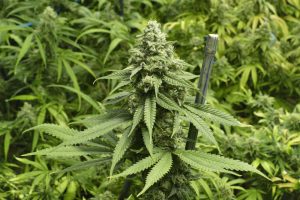
Big Bud is an indica-dominant hybrid cannabis strain best known for one thing above all else: consistently large yields. Developed from a classic genetic mix of Afghani, Northern Lights, and Skunk #1, it has earned a long-standing reputation among growers for reliability, ease of cultivation, and impressive bud size. While its THC levels are moderate by modern standards, Big Bud is commonly associated with calming, relaxing effects that appeal to both recreational users and cultivators looking for dependable performance. This review explores Big Bud’s genetic background, typical effects, flavor and terpene profile, and key growing characteristics, providing a clear overview of what makes this strain a lasting staple worth understanding.
Article Summary
Growing Characteristics: Practical cultivation details such as yield potential, plant size, difficulty level, and climate preferences.
Strain Overview: An introduction to Big Bud, including its indica-dominant classification and historical significance.
Genetics and Lineage: A breakdown of its Afghani, Northern Lights, and Skunk #1 heritage and how this shapes the plant.
Effects and Experience: Commonly reported effects and what users typically associate with the strain.
Flavor and Terpenes: An overview of Big Bud’s aroma, taste, and dominant terpene profile.
Big Bud strain info, history and genetics
They say legends breed legends, and Big Bud is often cited as a good example of that idea in action.
Big Bud is widely reported to be a three-way cross between Afghan, Northern Lights, and Skunk #1. Taken together, these genetics give Big Bud its heavily indica-dominant profile, with most sources placing it at around 85% indica and 15% sativa. As with many older strains, exact lineage details can vary slightly depending on the breeder and era, but this genetic foundation is consistently referenced.
Big Bud first appeared on Amsterdam coffee shop menus in the late 1980s before making its way to North America shortly after. At the time, cannabis genetics were far less refined than what growers are used to today. Bud structure was generally looser, yields were smaller, and consistency wasn’t always guaranteed.
That context matters, because Big Bud stood out immediately. Compared to what was commonly available at the time, its flower size and overall production were genuinely eye-opening. In the same way certain cars or bands defined their era, Big Bud gave growers an early glimpse of how far selective breeding could push yield potential.
Over the years, Big Bud genetics have been used in a long list of breeding projects. Strains such as Blueberry, Bubble Gum, Granddaddy Purple, and Critical Mass are often mentioned as having Big Bud somewhere in their lineage, highlighting just how influential it has been.
Big Bud also picked up recognition at major cannabis events, including an overall win at the 1989 High Times Cannabis Cup. While awards alone don’t define a strain’s quality, they do help explain why Big Bud became so widely known.
Perhaps its biggest legacy, though, is yield. Big Bud is frequently described as one of the first strains to produce consistently large harvests by the standards of its time, helping set expectations for what high-yielding cannabis could look like going forward.
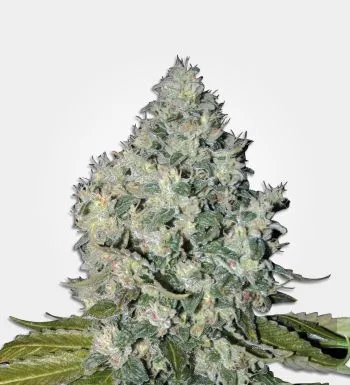
| THC % | Up to 18% |
|---|---|
| Flowering Time | 8-10 Weeks |
| Outdoor harvest | Early October |
| Yield | 500-600gr/m² |
| Indica/Sativa | Indica Dominant |
| Height | Tall: 180cm-220cm |
| Difficulty | Easy |
| CBD Content | <1% |
| Climate | Temperate, Warm |
| Seed Type | Feminized |
| Genetics | Afghani x Northern Lights x Skunk #1 |
| Effects | Calming, Relaxing |
| Taste | Skunky, Spicy, Sweet |
| Terpene | Beta-Caryophyllene, Limonene, Linalool, Myrcene, Pinene |
What are the effects of Big Bud strain?
As an indica-dominant strain, Big Bud is typically associated with more relaxing effects rather than sharp, high-energy stimulation. It’s not generally described as a heavy, couch-lock strain, but more of a balanced experience that combines physical relaxation with a lighter mental uplift.
Many users report that the effects begin with a mild, head-focused lift before settling into a more body-centred sensation. The small amount of sativa influence is often credited with keeping the experience from feeling overly sedating. When smoked or vaped, the effects are commonly reported to last a few hours, with the strongest sensations occurring earlier on and gradually tapering off.
Big Bud is often chosen by people looking to unwind after a long day rather than those chasing maximum intensity. Its THC content is usually reported in the 20–22% range, though this can vary depending on phenotype, grow conditions, harvest timing, and testing methods.
Some consumers associate Big Bud with calming or evening use, but individual responses can vary significantly. Nothing here should be taken as medical advice; experiences with cannabis differ from person to person.
What does Big Bud taste and smell like?
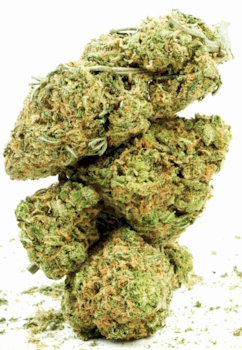
Big Bud develops a noticeable aroma even before harvest, particularly from around the mid-flowering stage. The scent is commonly described as sweet and musky, with fruity notes that many people compare to red grapes or mixed berries.
Alongside the sweetness, there are usually earthy and woody undertones that add some depth without overpowering the profile. Given its Skunk #1 heritage, some growers expect an extremely sharp or pungent smell, but Big Bud tends to be more balanced than that reputation might suggest. On the palate, the flavor largely mirrors the aroma. Sweet, slightly spicy notes come through most clearly, with the fruit and earth elements rounding things out. Many users find the flavor especially pleasant when vaporised, where the subtler terpene notes are easier to pick up.
How to grow Big Bud strain
One thing that comes up again and again with Big Bud is just how heavy the flowers can become late in bloom. Many growers report that some form of plant support is useful toward the end of the flowering cycle to help manage the weight of the buds.
Big Bud is commonly described as a resilient strain that performs well both indoors and outdoors. It’s generally considered forgiving, which is one reason it remains popular with newer growers. That said, experienced growers often note that it responds particularly well to training techniques such as topping or SCROG-style setups when managed carefully.
Humidity control is something many growers keep an eye on, especially during late flowering. The dense bud structure that makes Big Bud appealing can also trap moisture if conditions aren’t dialled in. Typical reports suggest it performs best with temperatures in the 22–28°C (72–82°F) range, with humidity gradually reduced from around 60% earlier in flower to closer to 45% toward harvest.
Big Bud is also known as a heavy feeder compared to some lighter-yielding strains. Many growers find it tolerates higher nutrient levels well, provided overall plant health is monitored and adjustments are made as needed.
Despite its size and yield potential, Big Bud is still widely considered manageable. Its sturdy genetics allow it to handle a bit of stress without major issues, making it a solid option for growers who want big results without chasing overly delicate plants.
Big Bud FAQs
Does Big Bud smell?
Yes. Big Bud is usually described as having a sweet, musky aroma with fruity notes and mild earthy undertones.
What is the yield of Big Bud outdoors?
Outdoor yields vary widely depending on climate and conditions, but many growers report harvests in the region of 600–800 grams per plant under favourable circumstances.
Is Big Bud indica or sativa?
Big Bud is an indica-dominant hybrid, commonly cited as around 85% indica.
How strong is Big Bud?
THC levels are often reported in the 20–22% range, though results can vary depending on phenotype and growing conditions.
What terpenes are in Big Bud?
Big Bud is commonly associated with myrcene as the dominant terpene, alongside limonene, caryophyllene, pinene, linalool, and humulene.


