




Master Kush is an indica-dominant cannabis strain known for its earthy aroma, relaxing effects, and dense, resin-covered buds. With genetics linked to Hindu Kush and Skunk, this classic strain has remained popular since gaining recognition in Amsterdam during the 1990s.
For growers, Master Kush offers a bushy structure, an 8–10 week flowering period, and good yield potential. Although considered beginner-friendly, its thick foliage and compact flowers can require extra attention in humid conditions. This Master Kush strain review covers its genetics, THC content, flavor, effects, and growing characteristics to help you decide whether it's right for you.
Key Takeaways
- Genetics: Master Kush is an indica-dominant hybrid with Hindu Kush and Skunk ancestry.
- THC Content: THC levels can reach up to 24%, making it a potentially potent strain.
- Flavor and Effects: Expect earthy, woody, and spicy flavors, with commonly reported calming and relaxing effects.
- Flowering Time and Yield: Master Kush flowers in approximately 8–10 weeks, with advertised indoor yields of up to 500–600 g/m².
- Growing Difficulty: Considered easy to grow, Master Kush develops a bushy structure, although its dense flowers can be more susceptible to moisture-related problems.
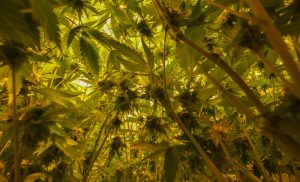
What is the Master Kush Strain?
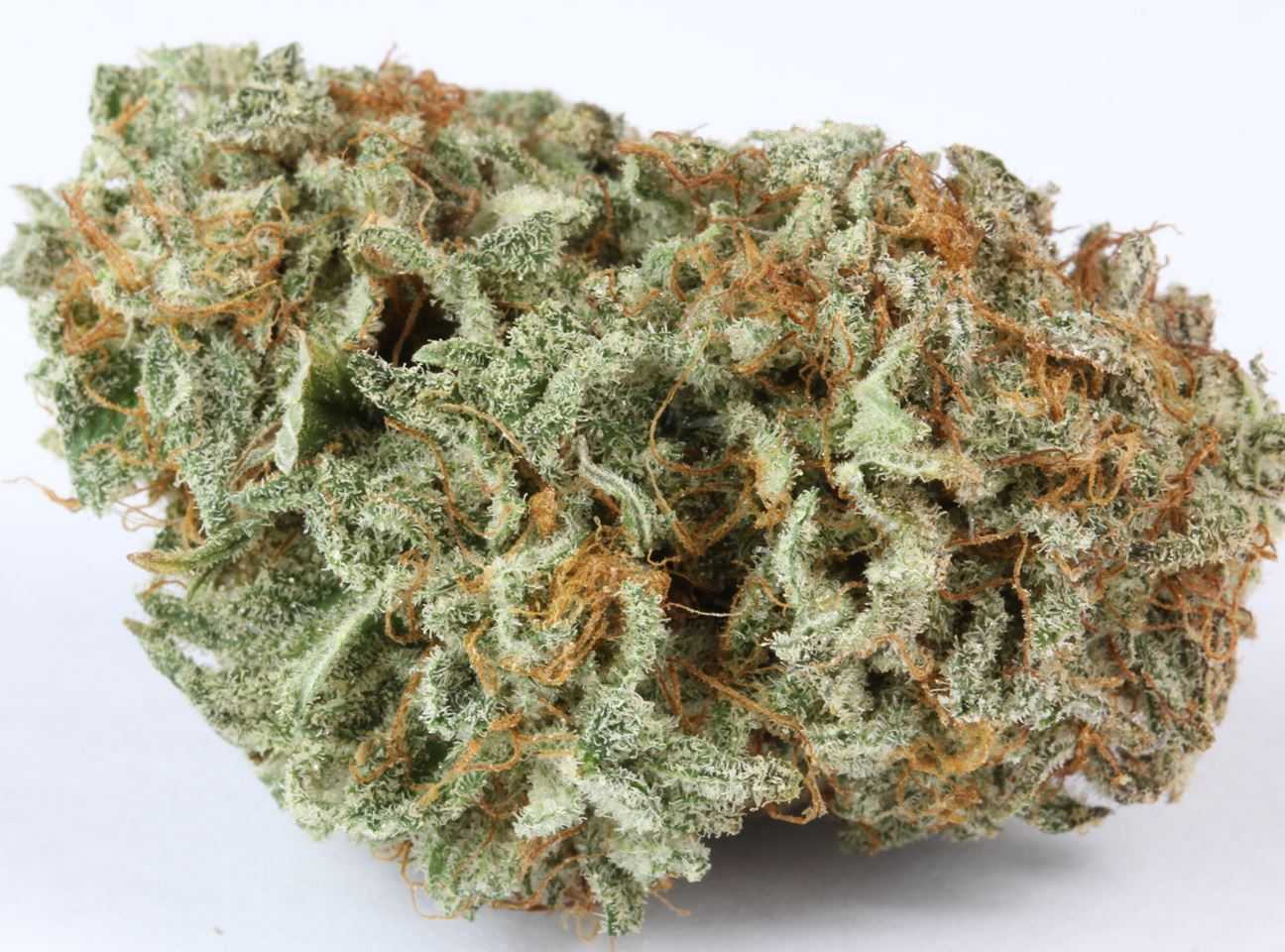
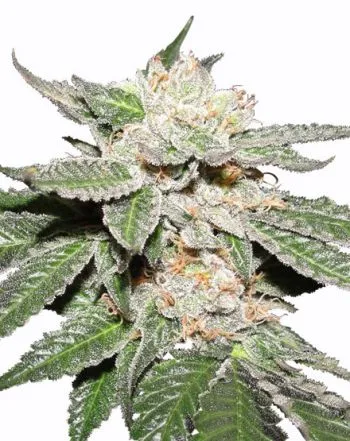
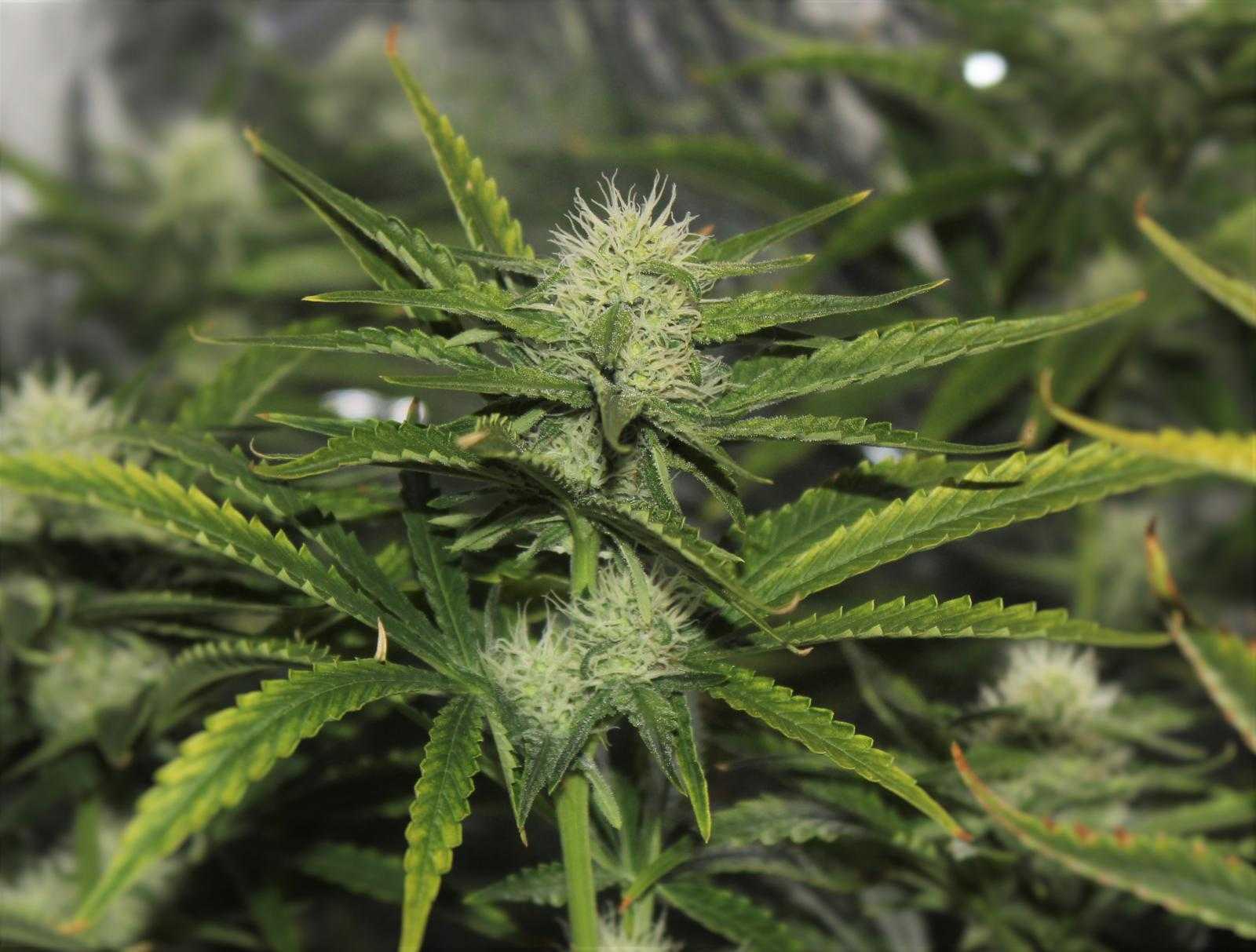
Master Kush is an indica-dominant hybrid that combines classic Kush characteristics with Skunk genetics. It produces broad, dark green leaves, sturdy branches, and compact flowers covered in resin.
The buds typically develop orange pistils among tightly packed calyxes, giving mature flowers a frosty appearance.
Although it shares the physical characteristics of many indica cannabis strains, Master Kush is not necessarily a pure indica. Its classification depends on the particular breeding line.
Master Kush Strain at a Glance
| Characteristic | Master Kush |
| Genetics | Hindu Kush × Skunk |
| Strain type | Indica-dominant hybrid |
| THC | Up to 24% |
| CBD | Up to 2% |
| Main terpenes | Myrcene, caryophyllene, limonene |
| Flavor | Earthy, woody, spicy |
| Reported effects | Relaxing, calming, uplifting |
| Flowering time | 8–10 weeks |
| Height | 100–180 cm |
| Indoor yield | Up to 500–600 g/m² |
| Growing difficulty | Easy |
| Outdoor harvest | Late September, depending on climate |
These are advertised characteristics of this seed line. Individual plants may differ in height, cannabinoid content, flowering time, and yield.
Master Kush Genetics and Origins
Where Does Master Kush Come From?
Master Kush takes its name from the Hindu Kush mountain range between Afghanistan and Pakistan, a region associated with traditional broad-leaf cannabis varieties.
The strain gained recognition in Amsterdam during the 1990s. Some historical accounts suggest it was originally known as High Rise before becoming commercially established under the Master Kush name.
Its exact breeding history is less straightforward. Some early descriptions identify two Hindu Kush landrace selections, while other commercial versions list Hindu Kush and Skunk as the parents.
For this particular seed line, the documented genetics are Hindu Kush × Skunk.
Master Kush vs Hindu Kush
Hindu Kush is traditionally associated with compact plants, broad leaves, and earthy, hash-like aromas.
Master Kush shares these characteristics but incorporates Skunk ancestry in the version reviewed here.
Both belong to the broader family of Kush cannabis strains. However, differences in breeding and phenotype can influence branching, aroma, flowering time, and mature plant height.
Master Kush THC, Terpenes, Flavor and Effects
How Strong Is Master Kush?
Master Kush is a THC-dominant strain, with advertised THC levels reaching 24% and CBD content of up to 2%.
That makes it potentially potent, particularly for consumers with limited THC tolerance.
However, the advertised maximum is not a typical value for every harvest. Cannabinoid concentrations vary between individual plants and flower samples. Laboratory testing is the only reliable way to determine the potency of a particular batch.
What Does Master Kush Smell and Taste Like?
Master Kush has an earthy, pungent aroma with woody and spicy undertones. Some flowers also carry hints of pine, citrus, and dried herbs.
The main terpenes commonly associated with this seed line are:
- Myrcene: Earthy, herbal, and slightly musky.
- Caryophyllene: Peppery, spicy, and woody.
- Limonene: Citrusy, with fresh lemon-like notes.
Its flavor generally follows the aroma, with a strong earthy character and a lingering spicy finish.
Terpene profiles can differ between plants. Research published in Nature Plants found that terpene-related genetics contribute to chemical differences between commercial cannabis varieties. This helps explain why plants sold under the same strain name may not smell identical.
What Are the Effects of Master Kush?
Master Kush is commonly associated with a calming, physically relaxing experience. Some consumers also report happiness, mild euphoria, and sleepiness.
These effects are not guaranteed. THC concentration, individual tolerance, and the amount consumed all influence the experience.
Higher THC exposure can also produce unwanted effects, including dizziness, dry mouth, dry eyes, and anxiety.
While some consumers describe using Master Kush for relaxation after a long day, there is insufficient clinical evidence to establish that this specific strain treats medical conditions.
| THC % | Up to 24% |
|---|---|
| Flowering Time | 8–10 Weeks |
| Outdoor harvest | End Of September |
| Yield | 500–600 g/m² |
| Indica/Sativa | Indica Dominant |
| Height | Medium: 100–180 cm |
| Difficulty | Easy |
| CBD Content | Up to 2% |
| Climate | Cool, High Altitude, Temperate, Warm |
| Seed Type | Feminized |
| Genetics | Hindu Kush x Skunk |
| Effects | Calming, Relaxing |
| Taste | Pungent, Earthy, Spicy |
| Terpene | Myrcene, Caryophyllene, Limonene |
How to Grow Master Kush: Step-by-Step Guide
Master Kush is considered an easy cannabis strain to grow, making it suitable for beginners. Its indica-dominant genetics produce broad leaves, sturdy branches, and compact flowers.
Plants typically reach 100–180 cm, with a flowering period of 8–10 weeks. The main consideration is managing its bushy structure, particularly as the foliage becomes thicker during flowering.
Step 1: Establish Healthy Early Growth
Allow your Master Kush plants to develop a healthy root system and several nodes before considering training.
During the cannabis vegetative stage, examine the spacing between nodes and the development of side branches.
Short internodal spacing generally produces a more compact plant, while wider spacing creates a more open structure.
This early development gives you an indication of how the plant is likely to grow as it matures.
Step 2: Manage Plant Height and Branching
Master Kush naturally develops a bushy structure with several lateral branches. However, taller phenotypes can require more vertical space, particularly once flowering begins.
The strain is compatible with canopy-management approaches such as low-stress training, Sea of Green (SOG), and SCROG.
These techniques are commonly used to manage branch distribution and canopy shape.
I would pay particular attention to how the side branches develop rather than assuming every Master Kush plant will have the same structure.
Step 3: Consider Indoor and Outdoor Conditions
Master Kush can suit both indoor and outdoor environments.
Indoors, its relatively compact growth can appeal to growers with limited vertical space.
Outdoors, temperate and warmer regions generally provide suitable seasonal conditions. However, prolonged rainfall and high humidity can present problems as flowers mature.
The main concern is moisture around dense buds, which can increase the risk of fungal growth.
Step 4: Monitor Flower Development
As flowering progresses, Master Kush produces tightly packed buds with orange pistils and a coating of resin-producing trichomes.
Its aroma becomes more noticeable, typically combining earthy, woody, and spicy notes.
Pay attention to flower density and any signs of moisture-related problems, particularly in plants with closely spaced branches.
Dense flowers are one of Master Kush's appealing characteristics, but they can also make the plant more susceptible to mold in unfavorable conditions.
Step 5: Assess Flowering Time and Harvest Potential
Master Kush has an advertised flowering period of 8–10 weeks, although individual plants may mature at different rates.
Indoor yields are listed at up to 500–600 g/m² under favorable conditions.
Outdoors, harvest is commonly expected around late September in suitable Northern Hemisphere climates.
These figures are estimates rather than guaranteed results. Genetics, growing conditions, and local weather can all influence development and final yield.
Step 6: Recognize Phenotype Differences
Master Kush can produce different phenotypes within the same seed line.
Some plants develop shorter branches and tightly spaced flowers, while others grow taller with a more open canopy.
Differences may also appear in bud density, aroma, and flowering duration.
For this reason, I would use the published strain specifications as a general guide rather than expect every plant to develop identically.
Is Master Kush Easy to Grow?
Master Kush is a reasonable choice for beginner growers who prefer indica-dominant photoperiod varieties.
Its main strengths are its manageable growth pattern and relatively short flowering period. The biggest drawback is its tendency to produce dense foliage and flowers, which can become more challenging in humid environments.
Conclusion
Master Kush is a classic indica-dominant strain known for its earthy aroma, relaxing effects, and compact, resin-covered flowers. Its Hindu Kush and Skunk genetics give it many of the characteristics growers associate with traditional Kush varieties.
For beginners, the relatively manageable plant structure and 8–10 week flowering period are appealing. However, its dense foliage and tightly packed buds can present challenges in humid conditions.
Overall, Master Kush is worth considering if you enjoy traditional Kush genetics and want a photoperiod strain with good yield potential and straightforward growing characteristics.
Frequently Asked Questions
Is Master Kush indica or sativa?
Master Kush is an indica-dominant hybrid with Hindu Kush and Skunk genetics. It typically develops broad leaves, a bushy structure, and dense flowers. The strain is commonly associated with physically relaxing effects, although individual experiences depend on THC concentration and personal tolerance.
How tall does Master Kush grow?
Master Kush typically reaches between 100 and 180 cm, depending on the phenotype and growing conditions. Some plants remain relatively short and bushy, while others develop taller branches. Additional height may develop during the early flowering stage.
How long does Master Kush take to flower?
Master Kush has an advertised flowering period of approximately 8–10 weeks. This refers to the flowering stage rather than the plant's complete life cycle. Actual maturity can vary between phenotypes and growing environments.
Is Master Kush suitable for beginner growers?
Yes, Master Kush is generally considered beginner-friendly because of its manageable growth characteristics. However, its broad foliage and dense flowers can make moisture-related problems more likely in humid conditions. Beginners should understand these characteristics before choosing the strain.
How much does Master Kush yield indoors and outdoors?
Master Kush has an advertised indoor yield potential of approximately 500–600 g/m² under favorable conditions. Outdoor yields are less predictable because plant size, climate, and seasonal weather vary. Published yield figures should be treated as estimates rather than guaranteed harvest amounts.
References
- Watts, S., et al. (2021). Cannabis labelling is associated with genetic variation in terpene synthase genes. Nature Plants, 7, 1330–1334. Read the research. Supports discussion of terpene variation and the limitations of commercial cannabis classifications.
- Smith, C. J., et al. (2022). The phytochemical diversity of commercial Cannabis in the United States. PLOS ONE, 17(5), e0267498. Read the research. Examines cannabinoid and terpene variation in commercial cannabis and the limitations of strain labels.


