




Durban Poison is a classic sativa strain with South African roots, known for tall growth, a sweet and spicy terpene profile, and effects commonly described as uplifting and energetic. For growers, the Durban Poison strain stands out because it offers traditional sativa structure without the extremely long flowering times associated with some tropical varieties. In this Durban Poison strain review, I’ll cover its genetics, THC levels, terpenes, taste, effects, phenotypes, and how to grow Durban Poison successfully indoors or outdoors. You’ll also learn what to expect from its height, flowering stretch, yield potential, and common growing challenges.
Key Takeaways
- Durban Poison is a sativa strain with strong links to South African cannabis genetics.
- Flowering usually takes around 8–10 weeks, which is relatively manageable for a sativa.
- THC can reach up to 24% in some modern versions, while CBD is usually low.
- The flavor profile is typically sweet, spicy, herbal, and earthy, with terpinolene, myrcene, and ocimene commonly associated with the strain.
- Height management is the main growing consideration, especially indoors, where topping, LST, and SCROG can help control stretch and keep the canopy even.
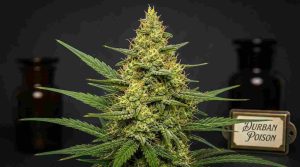
What is the Durban Poison Strain?
Durban Poison is a sativa strain with South African heritage, but modern commercial versions are not all genetically identical. The original Durban genetics came from South African cannabis populations, while later breeders selected and worked those genetics in different directions.
In the grow room, Durban Poison typically shows the traits associated with a sativa: tall vertical growth, long side branches, wider internodal spacing, and a noticeable stretch after flowering begins.
That structure is common among sativa cannabis strains, so indoor growers should plan for height before switching photoperiod plants to flower.
Is Durban Poison a Sativa or Indica?
Durban Poison is generally classified as a sativa.
However, it is better to separate the strain's South African heritage from the exact genetics of modern seed lines. Different breeders have selected, stabilized, and in some cases crossed Durban genetics over the years, so not every version should be described as genetically identical or as an untouched landrace.
The version covered in this review is listed as Original African Strain × Dutch Skunk. Despite that breeding history, it retains a strongly sativa growth pattern, with a tall frame, good lateral branching, and substantial early-flower stretch.
For cultivation purposes, I would treat it as a sativa from the beginning and manage the canopy accordingly.
Durban Poison Strain at a Glance
| Trait | Durban Poison |
| Genetics | Original African Strain × Dutch Skunk |
| Heritage | South African Durban-derived genetics |
| Strain type | Sativa |
| Seed type | Feminized photoperiod |
| THC | Up to 24% |
| CBD | Under 1% |
| Main terpenes | Terpinolene, myrcene, ocimene |
| Flavor | Spicy, sweet, vanilla |
| Effects | Commonly uplifting |
| Flowering time | 8–10 weeks |
| Height | 180–220 cm |
| Yield | 500–600 g/m² |
| Growing difficulty | Easy |
| Outdoor harvest | Around mid-October |
This distinction keeps the history and the product-specific genetics separate: Durban Poison has South African roots, while the version reviewed here represents a modern commercial selection rather than untouched landrace material.
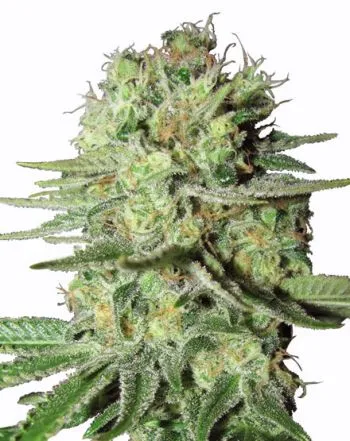

| THC % | Up to 24% |
|---|---|
| Flowering Time | 8-10 Weeks |
| Outdoor harvest | Mid October |
| Yield | 500-600gr/m² |
| Indica/Sativa | Pure Sativa |
| Height | Tall: 180cm-220cm |
| Difficulty | Easy |
| CBD Content | <1% |
| Climate | Mould Resistant, Sub Tropical, Tropical, Warm |
| Seed Type | Feminized |
| Genetics | Original African Strain x Dutch Skunk |
| Effects | Uplifting |
| Taste | Spicy, Vanilla, Sweet |
| Terpene | Terpinolene, Myrcene, Ocimene |
Where Did Durban Poison Come From?
Durban Poison traces its heritage to South Africa and takes its name from Durban, the major coastal city in KwaZulu-Natal.
Cannabis populations from this region developed under warm conditions and strong sunlight. Over time, those environmental pressures helped shape tall, narrow-leaved plants suited to open outdoor conditions.
South African Origins and Landrace Heritage
Durban Poison is often linked with South African landrace cannabis.
A landrace is a cannabis population that developed in a specific region over generations before widespread commercial hybridization. Climate, local farming practices, and natural selection all influenced how these plants grew.
Modern Durban Poison is better described as landrace-derived, because commercial versions have been selected and bred in different ways.
Growers interested in other regionally developed genetics can explore landrace cannabis seeds.
Who Bred Durban Poison?
Durban Poison did not originate with a single commercial breeder. Its roots lie in South African cannabis populations that were later collected, selected, and developed outside the region.
Historical accounts commonly connect Ed Rosenthal, Mel Frank, and Sam the Skunkman with the strain’s early development and spread in Western cannabis breeding. However, the exact path differs depending on the source, and modern Durban Poison lines have not all been bred in the same way.
That is why I would avoid treating every Durban Poison as genetically identical. The most reliable approach is to look at the lineage and specifications provided for the exact seed line you are growing.
Durban Poison THC, Terpenes, Taste and Effects
Durban Poison is known for a bright flavor profile built around sweetness, spice, herbs, and earthy undertones. Its effects are commonly described as uplifting and cerebral, which fits the character expected from a classic sativa.
How Strong Is Durban Poison?
Some modern Durban Poison versions are listed at up to 24% THC, with CBD usually below 1%.
Actual potency can vary with phenotype, light intensity, plant health, harvest timing, and growing conditions.
| Trait | Typical Durban Poison Profile |
| THC | Up to 24% in some modern versions |
| CBD | Usually below 1% |
| Main terpenes | Terpinolene, myrcene, ocimene |
| Main flavors | Sweet, spicy, herbal, vanilla |
| Secondary notes | Anise, licorice, pine, earth |
| Commonly reported effects | Uplifting, energetic, focused, cerebral |
I would treat THC figures as a benchmark rather than a fixed result.
What Does Durban Poison Taste Like?
Durban Poison leans more toward spice, herbs, and sweetness than the creamy or candy-style flavors found in many newer hybrids.
You may notice sweet and herbal notes first, followed by peppery spice and a woody or earthy edge. Some phenotypes develop more vanilla, while others show sharper anise or licorice notes.
The main flavor characteristics include:
- Sweet: Light sweetness, sometimes with vanilla tones
- Spicy: Peppery and herbal notes
- Anise or licorice: A sharper, distinctive sweetness
- Earthy: A deeper base that rounds out the profile
- Pine and herbs: Fresher notes on the finish
This gives Durban Poison a distinctly old-school sativa flavor.
What Does Durban Poison Smell Like?
The aroma is usually sweet, spicy, herbal, and slightly woody.
Terpinolene is often linked with the strain and can contribute herbal, floral, and woody notes. Myrcene adds earthier depth, while ocimene can bring a fresher, sweeter character.
| Terpene | Aroma and Flavor Contribution |
| Terpinolene | Herbal, woody, floral, slightly sweet |
| Myrcene | Earthy, musky, herbal |
| Ocimene | Sweet, fresh, green, lightly fruity |
Different phenotypes can lean more heavily toward spice, anise, pine, or sweetness.
What Are Durban Poison's Effects?
Durban Poison is most commonly associated with an uplifting, energetic, and cerebral effect.
Users often describe it as more stimulating than physically heavy, with reports of increased alertness, focus, and mental activity.
Commonly reported effects include:
- Uplifting: A brighter, more positive headspace
- Energetic: Better suited to active use than heavy relaxation
- Focused: Often described as clear-headed and engaging
- Cerebral: More mentally noticeable than physically sedating
- Creative: Sometimes associated with conversation, music, or creative tasks
Higher doses can feel much stronger, especially for users with a lower THC tolerance. Effects still vary from person to person, so these descriptions should be treated as common reports rather than guaranteed outcomes.
How to Grow Durban Poison
Durban Poison is generally straightforward to grow, but you need to stay ahead of its height. The plant develops quickly, stretches once flowering begins, and can become difficult to control if you leave training too late.
I would approach it in stages, with most of the structural work done during vegetative growth.
Step 1: Give the Plant Enough Space
Durban Poison can reach around 180–220 cm, so plan your grow space before the plant gets established.
Indoors, make sure you have enough vertical clearance between the canopy and the light. Outdoors, give each plant enough room for the side branches to spread without crowding neighboring plants.
Durban Poison grows well indoors or outdoors. Outdoor plants have more freedom to reach their natural size, making the strain a good fit for growers exploring outdoor cannabis seeds.
Step 2: Build a Strong Structure During Veg
The best time to control Durban Poison is during vegetative growth.
The plant develops a strong central stem with plenty of side branching, so I start shaping the canopy before flowering begins.
You can use topping to reduce apical dominance and encourage several main branches instead of one dominant top.
You can also use low-stress training to pull branches outward and keep the plant lower and wider.
I would avoid waiting until late flower to make major structural changes because the stems become less flexible as they mature.
Step 3: Choose a Training Method That Suits Your Space
You do not need to use every training technique at once.
Useful options include:
- Topping to create more main growth points
- LST to spread branches horizontally
- SCROG to create a flatter, more even canopy
- Selective pruning to remove weak or shaded interior growth
- Trellising to support longer branches during flowering
For a low indoor space, I would usually combine topping with LST or SCROG. If you have more vertical room, lighter training may be enough.
Step 4: Control the Flowering Stretch
Durban Poison continues gaining height after you switch a photoperiod plant to a 12/12 light cycle.
This flowering stretch is one of the main things you need to plan around.
I would switch to flower before the plants reach the maximum height you want them to finish at. If the canopy is already close to the light when flowering starts, you may run out of headroom quickly.
Keep checking the fastest-growing tops during the first few weeks of flower and guide them back into the canopy where needed.
Step 5: Keep Light, Airflow, and Climate Stable
Durban Poison performs best with strong light and good air movement.
Outdoors, warm conditions and plenty of direct sunlight suit the strain well. Indoors, you have more control over temperature, humidity, and canopy height.
As flowering progresses, keep airflow moving through and around the plant. A crowded interior can trap moisture, so remove weak growth that receives little light and contributes little to the final canopy.
Do not over-prune. The aim is to improve airflow and light penetration, not strip the plant bare.
Step 6: Feed According to the Plant, Not the Calendar
Durban Poison can grow quickly, but fast growth does not automatically mean it needs aggressive feeding.
I would pay close attention to:
- Leaf colour
- Leaf tip condition
- Growth rate
- Overall posture
If the leaves remain healthy and growth is steady, there is no reason to push nutrient strength higher.
Be especially careful with nitrogen. Too much can produce dark, clawed leaves and make late-flowering growth unnecessarily leafy.
Step 7: Support Branches During Flowering
As flowers gain weight, longer branches may need support.
A trellis, plant ties, or stakes can help stop branches from leaning or folding under their own weight.
Support is easier to add before branches become heavily loaded, so I prefer to put a framework in place early rather than waiting for a stem to bend.
Step 8: Allow 8–10 Weeks for Flowering
Durban Poison typically flowers in around 8–10 weeks.
That is relatively manageable for a sativa, but I would still judge harvest by the plant rather than the calendar alone.
Look at overall flower development and trichome maturity before deciding when to cut.
Step 9: Watch for Common Growing Problems
The main issues with Durban Poison are usually related to structure rather than plant sensitivity.
Watch for:
- Excessive height
- Strong flowering stretch
- Uneven canopy development
- Weak branches needing support
- Overfeeding
- Poor airflow
- Crowded interior growth
If you manage these early, the plant is much easier to work with.
Step 10: Harvest at the Right Time
Under suitable indoor conditions, some Durban Poison versions are listed at around 500–600 g/m².
Outdoor plants are often expected to finish around mid-October, although this can move depending on phenotype, latitude, and seasonal weather.
Do not harvest just because the expected date has arrived. Use flower maturity and trichome development as your final guide.
Overall, Durban Poison is a good strain for growers who want traditional sativa growth without an exceptionally long flowering period. The key is simple: control height early, keep the canopy open, and support the plant before heavy flowering sets in.
How Growers Can Manage Phenotype Variation
Phenotype variation is easiest to manage when you treat each Durban Poison plant individually rather than forcing every plant onto the same schedule.
During vegetative growth, watch for differences in height, internodal spacing, branch development, and overall growth rate. Taller plants may need earlier topping or more low-stress training, while shorter phenotypes may need less intervention.
If you are growing several plants together, I would focus on keeping the canopy level. Raise shorter plants where necessary, train taller branches outward, and adjust your SCROG or support system as the plants develop.
During flowering, pay attention to differences in:
- Stretch: Train faster-growing plants before they rise above the rest of the canopy.
- Flowering speed: Do not assume every plant will be ready to harvest on the same day.
- Feeding response: Adjust nutrients according to leaf colour and plant condition rather than giving every phenotype identical amounts.
- Branch support: Denser or heavier-flowering plants may need extra support.
- Aroma: Different terpene expressions can become much clearer as flowering progresses.
I also recommend keeping simple notes on each plant. Record which phenotypes stretch the most, finish earliest, produce the strongest aroma, or develop the structure you prefer. If you grow Durban Poison again, those observations give you a much better idea of what to expect.
The main point is not to eliminate variation, but to work with it. Keep the canopy even, adjust training and feeding plant by plant, and harvest each phenotype when it reaches maturity rather than treating the whole crop as identical.
Conclusion
Durban Poison remains a standout sativa for growers who want classic African genetics with a practical flowering time. It grows tall, responds well to training, and can perform indoors or outdoors when given strong light, good airflow, and enough space. Its sweet, spicy, and herbal flavor profile adds to its appeal, while the effects are commonly described as uplifting and energetic. The main challenge is managing height and phenotype variation, especially in mixed canopies. If you train early, monitor each plant closely, and harvest according to maturity rather than the calendar, Durban Poison is a rewarding strain to grow.
Frequently Asked Questions
Is Durban Poison indica or sativa?
Durban Poison is widely classified as a sativa and is strongly associated with South African landrace genetics. However, modern commercial versions can differ depending on how breeders have selected or crossed the strain over time.
How tall does Durban Poison grow?
Durban Poison can reach around 180–220 cm, although outdoor plants may grow taller when given more root space and a long vegetative season. Indoor growers usually control height with topping, LST, or SCROG.
How long does Durban Poison take to flower?
Most modern Durban Poison versions flower in around 8–10 weeks. Individual phenotypes may finish slightly earlier or later, so trichome maturity and flower development are better harvest indicators than the calendar alone.
Is Durban Poison easy to grow?
Durban Poison is generally considered easy to moderate in difficulty. Its main challenge is height management. If you train the plant early, maintain good airflow, and leave enough vertical space, it is relatively straightforward to manage.
What does Durban Poison taste and feel like?
Durban Poison commonly has a sweet, spicy, herbal flavor with possible notes of vanilla, anise, pine, and earth. Its effects are often described as uplifting, energetic, focused, and cerebral rather than heavily sedating.


