




Growing cannabis with aquaponics combines two sustainable growing methods into one highly efficient ecosystem. By using fish to produce natural nutrients and beneficial bacteria to convert those nutrients into a form cannabis can absorb, an aquaponics cannabis system eliminates the need for many synthetic fertilizers while significantly reducing water consumption. Although a cannabis aquaponics system takes more planning than traditional soil or hydroponic growing, the rewards can be impressive, including vigorous plant growth, healthy root development, and environmentally friendly cultivation.
Whether you're building your first aquaponics cannabis grow or looking to improve an existing setup, understanding how the system works is the key to success. In this guide, you'll learn how to choose the best aquaponics system, select suitable fish and cannabis strains, maintain water quality, troubleshoot common problems, and maximize your harvest. By the end, you'll have the knowledge to grow healthy, high-quality cannabis using one of the most sustainable cultivation methods available.
Key Takeaways
- Aquaponics combines fish, beneficial bacteria, and cannabis plants in a closed-loop ecosystem that naturally produces nutrients while using significantly less water than traditional growing methods.
- A mature nitrogen cycle is essential before introducing cannabis plants, as it ensures ammonia is converted into plant-available nitrate and creates a stable growing environment.
- Media bed systems are the best choice for most beginners, offering excellent root support, biological filtration, and easier maintenance than Deep Water Culture (DWC) or Nutrient Film Technique (NFT) systems.
- Stable water quality is more important than frequent adjustments. Regularly monitor pH, ammonia, nitrite, nitrate, and dissolved oxygen to keep both the fish and cannabis plants healthy.
- Cannabis is a heavy-feeding crop, so flowering plants may require aquaponic-safe supplements such as potassium, calcium, or chelated iron to achieve healthy growth and high-quality yields.
What is Aquaponics Cannabis and How Does It Work?
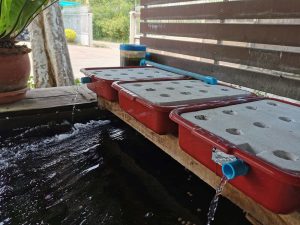
Aquaponics cannabis combines aquaculture (raising fish) with hydroponics (growing plants without soil) to create a self-sustaining growing system. Instead of feeding cannabis plants with bottled nutrients, an aquaponics setup relies on fish waste, beneficial bacteria and circulating water to deliver nutrients naturally.
For growers looking to reduce water use and explore sustainable cultivation, an aquaponics cannabis grow offers a compelling alternative to soil or hydroponics. While a cannabis aquaponics system requires more setup and monitoring, it can produce strong plant growth, healthy roots and consistent yields once established.
Unlike hydroponics, where nutrients are manually mixed, aquaponics depends on balancing fish, bacteria and plants. Each element supports the others, making it one of the most environmentally friendly ways to grow cannabis.
What is a cannabis aquaponics system?
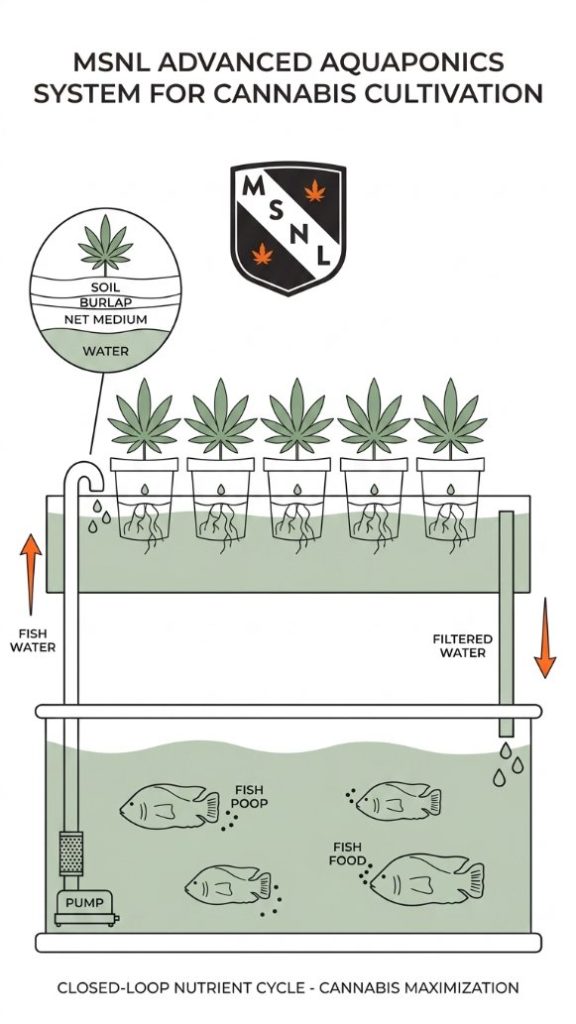
A cannabis aquaponics system is a closed-loop ecosystem where fish and plants work together. Fish produce waste, bacteria convert it into nutrients, and cannabis plants absorb those nutrients while cleaning the water before it returns to the fish tank.
Most aquaponics systems for cannabis include four core components:
- A fish tank where waste is produced
- A biological filter housing beneficial bacteria
- A water pump to circulate water
- A grow bed or Deep Water Culture (DWC) system for the plants
As fish are fed, they release ammonia-rich waste. While ammonia is toxic in high levels, beneficial bacteria convert it into plant-safe nutrients. The plants absorb these nutrients, and the filtered water cycles back to the fish tank.
One major advantage of aquaponics cannabis is sustainability. Instead of replacing nutrient solutions regularly, the system continuously generates nutrients through natural processes. Once mature, it can run efficiently for years with basic maintenance.
There are several system types. Media bed systems are beginner-friendly, offering plant support and space for bacteria to grow. Deep Water Culture (DWC) systems suspend roots in oxygen-rich water, promoting faster growth but requiring closer monitoring.
Regardless of the setup, patience is key. A cannabis aquaponics system typically takes four to six weeks to establish beneficial bacteria before plants can thrive.
How the nitrogen cycle feeds cannabis plants
The nitrogen cycle is the foundation of aquaponics. Without it, fish waste would become toxic and plants would lack nutrients.
The process begins when fish produce ammonia. Bacteria called Nitrosomonas convert ammonia into nitrite, which is then converted into nitrate by Nitrobacter. Nitrate is the primary form of nitrogen that cannabis plants absorb.
Nitrogen supports chlorophyll production, leafy growth and overall plant health. As plants absorb nitrate and other minerals, they naturally filter the water before it returns to the fish tank.
However, cannabis is a heavy feeder compared to typical aquaponic crops. During flowering, plants need higher levels of phosphorus, potassium, calcium and magnesium, which fish waste alone may not fully provide.
To compensate, growers often add fish-safe supplements like chelated iron or calcium. Maintaining stable pH and water quality is also essential, as fluctuations can affect both nutrient uptake and fish health.
Once established, the nitrogen cycle creates a stable ecosystem that continuously supplies nutrients without the need for frequent reservoir changes.
Aquaponics cannabis vs hydroponics vs soil growing
Each growing method has its advantages, and the best choice depends on your goals and experience.
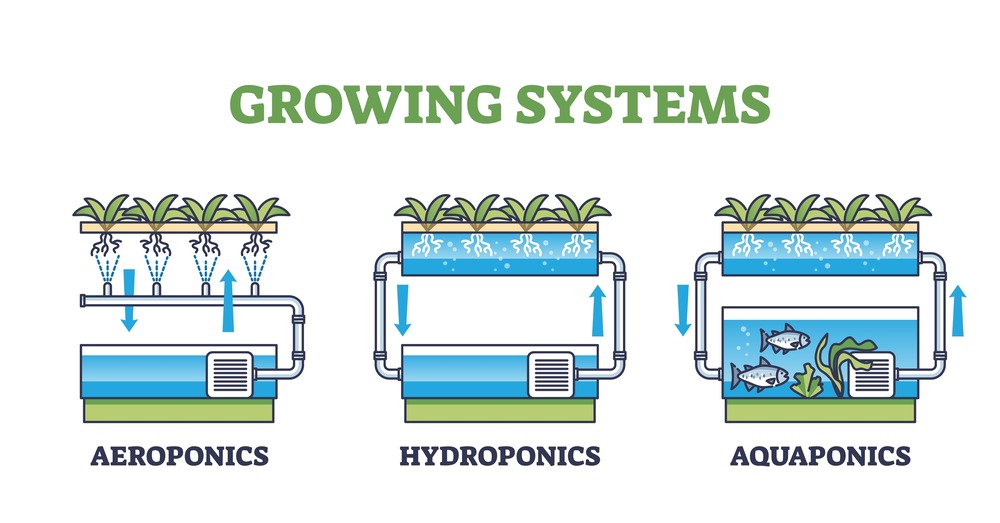
Aquaponics and hydroponics both grow cannabis without soil, allowing roots to access oxygen and nutrients efficiently. However, hydroponics relies on bottled nutrients that must be carefully managed, while aquaponics generates nutrients naturally through fish and bacteria.
Hydroponics offers more control and often faster growth. Aquaponics focuses on sustainability, reducing water use and eliminating synthetic fertilisers.
Soil is the simplest option for beginners, as it naturally buffers pH and nutrients. However, it uses more water and typically requires regular feeding.
| Feature | Aquaponics | Hydroponics | Soil |
| Nutrient source | Fish waste and beneficial bacteria | Mineral nutrients | Organic matter and fertilisers |
| Water usage | Very low | Low | High |
| Setup cost | High | Medium | Low |
| Maintenance | High | Moderate | Low |
| Sustainability | Excellent | Good | Moderate |
| Growth rate | Fast | Very fast | Moderate |
For growers willing to learn the system, an aquaponics cannabis grow offers a unique balance of sustainability, efficiency and plant health. While it requires more effort to set up, a mature cannabis aquaponics system can produce consistent results with minimal water use and reduced reliance on synthetic nutrients.
How to Build an Aquaponics Cannabis Grow System
A successful aquaponics cannabis grow begins with choosing the right system. Unlike hydroponics, where nutrient levels can be adjusted almost instantly, aquaponics relies on a living ecosystem made up of fish, beneficial bacteria, and cannabis plants. Each part of the system depends on the others, so selecting the right setup from the beginning will make the entire growing process more stable and productive.
While there are several types of aquaponics systems available, cannabis is very different from growing lettuce or herbs. It develops an extensive root system, grows much taller, and requires significantly more nutrients during flowering. For these reasons, not every aquaponics design is suitable for cannabis cultivation.
Choosing the best aquaponics system for cannabis
The best aquaponics system depends on your available space, budget, experience, and the number of cannabis plants you intend to grow.
For most home growers, a media bed system is the easiest and most reliable option. Plants are grown in expanded clay pebbles or gravel, which provide excellent support for heavy cannabis plants while acting as a natural biological filter. The growing media also creates a large surface area where beneficial bacteria can colonize, improving the efficiency of the nitrogen cycle.
Media bed systems are also forgiving if minor mistakes occur, making them an excellent choice for first-time aquaponic growers.
Deep Water Culture (DWC) systems suspend cannabis roots directly in oxygen-rich water. Because nutrients and oxygen are constantly available, plants often grow faster during the vegetative stage. However, these systems require careful monitoring of dissolved oxygen, water temperature, and root health. If aeration fails, roots can quickly become stressed.
Nutrient Film Technique (NFT) systems continuously flow a thin layer of nutrient-rich water through narrow channels. Although highly efficient for leafy vegetables, NFT is generally not recommended for cannabis because mature root systems can block the channels, and large flowering plants require significant support.
As a general rule, growers planning to cultivate two to four mature cannabis plants should consider a fish tank between 75 and 150 gallons. Larger water volumes remain more stable, making it easier to manage pH, water temperature, and nutrient availability.
Choosing a slightly larger system than you think you'll need is often worthwhile. Larger systems respond more slowly to sudden changes in water chemistry, making them much more forgiving for beginners.
Essential equipment for an aquaponics cannabis grow
Quality equipment forms the backbone of every cannabis aquaponics system. While premium components cost more initially, they are generally more reliable and require less maintenance over time.
| Equipment | Purpose | Recommendation |
| Fish tank | Houses the fish and provides nutrient production | 75–150 gallons for 2–4 plants |
| Grow bed | Supports cannabis roots | Media bed recommended for beginners |
| Water pump | Circulates water through the system | Pump should circulate the full tank volume every hour |
| Biofilter | Houses beneficial bacteria | Oversize whenever possible for improved stability |
| Air pump and air stones | Maintain dissolved oxygen | Use multiple air stones for healthy roots and fish |
| Grow lights | Provide light indoors | Full-spectrum LED fixtures |
| Water test kit | Monitors water chemistry | Test ammonia, nitrite, nitrate and pH weekly |
| Backup air pump | Prevents oxygen loss during power failures | Battery-powered models are highly recommended |
One of the most overlooked pieces of equipment is backup aeration. Even a few hours without oxygen can stress fish and damage cannabis roots, particularly during warm weather when oxygen levels naturally decline.
Selecting the best fish species for nutrient production
Fish are responsible for producing the nutrients that feed your cannabis plants, so choosing the right species is an important part of building a healthy ecosystem.
Beginners should prioritize hardy fish that tolerate changing water conditions while producing a steady supply of waste.
| Fish Species | Hardiness | Nutrient Production | Best For |
| Tilapia | Excellent | High | Most aquaponics cannabis systems |
| Koi | Excellent | Medium | Indoor and outdoor ornamental systems |
| Goldfish | Very Good | Medium | Beginners and smaller systems |
| Catfish | Good | High | Experienced growers |
| Trout | Moderate | Medium | Cool-climate outdoor systems |
Tilapia are widely regarded as the best all-round fish because they grow quickly, tolerate fluctuating water conditions, and produce plenty of nutrient-rich waste. However, they require warm water and may not be legal to own in every state.
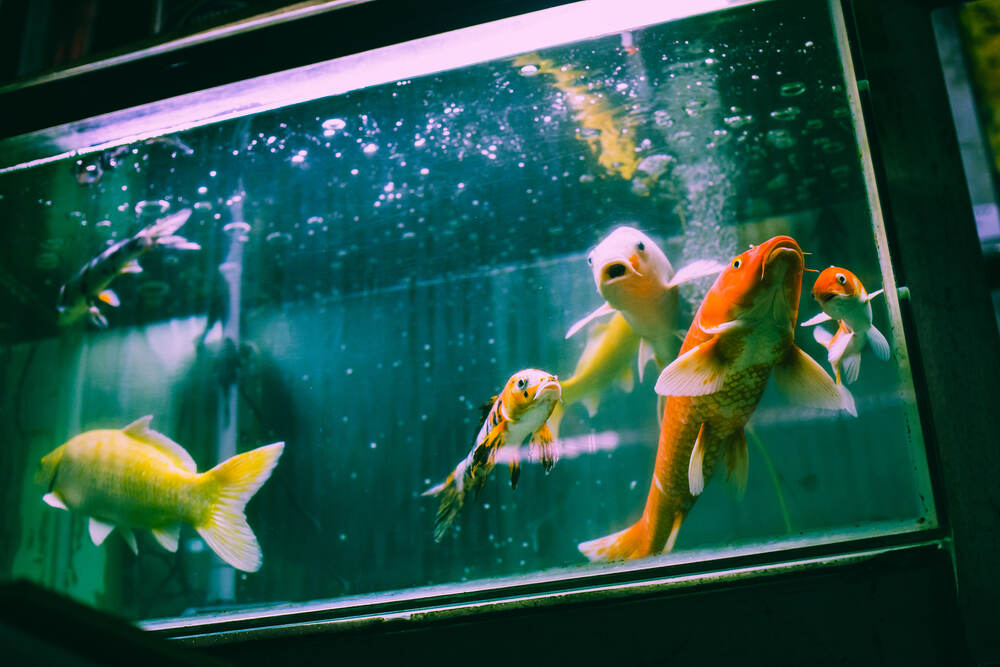
Goldfish and koi are excellent alternatives for home growers because they are inexpensive, easy to care for, and adapt well to a wide range of water conditions.
Regardless of the species you choose, avoid overstocking the fish tank. Many new growers assume more fish equals more nutrients, but excessive stocking often leads to ammonia spikes before the beneficial bacteria have time to process the waste.
Cycling your cannabis aquaponics system
Before adding cannabis plants, your aquaponics system must complete the nitrogen cycle. This process establishes the beneficial bacteria that convert toxic ammonia into nitrate, the primary nitrogen source used by cannabis.
Cycling normally takes four to six weeks, depending on water temperature and bacterial growth.
During this period, ammonia levels rise first as fish produce waste. As the bacterial colonies become established, ammonia begins to fall while nitrite levels increase. Eventually, nitrate becomes the dominant nutrient, indicating that the biological filter is functioning correctly.
The system is considered fully cycled when:
- Ammonia consistently measures 0 ppm.
- Nitrite consistently measures 0 ppm.
- Nitrate is present and increasing.
- The pH remains stable between 6.6 and 7.0.
Although it can be tempting to transplant cannabis as soon as nitrate appears, experienced growers recommend waiting until the system has remained stable for at least one week. Allowing the bacterial colony to fully mature creates a healthier ecosystem and reduces the risk of nutrient deficiencies during early vegetative growth.
Advantages and disadvantages of each aquaponics system
| System | Advantages | Disadvantages |
| Media Bed | Best for beginners, supports large cannabis plants, excellent biological filtration, low maintenance | Requires more growing media and takes up additional space |
| Deep Water Culture (DWC) | Extremely fast vegetative growth, excellent oxygenation and nutrient uptake | Requires close monitoring of water temperature and dissolved oxygen |
| Nutrient Film Technique (NFT) | Efficient water use and compact design | Limited support for mature cannabis plants and prone to root blockages |
For most growers, a media bed system offers the best combination of reliability, ease of maintenance, and long-term success. While Deep Water Culture can produce exceptional growth, it demands more experience and closer monitoring. NFT systems are better suited to lightweight crops than large flowering cannabis plants, making them a less practical choice for most home cannabis growers.
Growing Cannabis Successfully in an Aquaponics System
Once your cannabis aquaponics system is fully cycled, the focus shifts to maintaining a healthy balance between the fish, beneficial bacteria, and plants. Unlike hydroponics, where nutrient levels can be adjusted daily, aquaponics requires growers to think of the entire ecosystem. Stable water conditions, healthy roots, and consistent maintenance are far more important than chasing perfect nutrient readings.
Choosing the best cannabis strains for aquaponics
Most cannabis strains can be grown successfully in a mature aquaponics system, but vigorous indica and hybrid cultivars are generally the easiest for beginners. These varieties tend to tolerate minor fluctuations in nutrient availability while producing strong root systems and consistent growth.
Popular strains such as Northern Lights, Blue Dream, White Widow, and Critical are often recommended because they are resilient and perform well in controlled growing environments. Large sativa varieties can also thrive but usually require longer flowering periods and place greater demands on the system.
Whatever genetics you choose, start with high-quality seeds from a reputable breeder. Healthy seedlings establish more quickly and make better use of the steady nutrient supply provided by an aquaponics cannabis grow.
Germinating seeds and transplanting into the grow bed
Most growers germinate seeds outside the aquaponics system using Rockwool cubes, peat plugs, or coco starter plugs. Keep temperatures between 70°F and 80°F (21–27°C) while maintaining consistent moisture until healthy white roots appear.
Once seedlings have developed several sets of true leaves, place the starter plug directly into the grow media, ensuring the stem remains above the water line. Avoid disturbing the young roots, as they will rapidly colonize the grow bed once established.
Aquaponics encourages vigorous vegetative growth, so many growers use topping, low-stress training (LST), or SCROG techniques to create an even canopy and improve light penetration before flowering begins.
Managing pH, water quality, and dissolved oxygen
Maintaining stable water quality is essential because cannabis, fish, and beneficial bacteria all have different requirements. Cannabis absorbs nutrients most efficiently at a slightly acidic pH, while fish and nitrifying bacteria perform better closer to neutral. Most aquaponic growers maintain a compromise between pH 6.6 and 7.0, allowing the entire ecosystem to remain healthy.
Water quality should be monitored regularly throughout the grow.
| Parameter | Recommended Range |
| pH | 6.6–7.0 |
| Ammonia | 0 ppm |
| Nitrite | 0 ppm |
| Nitrate | 20–80 ppm |
| Dissolved Oxygen | 6–8 mg/L |
| Water Temperature | 68–75°F (adjust for your fish species) |
Healthy roots should appear bright white or cream-colored with a fresh, earthy smell. Brown, slimy roots or unpleasant odors usually indicate poor oxygenation or developing root disease and should be investigated immediately.
When topping up the system, always use dechlorinated water and avoid making large water changes unless absolutely necessary, as sudden changes can disrupt the beneficial bacteria that keep the system functioning.
Nutrient supplementation during the flowering stage
Although fish waste supplies a steady source of nitrogen, flowering cannabis requires higher levels of phosphorus, potassium, calcium, magnesium, and several micronutrients than the system may naturally provide. Potassium and iron deficiencies are among the most common nutrient issues during bloom, particularly because iron becomes less available as pH approaches neutral.
Many experienced growers supplement with aquaponic-safe calcium, potassium, or chelated iron products during flowering. Make adjustments gradually and continue monitoring both plant health and water quality, remembering that every supplement affects the fish as well as the plants.
In our experience, maintaining stable water chemistry consistently produces better results than making frequent nutrient corrections. Healthy fish, an established bacterial colony, and strong root development provide the foundation for producing vigorous plants and high-quality cannabis throughout the flowering cycle.
Common Aquaponics Cannabis Problems and How to Fix Them
Even the best-managed aquaponics cannabis system will occasionally develop problems. The difference between a successful harvest and a disappointing one is how quickly you identify the issue and correct it. Unlike soil or hydroponics, every adjustment in aquaponics affects three living components: the cannabis plants, the fish, and the beneficial bacteria that keep the nitrogen cycle functioning.
Rather than making large changes, troubleshoot one issue at a time and allow the system to stabilise before making further adjustments.
Preventing nutrient deficiencies and toxicities
Cannabis is a heavy-feeding plant, especially during flowering, so nutrient deficiencies can develop even in a mature aquaponics system. Fortunately, the symptoms are usually easy to identify if caught early.
| Plant Symptom | Likely Cause | How to Fix It |
| Yellow new leaves | Iron deficiency | Add an aquaponic-safe chelated iron supplement and maintain a stable pH between 6.6 and 7.0. |
| Yellow lower leaves | Nitrogen deficiency | Check fish health and feeding schedule. If nitrate levels are low, gradually increase feeding or stocking density once the system is mature. |
| Brown leaf edges | Potassium deficiency | Apply a fish-safe potassium supplement designed for aquaponics. |
| Weak stems or distorted growth | Calcium deficiency | Use an aquaponic-safe calcium supplement and avoid sudden pH changes. |
Avoid using conventional hydroponic nutrient concentrates, as their salt content can stress fish and disrupt the beneficial bacteria that convert fish waste into plant nutrients.
Likewise, avoid adding multiple supplements at once. Correct one deficiency, monitor the plants for several days, and only make further adjustments if symptoms persist.
Managing pests, algae, and root health
Although aquaponics eliminates many soil-borne diseases, cannabis plants are still vulnerable to pests such as aphids, spider mites, fungus gnats, and whiteflies.
Inspect both sides of the leaves every few days, especially during vegetative growth. Small infestations can usually be controlled by removing affected leaves or introducing beneficial insects such as ladybirds or predatory mites.
If foliar sprays are necessary, always cover the grow bed and fish tank first to prevent products entering the water. Even natural pesticides can affect fish if they contaminate the system.
Algae is another common problem in aquaponics. It develops when nutrient-rich water is exposed to sunlight or strong grow lights. Cover exposed tanks, pipework, and grow beds to block light, remove algae by hand, and ensure water is circulating properly.
Healthy cannabis roots should be bright white or cream coloured with a fresh earthy smell. Brown, slimy, or foul-smelling roots usually indicate low dissolved oxygen or the early stages of root rot. Increase aeration immediately, clean blocked air stones, inspect the water pump for reduced flow, and remove any dead root material before the problem spreads.
Troubleshooting poor plant growth and fish health
When cannabis growth slows unexpectedly, resist the temptation to add more nutrients immediately. Instead, check the water chemistry first.
Test ammonia, nitrite, nitrate, pH, and water temperature before making any adjustments.
If ammonia or nitrite are above 0 ppm, stop feeding the fish for a day or two, improve aeration, and allow the beneficial bacteria time to process the waste. Avoid adding more fish until the system has stabilised.
Fish are often the first indicator that something is wrong. If they become sluggish, gasp at the surface, or stop eating, immediately check dissolved oxygen levels and ensure pumps and air stones are operating correctly.
If plant growth remains slow despite good water quality, the bacterial colony may still be immature. Continue cycling the system, avoid overfeeding, and consider adding a commercial nitrifying bacteria culture to strengthen the biological filter.
Common mistakes to avoid when growing cannabis with aquaponics
Many problems can be avoided by following a few simple rules.
| Mistake | Why It's a Problem | Best Practice |
| Adding cannabis before the system has cycled | Plants receive inconsistent nutrients | Wait until ammonia and nitrite remain at 0 ppm for at least one week. |
| Overstocking the fish tank | Causes ammonia spikes and stresses fish | Increase fish numbers gradually as the biofilter matures. |
| Making large pH adjustments | Stresses fish and beneficial bacteria | Adjust pH slowly over several days if required. |
| Cleaning the biofilter with tap water | Chlorine kills beneficial bacteria | Rinse filters using water from the aquaponics system. |
| Using standard hydroponic nutrients | Can increase salinity and harm fish | Only use supplements specifically formulated for aquaponics. |
One of the biggest lessons experienced growers learn is that patience almost always produces better results than constant adjustments. A stable aquaponics ecosystem can tolerate small fluctuations without affecting plant health, while frequent changes often create larger problems than the original issue. Regular water testing, careful observation, and gradual corrections will keep both your cannabis plants and fish healthy throughout the entire growing cycle.
Conclusion
Growing cannabis with aquaponics can be highly rewarding for growers willing to learn how the ecosystem functions. By combining fish, beneficial bacteria, and plants in a closed-loop system, aquaponics can produce healthy cannabis while using less water and fewer synthetic inputs than traditional methods.
Although aquaponics has a steeper learning curve than soil or hydroponics, it offers long-term benefits for those focused on sustainability and efficiency. Success depends on establishing the nitrogen cycle, maintaining stable water quality, and making gradual adjustments rather than frequent changes.
Cannabis is a heavy feeder, so some supplementation may be needed during flowering. However, with proper monitoring and maintenance, a balanced aquaponics system can deliver strong growth and high-quality yields.
Patience and consistency are key. Focus on maintaining a stable ecosystem, and both your fish and cannabis plants will thrive.
Frequently Asked Questions
Can you grow cannabis successfully in an aquaponics system?
Yes. Cannabis can grow very well in a mature aquaponics system, provided the nitrogen cycle is fully established and water quality is carefully maintained. While cannabis has higher nutrient demands than most aquaponic crops, healthy fish, beneficial bacteria, and occasional aquaponic-safe supplements can produce vigorous plants and excellent yields.
What are the best fish for an aquaponics cannabis grow?
Tilapia are widely considered the best choice because they are hardy, grow quickly, and produce plenty of nutrient-rich waste. Koi and goldfish are also excellent options for beginners, while catfish and trout are better suited to experienced growers with specific environmental conditions.
Do cannabis plants need extra nutrients in aquaponics?
Usually, yes. Fish waste provides a continuous source of nitrogen, but flowering cannabis often requires additional potassium, calcium, magnesium, and iron. Always use supplements that are specifically formulated for aquaponics to avoid harming the fish or beneficial bacteria.
What is the ideal pH for growing cannabis in aquaponics?
Most growers aim for a pH between 6.6 and 7.0. Although cannabis absorbs nutrients best at a slightly lower pH, this range provides the best compromise for healthy fish, beneficial bacteria, and nutrient availability within the aquaponics system.
Is aquaponics better than hydroponics for growing cannabis?
Neither method is universally better—it depends on your goals. Hydroponics offers greater control over nutrient levels and can produce faster growth, while aquaponics is more sustainable because it recycles water and uses fish waste as a natural nutrient source. If you're looking for an environmentally friendly growing method and enjoy maintaining a living ecosystem, aquaponics is an excellent choice.


