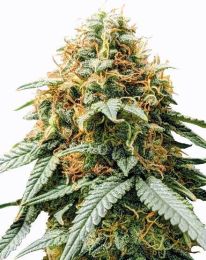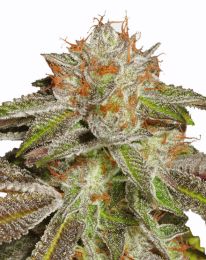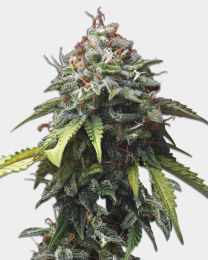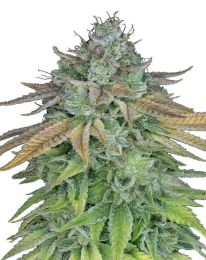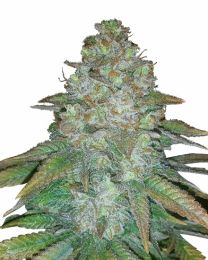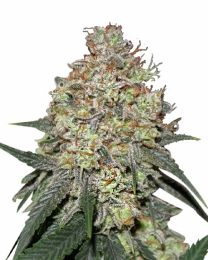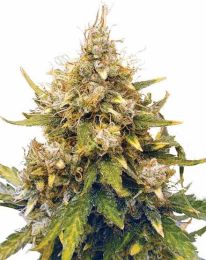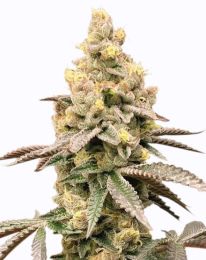




Sativa Cannabis Seeds
Our sativa cannabis seeds bring together classic sativa genetics and modern sativa-dominant hybrids chosen for their uplifting, energetic effects and distinctive growing characteristics. Sativas generally grow taller and take longer to flower than indicas, so you'll need a little more space and patience, but for many people the clear-headed, cerebral experience after harvest makes that extra time well worth it. We've put together a collection that ranges from landrace-inspired varieties to modern hybrids, with every strain evaluated to ensure it meets the standards we set for our genetics.
Read MoreWhat Are Sativa Cannabis Seeds?
Sativa cannabis seeds produce plants that are generally taller, more slender and longer flowering than indica varieties. Their genetics are native to warmer regions with long growing seasons and tropical climates, including parts of Southeast Asia, Central America and regions close to the equator.
Those growing conditions help explain many of the characteristics you still see in sativa genetics today. Plants tend to stretch considerably as they enter flowering, develop long branches with narrower leaves, and take their time reaching maturity. Given enough room, however, that vigorous growth can develop into very large plants with impressive yields.
Most modern sativa strains are actually sativa-dominant hybrids rather than pure sativas. This isn't necessarily a bad thing. Introducing carefully selected genetics from other lines can shorten flowering times, improve indoor manageability or add potency while retaining much of the growth pattern and uplifting effects people want from a sativa.
Why Choose Sativa Cannabis Seeds?
For many people, the biggest reason to choose sativa genetics is their effects. Sativa-dominant strains offer an uplifting, energetic and more cerebral experience, making them particularly popular for daytime use, socializing or occasions when you want to remain active rather than settle down for the evening. Effects vary considerably between strains and from person to person, but this distinction is one of the main reasons people choose sativas over indicas.
There's plenty to like about growing them too. If you've got the space, sativas can become impressive plants. Their vigorous growth, longer branches and extended flowering period give them plenty of time to develop, particularly outdoors where you're not restricted by the height of a grow room.
The trade-off is time. Many sativas simply won't be rushed. Flowering can take 10–14 weeks in some varieties, compared with the shorter flowering periods typically associated with indica genetics. If your priority is getting to harvest as quickly as possible, they probably aren't your first choice. If you're happy to wait for the characteristics and effects that make good sativa genetics distinctive, that longer flowering period can be well worth accepting.
Are Sativa Seeds Right for You?
Before choosing a sativa, we'd think about three things: the effects you want, the space you have available and how long you're prepared to wait.
Effects: If you prefer uplifting, energetic and cerebral effects over the heavier relaxation normally associated with indicas, sativa genetics are the obvious place to start. From there, you can narrow your choice according to potency, flavor and the individual characteristics of each strain.
Space: Sativas can stretch significantly during flowering, so don't choose a strain based solely on its starting size. If you're growing indoors, check its expected final height and leave enough room between the canopy and your lights. Outdoors, that extra vigour becomes much less of a problem and can actually be an advantage if you have room for a large plant.
Time: Patience matters with sativas. Longer-flowering varieties may need several additional weeks compared with an indica, so consider whether that works with your indoor growing schedule or, outdoors, the length of your local growing season.
Sativa seeds are particularly well suited to:
- People looking for uplifting and energetic effects.
- Daytime or social use where heavier effects aren't wanted.
- Outdoor growers with plenty of available space.
- Indoor growers comfortable using plant training to manage height.
- Growers who don't mind a longer flowering period.
- Anyone interested in classic sativa and landrace-inspired genetics.
Growing Sativa Cannabis Seeds
The biggest thing to plan for when growing sativas is height. These plants can stretch considerably once flowering begins, and underestimating that stretch is one of the easiest ways to run out of room indoors.
If height is limited, we'd recommend training early rather than waiting until the plant is already approaching your lights. Low stress training, topping and ScrOG can all help spread growth horizontally and create a more even canopy. This doesn't just control height; it also helps more flowering sites receive useful light rather than allowing one main stem to dominate the canopy.
It's also worth remembering that a sativa's longer flowering period means you'll be maintaining the plant for longer. Keeping temperature, humidity, feeding and lighting consistent becomes particularly important when several additional weeks separate you from harvest.
Outdoors, sativas really come into their own when they're given enough warmth and a sufficiently long season. Their vigorous branching and potential size can translate into very large harvests under suitable conditions. The downside is that late-finishing varieties may struggle in regions where autumn brings cold temperatures and wet weather early, so always check flowering time against your local climate before choosing your seeds.
Sativa vs Indica: What's the Difference?
Although most modern cannabis strains are hybrids, many still lean strongly towards either sativa or indica genetics. Understanding the typical differences between them makes choosing between the two much easier.
Sativa genetics generally produce taller plants with narrower leaves, greater stretch and longer flowering periods. They're most commonly associated with uplifting, cerebral and energetic effects. Indica genetics tend to produce shorter, bushier plants with broader leaves and quicker flowering times, alongside the deeply relaxing, body-focused effects for which they're best known.
From a growing perspective, that usually makes indicas easier to accommodate in small indoor spaces, while sativas give you more to work with when height and growing time aren't major restrictions. Outdoors, a large sativa can take full advantage of the available space, provided your climate gives it enough time to finish.
Neither is better. If it were us, we'd choose based first on the effects we wanted and then make sure the plant's height and flowering time worked with the available setup. If you'd prefer characteristics from both sides, our hybrid cannabis seeds offer plenty of options between the two.
What Is a Pure Sativa?
Pure sativas are varieties whose genetics haven't been crossed with indica lines. Some of the best-known examples trace their origins to traditional cannabis populations from places such as Thailand, Colombia, Mexico and parts of Africa.
These older genetics are important because they've contributed many of the characteristics found in today's sativa-dominant hybrids. Their long flowering times and considerable stretch aren't always convenient for modern indoor growing, which is one reason breeders have crossed sativas with other genetics to produce plants that are easier to manage while retaining desirable sativa traits.
If you're interested in traditional genetics, pay close attention to flowering time and expected height. A more authentic sativa growing pattern can require considerably more patience and space than a modern sativa-dominant hybrid.
Choosing the Right Sativa Genetics
Not every sativa needs 14 weeks to flower or grows into a two-metre plant, so don't assume you need a huge garden to grow one. The amount of sativa influence varies considerably between modern hybrids, giving you plenty of room to find something that suits your setup.
If effects are your priority, start by considering the type of experience you're looking for and then compare potency and terpene profiles. If you're growing indoors, we'd pay particularly close attention to final height and flowering time. A slightly more compact sativa-dominant hybrid can give you many of the characteristics you're looking for without making height management unnecessarily difficult.
For outdoor growing, climate becomes more important. If you have a long, warm growing season, you can take advantage of slower-finishing genetics. If autumn arrives early where you live, choosing a faster-finishing sativa can reduce the risk of your plants still being several weeks from harvest when conditions deteriorate.
Popular Sativa Cannabis Strains
Sativa genetics cover everything from old-school varieties to modern, high-potency hybrids, so there's considerably more variation within the category than the name alone suggests.
When choosing between them, we'd look beyond the indica/sativa percentage and compare the characteristics that will actually affect your grow and harvest: expected effects, THC content, flowering time, final height, yield potential and flavor. That's a much better way to find a strain that suits you than simply choosing whichever variety has the highest sativa percentage.
Tips From the MSNL Grow Team
- Plan for stretch: don't wait until a sativa reaches your lights before thinking about height control. Start training while the stems are still easy to manipulate.
- Check flowering time: those extra few weeks matter, particularly outdoors where the weather may change before a late-finishing plant is ready.
- Use horizontal space: LST and ScrOG can turn vigorous vertical growth into a wider, more evenly lit canopy indoors.
- Don't choose on sativa percentage alone: compare height, flowering time, potency, terpene profile and effects to find genetics that genuinely suit your setup.
- Be patient: harvesting a long-flowering sativa early defeats the point of waiting for those genetics. Give your plants the time they need to finish properly.
One thing we've learned with sativa genetics is that a little planning at the beginning can save a lot of work later. Know how much room you have, expect plants to stretch, and choose a flowering time that suits your environment. Get those decisions right and the extra time sativas demand can reward you with exactly the vigorous growth, distinctive flavors and uplifting effects that made you choose them in the first place.
Looking for Sativa Autoflowers?
If you want sativa genetics with the speed and simplicity of automatic flowering, explore our sativa autoflower seeds. These strains begin flowering automatically without changing the light schedule and generally have a shorter seed-to-harvest time than photoperiod sativas.
Looking for Pure Sativa Genetics?
If you're specifically interested in pure sativa genetics, use the Pure Sativa filter above to narrow down the collection. Or, if you want to explore original cannabis genetics that haven't been crossbred, take a look at our landrace cannabis seeds.
Looking for Something More Relaxing?
If you prefer more relaxing, body-focused effects, explore our indica cannabis seeds. Indica genetics generally stay shorter and finish flowering sooner, making them a great alternative if you want something more relaxing and easier to manage indoors.