




The strongest autoflower strains combine exceptional THC potential, heavy resin production, and impressive yields with relatively short growing cycles. Thanks to advances in cannabis breeding, today's high-THC autoflowers offer growers a wide selection of potent genetics, with some varieties advertised at over 30% THC.
However, choosing the most potent autoflower strain involves more than looking at THC percentages. Genetics, terpene profiles, plant structure, and growing conditions all influence what you can expect from your seeds.
In this guide, I'll compare eight of the strongest autoflower strains, including Fat Bastard Auto, Bruce Banner Auto, and Kushberry Moonrocks Auto. I'll explain their THC potential, flowering times, yields, and growing characteristics to help you choose the right high-potency autoflower for your experience level and growing space.
Key Takeaways
- Highest THC potential: Fat Bastard Auto leads this selection with an advertised maximum of 38% THC, although actual results require laboratory testing.
- High-yielding genetics: Bruce Banner Auto combines THC potential of up to 30% with an advertised indoor yield of 500–600 g/m².
- Compact growing options: Kushberry Moonrocks and Do Si Dos Auto typically reach 60–100 cm, making them suitable for smaller growing spaces.
- Potency varies between plants: Cannabinoid production depends on genetics and growing conditions, so advertised THC percentages are not guaranteed.
- Choose genetics that suit your setup: Consider plant height, flowering time, growing difficulty, and yield potential alongside THC levels when selecting autoflower seeds.
- What Makes the Strongest Autoflower Strains So Potent?
- 8 Strongest Autoflower Strains Ranked by THC Potential
- How to Choose the Strongest Autoflower Strain for Your Grow
- Can Growing Conditions Affect Autoflower THC Levels?
- Stoney Tark's Picks for the Most Potent Autoflower Strains
- Conclusion
- Frequently Asked Questions
What Makes the Strongest Autoflower Strains So Potent?
Potency begins with genetics. Breeders select plants for cannabinoid production, resin traits and automatic flowering. Research into autoflower genetics has identified a gene associated with automatic flowering in cannabis, but it does not validate individual strain THC claims. Plants can still vary.
How THC Levels Influence Autoflower Potency
THC, or tetrahydrocannabinol, is the main intoxicating cannabinoid. At the same dose, more THC can produce stronger effects, although tolerance and individual sensitivity matter.
An “up to” percentage is a claimed maximum, not an average. Only laboratory testing establishes the THC concentration of a particular sample. I would not select seeds on that figure alone.
The Role of Cannabinoids, Terpenes and Resin Production
Glandular trichomes produce cannabinoids and terpenes. THC and CBD are cannabinoids; myrcene, limonene and caryophyllene contribute to aroma.
Trichome coverage cannot reveal a THC percentage. Terpenes describe aromatic potential, not guaranteed effects. Research into interactions between cannabis compounds remains incomplete.
8 Strongest Autoflower Strains Ranked by THC Potential
These strains are ordered by advertised THC maximum, not independent test results. The table lists flowering estimates, which may differ from full seed-to-harvest periods.
| Autoflower strain | Advertised THC | Flowering estimate | Expected height |
| Fat Bastard Auto | Up to 38% | 6–8 weeks | 100–180 cm |
| Kushberry Moonrocks Auto | Up to 32% | 8–10 weeks | 60–100 cm |
| Permanent Marker Auto | Up to 32% | 8–10 weeks | Short to medium |
| Bruce Banner Auto | Up to 30% | 8–10 weeks | Not specified |
| Godfather OG Auto | Up to 30% | 8–10 weeks | 100–180 cm |
| Do Si Dos Auto | Up to 28% | 6–8 weeks | 60–100 cm |
| Forbidden Runtz Auto | Up to 28% | 6–8 weeks | 100–180 cm |
| Forbidden Fruit Auto | 25–28%* | 8–10 weeks | 100–180 cm |
Forbidden Fruit has conflicting published THC maximums of 25% and 28%; its rank is provisional.
Kushberry Moonrocks Autoflower – Potent Compact Genetics
Kushberry Moonrocks Autoflower is an indica-dominant cross of Blackberry Moonrocks, Kushberry Moonrocks and ruderalis genetics. Advertised THC reaches 32%; height is 60–100 cm.
Berry, blueberry and floral notes define its listed aroma, with indoor yields advertised at 400–500 g/m². The product description estimates 8–10 weeks from seed to harvest, making this a useful small-space candidate.
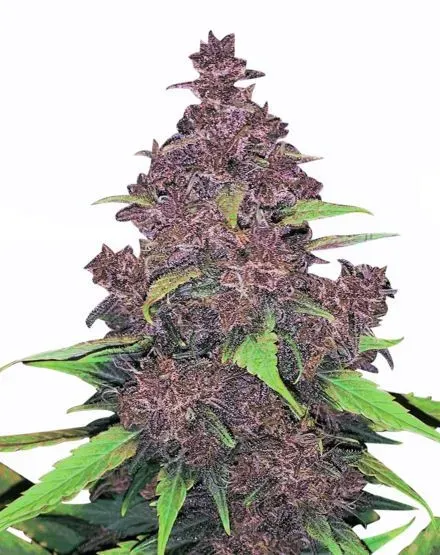
Fat Bastard Autoflower – Highest Advertised THC Potential
Fat Bastard Autoflower combines Goldmember, Monkey Spunk and ruderalis genetics. Its advertised THC maximum is 38%, without independent confirmation here.
Its listed height is 100–180 cm and indoor yield potential 400–500 g/m². The terpene profile includes caryophyllene, limonene and myrcene. Flowering is estimated at 6–8 weeks. This estimate should not be mistaken for the complete life cycle.
Grower tip: Plan for the upper height estimate; fast flowering does not mean compact growth.
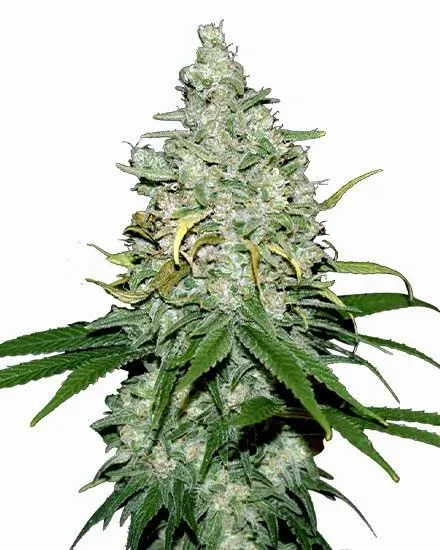
Permanent Marker Autoflower – High THC and Rich Aromas
Permanent Marker Autoflower combines Biscotti, Sherb BX, Jealousy and ruderalis genetics. It is advertised at 32% THC, with sweet, floral and gassy notes.
The listed flowering period is 8–10 weeks, but the complete cycle is 10–12 weeks. It is described as short to medium in height and carries a listed indoor yield of 400–500 g/m². Budget time for the full cycle.
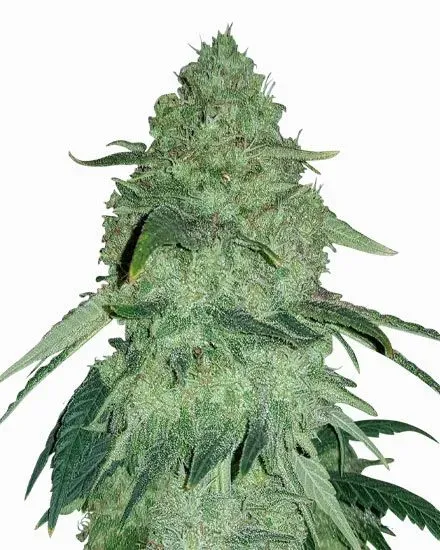
Bruce Banner Autoflower – Strong Potency and Heavy Yields
Bruce Banner Autoflower combines OG Kush, Strawberry Diesel and ruderalis genetics. Published figures include 30% THC, 8–10 weeks of flowering and 500–600 g/m² indoors.
Its published yield is among the highest here but is not guaranteed per plant. With no specific mature height listed, plan your available space conservatively.
Grower tip: Check heavy branches and add support before stems bend sharply.
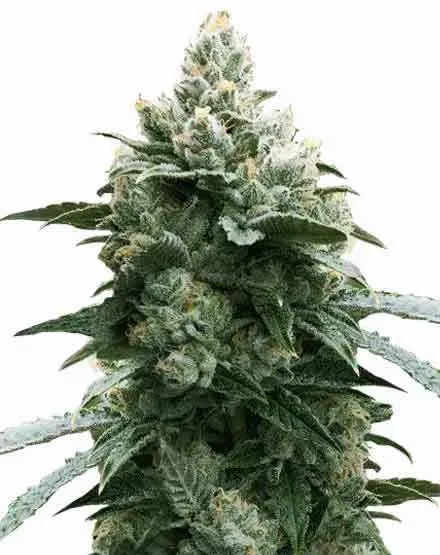
Godfather OG Autoflower – High-Potency OG Genetics
Godfather OG Autoflower combines Godfather OG and ruderalis genetics. Advertised THC reaches 30%, with 400–500 g/m² indoor yield potential.
At 100–180 cm, it requires headroom. Its listed flowering estimate is 8–10 weeks. Its fruity, sweet and woody aroma is associated with myrcene, limonene and beta-caryophyllene.
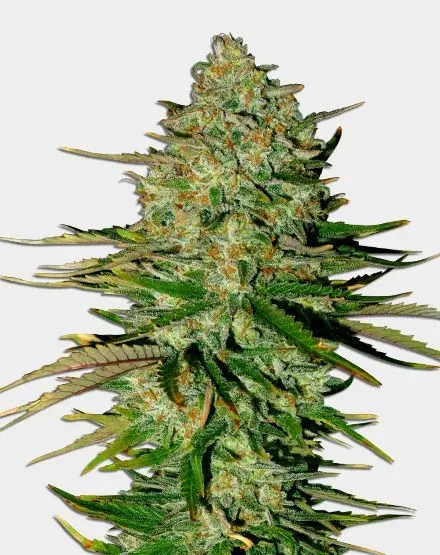
Do Si Dos Autoflower – Compact and Fast-Finishing
Do Si Dos Autoflower combines Girl Scout Cookies, Face Off OG and ruderalis genetics. Its advertised THC reaches 28%, with a compact 60–100 cm height.
It is rated easy to grow, with 6–8 weeks of flowering, an advertised indoor yield of 500–600 g/m² and earthy, skunky, sweet-pine notes. Consider it for restricted headroom.
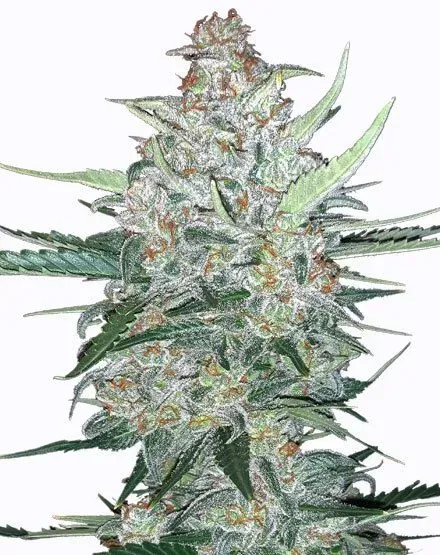
Forbidden Runtz Autoflower – Fast Growth and Resin Production
Forbidden Runtz Autoflower crosses Forbidden Fruit with Runtz Auto genetics. Its advertised THC maximum is 28%, flowering estimate 6–8 weeks and height 100–180 cm.
Citrus, berry and earthy notes distinguish its aroma. The advertised indoor yield is 400–500 g/m². Despite the short flowering estimate, plan for a medium-sized plant.
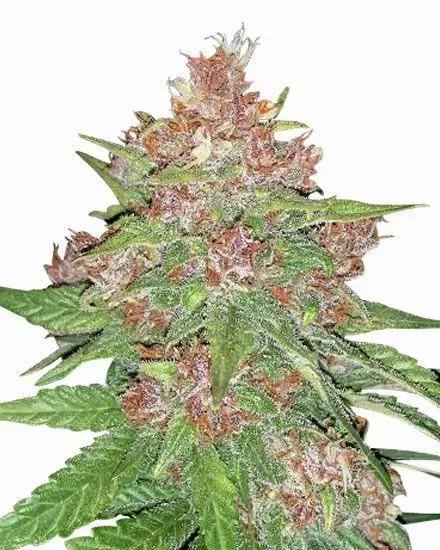
Forbidden Fruit Autoflower – High THC and Fruity Aromas
Forbidden Fruit Autoflower combines Cherry Pie, Tangie and Siberian ruderalis genetics. This indica-dominant auto has a fruity aroma, 8–10-week flowering estimate and 400–500 g/m² listed yield.
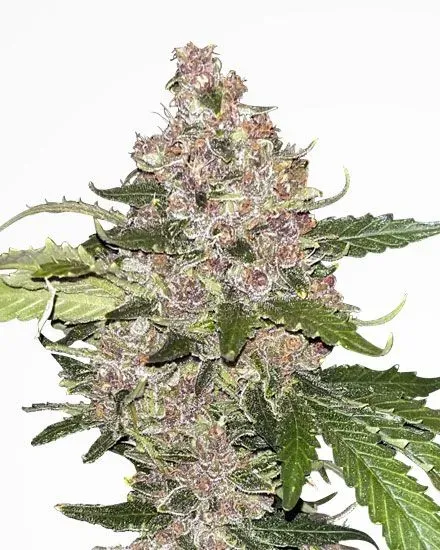
Its product description lists 25% THC, while the specification table lists 28%. Both remain unverified claims. Attractive flower pigmentation, also associated with this strain, cannot confirm cannabinoid content.
How to Choose the Strongest Autoflower Strain for Your Grow
Choosing the strongest autoflower strain involves more than finding the highest THC percentage. Before buying seeds, consider the plant's expected size, growing requirements, harvest potential, and how well its characteristics match your experience level.
Match Potency to Your Preferences
Start by checking the strain's advertised THC range and cannabinoid profile. Look for laboratory results where available, as breeder estimates represent potential rather than guaranteed potency.
Pay attention to the terpene profile, too. Compounds such as limonene, myrcene, and caryophyllene contribute different aromatic characteristics, helping you identify strains that suit your preferences.
If you are new to high-THC cannabis, remember that stronger products can produce more intense effects. Indica and sativa classifications alone cannot reliably predict how a strain will affect you.
Consider Plant Height and Yield Potential
Check the expected mature height before choosing your seeds. Compact autoflowers such as Kushberry Moonrocks and Do Si Dos, which typically reach 60–100 cm, may be easier to accommodate in smaller spaces.
When comparing yield estimates, look at how they are measured:
- g/m²: Expected harvest weight per square metre of growing space.
- g/plant: Estimated harvest weight from an individual plant.
These figures are estimates, not guaranteed results. Your growing environment, available light, and plant health all influence the final harvest.
For more information, read our guide to improving autoflower yields.
Compare Autoflower Life Cycles and Growing Difficulty
Check whether the advertised growing time refers to flowering alone or the complete period from seed to harvest. This distinction matters when planning how long your plants will occupy the growing space.
Next, assess the strain's growing difficulty. Beginners should look for autoflowers with manageable growth, predictable development, and reasonable tolerance to environmental changes.
Autoflowers have a limited period of vegetative growth, so early setbacks can affect their final size and yield.
Grower tip: I recommend choosing a manageable, reliable autoflower for your first grow rather than selecting purely for maximum THC potential. Learn how the plant develops before moving on to more demanding genetics.
You can also read our guide to autoflower light schedules to understand how lighting relates to plant development.
Can Growing Conditions Affect Autoflower THC Levels?
Yes. Genetics influence potential cannabinoid production, but plant health and environment can affect the final chemical profile. Light availability, temperature, root development and nutrition all contribute to flower development. Severe stress can interfere with growth; it is not a dependable way to increase potency.
Grower tip: Treat flowering estimates as a planning guide, then assess actual maturity. Look at flower development and trichomes across several buds rather than relying on the calendar alone. For a closer look at the signs, see how to tell when an autoflower is ready to harvest.
Stoney Tark's Picks for the Most Potent Autoflower Strains
When it comes to choosing the strongest autoflower strains, two that stand out to me are Fat Bastard Auto and Bruce Banner Auto.
Fat Bastard Auto would be my first pick for sheer THC potential, with an advertised maximum of 38%. Bruce Banner Auto is another favourite of mine on paper, combining up to 30% THC with impressive yield potential. Both have plenty to offer, although I always remind growers that the figures on a seed listing are not guaranteed harvest results.
For beginners, I would also recommend considering Kushberry Moonrocks Auto. Its compact structure makes it a practical option if you are working with limited space.
My advice is simple: don't get too caught up chasing the highest THC percentage. Choose an autoflower that suits your growing experience and available space. A healthy, well-developed plant is far more rewarding than struggling with genetics that don't suit your setup.
Conclusion
The strongest autoflower strains offer an impressive combination of THC potential, resin production, and distinctive genetic characteristics. Whether you prefer the potency potential of Fat Bastard Auto, the generous yields of Bruce Banner Auto, or the compact structure of Kushberry Moonrocks, there is an option for different growing requirements.
My advice is to look beyond advertised potency and choose genetics that you can grow confidently. Getting the fundamentals right will always be more valuable than chasing impressive numbers.
Frequently Asked Questions
What Autoflower Strain Has the Highest THC?
Fat Bastard Auto has one of the highest advertised THC levels among the strains featured, reaching up to 38%. However, this is a breeder-stated maximum, not a guaranteed result. Actual THC concentrations can vary between individual plants and require laboratory testing to confirm.
Can Autoflower Strains Reach 30% THC?
Yes, several modern autoflower strains have advertised THC potential of 30% or higher, including Bruce Banner Auto and Godfather OG Auto. Advances in breeding have made high-potency genetics increasingly accessible, although published maximums do not mean every plant will achieve those concentrations.
Which Strong Autoflower Is Best for Small Spaces?
Kushberry Moonrocks Auto and Do Si Dos Auto are good options for growers with limited space. Both typically reach 60–100 cm, making them easier to accommodate indoors. Remember to account for container height, lighting equipment, and enough room for healthy plant development.
Are High-THC Autoflower Strains Difficult to Grow?
Not necessarily. High THC potential does not automatically make an autoflower more demanding. Many potent varieties are suitable for beginners, particularly those with predictable growth and straightforward environmental requirements. I recommend starting with genetics known for consistent development while you build your growing experience.

