




Indoor cannabis growers often look for ways to improve efficiency without harming plant health. One method gaining attention is the gas lantern routine, an alternative vegetative lighting schedule designed to reduce electricity use while keeping photoperiod cannabis in the vegetative stage.
Unlike a standard 18/6 cycle, the gas lantern routine cannabis growers use includes a one-hour light interruption during the night. This reduces total lighting time while preventing plants from flowering. Although widely used, opinions differ on whether it offers benefits beyond energy savings.
In this guide, you'll learn how the gas lantern grow routine works, why it maintains vegetative growth, and its pros and cons. We’ll also compare it to 18/6 and 24/0 schedules, discuss the gas lantern routine autoflowers question, and provide a step-by-step setup guide.
Key Takeaways
- The gas lantern routine (GLR) is an alternative vegetative lighting schedule that uses 13 hours of daily light to keep photoperiod cannabis plants in the vegetative stage while reducing electricity consumption.
- GLR is designed for photoperiod cannabis only. Autoflowering cannabis flowers based on age rather than light cycles, so the gas lantern routine offers little benefit for autoflower growers.
- The biggest proven advantage of the gas lantern routine cannabis growers use is improved energy efficiency. While some growers report healthier root development and stronger branching, there is limited scientific evidence that GLR consistently increases yields.
- Consistency is essential for success. Reliable timers, a lightproof grow room, and stable environmental conditions are critical, as missed light interruptions or light leaks can stress plants and affect growth.
- The gas lantern routine is best suited to experienced indoor growers looking to reduce operating costs during long vegetative periods. Beginners will often find a traditional 18/6 light schedule simpler and more forgiving.
What Is the Gas Lantern Routine in Cannabis Growing?
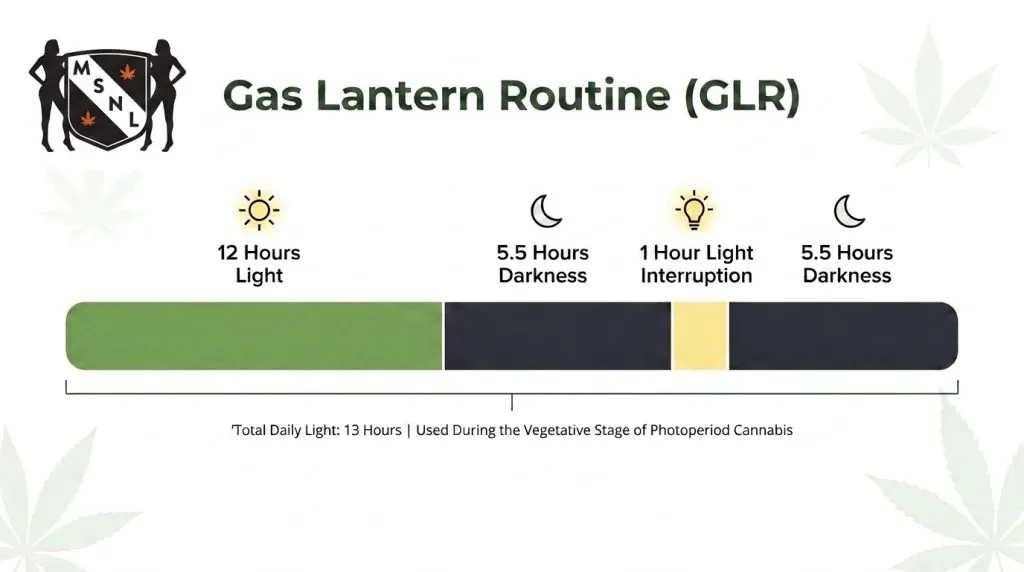
The Gas Lantern Routine (GLR) is an alternative cannabis light schedule used during the vegetative stage of photoperiod cannabis cultivation. Instead of the standard 18 hours of light and 6 hours of darkness (18/6), GLR uses a short one-hour light interruption during the night to keep plants in the vegetative stage while reducing electricity use.
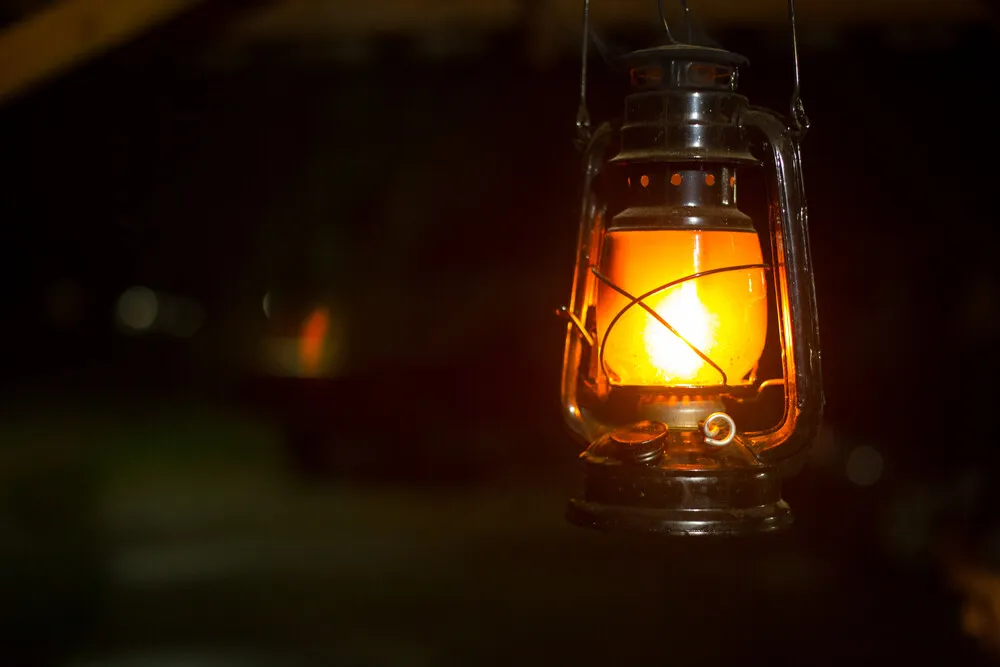
The method gets its name from early horticulture practices, when growers used gas lanterns to briefly interrupt darkness and prevent flowering. Today, growers achieve the same effect using modern cannabis grow lights and digital timers.
Most growers choose the gas lantern routine cannabis method to reduce energy costs without triggering flowering. Because lights run for only 13 hours per day instead of 18, growers can lower electricity consumption, reduce heat output, and ease strain on ventilation systems. For larger grows or extended vegetative periods, these savings can add up quickly.
From a cultivation standpoint, GLR is valued more for efficiency than performance gains. While some growers report improved vigor or branching, results vary depending on genetics and environment. The primary benefit remains reduced energy use while maintaining healthy vegetative growth.
GLR requires consistency and reliable equipment. It is not a beginner-proof method, but when executed correctly, it can be a practical option for controlled indoor grows.
What Is the Gas Lantern Routine (GLR)?
The Gas Lantern Routine is a 13-hour daily lighting schedule divided into four stages:
- 12 hours of light
- 5.5 hours of darkness
- 1 hour of light
- 5.5 hours of darkness
Although the lights are only on for 13 hours, the one-hour interruption prevents plants from experiencing the long, uninterrupted night needed to trigger flowering.
Compared to an 18/6 schedule, this reduces lighting time by about five hours per day, making GLR one of the most energy-efficient vegetative lighting strategies.
GLR is best suited for growers who:
- Want to reduce electricity costs
- Need to manage heat in indoor grow spaces
- Grow photoperiod cannabis under controlled conditions
- Can maintain a precise lighting schedule
It is generally not recommended for autoflowering cannabis, as autoflowers do not rely on light cycles to flower.
| Feature | Gas Lantern Routine |
| Growth Stage | Vegetative |
| Plant Type | Photoperiod cannabis |
| Daily Light | 13 hours |
| Daily Darkness | 11 hours (split into two periods) |
| Primary Benefit | Reduced electricity use while maintaining vegetative growth |
| Best For | Indoor photoperiod grows |
The 12/5.5/1/5.5 Light Schedule Explained
The gas lantern grow routine depends on precise timing. Inconsistent lighting can stress plants or trigger unwanted flowering.
The schedule works as follows:
| Time Period | Duration | Purpose |
| Main light period | 12 hours | Supports photosynthesis and growth |
| First dark period | 5.5 hours | Begins nighttime cycle |
| Light interruption | 1 hour | Resets flowering signals |
| Second dark period | 5.5 hours | Completes cycle while maintaining vegetative growth |
Example schedule:
| Time | Lights |
| 7:00 AM – 7:00 PM | ON |
| 7:00 PM – 12:30 AM | OFF |
| 12:30 AM – 1:30 AM | ON |
| 1:30 AM – 7:00 AM | OFF |
Using a reliable digital timer is essential. Even small inconsistencies can disrupt plant development.
Compared to traditional schedules, GLR significantly reduces energy use:
| Lighting Schedule | Daily Light Hours | Electricity Use | Best Use |
| 24/0 | 24 | Highest | Continuous vegetative growth |
| 18/6 | 18 | Moderate | Standard vegetative growth |
| Gas Lantern Routine | 13 | Lowest | Energy-efficient growth |
How the Gas Lantern Routine Keeps Cannabis in the Vegetative Stage
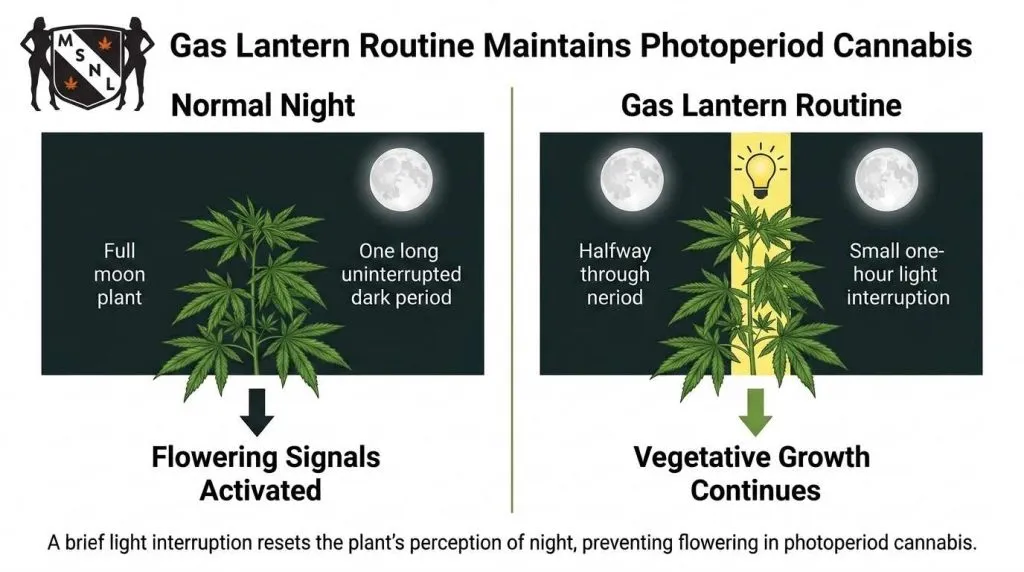
Cannabis plants don’t measure daylight—they measure uninterrupted darkness. When nights become long enough, plants begin preparing to flower.
This process is controlled by a pigment called phytochrome, which changes during darkness. Once a critical threshold is reached, flowering hormones are triggered.
The Gas Lantern Routine interrupts this process.
By adding one hour of light midway through the dark period, the plant’s internal clock resets. From the plant’s perspective, the night was never long enough to initiate flowering, so it continues vegetative growth.
This concept, known as night interruption lighting, has been used in horticulture for decades. GLR applies the same principle to cannabis while using less electricity than traditional lighting schedules.
While effective, GLR is not a shortcut to higher yields. Genetics, environment, and overall plant care have a greater impact on final results than lighting strategy alone.
How the Gas Lantern Grow Routine Works
Understanding why the gas lantern grow routine works requires looking at how cannabis responds to light at a biological level. Rather than measuring the total number of daylight hours, photoperiod cannabis monitors the length of uninterrupted darkness. This natural process evolved to help the plant recognize seasonal changes and determine the right time to reproduce.
For experienced growers, this understanding changes how lighting schedules are viewed. The goal isn't simply to provide more light it is to provide the right light at the right time. In commercial cultivation, maximizing efficiency is often just as important as maximizing plant growth, which is why alternative lighting strategies like GLR continue to attract interest.
Understanding Photoperiod Cannabis and Plant Biology
Cannabis falls into two categories when it comes to flowering: photoperiod and autoflowering. The Gas Lantern Routine is designed specifically for photoperiod varieties because they rely on changes in day length to determine when to transition from vegetative growth to flowering.
During the vegetative stage, cannabis prioritizes producing leaves, stems, branches, and roots. This growth is fueled by photosynthesis, but flowering is regulated by the plant's internal biological clock. Specialized light receptors detect the balance between light and darkness, allowing the plant to recognize seasonal changes long before temperatures begin to drop.
From our experience working with growers, successful vegetative growth depends on much more than the lighting schedule. Healthy root development, stable environmental conditions, proper nutrition, and genetics all contribute to plant vigor. Lighting simply provides the signal that tells the plant whether to continue growing or begin flowering.
| Plant Type | How Flowering Is Triggered | Suitable for GLR |
| Photoperiod cannabis | Length of uninterrupted darkness | Yes |
| Autoflower cannabis | Plant age and genetics | No |
Why Interrupting the Dark Period Prevents Flowering
The one-hour light interruption used in GLR doesn't provide enough additional light to significantly increase photosynthesis. Instead, its purpose is to interrupt the plant's flowering response.
During darkness, photoperiod cannabis gradually progresses toward the hormonal changes required for flowering. A brief burst of light effectively interrupts that process before the plant reaches its critical threshold, causing it to remain in vegetative growth instead.
This principle is well established in commercial horticulture, where night interruption lighting has been used for decades to delay flowering in ornamental crops such as chrysanthemums and poinsettias. The Gas Lantern Routine applies the same concept to cannabis cultivation.
In practice, experienced growers often find that GLR works best when every other environmental factor is optimized. Plants that are already stressed from poor irrigation, nutrient deficiencies, or fluctuating temperatures are generally less tolerant of any lighting strategy, including GLR. This is why professional cultivators typically view the Gas Lantern Routine as one tool within a broader cultivation program rather than a standalone technique.
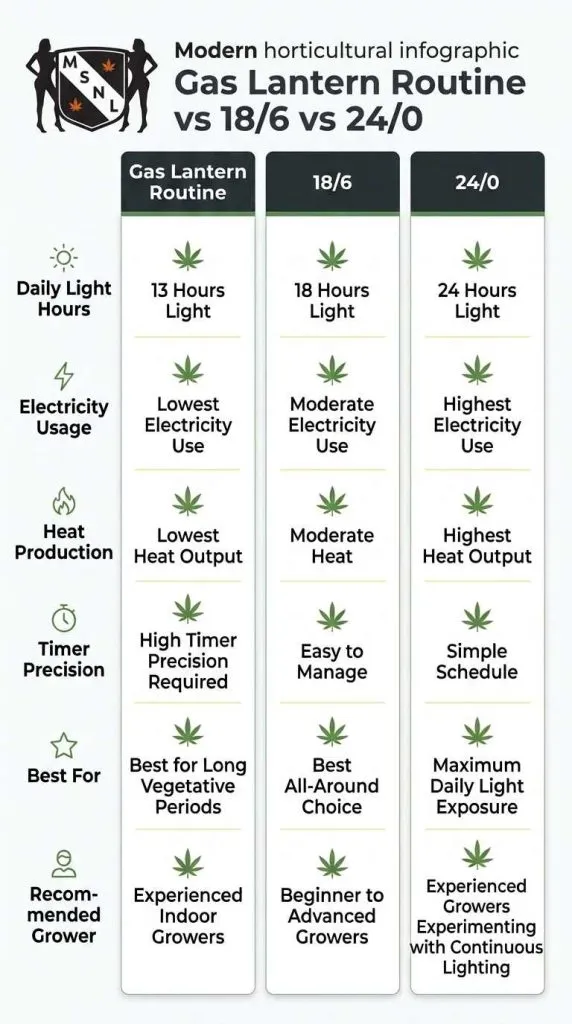
Gas Lantern Routine vs 18/6 vs 24/0 Light Cycles
Every vegetative lighting schedule involves trade-offs between electricity consumption, environmental control, and ease of management. No single schedule is universally superior, and the best choice depends on the grower's objectives.
The traditional 18/6 schedule remains the most widely used because it is simple, reliable, and forgiving. Plants receive ample light for photosynthesis while still benefiting from a daily dark period that supports normal plant metabolism.
A 24/0 schedule eliminates darkness entirely, maximizing daily light exposure. Some growers report faster vegetative growth under continuous lighting, while others see little difference compared to 18/6. Running lights around the clock also increases electricity costs and heat production, which can make environmental control more challenging.
The gas lantern routine cannabis growers use occupies a middle ground. By reducing daily lighting hours while strategically interrupting the night period, GLR can lower operating costs without allowing photoperiod plants to flower. However, this increased efficiency comes with less room for error, making timer accuracy and environmental consistency especially important.
| Feature | Gas Lantern Routine | 18/6 | 24/0 |
| Daily Light Hours | 13 | 18 | 24 |
| Electricity Consumption | Lowest | Moderate | Highest |
| Heat Production | Lowest | Moderate | Highest |
| Timer Precision Required | High | Low | Low |
| Best For | Energy-conscious indoor grows | Most home growers | Maximum lighting intensity |
| Suitable for Photoperiod Cannabis | Yes | Yes | Yes |
For most home growers, an 18/6 schedule remains the simplest option because it provides consistent results with minimal management. The gas lantern routine marijuana growers choose is often best suited to cultivators looking to reduce electricity costs during extended vegetative periods and who have the equipment and experience to maintain precise light cycles. Regardless of the schedule, genetics, environmental conditions, irrigation, and nutrition will always have a greater influence on plant performance than lighting alone.
If you’re ready to give GLR a try, it’s easier than you might think. With a little planning and some basic tools, you can set up this schedule and see the benefits firsthand.
Pros and Cons of the Gas Lantern Routine Cannabis Growers Should Know
The gas lantern routine cannabis growers use is designed to improve efficiency rather than dramatically increase plant growth. Like any cultivation method, it has clear advantages and disadvantages, so it's important to understand both before deciding whether GLR is the right fit for your grow.
Lower Electricity Costs and Reduced Heat Output
The biggest advantage of the gas lantern routine is lower energy consumption, making it particularly useful for growers cultivating indoor cannabis seeds under artificial lighting. Because grow lights run for only 13 hours instead of 18, indoor growers use approximately five fewer hours of electricity each day during the vegetative stage. Over several weeks, this can noticeably reduce electricity costs, particularly in larger grow rooms or commercial facilities.
Running lights for fewer hours also produces less heat. Cooler grow rooms are generally easier to manage, helping maintain stable temperatures while reducing the workload on extraction fans or air conditioning systems. This creates a more consistent growing environment and can help minimize heat-related plant stress.
Potential Benefits for Plant Growth and Root Development
Some experienced growers believe GLR encourages stronger root development, tighter internodal spacing, and stockier vegetative growth because plants spend longer uninterrupted periods in darkness. However, these observations are largely based on cultivation experience rather than controlled scientific research.
In practice, healthy genetics, proper irrigation, balanced nutrition, and environmental stability have a much greater influence on plant development than the lighting schedule itself. GLR should therefore be viewed as an energy-saving strategy rather than a guaranteed way to increase yields.
Potential Drawbacks Including Plant Stress and Hermaphroditism
The biggest disadvantage of the gas lantern grow routine is its small margin for error. Unlike an 18/6 schedule, the one-hour light interruption must occur at exactly the same time every day. Missed interruptions caused by timer failures or power outages can stress photoperiod cannabis plants.
Repeated light stress may also increase the risk of hermaphroditism in genetically susceptible cultivars. Hermaphroditic plants can develop both male and female flowers, potentially producing pollen that fertilizes female buds, resulting in seeded flowers and reduced harvest quality.
| Benefits | Why It Matters | Drawbacks | Why It Matters |
| Lower electricity costs | Reduces operating costs during long vegetative periods. | Requires precise timers | Missed light interruptions can stress plants. |
| Reduced heat output | Makes temperature management easier and reduces cooling requirements. | Less forgiving than 18/6 | Beginners may find traditional schedules easier to manage. |
| Maintains vegetative growth | Keeps photoperiod cannabis growing without triggering flowering. | Not suitable for autoflowers | Autoflowering cannabis flowers according to age, not light cycles. |
| Greater grow room efficiency | Particularly beneficial for larger indoor grows. | Yield increases aren't guaranteed | Most reported improvements are based on grower experience rather than scientific evidence. |
| Energy savings accumulate over time | Most noticeable during long vegetative periods. | Potential stress-related hermaphroditism | Can reduce flower quality if plants produce seeds. |
Is the Gas Lantern Routine Worth Using?
If your goal is to reduce electricity costs without sacrificing healthy vegetative growth, the gas lantern routine marijuana method can be an effective option for photoperiod cannabis. Based on grower experience, it works best in well-managed indoor grow rooms where lighting, temperature, and humidity remain consistent.
For first-time growers, a traditional 18/6 light schedule remains the more forgiving choice, especially when growing beginner cannabis seeds that are easier to manage indoors. Once you've gained experience managing an indoor grow, the gas lantern routine weed method is worth considering if energy efficiency is one of your priorities.
How to Use the Gas Lantern Routine Successfully
The gas lantern grow routine is most successful when every part of the growing environment is controlled. Unlike a standard 18/6 vegetative schedule, GLR leaves little room for error, so preparation and consistency are essential. Follow these steps to introduce the Gas Lantern Routine correctly and minimize unnecessary plant stress.
Step 1: Confirm GLR Is Right for Your Plants
Before changing your lighting schedule, make sure you're growing photoperiod seeds, as the Gas Lantern Routine is designed specifically for cannabis varieties that flower in response to changes in day length.
Plants should also be healthy before making the switch. Wait until seedlings are well established and avoid changing the light cycle if plants are suffering from nutrient deficiencies, pest damage, overwatering, transplant shock, or environmental stress. Healthy plants adapt to new lighting schedules much more reliably than stressed ones.
| Before Starting GLR | Check |
| Growing photoperiod cannabis | |
| Plants are healthy and actively growing | |
| Grow room is free from light leaks | |
| Temperature and humidity are stable | |
| Reliable digital timer installed |
Step 2: Prepare Your Grow Room and Equipment
Once you've confirmed GLR is suitable, prepare your grow room before changing the lighting schedule.
Whether you're using a dedicated cannabis grow room or a cannabis grow tent, inspect the space during the dark period and eliminate any unwanted light sources, including equipment LEDs, door gaps, windows, or ventilation openings. Even small light leaks can interfere with photoperiod-sensitive plants over time.
Next, choose a reliable digital timer rated for the electrical load of your lighting system. If you're running multiple high-powered fixtures, consider using a lighting controller or contactor instead of a basic household timer. From our experience working with indoor growers, timer failures are one of the most common reasons GLR doesn't perform as expected.
Before introducing plants to the new schedule, let the timer complete at least one full 24-hour cycle to confirm every on-and-off period is functioning correctly.
Step 3: Program the Gas Lantern Routine
Once everything has been tested, program the timer using the Gas Lantern Routine.
| Stage | Duration |
| Light | 12 hours |
| Darkness | 5.5 hours |
| Light interruption | 1 hour |
| Darkness | 5.5 hours |
Choose a lights-on time that fits your daily routine, allowing you to inspect plants during the main light period. Once the schedule is programmed, avoid making unnecessary adjustments. Consistency is one of the most important factors for successful GLR cultivation.
Step 4: Monitor Plants Throughout Vegetative Growth
During the first one to two weeks, observe plants closely. Healthy photoperiod cannabis should continue progressing through the cannabis vegetative stage without showing signs of flowering.
Look for:
- Healthy green foliage
- Strong lateral branching
- Consistent new leaf growth
- Compact internodal spacing
- No pistils or flowering sites
If plants begin stretching excessively, show signs of flowering, or appear unusually stressed, don't assume the lighting schedule is responsible. Check irrigation practices, nutrient levels, temperature, humidity, and timer accuracy before making changes. Experienced growers know that environmental problems are far more common than lighting problems.
Step 5: Transition to Flowering
Continue using the gas lantern routine cannabis growers rely on until plants have reached the desired size. Once you're ready to enter the cannabis flowering stage, remove the one-hour light interruption and switch to a standard 12/12 light cycle.
Avoid making gradual lighting changes or switching stressed plants into flower. Instead, ensure plants are healthy before changing the schedule, then maintain complete darkness during every night cycle to encourage a smooth transition.
Step 6: Troubleshoot Common Problems
Most GLR problems are caused by inconsistent management rather than the lighting schedule itself. If flowering begins unexpectedly, the first things to check are timer accuracy, power interruptions, and light leaks before assuming the method has failed.
| Common Problem | Likely Cause | Solution |
| Plants begin flowering early | Missed light interruption or light schedule changed | Check timer settings and restore the correct GLR schedule. |
| Plants appear stressed | Environmental conditions or inconsistent lighting | Check temperature, humidity, irrigation, and timer operation. |
| Excessive stretching | Light intensity too low | Adjust fixture height or increase light intensity during the main light period. |
| Timer resets after a power outage | Power interruption | Reprogram the timer immediately and monitor plants closely. |
| Light leaks during darkness | Equipment LEDs or gaps in the grow room | Seal light leaks and inspect the room during every dark cycle. |
The gas lantern routine marijuana method is best viewed as an energy-saving cultivation strategy rather than a shortcut to larger harvests. When combined with healthy genetics, proper nutrition, and a well-managed growing environment, it can be an effective way to maintain vigorous vegetative growth while reducing electricity costs.
Frequently Asked Questions:
Does the Gas Lantern Routine Increase Cannabis Yields?
There is no conclusive scientific evidence that the Gas Lantern Routine consistently increases cannabis yields. While some experienced growers report stronger branching, healthier root systems, or improved plant vigor, these results are largely anecdotal. The most reliable benefit of GLR is reduced electricity consumption during the vegetative stage rather than higher yields.
Does the Gas Lantern Routine Work for Autoflowers?
No. The gas lantern routine autoflowers search term is common, but the method is generally not recommended for autoflowering cannabis. Autoflowers begin flowering based on age and genetics rather than changes in light cycles, so using GLR provides little advantage over standard lighting schedules such as 18/6 or 20/4.
Can LED Grow Lights Be Used with the Gas Lantern Routine?
Yes. Modern LED grow lights are an excellent choice for the gas lantern routine cannabis method because they are energy efficient, produce less heat than HID lighting, and switch on instantly during the one-hour light interruption. Just make sure your lighting system provides adequate intensity during the main 12-hour light period.
What Happens If You Miss the One-Hour Light Interruption?
Missing a single interruption is unlikely to cause immediate flowering, but repeated timer failures or inconsistent lighting can stress photoperiod cannabis plants. If you discover the schedule has been interrupted, restore the correct timing as soon as possible and continue monitoring your plants for signs of stress or early flowering.
Is the Gas Lantern Routine Better Than an 18/6 Light Schedule?
Neither lighting schedule is universally better. It depends on your growing goals. The gas lantern routine weed method is best suited to growers looking to reduce electricity costs and heat output during the vegetative stage. For beginners, however, an 18/6 schedule is often the easier and more forgiving option because it requires less precision and leaves greater room for error.


