




Growing weed in tropical climates comes with unique challenges, from high humidity and heavy rainfall to consistent daylight hours. Tropical cannabis strains often develop tall plants, narrow leaves and longer flowering periods, but not every variety handles these conditions equally well.
Understanding how to grow tropical weed starts with choosing suitable genetics, recognising seasonal weather patterns and managing environmental risks. This guide explains how to grow tropical cannabis strains outdoors, including soil conditions, watering, flowering and common growing problems.
Key Takeaways
- Tropical cannabis strains often develop tall plants, open branches and longer flowering periods.
- Growing weed in tropical climates requires an understanding of humidity, rainfall, temperature and daylight.
- Tropical daylight hours remain close to 12 hours near the equator, which can affect when photoperiod strains begin flowering.
- Heavy rainfall and high humidity can increase the risk of root problems, fungal diseases and bud rot.
- Choosing tropical weed strains based on flowering time, plant structure and local conditions is more reliable than relying on sativa or indica labels.
What Are Tropical Cannabis Strains?
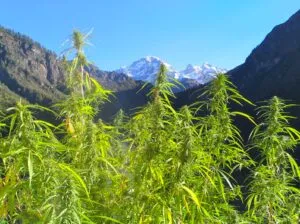
Tropical cannabis strains are varieties associated with warm, low-latitude regions, including Thailand, Colombia and parts of Central America. Some traditional landrace strains developed through generations of cultivation and local selection. Modern hybrids may contain their genetics without retaining every original characteristic.
Many traditional lines have narrow leaflets, long branches, considerable height and extended flowering periods. Flower structure varies between cultivars.
Do not assume every sativa-labelled variety suits tropical weather. Watts and colleagues (2021) found that commercial indica and sativa labels did not reliably distinguish cannabis samples by genome-wide genetic variation. Look instead for documented flowering response, plant size and flower structure.
What Conditions Do Tropical Strains Face?
Tropical climates are generally warm but differ in rainfall and elevation. A coastal rainforest may stay damp for much of the year, while a savanna may experience months with little rain. Highland locations can have cooler nights despite their tropical latitude.
| Environment | Typical weather | Main concern |
| Rainforest | Frequent rain, high humidity | Wet flowers and fungal disease |
| Monsoon | Intense seasonal rainfall | Waterlogged soil and storm damage |
| Savanna | Distinct wet and dry seasons | Changing water availability |
| Highland | Cooler nights, variable rain | Temperature shifts and site exposure |
How Do Subtropical and Temperate Climates Compare?
Subtropical climates often have hot summers but can experience cooler winters, including frost in some locations. A humid subtropical coast may receive frequent rain; a drier subtropical area faces different water conditions. Temperate climates usually have greater seasonal temperature changes and, in many places, a shorter frost-free period.
Daylight differs too. Temperate summer days can be substantially longer than those near the equator, followed by shorter autumn days. That seasonal shift influences flowering in photoperiod-sensitive varieties. Subtropical regions lie between these extremes, with variation depending on latitude.
For a separate discussion of seasonal risks, see growing cannabis in colder climates.
Why Does Daylight Matter?
At the equator, daylight stays close to 12 hours throughout the year. Photoperiod cannabis responds to the length of uninterrupted darkness, but the point at which flowering begins varies by cultivar. Some genetics selected for longer summer days may flower before achieving the size expected in a temperate region.
De Prato and colleagues (2022) compared hemp varieties under tropical day lengths and temperatures. Their findings showed different responses in flowering and growth between varieties. The study involved hemp, so it does not predict the response of every drug-type cultivar. For the basics, read how photoperiod plants respond to light.
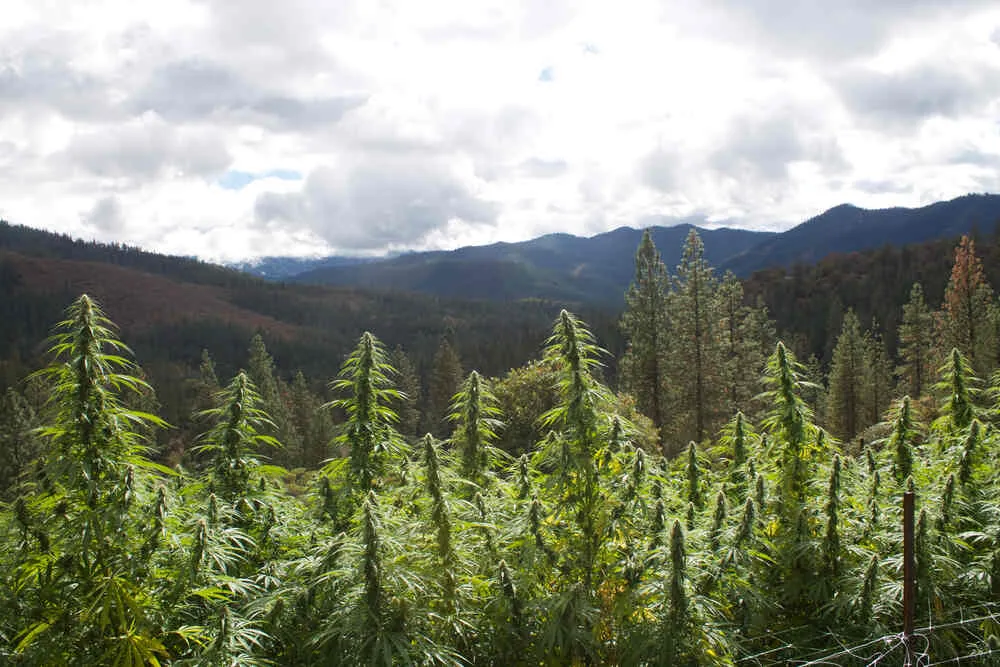
How to Grow Tropical Weed Outdoors
Step 1: Compare Genetics With the Local Season
Start by reviewing monthly rainfall records for the intended growing region. Identify when storms are common and whether the dry season is long or interrupted by heavy showers. Then compare those conditions with the cultivar's stated flowering duration. A long-flowering variety may spend several weeks exposed to wet weather.
Check mature height and the spacing between flowers as well. A tall plant can require substantial room, while compact clusters may retain moisture. Breeder descriptions are a starting point, not proof of performance in your location.
Grower Tip: Use rainfall records for the likely flowering period rather than relying on annual averages. A region can have a high yearly total but a relatively dry season.
For wider background, see the outdoor cannabis growing guide.
Step 2: Examine Sunlight, Air Movement and Shelter
Visit the location during the morning and afternoon. Notice which areas receive direct sunlight and which remain shaded by buildings or dense vegetation. A sheltered corner may seem protected from storms but can also hold still, damp air.
Check the direction of prevailing winds and look for exposed areas where tall branches could be damaged during heavy weather. Avoid judging the site on a single clear day: tropical conditions can change rapidly.
If leaves appear curled, dry at the edges or unusually limp during hot weather, check the surrounding conditions before deciding what caused the symptom. The heat stress guide explains common signs and look-alikes.
Step 3: Check Soil and Drainage
Inspect the ground after substantial rain. Puddles that remain for long periods suggest that water cannot drain freely. Dig below the surface to see whether the soil is compacted, sticky or still saturated even after the top begins drying.
Clay-rich ground may hold excess water; sandy soil can drain quickly and lose moisture during a dry spell. A suitable root environment retains some moisture while allowing air into the soil. Organic matter can help soil structure, but it will not make a flood-prone location suitable.
Where containers are permitted, keep drainage openings clear and bases out of standing water. The soil guide explains the differences between growing media.
Step 4: Read Moisture Conditions Before Watering
Rain does not always wet soil evenly. Dense foliage may shed water away from the root area, while a heavy downpour can soak the ground far below the surface. Check moisture beneath the top layer rather than judging the soil by appearance alone.
During extended dry weather, observe how quickly the root zone loses moisture. During wet weather, avoid adding water simply because the day is hot. A drooping plant in saturated soil may be experiencing poor root conditions rather than thirst.
Grower Tip: Compare the plant's appearance with soil moisture and recent weather. The same drooping leaves can accompany both water shortage and waterlogged roots.
Read more about watering cannabis plants.
Step 5: Watch Growth and Flowering Development
Record when flowers begin forming and compare the timing with the variety's description. Near-equatorial conditions can alter the growth pattern expected from a northern-hemisphere catalogue date. A short plant that begins flowering early is not necessarily unhealthy; its genetics may be responding to local daylight.
Observe whether branches stay open or flowers develop in tight clusters. These features matter when evaluating how moisture behaves around the plant. Avoid using the label tropical as a substitute for watching what the individual cultivar actually does.
Step 6: Inspect Flowers After Humid Weather
Look beyond the outer leaves. Bud rot may begin within a flower, where trapped moisture and restricted air movement create conditions that support the fungus Botrytis cinerea. Warning signs include browning tissue, collapsing flower material and visible fungal growth.
Buirs, Lung and Punja (2025) found that enhanced air circulation reduced bud rot incidence by 66–92% in their greenhouse experiments. That figure must not be treated as a guaranteed result outdoors, where rainfall and weather vary.
Grower Tip: After prolonged humid weather, inspect flowers for damage rather than assuming healthy-looking outer leaves mean the entire flower is sound. Do not use visibly contaminated material.
See the guide to identifying bud rot for signs that warrant closer attention.
Which Tropical Cannabis Strains Are Worth Exploring?
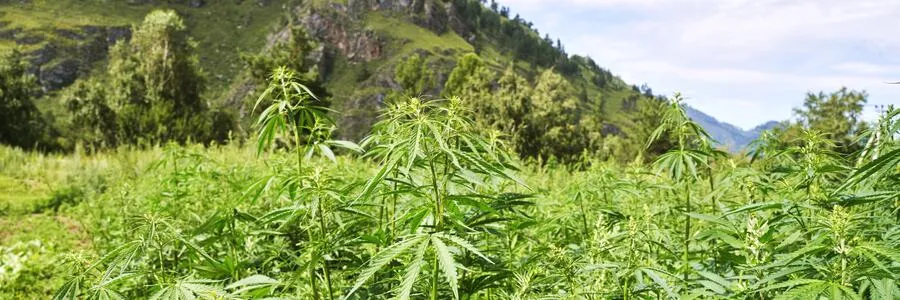
These varieties have links to warm regions, but their names and ancestry alone cannot establish suitability for a particular tropical location.
| Strain | Regional connection | Characteristic to investigate |
| Thai Stick | Thailand | Tall growth and extended flowering |
| Colombian Gold | Colombia | Flowering duration and seasonal fit |
| Maui Wowie | Hawaii | Flower structure and local rainfall |
| Purple Thai | Thai and Mexican ancestry | Mature height and flowering response |
Traditional names can cover different seed selections. Compare the specific product's documented traits with conditions reported by growers in similar regions.
Common Problems in Tropical Climates
| Symptom | Possible explanation | What to examine |
| Flowering earlier than expected | Day-length response | Genetics and local daylight |
| Drooping with damp soil | Poor root oxygen or disease | Drainage and root-zone moisture |
| Leaf edges drying | Heat or water stress | Temperature, wind and soil |
| Brown flower tissue | Bud rot or other damage | Internal flower condition |
Do not diagnose a plant from one leaf. Check recent rain, soil conditions and changes across the whole plant. For persistent root symptoms, consult the root rot guide.
Conclusion
Growing tropical cannabis strains starts with understanding the place rather than trusting a strain label. Daylight influences flowering, rainfall affects roots and flowers, and each cultivar has its own limits. Learn the local seasons, assess the site and keep records of plant development. Those observations provide a stronger basis for decisions than broad claims about tropical resilience.
Frequently Asked Questions
Can tropical cannabis grow outdoors all year?
Warm weather may permit growth across much of the year, but rainfall, daylight, cultivar response and local regulations still matter.
Why do some tropical strains flower for longer?
Flowering duration is genetic. Some traditional lines have longer flowering periods than modern hybrids selected for faster finishes.
Are tropical strains resistant to bud rot?
Not automatically. Disease risk depends on cultivar susceptibility, flower structure, moisture and weather.
Do all tropical cannabis plants grow tall?
No. Traditional lines are often tall, but modern crosses and individual plants can differ considerably.
Is the dry season always preferable?
No. Lower rainfall can reduce prolonged wetness, but dry weather can increase water stress. The local pattern matters.
References
- De Prato, L. et al. (2022). The cannabinoid profile and growth of hemp (Cannabis sativa L.) is influenced by tropical daylengths and temperatures, genotype and nitrogen nutrition. Industrial Crops and Products, 178, 114605. Read the study.
- Buirs, L., Lung, S. & Punja, Z. K. (2025). The epidemiology and management of Botrytis cinerea causing bud rot on greenhouse cultivated cannabis (Cannabis sativa L.). Canadian Journal of Plant Pathology, 47(5), 443–463. Read the study.
- Watts, S. et al. (2021). Cannabis labelling is associated with genetic variation in terpene synthase genes. Nature Plants, 7, 1330–1334. Read the study.

