




The Animal Mints strain is an indica-dominant hybrid known for high THC potential, dense resin-coated flowers, and a distinctive mix of mint, pine, sour, and cookie-like flavors. For growers, Animal Mints cannabis offers a manageable 8–10 week flowering period, medium height, and strong yield potential when trained well. This Animal Mints strain review covers its genetics, potency, terpenes, effects, phenotype variation, and what you can expect when growing it indoors or outdoors. If you are considering Animal Mints weed, the most important factor is managing airflow, humidity, and canopy density as flowering progresses.
Key Takeaways
- Animal Mints is an indica-dominant hybrid with Fire OG, Animal Cookies, and Thin Mint Cookies genetics.
- THC can reach up to 28%, placing it firmly in the high-potency category.
- Flowering takes around 8–10 weeks, with outdoor harvest typically falling in October.
- Plants usually reach 100–180 cm and can produce around 500–600 g/m² indoors under favorable conditions.
- Animal Mints is best suited to experienced growers who can manage canopy density, airflow, and humidity during late flower.

The Animal Mints version reviewed here
Animal Mints is an indica-dominant, feminized photoperiod strain with high THC potential, a strong terpene profile, and a relatively compact flowering window. It is better suited to growers with some experience, particularly those comfortable managing plant structure and environmental conditions during bloom.
| Trait | Animal Mints |
| Genetics | Fire OG x Animal Cookies x Thin Mint Cookies |
| Strain Type | Indica-dominant hybrid |
| THC | Up to 28% |
| CBD | Less than 1% |
| Main Terpenes | Caryophyllene, farnesene, limonene, linalool, humulene |
| Flavor | Nutty, pine, sour, mint, and cookie notes |
| Effects | Calming, relaxing, uplifting |
| Flowering Time | 8–10 weeks |
| Outdoor Harvest | October |
| Height | 100–180 cm |
| Yield | 500–600 g/m² |
| Growing Difficulty | Advanced |
With THC levels reaching up to 28%, Animal Mints also fits naturally among high THC cannabis seeds. Keep in mind that cannabinoid levels can vary between plants and are influenced by phenotype, growing conditions, harvest timing, and post-harvest handling.
Animal Mints Genetics and Origins
What Are the Parents of Animal Mints?
The Animal Mints genetics used here combine Fire OG, Animal Cookies, and Thin Mint Cookies. This mix brings together OG and Cookies influences, which helps explain the strain's dense flower formation, heavy resin production, and distinctive blend of mint, pine, earth, sour notes, and sweetness.
Animal Cookies contributes much of the Cookies character, while Fire OG adds an OG influence that can come through in the plant's structure and sharper aroma. Thin Mint Cookies reinforces the sweet, minty side of the profile.
For you as a grower, the more useful takeaway is how those genetics translate in the grow room. Animal Mints tends to produce dense growth and benefits from early training that keeps the canopy open and evenly spaced. That becomes especially useful later in flowering when the buds begin filling out.
Why Do Some Sources List Different Genetics?
You may see different parent strains listed for Animal Mints depending on the source. Some cannabis databases describe it as Animal Cookies x SinMint Cookies, while other versions include a more detailed combination of Cookies and OG genetics.
For this review, the relevant lineage is the one listed for Animal Mints Feminized Seeds: Fire OG x Animal Cookies x Thin Mint Cookies.
The variation in published genetics is worth knowing because different Animal Mints seed lines and named cuts can show different genetics and growth characteristics. Different versions can vary in height, stretch, flowering behavior, aroma, and bud structure.
When you grow Animal Mints, base your expectations on the specific seeds you have rather than assuming every plant carrying the name will perform exactly the same way.
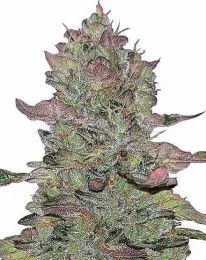
Animal Mints THC, Terpenes, Flavor and Effects
How Potent Is Animal Mints?
Animal Mints is a high-THC strain, reaching up to 28% THC with less than 1% CBD. Actual potency can vary with phenotype, growing conditions, harvest timing, and curing.
With THC levels this high, less experienced consumers should start with a small amount and assess the effects before taking more.
Animal Mints Terpenes, Aroma and Flavor
The terpene profile listed for this Animal Mints selection includes caryophyllene, farnesene, limonene, linalool, and humulene. Individual plants and tested samples can vary.
Expect a mix of mint, pine, earth, sour notes, and cookie-like sweetness, with some phenotypes leaning more heavily toward one side of the profile.
The aroma can become strong during flowering, so indoor growers may want effective carbon filtration in place before bloom develops fully.
What Are the Effects of Animal Mints?
Animal Mints is commonly described as uplifting, calming, and relaxing. The effects may begin with a brighter cerebral feeling before developing into a heavier sense of physical relaxation.
Your experience can vary depending on dose, tolerance, and individual response, so these effects should be treated as commonly reported rather than guaranteed.
What is Animal Mints Like to Grow?
Growing Difficulty and Plant Structure
Animal Mints is best suited to growers with some experience. It typically reaches around 100–180 cm and develops a dense canopy with heavy flowering sites, so airflow and spacing become more important as the buds mature.
I would focus on keeping the plant open rather than letting branches crowd the center.
- Keep good airflow through the canopy.
- Remove growth that creates congested interior spaces.
- Support heavier branches before late flower.
- Watch humidity closely as bud density increases.
Indoor Growing and Training Animal Mints
Animal Mints responds well to early canopy training. Low-stress training cannabis can spread the branches outward and create a more even canopy, while topping cannabis plants can reduce apical dominance and encourage stronger lateral growth.
Super cropping and light defoliation can also help control height and improve light penetration. Avoid removing healthy foliage without a clear reason, though. I prefer to thin only leaves or shoots that block airflow or shade productive bud sites.
Complete most structural training during vegetative growth so the plant can focus on flower development once bloom is established.
Flowering Time, Stretch and Yield
Animal Mints flowers in around 8–10 weeks and can produce approximately 500–600 g/m² indoors under favorable conditions.
Expect some stretch during early flowering, so leave enough vertical space when switching to bloom. Minor canopy adjustments are fine at this stage, but avoid heavy training once the buds start stacking.
Final yield depends on factors such as light intensity, canopy coverage, plant health, phenotype, and vegetative time.
Climate, Aroma and Potential Growing Challenges
Animal Mints prefers a warm climate and is generally ready for outdoor harvest around October.
Dense flowers are the main concern late in the season. Indoors, keep humidity controlled and maintain consistent airflow. Outdoors, inspect the buds after rain or cool, damp periods for trapped moisture.
The aroma also becomes stronger toward harvest, with mint, pine, sour, and sweet cookie notes becoming more noticeable. Indoor growers should have odor control in place before flowering reaches its later stages.
Animal Mints Phenotypes and What Growers Should Look For
Animal Mints can show noticeable variation from plant to plant. Some phenotypes stay more compact with tighter internodal spacing, while others stretch more during early flower. Aroma can also shift between mint, pine, gas, sour notes, and sweeter cookie-like scents.
When comparing plants, look at the full picture rather than focusing on a single trait. Pay attention to:
- Branching and internodal spacing
- Stretch during early flowering
- Flower density
- Resin production
- Aroma
- Flowering speed
- Overall plant structure
A taller phenotype is not necessarily less desirable. If it produces dense, resinous flowers with strong aroma and manageable growth, it may still be one of the better plants in the grow.
Is Animal Mints Easy to Grow?
Animal Mints is better suited to growers with some experience rather than complete beginners. The plant is manageable, but its dense flowers and strong aroma mean environmental control becomes more important as flowering progresses.
To keep the grow on track:
- Train the plant during vegetative growth.
- Keep the canopy open and well spaced.
- Maintain steady airflow through the branches.
- Monitor humidity closely during late flower.
If you stay on top of canopy management and moisture control, Animal Mints is much easier to handle and can perform very well indoors or outdoors.
Animal Mints FAQs
Is Animal Mints indica or sativa?
Animal Mints is an indica-dominant hybrid. Its genetics combine traits associated with both indica and sativa plants, but its growth pattern and commonly reported effects tend to lean toward the indica side.
How tall does Animal Mints grow?
Animal Mints usually reaches around 100–180 cm. Indoor plants can be kept shorter with topping and low-stress training, while outdoor plants may grow taller when given more root space and a longer vegetative period.
How long does Animal Mints take to flower?
Animal Mints typically flowers in around 8–10 weeks. Outdoor plants are generally ready to harvest in October, although exact timing depends on climate and phenotype.
Is Animal Mints easy to grow?
Animal Mints is better suited to intermediate or experienced growers. Its dense flowers require good airflow and humidity control, particularly during late flowering, while early training can help keep the canopy open and manageable.
How much does Animal Mints yield?
Animal Mints can produce around 500–600 g/m² indoors under favorable conditions. Actual yield depends on factors such as lighting, plant health, training, vegetative time, phenotype, and overall growing conditions.
Conclusion
Animal Mints combines high THC potential, dense resin production, and a distinctive mint, pine, sour, and cookie profile. Its 8–10 week flowering period and strong indoor yield potential make it an attractive option for growers with some experience. Keep the canopy open, control humidity as the flowers thicken, and provide support where needed, and Animal Mints can be a very productive addition to the grow room.


