




Super cropping cannabis is a high-stress training technique used to control plant height, spread branches across the grow space, and create a more even canopy. Instead of cutting the plant, growers soften the inside of a healthy stem before carefully bending it into a new position.
Learning how to super crop cannabis comes down to choosing the right stems, applying controlled pressure, and giving the plant enough time to recover. When done correctly, the technique can help reduce the height of dominant branches and improve light distribution across the canopy.
This guide explains how super cropping works, how to bend cannabis stems without unnecessarily breaking them, the best time to super crop cannabis, and what to expect during recovery. You'll also learn when high-stress training cannabis plants makes sense, when LST may be a better option, and how to repair a stem if it tears.
Key Takeaways
- Super cropping is a form of high-stress training (HST). It involves softening the internal tissue of a cannabis stem before carefully bending the branch into a lower position.
- Super cropping during veg is usually the best option. Healthy vegetative plants have flexible stems and more time to recover before flowering.
- Never force a rigid stem. When super cropping cannabis stems, gradually soften the area between your fingers before making the bend to reduce the risk of splitting it.
- Super cropping can improve canopy control. Lowering taller branches can create a more even canopy and help distribute available light across more growth sites.
- Recovery matters as much as the technique itself. After cannabis super cropping, give the plant time to resume healthy growth before carrying out another high-stress training session.
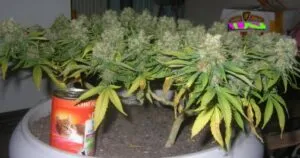
What Is Super Cropping Cannabis and How Does It Work?
Super cropping cannabis is a plant training technique that uses controlled stress to change how a plant grows. Instead of cutting off a shoot, the grower gently softens the inner tissue of a flexible stem and bends it into a new position while trying to keep the outer skin intact.
The aim is usually to lower taller branches, spread growth across a wider area, and create a flatter canopy. This can help more flowering sites receive direct light instead of allowing one or two dominant branches to shade the rest of the plant. For indoor growers, that can also make better use of the space beneath a grow light.
Super cropping is one of several cannabis plant training techniques used to control height and canopy shape. Unlike gentler methods such as LST, cannabis super cropping deliberately stresses the stem before repositioning the branch.
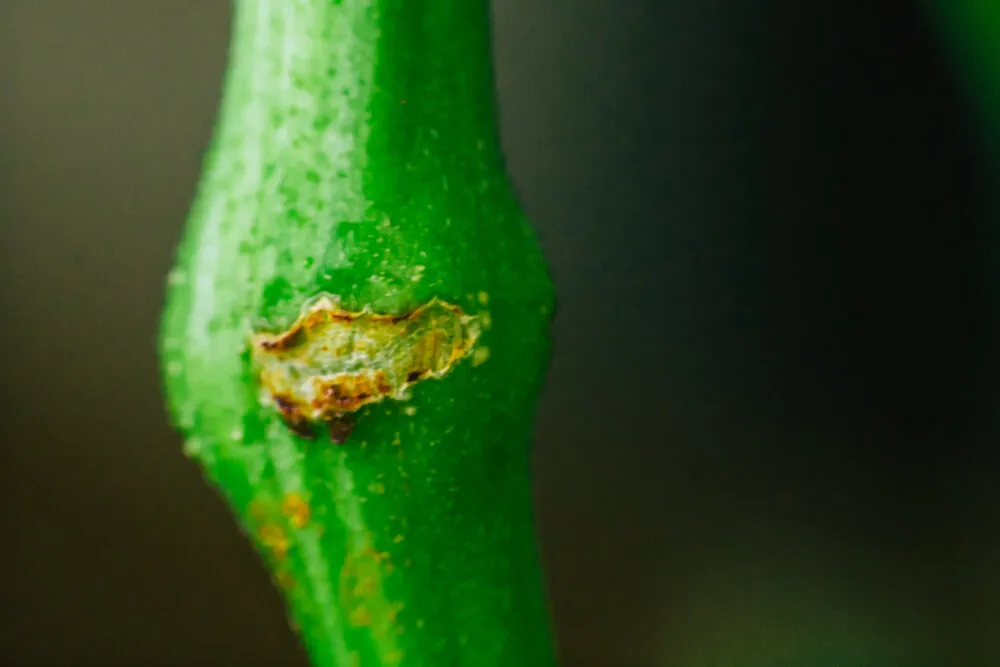
When the bend is made correctly, the damaged area begins to heal and often develops a swollen section around the bend. Growers commonly call this a "knuckle." The branch can continue growing from its new position while surrounding shoots gain better access to light.
Is Super Cropping a High-Stress Training Technique?
Yes. Cannabis super cropping is a form of high-stress training (HST) because it intentionally damages the internal tissue of the stem. This separates HST cannabis techniques from low-stress training, where branches are gradually bent and tied down without deliberately weakening the stem.
However, "high stress" does not mean the plant should be severely damaged. Good super cropping relies on controlled pressure. The stem should be softened enough to bend into position without completely snapping it or causing excessive damage to the outer tissue.
For that reason, super cropping cannabis plants is best reserved for healthy plants with flexible green stems and enough time to recover. Plants already dealing with pests, nutrient problems, overwatering, heat stress, or another recent training session are less suitable because adding more stress can slow their development.
Grower tip: Think of the cannabis super cropping technique as controlled stem manipulation rather than simply forcing a branch downward. If the stem still feels rigid, gently work it between your fingers before attempting the final bend. Forcing a stiff or woody branch makes tearing or snapping it much more likely.
What Are the Benefits of Super Cropping Cannabis?
The main benefits of super cropping come from changing the shape of the plant and improving canopy management rather than simply damaging the stem.
| Benefit | How Super Cropping Can Help |
| Better canopy control | Lowers dominant branches and helps create a more even canopy. |
| Improved light distribution | Reduces shading so more upper growth sites can receive direct light. |
| Height management | Helps control branches that are stretching beyond the available vertical space. |
| More even growth | Gives shorter side branches an opportunity to catch up with taller growth. |
| Better use of grow space | Spreads branches across the available area rather than concentrating growth around one main stem. |
A flatter canopy can be particularly useful indoors because grow lights have a limited effective coverage area. Bringing the tallest branches closer to the height of the rest of the canopy can improve light distribution and reduce the distance between the highest and lowest flowering sites.
Super cropping can also work alongside other cannabis plant training techniques. For example, growers may gently tie down a super-cropped branch if it starts moving back toward its original position. However, avoid applying several high-stress techniques at once. Give the plant time to recover before adding more training.
Does Super Cropping Increase Cannabis Yield?
Super cropping can increase yield potential, but it should not be treated as a guaranteed way to add a fixed percentage to your final harvest.
Its main advantage is improved canopy structure. When several flowering sites receive useful light instead of being shaded by one or two taller branches, the plant can make more efficient use of the available growing area. This is one reason plant training is often considered when growing high-yield cannabis strains, particularly indoors where canopy height and light coverage need to be carefully managed.
However, super cropping alone does not determine yield. Genetics, light intensity, root health, temperature, humidity, nutrition, pot size, vegetative time, and the overall health of the plant can all have a major effect on the final harvest.
There is also a point where extra stress becomes counterproductive. Super cropping too aggressively, training a plant that is already unhealthy, or badly damaging branches can slow growth rather than improve it.
For this reason, it is more accurate to view super cropping as a canopy-management technique that can support higher yields when it improves light distribution and plant structure. The final result depends on how well the technique is performed and how effectively the plant is managed throughout the rest of the grow.
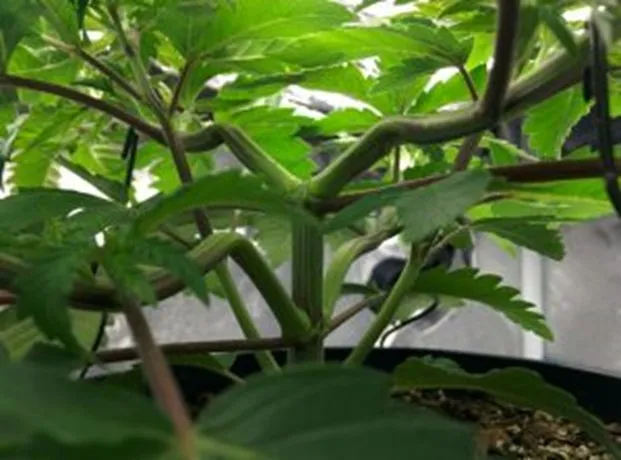
How to Super Crop Cannabis: Step-by-Step Guide
Learning how to super crop cannabis is mainly about softening a healthy stem before bending it into a better position. The goal is to lower taller branches and create a more even canopy without completely snapping the stem.
You only need a few things:
- Your hands
- Soft plant ties
- Strong tape in case a stem tears
Super cropping is best used on healthy plants during the vegetative stage, when stems are still flexible and the plant has time to recover.
The most important rule is simple: never force a stiff stem. Take your time softening it first.
Step 1: Choose the Right Cannabis Stems
Start by identifying the tallest branches sitting above the rest of the canopy.
These are usually the best candidates for super cropping because lowering them can help shorter branches receive more light.
Choose stems that are:
- Healthy and actively growing
- Green and flexible
- Thick enough to handle gentle pressure
- Taller than the surrounding branches
Avoid very thin new shoots and older stems that have become hard and woody. Woody branches are much more likely to split when bent.
Choose a point on the stem where you have enough room to hold it comfortably without damaging nearby leaves or nodes.
Grower tip: Look at the plant from the side before choosing a branch. This makes it easier to see which stems are actually sitting above the canopy.
Only super crop branches that need repositioning. There is no benefit in damaging stems unnecessarily.
Step 2: Soften the Stem Before Bending
Hold the chosen section between your thumb and forefinger.
Gently squeeze and roll the stem between your fingers. Work the same area gradually rather than applying one hard squeeze.
You are trying to soften the inner tissue while keeping the outside of the stem intact.
As you work the stem, it should start to feel more flexible. If it remains firm and immediately springs back, keep gently manipulating the area.
This step is especially important when learning how to bend cannabis stems because most accidental breaks happen when growers try to bend a stem before it is ready.
Grower tip: The stem should feel pliable before you make the final bend. If it still feels rigid, do not force it.
Avoid using your fingernails or pinching so hard that you cut through the outer surface.
Step 3: Bend the Cannabis Stem
Once the stem feels soft enough, support the branch and slowly guide the upper section downward.
Aim to lower it until it sits closer to the height of the surrounding canopy. A bend of roughly 90 degrees is common, but the exact angle depends on the shape of the plant.
Move slowly.
The stem should fold around the softened section rather than suddenly crack.
Once bent, check the outside of the stem. A successful super crop should leave the branch lowered while most of the outer tissue remains intact.
The growing tip will normally begin turning back toward the light over the following days. This is a natural response and does not mean the technique has failed.
Grower tip: Do not keep bending the same branch simply because the tip starts pointing upward again. The important part is that the branch itself now sits lower in the canopy.
Step 4: Secure the Branch if Needed
Some branches stay in place after being super cropped. Others gradually start lifting again.
If the branch will not remain where you want it, use a soft plant tie to hold it in position.
This works in a similar way to low-stress training, where branches are tied down to control plant shape without repeatedly damaging the stem.
Attach the tie loosely enough that it does not cut into the branch as the stem thickens.
If you also plan to use another high-stress technique, such as topping your cannabis plants, give the plant time to recover rather than applying several forms of stress at once.
Grower tip: Check ties regularly during vegetative growth. Stems can thicken quickly, so loosen or reposition anything that begins pressing into the branch.
Step 5: Check the Plant During Recovery
Once the branch has been positioned, leave the plant to recover.
Some temporary drooping immediately after super cropping is normal. Over the following days, look for signs that the branch is recovering:
- Leaves returning to their normal position
- The growing tip turning back toward the light
- New growth continuing above the bend
- The branch remaining firmly attached
- Thickening around the bent section
As the plant repairs the damaged tissue, a swollen area can form around the bend. Growers often call this a knuckle.
Do not try to create a larger knuckle by repeatedly damaging the same area. The purpose of super cropping cannabis stems is to improve the shape of the plant, not to cause as much damage as possible.
If the branch remains limp or the leaves above the bend continue wilting, check the stem for a deeper tear.
Give the plant time to recover before carrying out another major training session.
How to Repair a Torn or Broken Cannabis Stem
Small tears can happen when super cropping marijuana, especially when working with thicker or less flexible stems.
A minor split does not always mean the branch is lost.
If the stem tears:
- Stop bending it. Further movement can make the split worse.
- Bring the torn section back together. Carefully return the branch to a natural position.
- Wrap the damaged area with strong tape. This holds the stem together while it heals.
- Support the branch. Use a plant tie if its weight is pulling against the damaged section.
- Check it each day. Look for healthy leaves and continued growth above the repair.
- Remove or loosen the tape once the stem has healed. Around a week may be enough for minor damage, but recovery varies depending on the plant and severity of the tear.
If the branch remains connected and the damage is limited, the stem may heal and develop thicker tissue around the repaired area.
However, a branch that is badly split or almost completely detached needs more support and should not be manipulated again until it has recovered.
Grower tip: Keep strong tape nearby before you start. If a stem tears, you can support it immediately rather than leaving the damaged branch hanging while you look for supplies.
The key to successful super cropping is control. Choose a suitable stem, soften it gradually, make the bend slowly, secure it if necessary, and then give the plant time to recover.
When to Super Crop Cannabis and How Long Does Recovery Take?
The best time to super crop cannabis is during healthy vegetative growth, once the plant has established green, flexible branches. At this stage, photoperiod plants have enough time to recover before flowering begins.
Timing is important because super cropping is a form of high-stress training (HST). Very young stems can be too delicate, while older, woody stems are harder to bend without splitting.
Super Cropping During Veg
For most growers, super cropping during veg is the best option.
Wait until the plant is established and producing healthy side branches. The stems should be developed enough to handle pressure while remaining flexible.
With photoperiod cannabis plants, aim to complete your main super cropping several days before switching the light cycle to flowering. This gives the plant time to recover before its energy shifts toward flower production.
Avoid combining super cropping with transplanting or another major high-stress technique at the same time.
Grower tip: If you're new to super cropping, start with one or two taller branches and see how the plant responds before training more.
Can You Super Crop Cannabis During Flowering?
Super cropping is better suited to vegetative growth, although experienced growers sometimes use it during the early flowering stretch to control a branch that is becoming too tall.
During the early cannabis flowering stage, plants can continue gaining height. Carefully lowering an unusually tall branch can help keep the canopy more even.
For new growers, it is safer to complete planned HST before flowering. Avoid super cropping once flowers are well developed because stems become less flexible and flower sites are easier to damage.
Can You Super Crop Autoflowers?
Super cropping autoflowers is possible, but it carries more risk because their fixed life cycle gives them less time to recover.
Planned high-stress training on autoflowers should only be considered while a plant is healthy, growing quickly, and still early in its development.
For beginners, low-stress training autoflowers is usually the safer choice because branches can be repositioned without deliberately damaging the stem.
When Should You Avoid Super Cropping?
Avoid super cropping plants that are:
- Young or poorly established
- Growing slowly
- Dealing with pests or disease
- Showing nutrient problems
- Badly overwatered or underwatered
- Recovering from another high-stress technique
- Well into flowering
- Developing hard, woody stems
A stressed plant should be allowed to recover before adding another source of stress.
How Long Does Cannabis Take to Recover From Super Cropping?
Recovery depends on plant health, genetics, stem thickness, and how much damage was caused. A healthy plant may begin responding within a few days, while fuller recovery can take around 5–10 days.
Look for signs such as:
- Leaves returning to a healthy position
- New growth continuing above the bend
- The growing tip turning toward the light
- Thickening around the trained section
Temporary drooping can be normal. If a branch remains limp or continues wilting, inspect the bend for a tear or break.
Do not repeat HST simply because a certain number of days have passed. Wait until normal growth has clearly resumed.
Super Cropping vs LST
Super cropping and LST can both control height and shape the canopy, but they use different levels of stress.
| Factor | Super Cropping | LST |
| Training type | High stress | Low stress |
| Stem damage | Inner tissue is deliberately softened | Stem remains intact |
| Recovery | Several days may be needed | Usually minimal |
| Best use | Quickly lowering taller branches | Gradual canopy shaping |
| Experience | Requires more care | More beginner-friendly |
| Autoflowers | Higher risk | Usually the safer option |
For new growers, LST is generally easier to learn. Super cropping becomes useful when an established, healthy plant has taller branches that need a more immediate height correction.
The two methods can also be combined: a branch can be super cropped to lower it, then held in position with a soft tie while it recovers.
Conclusion
Super cropping cannabis can be an effective way to control taller branches, create a more even canopy, and improve how a plant uses the available grow space. The key is to work with healthy, flexible stems and soften them gradually before making the bend.
For new growers, start small. Super crop one or two suitable branches, monitor how the plant responds, and allow it to recover before applying more high-stress training. If you want a gentler approach, low-stress training can achieve similar canopy control without deliberately damaging the stem.
Super cropping is only one of several cannabis plant training techniques, so choose the method that best suits your plant, experience level, and available growing space.
Frequently Asked Questions
How many times can you super crop a cannabis plant?
There is no fixed number. A healthy photoperiod plant can be super cropped more than once during vegetative growth, provided it has fully recovered between sessions. For new growers, it is better to start with a small number of branches and judge the plant's response before doing more.
Where should you super crop a cannabis stem?
Choose a green, flexible section of a healthy branch that sits above the surrounding canopy. Avoid very thin new shoots, nodes, and older woody sections because they are more likely to tear or snap.
The best crop point is one you can comfortably soften with your fingers before bending the upper part of the branch into position.
What does a successful super crop look like?
A successfully super-cropped branch should remain lowered while the outer stem stays mostly intact. The growing tip will usually begin turning back toward the light as the plant recovers.
Over time, the bent area may thicken and form a swollen section commonly called a knuckle. Continued growth above the bend is a good sign that the branch is recovering.
Can you combine super cropping with topping?
Yes. Super cropping and topping cannabis plants can be used on the same plant to manage height and canopy shape.
However, both techniques create stress. Avoid carrying them out at the same time, particularly if you are a new grower. Allow the plant to recover and resume healthy growth before adding another high-stress training technique.
Does a super-cropped branch need to stay at a 90-degree angle?
No. A roughly 90-degree bend is commonly used, but the exact angle is less important than the final position of the branch.
The aim is to lower an overly tall stem so it sits more evenly with the rest of the canopy. If the growing tip starts turning upward again during recovery, that is normal and does not mean you need to bend the stem again.


