




White Rhino is an indica-dominant cannabis strain known for its high THC levels, relaxing effects and dense, resin-covered flowers. With advertised THC content of 18–22%, this classic hybrid is popular for its earthy taste, strong body effects and substantial yield potential.
For growers, White Rhino offers a bushy plant structure and an advertised flowering time of around nine weeks. However, its dense flowers and differences between phenotypes mean there are a few things worth knowing before choosing this strain.
In this White Rhino strain review, you'll learn about its genetics, THC potency, effects, terpene profile and growing characteristics, including the differences between regular and feminized seeds.
Key Takeaways
- Seed options: White Rhino is available as regular and feminized seeds. Feminized seeds are generally selected for female flower production, while regular seeds are useful for breeding projects.
- Genetics: White Rhino is an indica-dominant hybrid with White Widow ancestry, commonly described as 80% indica and 20% sativa.
- THC and effects: THC levels are advertised at 18–22%, with users commonly reporting relaxation, happiness and sleepiness.
- Smell and taste: White Rhino has an earthy, woody aroma with sweet floral notes and occasional hints of pine.
- Growing characteristics: Plants typically develop a bushy structure, with an advertised height of 100–200 cm and a flowering period of around nine weeks.
What is the White Rhino Strain?
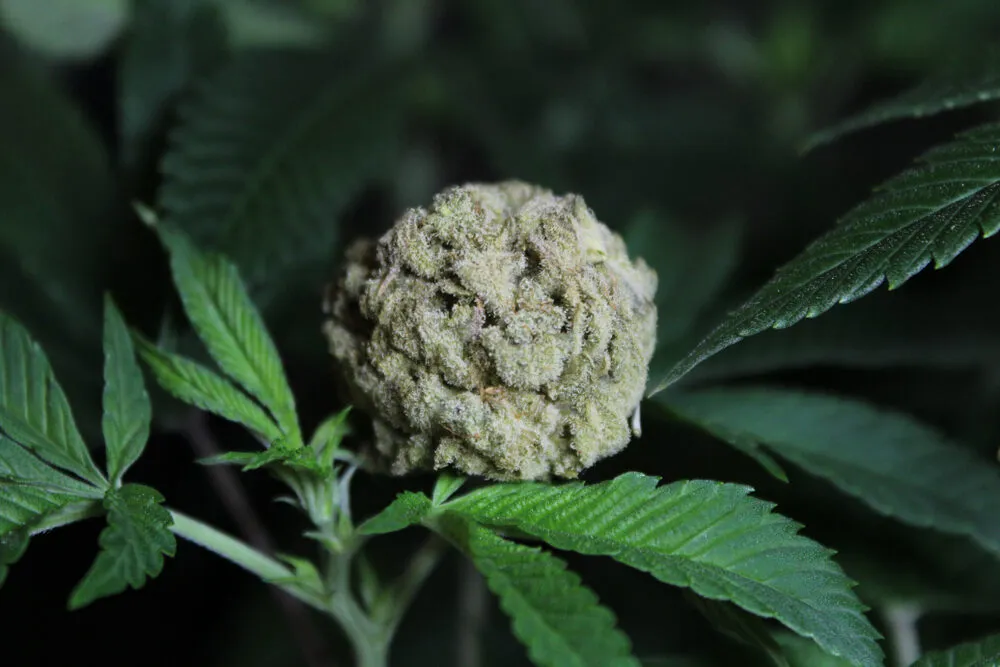
White Rhino is a photoperiod cannabis variety recognised for its indica-dominant genetics, compact branching and thick, resin-rich flowers.
It belongs to a generation of classic cannabis strains valued for their recognisable aromas and growing characteristics.
The plant typically develops a sturdy central stem with several side branches. Its flowers often appear pale and frosty because of the trichomes covering their surface.
These trichomes produce cannabinoids and terpenes, the compounds responsible for many of cannabis's chemical and aromatic characteristics.
White Rhino is available in different seed types. White Rhino Feminized Seeds are intended to produce female plants, while White Rhino Regular Seeds can produce both male and female plants, making them relevant to breeders interested in selecting parent plants.
White Rhino Genetics and Origins
White Rhino is commonly associated with White Widow crossed with an indica selection. However, accounts of its original parentage differ, with some identifying Afghan or North American indica ancestry.
This explains why White Rhino plants may differ slightly between seed selections.
Research by Schwabe and McGlaughlin (2019) found that commercially named cannabis strains can show genetic variation, even when sold under the same name.
Is White Rhino Indica or Sativa?
White Rhino is generally described as approximately 80% indica and 20% sativa.
Its broad leaves, short spacing between nodes and bushy branching reflect characteristics traditionally associated with indica cannabis seeds.
However, indica percentages do not reliably predict effects. Cannabinoid concentrations, terpene composition and individual tolerance also influence the experience.
{{block class="FishPigExtend\Wordpress\Block\Product\Related" sku="WR010"}}{{block class="FishPigExtend\Wordpress\Block\Product\Related" sku="WR-F010"}}
White Rhino THC and Potency
White Rhino typically has an advertised THC content of 18–22%, making it a relatively potent cannabis strain.
THC (tetrahydrocannabinol) is the main compound responsible for the intoxicating effects of cannabis. At these levels, White Rhino may produce a strong experience, particularly for people with little tolerance to THC.
However, the percentage is not fixed. Genetics, growing conditions and individual plant differences can influence THC production. Only laboratory testing can confirm the strength of a particular harvest.
What Are the Effects of White Rhino?
White Rhino is best known for its relaxing effects, which often begin with a pleasant change in mood before developing into a heavier physical sensation.
Commonly Reported Effects
Many consumers describe feeling happy, calm and mentally at ease during the early stages. As the effects progress, a sense of physical relaxation may become more noticeable, sometimes accompanied by sleepiness.
This makes White Rhino a popular choice among people who prefer cannabis during the evening rather than for daytime activities.
Some consumers also report using White Rhino to help with stress, discomfort or sleep. These are personal experiences rather than proven medical benefits, and the effects can differ from person to person.
Possible Negative Effects
White Rhino's THC content can produce unwanted effects, especially for people who are sensitive to cannabis.
These may include:
- Dry mouth and eyes: Common temporary effects associated with THC.
- Dizziness: Some people may feel light-headed.
- Anxiety: Higher THC exposure can cause nervousness or an increased heart rate.
- Reduced concentration: Attention, coordination and reaction times may be affected.
- Sleepiness: The relaxing effects may become stronger than expected.
Individual tolerance plays a significant role, and stronger exposure increases the chance of an uncomfortable experience.
White Rhino Terpenes, Smell and Taste
White Rhino has a distinctive earthy aroma with woody undertones, gentle floral notes and occasional hints of pine. Its taste is similarly earthy, with a mild sweetness that becomes more noticeable alongside the herbal notes.
The strain's aroma comes from terpenes, naturally occurring compounds responsible for the scents found in cannabis and many other plants.
Terpenes associated with some White Rhino selections include:
- Myrcene: Often described as earthy, herbal and slightly musky.
- Pinene: Associated with fresh pine and woody aromas.
- Terpinolene: Can contribute floral, herbal and mildly sweet notes.
Not every White Rhino plant will contain these terpenes in the same proportions. The aroma can change between phenotypes and individual harvests.
Research published in PLOS ONE (2022) examined chemical differences between commercial cannabis samples and found that products sharing similar names do not necessarily have identical cannabinoid or terpene profiles.
This helps explain why one White Rhino selection may have a stronger pine aroma, while another has more noticeable earthy or sweet notes.
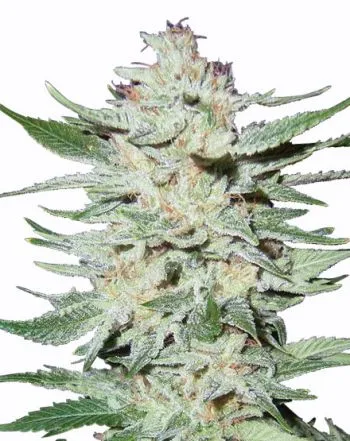
| THC % | Up to 24% |
|---|---|
| Flowering Time | 8–10 Weeks |
| Outdoor harvest | End Of September |
| Yield | 400–500 g/m² |
| Indica/Sativa | Indica Dominant |
| Height | Medium: 100–180 cm |
| Difficulty | Medium |
| CBD Content | Less than 1% |
| Climate | Sub Tropical |
| Seed Type | Regular |
| Genetics | White Widow x Powerful Indica Strain |
| Effects | Relaxing |
| Taste | Woody, Pungent, Earthy |
| Terpene | Myrcene, Pinene, Terpinolene |
How to Grow White Rhino: Step-by-Step Guide
White Rhino is generally considered an easy-to-moderate photoperiod strain. It develops a bushy structure with several side branches and dense, resin-covered flowers. Although its compact growth can appeal to beginners, plant height, moisture and airflow are important considerations.
White Rhino Growing Information
| Characteristic | Advertised specification |
| Growing difficulty | Easy to moderate |
| Growing environment | Indoor, outdoor or greenhouse |
| Preferred climate | Warm and temperate |
| Plant height | 100–200 cm |
| Flowering type | Photoperiod |
| Indoor flowering time | Approximately 9 weeks |
| Indoor yield | Up to 500 g/m² |
| Outdoor yield | Up to 650 g per plant |
| Plant structure | Bushy with multiple side branches |
These figures are estimates. Actual growth and yield depend on the phenotype and environmental conditions.
Step 1: Assess Your Growing Environment
White Rhino is associated with warm, temperate conditions and can be grown indoors or outdoors where cultivation is legal.
Indoor growing provides greater control over environmental conditions, while outdoor plants are exposed to seasonal temperature changes, rainfall and humidity.
What to check:
- Choose a location with enough space for the mature plant.
- Check whether the local climate suits its flowering period.
- Consider how moisture and airflow may affect dense foliage.
Step 2: Plan for Height and Branching
White Rhino can reach approximately 100–200 cm, depending on genetics and growing conditions.
During the vegetative stage, the plant develops a central stem and several side branches.
What to look for:
- Allow for the plant's width as well as its height.
- Observe how closely the branches develop.
- Check for crowded foliage that may restrict airflow.
Step 3: Understand Plant Training
White Rhino's branching structure makes canopy management an important consideration, particularly where space is limited.
Low-stress training (LST) involves gently guiding plant growth, while high-stress techniques alter the plant's structure more directly.
For beginners, the cannabis plant training guide explains the differences between these methods and their potential effects on plant development.
Step 4: Understand Flowering Time and Yield
White Rhino is a photoperiod strain with an advertised indoor flowering period of approximately nine weeks.
Its flowers generally become dense and resin-rich as they mature.
| Growing environment | Advertised yield |
| Indoor | Up to 500 g/m² |
| Outdoor | Up to 650 g per plant |
These are potential yields rather than guaranteed harvests. Plant health, genetics and environmental conditions influence the final result.
When comparing White Rhino with other feminized cannabis seeds, consider flowering time, mature height and plant structure alongside yield.
Step 5: Check for Moisture and Flower Problems
White Rhino produces closely packed flowers, which can make moisture retention a concern, especially in humid environments.
Dense flowers can develop fungal problems such as Botrytis, commonly called bud rot.
What to look for:
- Brown or grey areas within flower clusters.
- Unusual softening or deterioration of flowers.
- Visible mould or signs of trapped moisture.
Do not assume White Rhino is immune to fungal problems simply because some descriptions suggest good resistance.
For more information about seasonal conditions, see the outdoor cannabis growing guide.
White Rhino's relatively manageable structure and advertised nine-week flowering period make it worth considering for beginners. However, its dense flowers and potential height variation mean that growers should pay attention to the individual plant rather than relying entirely on strain descriptions.
Conclusion
White Rhino is a classic indica-dominant strain known for its resin-rich flowers, earthy aroma and relaxing effects. Its bushy structure and relatively short flowering period make it an interesting option for growers, although dense flowers and differences between phenotypes deserve attention.
Choosing between regular and feminized White Rhino seeds depends on your goals. Feminized seeds are generally preferred for female flower production, while regular seeds offer the possibility of selecting male and female plants for breeding.
White Rhino has plenty to offer, but understanding its genetics, growing characteristics and potential limitations will help you decide whether it is the right strain for you.
Frequently Asked Questions About White Rhino
Is White Rhino suitable for first-time cannabis growers?
White Rhino is generally considered suitable for beginners because of its relatively manageable structure. However, new growers should understand basic plant care and recognise potential problems associated with dense flowers and moisture.
What is the difference between White Rhino regular and feminized seeds?
Feminized seeds are bred to produce predominantly female plants. Regular seeds can develop into male or female plants, making them useful for breeders who want to select parent plants and explore genetic variation.
Does White Rhino produce a lot of resin?
White Rhino is known for its thick trichome coverage, which gives mature flowers a frosty, sometimes sticky appearance. Trichomes contain cannabinoids and terpenes, although visible resin alone does not establish THC potency.
Are all White Rhino plants genetically identical?
No. White Rhino plants grown from seed can display differences in height, branching, aroma and flowering characteristics. These differences are known as phenotype variation and are influenced by genetics and environmental conditions.
Is White Rhino the same strain as White Widow?
No. White Rhino and White Widow are distinct strains, although White Widow is commonly identified as part of White Rhino's ancestry. They share some characteristics, including resin-rich flowers, but their genetics and growing traits are not necessarily identical.
References
- Small, E. (2015). Evolution and classification of Cannabis sativa (marijuana, hemp) in relation to human utilization. The Botanical Review, 81, 189–294.
https://doi.org/10.1007/s12229-015-9157-3
Botanical research discussing cannabis classification, domestication and variation. - Schwabe, A. L., & McGlaughlin, M. E. (2019). Genetic tools weed out misconceptions of strain reliability in Cannabis sativa: Implications for a budding industry. Journal of Cannabis Research, 1, Article 3.
https://doi.org/10.1186/s42238-019-0001-1
Research examining genetic variation among commercially named cannabis strains. - Smith, C. J., et al. (2022). The phytochemical diversity of commercial Cannabis in the United States. PLOS ONE, 17(5), e0267498.
https://doi.org/10.1371/journal.pone.0267498
Research examining differences in cannabinoid and terpene profiles among commercial cannabis samples.

