




The Trainwreck strain is a classic sativa-dominant hybrid known for its uplifting effects, distinctive pine and lemon aroma, and tall growing structure. With Mexican, Thai and Afghani genetics, Trainwreck has become a familiar name among cannabis enthusiasts who enjoy traditional strains.
But what makes Trainwreck different from other cannabis varieties? Beyond its reported energetic effects, it has a recognisable terpene profile, substantial branching and a relatively short flowering period for a tall plant. Although considered easy to grow, its size can present challenges for beginners with limited space.
In this Trainwreck strain review, we'll cover its genetics, THC content, effects, taste and growing characteristics, helping you understand what to expect from this popular variety.
Key Takeaways
- Growing difficulty: Trainwreck is considered beginner-friendly, although its tall branches and considerable size mean it needs plenty of space to develop.
- Sativa-dominant genetics: Trainwreck combines Mexican and Thai sativa genetics with Afghani indica heritage, giving it a distinctive growing structure.
- THC content and effects: With advertised THC levels of up to 18%, Trainwreck is commonly associated with uplifting, energetic effects that may become more relaxing over time.
- Taste and aroma: Expect a mix of fresh pine, lemon and earthy spice, with terpinolene, myrcene and pinene contributing to its scent.
- Height and flowering time: Trainwreck can reach 180–220 cm and has an advertised flowering period of 8–10 weeks.

What is the Trainwreck Cannabis Strain?
Trainwreck is a sativa-dominant cannabis hybrid known for its uplifting character, sharp aroma and tall growing structure.
The Train Wreck Feminized seeds available from MSNL represent a feminized selection of this traditional variety, with characteristics associated with its Mexican, Thai and Afghani heritage.
Plants develop a central stem with several strong side branches. As they mature, these branches support clusters of flowers that can become dense and resinous.
Its appearance combines traits commonly associated with different cannabis backgrounds. The solid branching reflects characteristics linked to its Afghani heritage, while the taller structure and flowering stretch are more typical of sativa-dominant varieties.
{{block class="FishPigExtend\Wordpress\Block\Product\Related" sku="TW-F010"}}
Is Trainwreck Indica or Sativa?
Trainwreck is classified as a sativa-dominant hybrid rather than a pure sativa or indica.
Its Mexican and Thai background contributes to its traditional sativa classification, while its Afghani heritage is associated with a sturdy framework and broader branching.
These characteristics make Trainwreck relevant to those exploring sativa cannabis seeds, especially readers interested in taller varieties with substantial side branches.
However, indica and sativa classifications do not reliably predict how individual cannabis samples will affect someone. Research has shown that these traditional labels do not always reflect differences in cannabinoid and terpene composition.
Trainwreck Strain Genetics and History
Trainwreck is traditionally associated with Northern California, where it became known as a distinctive American cannabis variety.
Its commonly reported lineage brings together three genetic backgrounds:
- Mexican Sativa
- Thai Sativa
- Afghani Indica
The origins of its name remain uncertain. One story connects Trainwreck to a railway accident, while another suggests the name refers to its reputation for powerful effects.
Neither explanation has been conclusively established.
Although its early history is difficult to confirm, Trainwreck remains recognisable for its sativa-dominant characteristics, substantial branching and sharp, herbal aroma.
Trainwreck THC Content and Effects
How Strong Is the Trainwreck Strain?
Trainwreck has an advertised THC content of up to 18%, with CBD levels below 1%. This makes it a THC-dominant variety with moderate to high potency.
Actual THC levels can vary depending on genetics and growing conditions. Research shows that cannabis samples sold under the same strain name can have different cannabinoid profiles, making laboratory testing the most reliable measure of potency.
What Does Trainwreck Feel Like?
Trainwreck is commonly associated with uplifting, energetic effects. Some consumers report feeling happy, alert and mentally stimulated, followed by a more relaxed sensation as the experience develops.
However, effects vary between individuals. Possible side effects include dry mouth, dry eyes, dizziness and anxiety, particularly among people sensitive to THC.
Trainwreck Strain Taste, Aroma and Terpenes
Trainwreck has a distinct pine aroma with hints of lemon, spice and earthy notes. Its taste is often described as fresh and herbal, with a slightly sharp citrus character.
Three terpenes commonly associated with Trainwreck contribute to its aroma:
| Terpene | Aroma Characteristics |
| Terpinolene | Fresh, herbal and citrus-like |
| Myrcene | Earthy, musky and herbal |
| Pinene | Pine, woody and fresh |
Terpene concentrations can differ between samples, influencing the overall scent and taste. Research suggests that terpene profiles help distinguish cannabis varieties, although they cannot reliably predict individual effects.

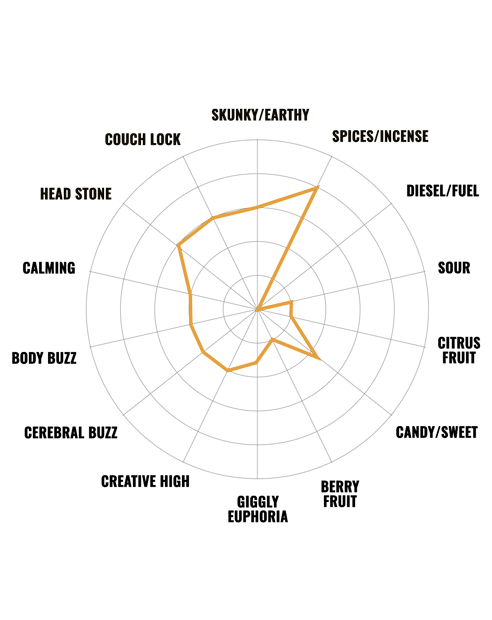
| THC % | Up to 18% |
|---|---|
| Flowering Time | 8–10 Weeks |
| Outdoor harvest | End Of September |
| Yield | 400–500 g/m² |
| Indica/Sativa | Sativa Dominant |
| Height | Tall: 180–220 cm |
| Difficulty | Easy |
| CBD Content | Less than 1% |
| Climate | Sub Tropical, Temperate, Warm |
| Seed Type | Feminized |
| Genetics | Mexican Sativa x Thai Sativa x Afghani Indica |
| Effects | Uplifting |
| Taste | Pine, Spicy, Lemon |
| Terpene | Terpinolene, Myrcene, Pinene |

How to Grow Trainwreck: Step-by-Step Guide
Trainwreck is considered an easy cannabis strain to grow, making it a good option for beginners. However, it can become quite tall, so planning your space is important. Here's what new growers should know about its growth, flowering time and potential yield.
Step 1: Choose a Suitable Growing Space
Before starting, check that you have enough room for a mature Trainwreck plant.
This strain prefers warm, temperate or subtropical conditions and can grow indoors or outdoors where cultivation is permitted.
During the vegetative stage, when the plant develops its leaves, stems and branches, Trainwreck begins building the structure that will eventually support its flowers.
Step 2: Understand How Tall Trainwreck Can Grow
Trainwreck can reach 180–220 cm, so don't expect it to stay small.
The plant develops a tall main stem with side branches that spread out as it grows. It can also gain extra height when flowering begins.
If you're new to growing, it's worth reading about low-stress training, a method growers use to manage plant height and branching.
Step 3: Learn When Trainwreck Starts Flowering
Trainwreck has an advertised flowering period of 8–10 weeks.
It's a photoperiod strain, which means it begins flowering in response to longer periods of darkness rather than automatically flowering at a certain age.
For outdoor plants, harvest is generally expected around late September, although the timing depends on local conditions.
Step 4: Know What to Expect During Flowering
As Trainwreck enters flowering, small clusters of flowers begin developing along its branches. Over time, these become larger and produce a sticky coating of resin.
The flowers can become fairly dense, so damp conditions may increase the risk of moisture becoming trapped within crowded growth.
Longer branches may also struggle with the added weight as flowers mature.
Step 5: Understand How Much Trainwreck Can Produce
Trainwreck has an advertised indoor yield of 400–500 g/m². This means the estimated amount of dried flower produced per square metre of growing space, not the yield from one plant.
Actual harvests can be higher or lower depending on growing conditions, plant health and genetics.
For beginners, Trainwreck offers a manageable flowering period and good yield potential. Its main drawback is its height, which makes it better suited to spaces with plenty of room for branches to develop.
Conclusion
Trainwreck is a classic sativa-dominant strain known for its uplifting effects, pine and citrus aroma, and tall growing structure.
Its feminized genetics, manageable flowering period and potential for substantial yields make it an interesting option for beginners. However, its height and spreading branches may be difficult to accommodate in smaller spaces.
For those interested in traditional cannabis varieties, Trainwreck offers a good mix of distinctive characteristics without exceptionally high advertised THC levels.
Frequently Asked Questions About Trainwreck
Is Trainwreck indica or sativa?
Trainwreck is a sativa-dominant hybrid with Mexican, Thai and Afghani genetics. It combines the tall growth commonly associated with sativa varieties and the sturdy branching of some indica plants.
How strong is the Trainwreck strain?
Trainwreck has an advertised THC content of up to 18%, with CBD levels below 1%. Actual potency can vary between plants and requires laboratory testing to confirm.
Is Trainwreck easy to grow for beginners?
Trainwreck is rated as an easy strain to grow. Its main challenge is its height, which can reach 180–220 cm, making sufficient growing space important.
How long does Trainwreck take to flower?
Trainwreck has an advertised flowering period of 8–10 weeks. Outdoor harvests are generally expected around late September, depending on the climate and seasonal conditions.
What does Trainwreck smell and taste like?
Trainwreck has a pine-led aroma with hints of lemon, spice and earth. Its terpene profile is commonly associated with terpinolene, myrcene and pinene.
References
- Reimann-Philipp, U., et al. (2020). Cannabis Chemovar Nomenclature Misrepresents Chemical and Genetic Diversity. Cannabis and Cannabinoid Research, 5(3), 215–230. Examines differences in cannabinoid profiles and genetic characteristics between cannabis samples sharing strain names.
- Birenboim, M., et al. (2022). Multivariate Classification of Cannabis Chemovars Based on Their Terpene and Cannabinoid Profiles. Phytochemistry, 200, 113215. Explains how cannabinoid and terpene profiles can help distinguish cannabis varieties.
- Herwig, N., et al. (2025). Classification of Cannabis Strains Based on Their Chemical Fingerprint. Cannabis and Cannabinoid Research, 10(3), 409–419. Examines why traditional indica, sativa and hybrid labels do not consistently reflect the chemical composition of cannabis.

