




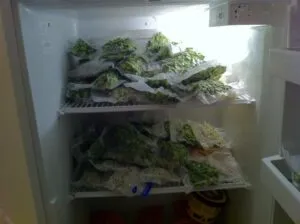
Yes, you can freeze weed, and cold storage can help preserve THC and other cannabinoids over time. However, freezing is not always the best way to keep cannabis fresh. Low temperatures make trichomes more fragile, while incorrect storage and thawing can affect the quality of your buds.
Choosing the right storage method depends on how long you intend to keep your cannabis and how often you need access to it. This guide explains how freezing affects THC, trichomes, and aroma, with practical advice on protecting your flower during storage and thawing.
Key Takeaways
- THC preservation: Freezing slows cannabinoid degradation, making it useful for long-term cannabis storage.
- Trichome protection: Frozen resin glands become brittle and can break away if buds are handled roughly.
- Fresh vs cured cannabis: Cured flower is suitable for storage, while fresh-frozen cannabis is mainly used for concentrate production.
- Proper storage: Freezer-safe containers and gradual thawing help reduce moisture problems and physical damage.
- Storage alternatives: Airtight containers kept in a cool, dark location are generally more practical for everyday cannabis storage.
- Is It a Good Idea to Freeze Weed?
- What Happens If You Freeze Weed?
- Should You Freeze Fresh or Cured Weed?
- How to Freeze Weed: Step-by-Step Guide
- How to Thaw Frozen Weed Without Damaging It
- How Long Can You Keep Weed in the Freezer?
- Freezing vs Refrigeration vs Room-Temperature Storage
- Common Mistakes When Freezing Weed
- Conclusion
- Frequently Asked Questions
- References
Is It a Good Idea to Freeze Weed?
Freezing weed can be a useful option for long-term storage, particularly when you have properly dried and cured cannabis that you do not intend to use regularly.
However, I would not recommend freezing every batch. The main consideration is how frequently you need access to your flower, as repeated handling and temperature changes can affect its condition.
For everyday use, an airtight container stored away from heat and direct sunlight is usually more practical. Freezing is better suited to larger quantities you want to preserve over extended periods.
Grower tip: Before choosing a storage method, consider when you expect to use your cannabis. There is little benefit in freezing flower that you plan to access frequently.
What Happens If You Freeze Weed?
Freezing cannabis slows certain chemical changes but can also affect the physical structure of the flower. The main differences involve THC stability, trichome retention, and the preservation of aromatic compounds.
Does Freezing Weed Affect THC Potency?
Freezing can help preserve THC by slowing cannabinoid degradation. Exposure to heat, oxygen, and light contributes to chemical changes over time, including the conversion of some THC into cannabinol (CBN).
A four-year cannabis storage study found that samples stored at approximately -4°F (-20°C) experienced substantially less THC degradation than those kept at room temperature.
However, freezing does not increase potency or restore cannabinoids that have already degraded. The research demonstrates improved THC stability under controlled conditions, rather than guaranteeing that frozen flower will retain its original quality indefinitely.
What Happens to Cannabis Trichomes When Frozen?
Trichomes are tiny resin-producing structures covering cannabis flowers and surrounding sugar leaves. Their glandular heads contain much of the plant's cannabinoids and terpenes.
For more information about their structure and function, read our guide to cannabis trichomes.
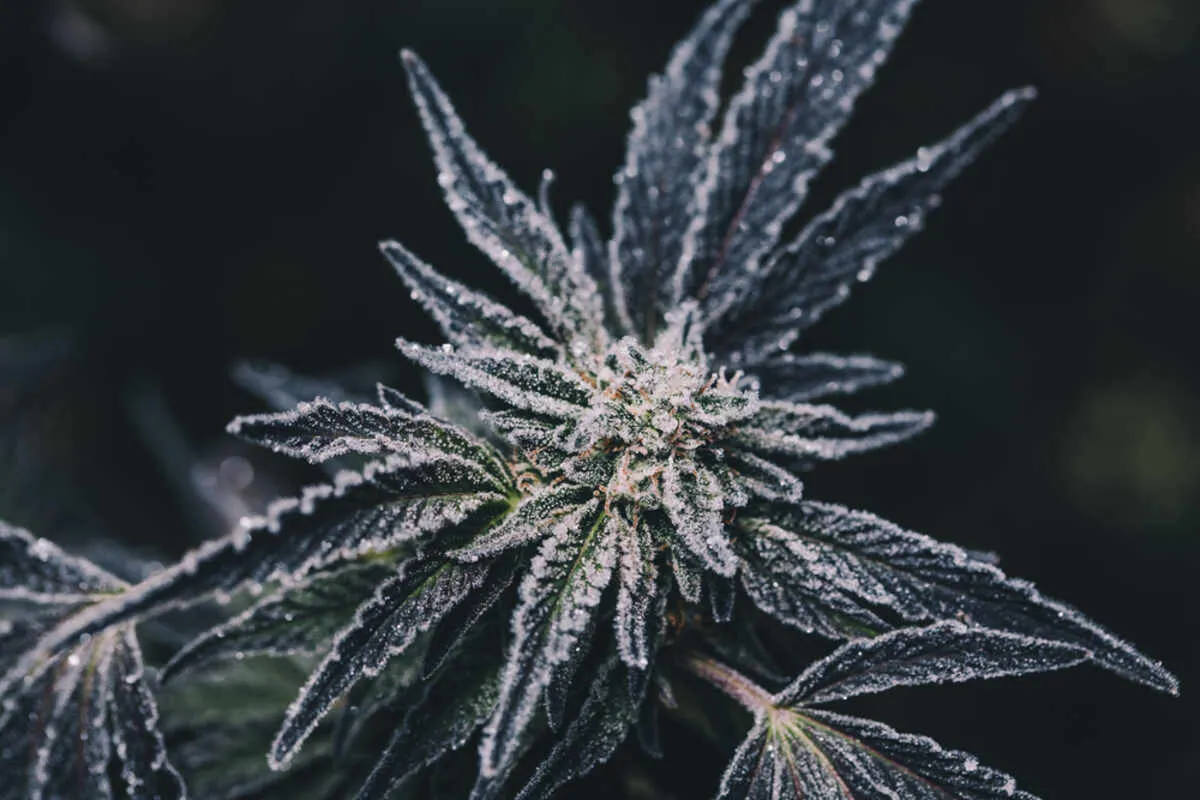
At freezing temperatures, resin glands become brittle and more vulnerable to physical damage. Crushing or shaking frozen buds can cause trichome heads to detach, leaving loose resin inside the container.
This does not necessarily destroy the cannabinoids, but it can reduce the amount of resin remaining on the flower.
Does Freezing Weed Affect Taste and Aroma?
Freezing can influence how well cannabis retains its original terpene profile. Terpenes are aromatic compounds responsible for scents associated with citrus, pine, herbs, and earthy notes.
These compounds can change during storage, even when cannabinoid levels remain relatively stable.
A 2020 study of cannabis storage conditions found that temperature affected cannabinoid and terpene preservation differently. Refrigeration at approximately 39°F (4°C) performed well for maintaining the overall chemical profile of the tested flower.
The findings suggest that freezing is not necessarily the best method for preserving every compound. The ideal storage conditions depend on which characteristics of the cannabis you want to retain.
Should You Freeze Fresh or Cured Weed?
Both fresh and cured cannabis can be frozen, but each serves a different purpose. Dried and cured flower is generally frozen for long-term storage, while fresh-frozen cannabis is primarily used for concentrate production.
Freezing Dried and Cured Cannabis
Cannabis intended for long-term flower storage should complete the drying and curing process before freezing.
Drying removes excess moisture, while curing helps distribute the remaining moisture evenly throughout the buds. These stages prepare harvested cannabis for storage and help maintain its quality.
Freezing does not replace proper curing. Buds containing excessive moisture may become damp during thawing, increasing the risk of deterioration.
For more information about preparing harvested flower, read our guide to curing cannabis.
What Is Fresh-Frozen Cannabis?
Fresh-frozen cannabis is plant material frozen shortly after harvest, without conventional drying or curing.
This method is commonly used to preserve freshly harvested material for concentrate production, including live resin and live rosin. Rapid freezing helps retain aromatic compounds before extraction.
The main differences are outlined below.
| Feature | Dried and cured cannabis | Fresh-frozen cannabis |
| Preparation | Dried and cured before freezing | Frozen shortly after harvest |
| Moisture content | Low | High |
| Main purpose | Long-term flower storage | Concentrate production |
| After thawing | Can remain suitable as dried flower | Requires further processing |
Fresh-frozen cannabis is not ready-to-use flower. It requires a different processing approach from cannabis that has already been dried and cured.
How to Freeze Weed: Step-by-Step Guide
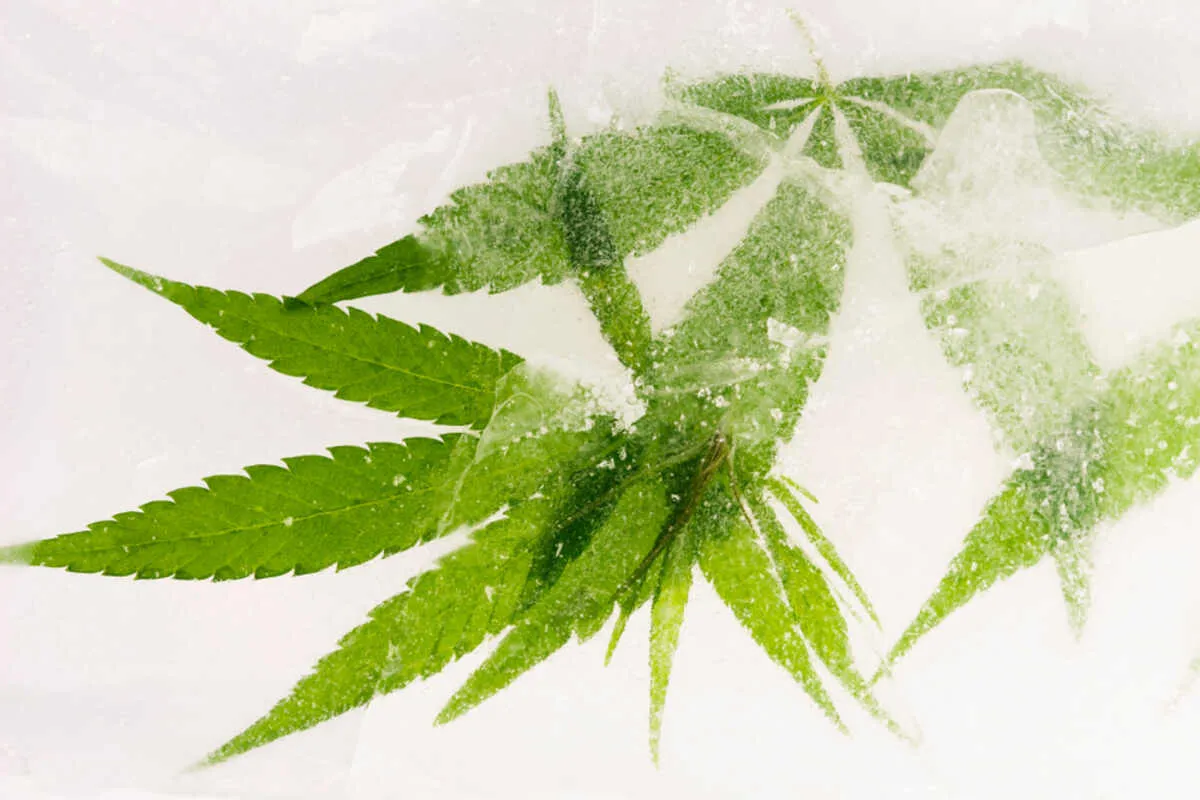
Freezing cannabis correctly involves five steps, from checking your buds to choosing suitable packaging and maintaining a consistent temperature. These instructions apply to dried and cured flower intended for long-term storage.
Step 1: Check Your Cannabis Before Freezing
Before freezing, check that your cannabis has completed drying and curing. Inspect the buds for excess moisture, unusual smells, or visible fungal growth. Surface dryness alone does not confirm that the flower is ready for long-term storage.
If your harvest still requires preparation, follow our guide to drying cannabis before storing it.
Step 2: Choose a Freezer-Safe Container
I recommend using an airtight, freezer-safe container that protects whole buds from pressure and limits air exposure.
| Container | Advantage | Limitation |
| Freezer-safe glass jar | Protects buds from compression | Can break during sudden temperature changes |
| Rigid airtight container | Provides physical protection | Seal quality varies |
| Vacuum-sealed freezer bag | Reduces air exposure | Excess pressure can crush buds |
| Ordinary plastic bag | Inexpensive and convenient | Limited protection for long-term storage |
For glass containers, check that they are suitable for freezing and leave some space inside rather than packing the buds tightly.
Step 3: Divide Cannabis Into Smaller Portions
Separate your flower into quantities you expect to use at one time.
I prefer smaller containers because they allow you to remove individual portions without exposing the entire batch to temperature changes.
Step 4: Seal, Label, and Freeze
Close each container securely and record the strain name and storage date.
Place your cannabis toward the back of the freezer, where temperatures are generally more consistent. Aim for approximately 0°F (-18°C) or below.
Keep packages away from frequently moved items to reduce accidental damage.
Step 5: Leave Your Cannabis Undisturbed
Once frozen, avoid shaking containers or placing heavy items on top of them. Excessive movement and pressure can damage the structure of the buds.
Grower tip: I recommend arranging your containers in a single layer where possible. This makes individual batches easier to retrieve without moving or disturbing the others.
How to Thaw Frozen Weed Without Damaging It
The safest way to thaw frozen cannabis is to allow it to reach room temperature gradually while keeping the container sealed. This helps prevent condensation, which occurs when warm, humid air comes into contact with cold surfaces.
Follow these four steps:
- Remove the required portion. Take the sealed container out of the freezer, leaving the remaining cannabis undisturbed.
- Allow gradual thawing. Place the container in a dry location at room temperature until its contents have warmed.
- Inspect the buds. Once warmed, open the container and check for dampness, unusual smells, or visible contamination.
- Handle the flower gently. Avoid excessive pressure when removing the buds to help maintain their structure.
Do not use direct heat to speed up thawing. If your cannabis becomes wet or shows signs of contamination, avoid using it.
Grower tip: I recommend checking that the container no longer feels cold before opening it. This simple precaution helps reduce the risk of moisture settling on the flower.
How Long Can You Keep Weed in the Freezer?
Cannabis can retain much of its cannabinoid content for several years under controlled freezing conditions. However, there is no guaranteed shelf life for maintaining the original quality of frozen flower.
Even when THC remains relatively stable, terpenes can change over time, affecting the flower's taste and aroma. The condition of the cannabis before freezing, the quality of its packaging, and temperature consistency all influence how well it keeps.
I recommend assessing your cannabis based on its condition rather than assuming it remains fresh because it has been frozen. Check for unusual smells, changes in appearance, or signs of deterioration before use.
For more information about cannabis shelf life, read our guide explaining whether weed expires.
Freezing vs Refrigeration vs Room-Temperature Storage
The best way to store cannabis depends on how long you intend to keep it and how frequently you need access. Each method offers different benefits for preserving cannabinoids, terpenes, and overall flower quality.
| Storage method | Main benefit | Main limitation | Best suited for |
| Freezing | Slows THC degradation | Requires careful handling and thawing | Long-term storage |
| Refrigeration | Can help maintain cannabinoid and terpene stability | Household temperature fluctuations | Controlled cold storage |
| Cool, dark cabinet | Convenient access without thawing | Gradual chemical degradation continues | Everyday storage |
For everyday storage, I recommend an airtight glass jar kept away from heat and direct sunlight. Refrigeration may be suitable when temperatures remain consistent and the flower is securely sealed.
Our guide to keeping weed fresh for longer covers additional storage options.
Our guide to keeping weed fresh for longer explains additional ways to maintain flower quality without freezing.
Common Mistakes When Freezing Weed
Even properly prepared cannabis can lose quality through poor storage practices. Understanding these mistakes helps you avoid unnecessary damage.
| Common mistake | Possible consequence |
| Mixing different strains in one container | Aroma transfer and difficulty identifying individual strains |
| Storing cannabis alongside strong-smelling foods | Unwanted smells may enter poorly sealed packaging |
| Using a freezer with frequent temperature changes | Less consistent storage conditions |
| Freezing cannabis that has already deteriorated | Existing quality loss cannot be reversed |
| Assuming freezing eliminates contamination | Fungal spores and other contaminants may remain |
One important point is that freezing does not make spoiled cannabis safe for consumption. If you suspect fungal contamination, consult our guide to identifying moldy weed and discard affected material.
Grower tip: I recommend checking that your freezer maintains a consistent temperature before using it for extended storage. A freezer thermometer can help you identify fluctuations that might otherwise go unnoticed.
Conclusion
Freezing weed can be useful for long-term preservation, but it requires suitable preparation and careful handling. If you plan to freeze your cannabis, focus on protecting the quality of the flower rather than simply keeping it cold.
For everyday use, I recommend choosing a storage method that provides consistent conditions and convenient access without unnecessary temperature changes.
Frequently Asked Questions
Can You Freeze Ground Weed?
Yes, but whole buds are generally better suited to freezing. Grinding increases the surface area exposed to air and may accelerate changes in aromatic compounds. I recommend keeping flower intact until you are ready to use it.
Can You Freeze CBD Flower?
Yes. CBD-rich cannabis can be frozen, although CBD and THC have different storage characteristics. Research suggests that CBD is generally more stable than THC, so freezing may not always provide a significant advantage over other suitable storage methods.
Can You Freeze Kief?
Yes. Kief consists mainly of separated resin glands and can be stored at low temperatures. Use a small, airtight container and avoid exposing the contents to moisture. Unlike whole flower, loose kief does not need protection against trichome detachment.
Can Weed Get Freezer Burn?
Yes. Cannabis can experience surface drying when moisture escapes during frozen storage, particularly with unsuitable packaging. This may affect the flower's texture and appearance. Freezer burn does not necessarily indicate contamination, but it can reduce overall quality.
Does Freezing Weed Remove Its Smell?
No. Cold temperatures may reduce the release of aromatic compounds while cannabis remains frozen, but freezing does not permanently eliminate its scent. Once the flower warms, its aroma may become noticeable again, although some terpene changes can occur during storage.
References
- Zamengo, L., et al. (2019). The Role of Time and Storage Conditions on the Composition of Hashish and Marijuana Samples: A Four-Year Study. Forensic Science International, 298, 131–137.
- Milay, L., et al. (2020). Metabolic Profiling of Cannabis Secondary Metabolites for Evaluation of Optimal Postharvest Storage Conditions. Frontiers in Plant Science, 11, 583605.
- Reason, D. A., Grainger, M. N. C., & Lane, J. R. (2022). Optimal Storage Conditions of Commercial Cannabis Crops. Industrial & Engineering Chemistry Research, 61(39), 14691–14701.

